



Table of Contents
- 1. Grounding Sheets as a Natural Sleep Solution
- 2. Magnesium Supplements for Sleep Support
- 3. Herbal Teas and Sleep-Promoting Botanicals
- 4. Creating an Optimal Sleep Environment
- 5. Meditation and Mindfulness Techniques
- 6. Exercise and Physical Activity for Better Sleep
- 7. Dietary Adjustments to Support Restful Sleep
- Frequently Asked Questions (FAQ)
1. Grounding Sheets as a Natural Sleep Solution
Sleep deprivation affects millions of people each year, yet most of us reach for prescription medications without exploring natural alternatives that address root causes. Whether you're dealing with racing thoughts at midnight, waking up exhausted, or simply struggling to fall asleep, the good news is that proven natural remedies exist and work remarkably well when applied consistently.
We've researched and compiled the most effective approaches to help you reclaim restful sleep without relying on pharmaceutical interventions. Each remedy addresses a different aspect of sleep quality, and combining several creates a comprehensive strategy that tackles insomnia from multiple angles.
Modern life disconnects us from the Earth's natural energy in ways our ancestors never experienced. We spend our days in synthetic environments, wearing rubber-soled shoes, and sleeping on insulated mattresses. This separation from the Earth's natural electromagnetic field may contribute to inflammation, stress responses, and poor sleep quality.
Grounding sheets work by creating a direct connection between your body and the Earth's electrons while you sleep. As you rest for seven to nine hours, this contact helps regulate cortisol levels, reduce inflammation, and calm your nervous system. Many users report falling asleep faster and waking up feeling genuinely refreshed rather than groggy.
The science behind grounding is straightforward: the Earth maintains a negative electrical charge, and direct contact with conductive materials allows those electrons to flow into your body. This process, known as earthing, has been studied for its effects on sleep quality and recovery. Unlike other remedies that require active participation, grounding sheets work passively while you sleep, making them one of the most convenient solutions available.
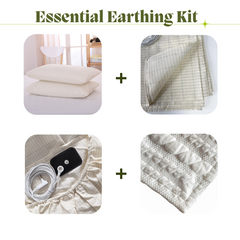
Our fitted grounding bedsheets are constructed with conductive silver threads woven throughout, ensuring consistent contact with your skin. Unlike temporary solutions or supplements you must remember to take, grounding sheets provide nightly support automatically. They're machine-washable, durable, and designed to fit standard bed dimensions, making them a practical investment in long-term sleep improvement.
Actionable step: Replace your current sheets with grounding bedsheets and give yourself at least two weeks to notice changes. Most people report improvements within 3-7 nights, though consistent use amplifies benefits.
2. Magnesium Supplements for Sleep Support
Magnesium is often called nature's relaxation mineral because it activates the parasympathetic nervous system, the branch responsible for rest and recovery. When magnesium levels drop, your body struggles to relax, muscles remain tense, and your mind stays alert even when exhaustion sets in.
Modern diets often lack adequate magnesium due to depleted soil and processed foods. Many of us consume only 40-50% of the recommended daily amount, creating a deficit that directly impacts sleep quality. Supplementing with magnesium addresses this gap effectively.
Several forms of magnesium deliver different benefits:
- Magnesium glycinate: absorbed easily and gentle on digestion, ideal for sensitive stomachs
- Magnesium threonate: crosses the blood-brain barrier, supporting cognitive relaxation
- Magnesium malate: supports muscle recovery and reduces physical tension
- Magnesium citrate: promotes relaxation but can have mild laxative effects

Taking 200-400mg of magnesium 30-60 minutes before bed allows your body to absorb and utilize it during sleep. Timing matters because magnesium works synergistically with your body's natural wind-down processes. Pairing supplementation with grounding sheets amplifies results since both address muscle tension and nervous system regulation from different angles.
Actionable step: Start with 200mg and gradually increase to find your optimal dose. Keep a simple sleep journal noting how you feel each morning to track what works best for your body.
3. Herbal Teas and Sleep-Promoting Botanicals
For centuries, cultures worldwide have used plant-based remedies to promote sleep. These aren't folk remedies lacking scientific backing, but rather time-tested solutions now validated by modern research. Herbal teas offer a gentle, ritual-based approach that calms both body and mind.
Chamomile remains the gold standard for sleep support. It contains apigenin, a compound that binds to receptors in your brain responsible for relaxation. A warm cup 30-45 minutes before bed creates both the physical comfort of a warm beverage and the chemical support needed for restful sleep.
Passionflower has been used traditionally for anxiety reduction and sleep improvement. Research shows it increases GABA levels in your brain, the neurotransmitter that allows your nervous system to downshift. Unlike stimulating coffee or tea, passionflower naturally promotes calming without causing drowsiness during the day.
Valerian root works differently, inducing a mild sedative effect that's noticeable within 30 minutes. Some people find it too strong initially, so starting with lower concentrations helps you acclimate. Combining valerian with chamomile creates a more balanced effect than using either alone.
Actionable step: Create a bedtime tea ritual using one of these botanicals 45 minutes before sleep. The consistent routine signals your body that wind-down is beginning, creating a behavioral anchor alongside the chemical benefits.
4. Creating an Optimal Sleep Environment
Your sleep environment either supports or sabotages your efforts. Even with grounding sheets and magnesium supplementation, sleeping in a bright, warm, or noisy room undermines progress.
Temperature control is foundational. Your body naturally cools by 2-3 degrees Fahrenheit when entering sleep, and a room temperature between 60-67 degrees Fahrenheit supports this process. Bedding matters too. Quality materials that breathe and regulate temperature prevent the midnight heat-induced awakenings that fragment sleep.
Light exposure is equally critical. Artificial light suppresses melatonin production, the hormone that signals sleep time to your body. Blackout curtains or a simple eye mask eliminates this interference. If you use your phone before bed, enable night mode or blue light filters to reduce melatonin disruption.
Sound management requires attention to both external noise and its frequency. White noise machines actually help most people sleep better than silence because they mask disruptive sounds. If external noise is unavoidable, quality earplugs designed for sleep (not music listening) prevent jolts that interrupt deep sleep cycles.
Actionable step: Audit your bedroom using a 7-point checklist: temperature, light control, sound management, air quality, clutter reduction, comfort level of your mattress, and bedding quality. Adjust the three most problematic areas this week.
5. Meditation and Mindfulness Techniques

Racing thoughts at 11 PM represent one of the most common insomnia complaints. Your body may be tired, but your mind reviews the day's events, plans tomorrow, and cycles through worries. Meditation directly addresses this mental hyperactivity.
Guided body scans work particularly well for sleep. This technique involves mentally moving through each body part sequentially, noticing sensations without judgment. The practice anchors your attention in the present moment rather than future concerns. A 10-15 minute body scan performed in bed often leads directly into sleep.
Box breathing offers another accessible technique. Inhale for four counts, hold for four, exhale for four, hold for four. Repeat this cycle 10-15 times. The rhythmic pattern interrupts anxious thought loops and activates your parasympathetic nervous system. The counting requirement occupies your mind with something neutral, preventing worry from resurging.
Progressive muscle relaxation combines the benefits of physical tension release with mental focus. Tense each muscle group for five seconds, then release. This practice reveals tension you didn't consciously notice while creating the neural pathway to relaxation. Most people complete a full-body session in 10-15 minutes.
Actionable step: Choose one meditation technique and practice it nightly for two weeks. Consistency matters more than technique selection. Set a phone reminder to practice at the same time each night.
6. Exercise and Physical Activity for Better Sleep
Regular physical activity improves sleep quality more reliably than most interventions, yet the timing and type of exercise matter considerably. Vigorous exercise close to bedtime activates your nervous system and elevates core temperature, actually delaying sleep onset.
Aerobic exercise performed 3-4 hours before bed delivers optimal results. A 30-minute walk, run, cycle, or swim allows your body temperature to normalize while leaving enough time for the post-exercise energy boost to subside. This timing synchronizes exercise benefits with your body's natural wind-down.
Strength training supports sleep through a different mechanism. Building muscle increases your body's overall energy efficiency and metabolic stability. Strength work performed in the morning or early afternoon provides benefits without evening stimulation. Three sessions weekly of 30-45 minutes creates noticeable sleep improvements within 2-3 weeks.
Gentle movement like yoga or tai chi performed in the evening actually supports sleep preparation. These practices calm your nervous system while maintaining physical engagement. The mindfulness component integrates seamlessly with meditation practices, creating compounding benefits.
Actionable step: Establish a consistent exercise schedule with at least one session completed before 3 PM daily. Track your sleep quality for two weeks before adding exercise and compare it to the post-exercise period.
7. Dietary Adjustments to Support Restful Sleep
Your food choices across the entire day influence nighttime sleep quality. Large meals close to bedtime divert blood to your digestive system when it should support nervous system relaxation. Eating 2-3 hours before sleep allows digestion to complete before you lie down.
Certain foods actively support sleep through their nutritional composition. Almonds contain magnesium and tryptophan, both supporting relaxation. Tart cherry juice naturally contains melatonin, helping regulate sleep cycles. Whole grains provide complex carbohydrates that facilitate tryptophan absorption, the amino acid your brain converts to serotonin and melatonin.
Foods to minimize or eliminate include caffeine (obviously, but worth noting that chocolate and green tea contain it), alcohol (which disrupts REM sleep architecture despite initial drowsiness), and heavy fats that slow digestion. A light snack 2-3 hours before bed maintains stable blood sugar throughout the night, preventing the 3-4 AM awakening many people experience.

Hydration matters too. Dehydration subtly increases heart rate and reduces sleep quality. However, drinking excessive water immediately before bed causes middle-of-the-night bathroom trips. Front-load hydration during the day and taper off in the evening.
Actionable step: Identify one sleep-disrupting food or beverage you consume regularly and eliminate it for one week. Compare your sleep quality before and after. This single-variable testing reveals your individual triggers more reliably than general advice.
Your Path to Naturally Better Sleep
The remedies outlined here address the full spectrum of insomnia causes: physical disconnection from natural energy, nutritional deficiencies, mental activity, environmental factors, and lifestyle choices. Rather than treating sleep problems as a pharmaceutical issue, we can restore natural sleep capacity by addressing multiple root causes simultaneously.
We recommend starting with grounding sheets alongside one other intervention that resonates with your situation. Someone struggling with physical tension might prioritize magnesium supplementation, while someone with racing thoughts might focus on meditation. The synergistic effect of combining strategies yields results that single interventions cannot achieve alone.
Our grounding bedsheets represent the most passive, consistent intervention available. You invest in your product once, then receive sleep support automatically every single night without remembering to take supplements or establish new routines. Thousands of customers report that grounding sheets became their foundational sleep solution, with other remedies amplifying those baseline improvements.
Natural remedies for insomnia work reliably when given time and consistency. Rather than expecting overnight miracles, recognize that restoring natural sleep capacity takes 2-4 weeks of dedicated practice. The investment in quality bedding, supplements, and behavioral changes pays dividends for years to come, returning you to the restorative sleep quality that modern life has compromised.
For further reading: Grounding bedsheets benefits.
Frequently Asked Questions (FAQ)
How do grounding sheets work to improve sleep quality?
We design our grounding sheets to connect you directly to the Earth's natural electrical energy while you sleep. This connection helps reduce inflammation and calm your nervous system, which naturally promotes deeper, more restorative sleep cycles. Our fitted sheets and bed mats work by conducting the Earth's electrons through conductive pathways, allowing your body to experience the same grounding benefits you'd get from walking barefoot on soil.
Can grounding sheets be used alongside other natural sleep remedies?
Absolutely. We recommend combining our grounding products with complementary approaches like herbal teas, meditation, and exercise for maximum results. Many of our customers find that grounding sheets work synergistically with magnesium supplements and mindfulness techniques to create a comprehensive sleep improvement strategy. Since grounding is a physical connection method rather than an internal supplement, it pairs well with other natural wellness practices.
What makes grounding sheets different from standard bedding?
Our grounding sheets contain conductive materials and connection points that keep you linked to the Earth's energy throughout the night, whereas standard sheets simply provide comfort and insulation. We've engineered our products specifically to facilitate this electrical grounding while maintaining the comfort and durability you expect from quality bedding. The key difference is that our sheets actively work to reduce your body's electrical charge, which standard bedding cannot do.