


Grounding Bed Sheets for Earth Connection
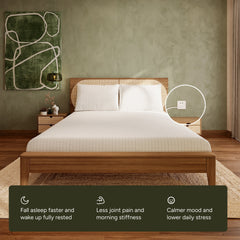
Among natural sleep environment products, earthing sheets for sleep offer a simple way to tap into the Earth’s ground potential while you rest. These sheets weave conductive silver threads into a soft cotton base to equalize charge at the skin surface and minimize static buildup. Early pilot studies and many user reports note improvements in perceived sleep quality, stress, and morning alertness, though larger, controlled trials are still needed to confirm specific outcomes.
Functionally, a cord connects the sheet to the grounding port of a properly wired outlet or to a dedicated ground rod. The setup is passive—no power flows from the outlet to the sheet—and it should only connect to the ground pin. Always test the outlet first; if it’s not properly grounded, do not use it. Keep cords tidy, and consult a clinician before use if you have an implanted electronic device.
When choosing an option, look for:
- Fabric and feel: organic bedding materials such as GOTS-certified cotton paired with 8–15% silver fiber for consistent conductivity and breathability.
- Format: fitted sheets maximize skin contact; grounding mats for bed can sit beneath your regular top sheet if you prefer a certain fabric against your skin.
- Connectivity: a detachable snap, 15–20 ft cord, and international adapters if you travel or live abroad.
- Care: cold wash with mild detergent; avoid bleach, fabric softeners, and dryer sheets, which can coat fibers and reduce conductivity. Air-dry when feasible.
- Verification: a continuity checker for the sheet and an outlet tester to confirm ground before first use and after several washes.
For best results, ensure regular skin contact—bare feet, calves, or your back against the sheet. Pair the practice with other gentle upgrades: natural air purifiers to reduce particulate load, blackout curtains to keep light out, and herbal sleep remedies like chamomile or lavender when appropriate. Keep the room cool and quiet to round out a restorative setup.
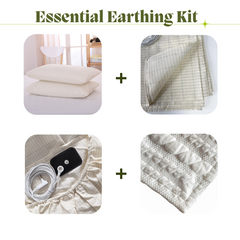
Terra Therapy offers fitted grounding bedsheets and versatile mats, as well as Essential Grounding Starter Kits that include the cords and ground testers you need for a safe, straightforward setup. If you value a seamless, bed-ready solution, the fitted sheet integrates with your existing linens; for multipurpose use or travel, a mat provides flexibility on beds, sofas, or under desks. As you evaluate natural sleep environment products, Terra Therapy’s range helps you tailor indoor earthing to your routine and space.
Organic Cotton and Linen Bedding Materials
Breathable, plant-based textiles set the foundation for restorative sleep. Organic bedding materials like cotton and linen regulate temperature, wick moisture, and minimize exposure to pesticides and harsh dyes, creating a calmer, cleaner microclimate around your skin. If you’re assembling natural sleep environment products, start with sheets and duvet covers that let your body maintain a steady, comfortable temperature through the night.
Cotton and linen each offer distinct benefits. Organic cotton in a percale weave (typically 200–300 thread count) feels crisp and cool, while sateen (around 300–600) offers a silkier hand and a touch more warmth. Linen, woven from flax, naturally thermoregulates across seasons, absorbs moisture efficiently, and softens with every wash while retaining exceptional durability.
Prioritize construction and safety standards to ensure true purity and performance:
- Look for independent certifications such as GOTS for organic fiber integrity and OEKO-TEX Standard 100 for harmful substance testing.
- Choose weaves based on sleep temperature: percale for hot sleepers, sateen for cooler rooms, and medium-weight linen for year-round balance.
- Pay attention to weight; linen quality correlates more with fiber length and GSM than thread count.
- Opt for garment-washed linen or long-staple cotton for softness without chemical finishes.
- Favor low-impact or plant-based dyes and undyed neutrals to reduce chemical load.
Grounding technology can be layered into this foundation. Earthing sheets for sleep are typically cotton fabrics interlaced with conductive fibers that connect to a grounded outlet, helping you stay in contact with the Earth’s electrical potential indoors. Terra Therapy offers fitted grounding bedsheets and grounding mats for bed that pair well with breathable cotton or linen, making it easy to integrate earthing into your existing setup. Many users report more consistent sleep and lower perceived stress when combining quality natural textiles with these solutions, and Terra Therapy’s Essential Grounding Starter Kits simplify the first step.
Care routines protect both softness and function. Wash cotton and linen in cool or warm water with gentle, fragrance-free detergent; skip fabric softeners and bleach to preserve fibers. For conductive bedding, avoid oils and heavy lotions before bed and tumble dry low or line-dry to maintain conductivity over time.
Round out your sleep sanctuary with complementary supports. Natural air purifiers—such as HEPA units with activated carbon or bamboo charcoal bags—can reduce particulates and odors, while herbal sleep remedies like lavender or chamomile enhance relaxation cues. Paired with high-quality organic bedding, these natural sleep environment products work synergistically to create a tranquil, health-forward bedroom.

Natural Air Purifying Indoor Plants
Indoor plants act as natural air purifiers and can make a bedroom feel calmer and more restorative. While laboratory studies show certain species can reduce airborne volatile organic compounds (VOCs), the effect in real homes is modest unless you have many plants. The more reliable benefits come from biophilic design—visual greenery lowers perceived stress—and from small boosts to humidity and light noise reduction, all of which can support sleep comfort.
Choose resilient species that thrive in low to medium light, are easy to maintain, and won’t overwhelm your space. The picks below are popular for bedrooms because they’re sturdy, attractive, and tolerant of occasional neglect.
- Snake plant (Sansevieria): Low-light tolerant, drought-resistant, slim profile for nightstands.
- Peace lily (Spathiphyllum): Gentle blooms and humidity boost; keep away from pets.
- Spider plant (Chlorophytum comosum): Fast-growing, adaptable, produces baby offshoots to share.
- Areca palm (Dypsis lutescens): Adds visual softness and modest humidity; needs bright, indirect light.
- Pothos (Epipremnum aureum): Trailing, tough, great for hanging baskets; avoid if pets chew leaves.
- Rubber plant (Ficus elastica): Broad leaves that trap dust; prefers steady conditions and bright spots.
Placement and care matter more than plant count. Grouping two or three medium plants can gently nudge humidity toward a bedroom-friendly 40–50%, easing nasal dryness without creating dampness. Avoid strongly scented blooms and oversize floor plants in small rooms, which can feel cluttered and collect dust.
Care tips to minimize allergens and maximize benefits:
- Use a well-draining mix; water only when the top inch is dry to prevent mold.
- Empty saucers promptly; consider LECA or a semi-hydro setup if you overwater.
- Top-dress soil with pebbles and use sticky traps to deter fungus gnats.
- Wipe leaves monthly to remove dust and improve light absorption.
- Skip bright grow lights at night; protect your circadian rhythm.
- If sensitive or pet-conscious, consider pet-safe options like spider plant or parlor palm.
For a holistic approach to natural sleep environment products, pair plants with breathable, organic bedding materials and low-light, non-stimulating decor. To deepen relaxation and support circadian balance, many wellness seekers also combine greenery with indoor grounding—Terra Therapy’s earthing sheets for sleep and grounding mats for bed make it simple to connect with the Earth’s energy while you rest. Layering these with gentle rituals, such as non-caffeinated herbal sleep remedies, creates a calm, cohesive sleep sanctuary.
Essential Oil Diffusers with Soothing Botanicals
Aromatherapy diffusers earn a place among natural sleep environment products because scent directly engages the olfactory–limbic pathway, which helps cue relaxation. Small clinical studies suggest lavender and Roman chamomile inhalation can modestly improve sleep onset and quality for some people. For the cleanest experience, choose pure, third-party tested essential oils and avoid synthetic fragrance blends that can contain irritants.
Ultrasonic diffusers disperse a fine, cool mist by vibrating water and oil—quiet, affordable, and ideal for bedrooms. Nebulizing models use only oil (no water) for a stronger aroma; they’re effective but can be overpowering in small rooms. Prioritize features like an intermittent timer (e.g., 30 seconds on/30 seconds off), auto shut-off, a BPA-free reservoir, and a 200–500 ml tank. Place the unit 3–6 feet from the bed, slightly elevated on a stable nightstand, and away from direct airflow toward your face.
For herbal sleep remedies, start low and slow—2–6 total drops in a 300 ml ultrasonic diffuser—about 30–45 minutes before lights-out. Try simple blends and adjust to scent preference and room size:
- Classic calm: 3 drops lavender + 2 drops Roman chamomile
- Grounded woods: 3 drops cedarwood + 2 drops sandalwood
- Stress-soothe citrus: 2 drops bergamot + 2 drops lavender + 1 drop clary sage
- Deep earth: 2 drops vetiver + 2 drops lavender + 1 drop frankincense
Run your diffuser in pre-bed “wind-down” windows rather than continuously all night; if you prefer overnight use, set the lowest output on an intermittent cycle. Change the water daily and clean weekly with a mild vinegar rinse to prevent residue and microbial growth. Remember, diffusers are not natural air purifiers—they add aroma but don’t remove particulates—so pair them with a HEPA filter or low-emission options like activated-charcoal sachets if air quality is a concern. If you have pets or children, diffuse in a ventilated space, keep oils out of reach, and avoid potent oils around sensitive species.
Round out your bedroom routine by layering sensory cues. Organic bedding materials regulate temperature and reduce chemical exposures, while earthing sheets for sleep and grounding mats for bed can help calm an overactive nervous system. Terra Therapy offers fitted grounding bedsheets, grounding bed mats, and Essential Grounding Starter Kits designed to enable indoor earthing alongside your diffuser ritual—an easy way to blend scent-driven relaxation with gentle, grounding contact for a cohesive nighttime reset.
Himalayan Salt Lamps for Circadian-Friendly Light
The soft amber glow of a salt lamp closely mimics firelight (about 1500–2200K), which contains very little blue light that can suppress melatonin. That makes it a gentle cue for your body to wind down, especially when compared with bright, cool-white bulbs. As one of the more accessible natural sleep environment products, it’s a simple swap that improves evening lighting without overhauling your entire bedroom.

To support circadian rhythm, aim for less than 30 lux in the hour before bed. A small salt lamp with a 7–15W bulb, ideally on a dimmer, usually keeps you in that range while still providing enough visibility for reading. Place the lamp 3–6 feet from your eyes, and use a free lux meter app to fine-tune brightness for your room.
- Choose size by space: 5–7 lb for a nightstand; 9–12 lb for a larger room.
- Opt for a dimmable setup: a 7–15W incandescent bulb for a warm glow, or an amber LED on a low setting.
- Prioritize safety: a UL-listed cord, a sturdy wood base, and a stable placement away from edges.
- Add convenience: a dimmer switch or smart plug to automate an evening schedule.
- Maintain easily: wipe with a dry cloth; avoid humid rooms and place a felt pad underneath to protect furniture.
Salt lamps are often marketed as natural air purifiers due to supposed negative ionization, but peer-reviewed evidence for meaningful air cleaning is limited. Their reliable benefit is circadian-friendly, low-blue illumination and a calming ambiance. If air quality is a priority, pair the lamp with proven strategies like ventilation or a HEPA purifier while keeping the lamp dry and away from humidifiers.
For deeper nighttime calm, combine low-blue lighting with grounding. Terra Therapy offers earthing sheets for sleep and grounding mats for bed that make indoor earthing effortless—many wellness seekers report fewer nighttime awakenings and a more settled nervous system when they add grounding to their routine. Layer in organic bedding materials (such as GOTS-certified cotton) to reduce skin irritants, and consider gentle herbal sleep remedies like chamomile or lemon balm as part of your wind-down ritual.
In practice, turn on the lamp 60–90 minutes before bedtime, dim overhead lights, switch screens to night mode, and do a few slow breaths or light stretches. This consistent sequence helps your brain associate the warm glow with rest, making it easier to drift off and stay asleep.
Pure Beeswax Candles for Toxin-Free Ambience
Among natural sleep environment products, pure beeswax candles stand out for creating a calm, toxin-light ambience before bed. Their warm, low-blue glow (similar to evening firelight) makes it easier to wind down without the alerting effect of bright, cool lighting. That soothing light quality, paired with the gentle, naturally honeyed scent of real beeswax, can help set a consistent pre-sleep routine.
Compared to paraffin, 100% beeswax typically burns cleaner with less soot and no petrochemical-derived fragrances, which is helpful for scent-sensitive sleepers. Opting for unscented, dye-free candles reduces indoor irritants and pairs well with natural air purifiers like HEPA units or houseplants that tolerate bedroom conditions. The result is a simple, sensory cue for relaxation that doesn’t rely on synthetic perfumes.
What to look for:
- 100% pure beeswax on the label (avoid “blends”); a natural white “bloom” over time can indicate purity.
- Cotton or hemp wicks; skip metal-core wicks.
- Unscented or only naturally scented by beeswax itself; dye-free if possible.
- Pillars or tapers for steady, longer burns (a 3x4-inch pillar often delivers 60–75 hours; tea lights about 3–4 hours).
- Responsibly sourced wax from beekeepers prioritizing bee health and sustainable practices.
For best results, light one or two beeswax candles 60–90 minutes before bedtime and dim other lights. Keep flames below eye level to reduce glare, trim wicks to ~1/4 inch to prevent smoking, and place candles away from drafts for an even burn. Always use a stable holder, never leave a flame unattended, and extinguish with a snuffer to minimize smoke. If you enjoy aromatics, consider herbal sleep remedies separately (e.g., a cup of chamomile) rather than adding scented candles.
Beeswax candles work even better as part of a layered, natural routine. Pair the soft light with organic bedding materials (like GOTS-certified cotton or linen) for breathability, and consider Terra Therapy’s earthing sheets for sleep or grounding mats for bed to bring the calming benefits of indoor grounding into your nighttime ritual. Many wellness seekers find that the steady ambience of candlelight combined with Terra Therapy’s fitted grounding bedsheets or Essential Grounding Starter Kits creates a consistent signal to the body that it’s time to rest. This simple stack of natural sleep environment products can help reduce evening stimulation and support deeper, more restorative sleep.
Organic Buckwheat or Natural Latex Pillows
Choosing the right pillow is a foundational upgrade among natural sleep environment products. Organic buckwheat hull and natural latex options avoid synthetic foams, reduce chemical exposure, and deliver stable support that helps keep the head, neck, and spine aligned. Their breathability also regulates temperature, a common trigger for mid-night wakeups.

Buckwheat pillows are filled with cleaned, organic hulls that move and lock into place, creating precise contouring for side and back sleepers. The naturally ventilated hulls allow excellent airflow, keeping the surface cooler than dense foams. Look for a zippered organic cotton case so you can add or remove hulls to adjust loft; stomach sleepers often prefer a partially emptied pillow. Be aware that hull pillows are heavier and can rustle slightly, which some light sleepers notice.
Natural latex pillows, especially those made with GOLS-certified latex, offer buoyant, springy support that keeps your head “floating” without bottoming out. Perforations and open-cell structure enhance breathability, and latex is inherently resistant to dust mites and mold. Different profiles (contoured, high- or low-loft, shredded) let you fine-tune alignment based on shoulder width and mattress firmness. If you have a latex allergy, confirm suitability or choose an alternative like buckwheat with a thick barrier case.
Use this quick guide to decide:
- You sleep hot: buckwheat’s airflow or ventilated latex both help; buckwheat runs coolest.
- You want adjustable loft: buckwheat with a zippered case is fully customizable; shredded latex offers moderate adjustability.
- You’re a side sleeper with broad shoulders: high-loft latex or a fuller buckwheat fill.
- You’re a back sleeper: medium-loft latex or moderately filled buckwheat.
- You’re a stomach sleeper: low-loft latex or a lightly filled, malleable buckwheat pillow.
- You’re sensitive to noise: choose latex; buckwheat can be audibly crinkly.
Care and longevity matter for organic bedding materials. Air out buckwheat hulls periodically in the sun, never wash the fill, and replace hulls every few years as they compress. Spot-clean latex, keep it dry and ventilated, and use a breathable, GOTS-certified cotton pillowcase to maintain airflow and reduce contact with allergens.
For a holistic setup, pair your pillow with complementary choices like natural air purifiers to reduce particulates and gentle herbal sleep remedies (e.g., chamomile or lavender) as part of a consistent wind-down routine. To deepen the restorative feel, combine your pillow with earthing sheets for sleep or grounding mats for bed from Terra Therapy, which enable indoor grounding alongside your natural materials. This layered approach creates a cohesive, low-tox, and comfort-optimized sleep environment that supports better rest.
Wool Weighted Blankets for Deep Pressure Stimulation
Wool weighted blankets deliver gentle, evenly distributed pressure known as deep pressure stimulation, which can help calm the nervous system and reduce nighttime restlessness. Many sleepers find the steady weight soothing for racing thoughts or occasional aches, making it a practical addition to a suite of natural sleep environment products. Early research and user reports suggest weighted blankets may improve perceived sleep quality for some people, though individual responses vary.
Wool stands apart from synthetic fills because it’s naturally thermoregulating, wicking moisture while allowing air to circulate so you don’t overheat. It’s also odor-resistant, flame-resistant without chemical additives, and biodegradable—an excellent fit if you prefer organic bedding materials. Some wool designs use layered or felted wool for mass rather than glass or plastic beads, producing a quieter, more pliable blanket that drapes closely to the body.
When choosing, match the blanket to your body and bedroom climate. A common guideline is 8–12% of body weight (for example, 15–20 lb for a 170 lb adult), and a throw or twin size that covers the sleeper rather than the entire mattress helps the weight stay centered. If you run warm, look for a lighter weight with a breathable cover like organic cotton or linen.
- Weight: 8–12% of body weight; err lighter if you have joint sensitivity or sleep hot.
- Size: Fit the sleeper, not the bed, to prevent sliding.
- Cover: Removable, washable duvet cover in natural fibers for easy care.
- Construction: Layered wool or bead chambers that prevent shifting and cold spots.
- Safety: Not for infants; consult your clinician if you have respiratory, circulatory, or mobility concerns.
For a grounded, calming setup, pair a wool weighted blanket with indoor earthing solutions. Terra Therapy offers earthing sheets for sleep and grounding mats for bed that can be used beneath your top sheet; many users place a fitted grounding sheet on the mattress, then a breathable sheet, followed by the weighted blanket. This combination supports a connected, low-stress routine without relying solely on herbal sleep remedies or electronics.
Care is straightforward: air the blanket regularly, spot-clean with a wool-safe detergent, and line dry to preserve lanolin and loft. Sunlight can naturally refresh wool fibers and help manage odors. Store it in a breathable cotton bag during warmer months, and consider complementing your setup with natural air purifiers and other low-toxicity bedroom choices to keep your sleep environment clean and comfortable.