


Understanding Chronic Stress Impact
Chronic stress is more than a busy week—it’s a prolonged activation of the body’s stress systems. When the hypothalamic–pituitary–adrenal (HPA) axis and sympathetic nervous system stay “on,” cortisol and adrenaline remain elevated longer than they should. Over time, this shifts your biology away from rest, repair, and deep sleep toward hypervigilance and inflammation.
This shift shows up across multiple systems:
- Sleep and circadian rhythm: Elevated evening cortisol, racing thoughts at bedtime, frequent 3 a.m. awakenings, and reduced deep sleep.
- Autonomic nervous system: Lower heart rate variability (HRV), tight jaw and shoulders, shallow breathing, cold hands and feet.
- Metabolic health: Sugar cravings, afternoon crashes, insulin resistance tendencies, and increased visceral fat.
- Pain and inflammation: Flare-ups of back or neck pain, migraines, joint stiffness, and longer recovery after workouts.
- Brain and mood: Rumination, irritability, anxiety, brain fog, slower recall, and reduced motivation.
- Gut and immunity: Bloating, alternating constipation/diarrhea, frequent colds, skin flare-ups, and slower wound healing.
- Cardiovascular markers: Higher resting blood pressure, palpitations with minimal exertion.
Common patterns that drive this cycle include constant notifications, late-night screen exposure, back-to-back meetings, minimal daylight, and little contact with nature. For a knowledge worker, that might look like coffee at 3 p.m., inbox triage until 10 p.m., then fragmented sleep—repeated most days of the week.
Understanding these mechanisms provides a roadmap for natural chronic stress relief. Your biology responds to consistent safety cues: predictable light-dark cycles, diaphragmatic breathing that lengthens exhalation, gentle movement, nutrient-dense meals, and regular contact with the natural environment. These inputs help reestablish parasympathetic tone, normalize the cortisol curve, and improve HRV—cornerstones of holistic stress management.
One area of growing interest is earthing for stress reduction. Preliminary studies suggest that direct skin contact with the Earth—or conductive tools that enable indoor grounding—may influence autonomic balance, lower perceived stress, and support sleep quality for some individuals. While research is still evolving and results can vary, grounding practices fit well within mind-body stress relief approaches because they are gentle, accessible, and non-invasive.
If you’re scanning for ways to reduce stress naturally, watch for early indicators that your load is too high:
- You wake unrefreshed despite a full night in bed.
- Minor annoyances trigger outsized reactions.
- You rely on caffeine to start and screens to “turn off.”
- Muscle tension and headaches are becoming routine.
- Weekends no longer restore you.
Recognizing these signs early allows you to choose non-medicinal anxiety solutions aligned with how your nervous system actually heals—through consistent cues of safety, recovery, and connection to natural rhythms. Grounding practices can be one supportive tool among others to nudge your physiology back toward calm.
Holistic Strategies for Stress Relief
Natural chronic stress relief works best as a layered routine that calms the nervous system, supports sleep, and rebuilds resilience. Start with a few practices you can do daily, then add more as your capacity returns.
- Regulate your breath. Slow, nasal breathing lowers sympathetic drive within minutes. Try:
- Physiological sigh: two quick inhales through the nose, one long exhale through the mouth. Do 5–10 rounds when tension spikes.
- 4-7-8 breathing: inhale 4 seconds, hold 7, exhale 8. Practice for 3–5 minutes before bed.
- Stabilize sleep. Chronic stress improves when circadian rhythm is predictable.
- Keep a consistent wake time, get 5–10 minutes of morning daylight, and keep your room 60–67°F (15–19°C).
- Cut caffeine by early afternoon and dim lights 1–2 hours before bed.
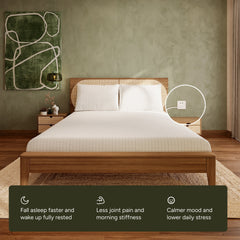
- Consider earthing for stress reduction during sleep. Small studies suggest grounding may improve sleep quality and normalize evening cortisol. Fitted grounding bedsheets or bed mats can enable indoor practice.
- Build gentle, regular movement. Favor low-to-moderate intensity to avoid overshooting stress hormones.
- Aim for 150 minutes/week of zone 2 cardio (you can talk, not sing) plus 2 short strength sessions.
- Use 5-minute “movement snacks” (mobility, light squats, a brisk walk) every 60–90 minutes on busy days.
- Use mind-body stress relief techniques. These non-medicinal anxiety solutions retrain your stress response.
- 10-minute body scan or progressive muscle relaxation in the afternoon.
- Yoga Nidra or guided relaxation 2–3 evenings/week.
- Brief journaling: write down three worries, one action, and one thing you’ll let go today.
- Nourish for steadier energy.
- Build meals around 20–30 g protein, colorful produce, and fiber-rich carbs.
- Include magnesium-rich foods (pumpkin seeds, almonds, leafy greens), omega-3s (salmon, sardines), and fermented foods for gut-brain support.
- Hydrate consistently; limit alcohol and keep total caffeine under ~300 mg/day.
- Shape a calmer environment.
- Batch notifications, set a 2-hour news window, and use a 50/10 focus–break cycle.
- Add natural elements: desk plant, outdoor walk at lunch, nature sounds during work.
- Try practical grounding. Barefoot contact with grass, soil, or sand for 20–30 minutes can be a simple way to reduce stress naturally.
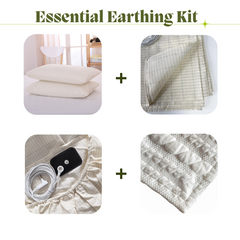
- Indoors, a conductive grounding mat at your desk or bed offers a convenient alternative. Terra Therapy’s fitted grounding bedsheets, grounding bed mats, and starter kits make daily grounding accessible while you sleep or work. Use only properly grounded outlets and follow the included safety guidance.

- Measure and iterate.
- Track a simple stress score (1–10), resting heart rate, or HRV for two weeks.
- Keep what helps, drop what doesn’t—holistic stress management is personal and adaptive.
Mindfulness and Meditation Practices
Training your attention is one of the most reliable paths to natural chronic stress relief. Regular practice can calm sympathetic arousal, reduce rumination, and improve sleep quality—key outcomes for holistic stress management without medication.
Start with three foundational techniques:
- Breath awareness (5 minutes): Sit comfortably. Inhale through the nose for 4, exhale for 6. Keep the breath quiet and steady. If the mind wanders, gently return to the count. Slower, longer exhales help shift the nervous system toward rest-and-digest.
- Body scan (3–10 minutes): Move attention from toes to head. Notice sensations—pressure, warmth, tension—without judging. On each out-breath, allow softening in the area you’re observing. This is especially helpful before bed.
- Noting (2–5 minutes): When a thought or emotion arises, label it softly (thinking, planning, worry, anger), then return to your anchor (breath or body). Labeling builds metacognitive awareness and reduces reactivity.
Layer in compassion and movement:
- Loving-kindness (2–5 minutes): Silently repeat phrases like “May I be calm. May I be safe.” Extend to others. This cultivates positive affect and counters stress-driven negativity bias.
- Mindful movement (5–10 minutes): Slow yoga sequences, tai chi, or gentle stretching with full breath awareness offer mind-body stress relief when sitting feels difficult.
Make it doable with micro-practices:
- 3-breath reset: Before opening email or entering a meeting, take three slow breaths, lengthening each exhale.
- Sensory check-in: Name 5 things you see, 4 you feel, 3 you hear, 2 you smell, 1 you taste. This grounds attention in the present.
- Cue-based pauses: Attach a 30–60 second mini-meditation to routine cues (pouring coffee, waiting for downloads).
Combine with nature connection, even indoors. Practicing on a Terra Therapy Grounding Bed Mat under your desk or doing a brief body scan on a fitted Grounding Bedsheet before sleep can reinforce a sense of calm and presence. While more research is needed, small studies suggest earthing for stress reduction may influence markers like heart rate variability and perceived stress. Many users find that integrating indoor earthing/grounding with breath practices enhances relaxation and sleep—two potent ways to reduce stress naturally.
A simple daily plan (10 minutes):
- Morning: 4 minutes breath awareness, 3 minutes loving-kindness, 3 minutes mindful stretching. Consider sitting with bare feet on a grounding mat.
- Evening: 5–10 minute body scan in bed on a grounded sheet to ease the transition to sleep.
Track what works. Note duration, technique, perceived stress (0–10), and sleep quality. Look for trends over 2–4 weeks and adjust. These non-medicinal anxiety solutions are safe for most people, but if you have severe symptoms or trauma history, consult a qualified professional and progress gradually.
Consistency, not intensity, drives results. Small, repeated sessions compound into meaningful natural chronic stress relief within a few weeks.
The Power of Nature Connection
For natural chronic stress relief, reconnecting with the outdoors is one of the most reliable, low-friction strategies you can use. Humans evolved in green, sunlit environments; when we reintroduce those cues, the nervous system often shifts from fight-or-flight toward rest-and-digest. This isn’t just poetic—it’s physiological.
Visual exposure to natural patterns (like tree branches, waves, or clouds) engages “fractals” that the brain processes efficiently, lowering cognitive load and sympathetic arousal. Aromatic compounds from trees, known as phytoncides, have been linked in small studies to calmer mood and improved immune markers after forest “bathing.” Natural soundscapes—wind in leaves, birdsong—can reduce perceived effort and quiet the stress response. And morning sunlight anchors your circadian rhythm, supporting healthier cortisol timing by day and melatonin production at night.
Earthing, or grounding, is another nature-based practice with growing interest. By maintaining direct skin contact with the Earth—outdoors or via conductive materials indoors—you equalize your body’s electrical potential with the ground. Preliminary research suggests this may help modulate cortisol, support heart rate variability, and promote deeper sleep, all of which matter for holistic stress management. If you don’t have easy access to grass or sand, indoor options like Fitted Grounding Bedsheets, Grounding Bed Mats, and Essential Grounding Starter Kits enable consistent earthing for stress reduction while you sleep or work.
Practical ways to reduce stress naturally, even with a busy schedule:
- Get morning light: 5–10 minutes outside within an hour of waking; no sunglasses if comfortable.
- Take a green break: 20–30 minutes in a park or tree-lined street. Move slowly and notice sights, sounds, and scents.
- Ground daily: 15–30 minutes barefoot on grass, soil, or sand. Indoors, use a grounding bed mat under your feet at a desk, or sleep on a fitted grounding bedsheet.
- Add nature micro-doses: Keep a few indoor plants, use nature soundscapes during focused work, or open a window for fresh air.
- Pair with mind-body stress relief: Try 4-6 breathing, a body scan, or gentle stretches outdoors or while grounded for compounded benefits.
- Align evenings with nature: Step outside at dusk, dim indoor lights, and avoid bright screens 1–2 hours before bed.
These non-medicinal anxiety solutions work best when they’re consistent. Small, repeated exposures to daylight, green spaces, natural sounds, and skin-to-earth contact tend to stack, gradually recalibrating your stress system. Build a routine that fits your life—morning light, a midday green break, and nighttime grounding—and let nature set the tempo for calmer days and more restorative sleep.
Grounding Benefits for Calm
Chronic stress keeps the nervous system in “always on” mode. Grounding (earthing) offers natural chronic stress relief by helping the body shift toward a calmer, parasympathetic state. Through direct skin contact with the Earth—or with conductive fabrics connected to a grounded outlet—earthing provides a simple, non-medicinal way to settle the system and support more restorative sleep.
How it may help: When your body is grounded, electrons from the Earth can flow to your skin, potentially reducing excess electrical charge and oxidative stress. Early research and pilot studies have reported improvements in sleep quality, more normalized cortisol rhythms, better heart rate variability, and reductions in perceived stress and pain. While findings are preliminary, many people describe feeling less “amped,” more centered, and more resilient to daily stressors—useful outcomes for holistic stress management.
Practical ways to use Terra Therapy products for earthing for stress reduction:
- Night routine: Sleep on a Fitted Grounding Bedsheet to promote deeper, more continuous sleep—a cornerstone of mind-body stress relief. Pair with a dark, cool bedroom and consistent sleep/wake times.
- Morning reset: Place a Grounding Bed Mat by the bedside. Stand with bare feet for 10–15 minutes while practicing 4-7-8 breathing, journaling, or meditation. This anchors the day with calm focus.
- Workday support: Use a grounding mat under your desk, keeping bare feet or ankles in contact during focused work blocks. Combine with box breathing or brief stretch breaks for ways to reduce stress naturally without leaving your workspace.
- Start simple: The Essential Grounding Starter Kit makes setup easy and portable, so you can test grounding across rooms and times of day to see when you feel the most benefit.
Tips for effective, safe use:
- Verify a proper ground using an outlet tester; connect only to the ground port or a dedicated grounding rod per instructions.
- Maintain skin contact with the conductive surface; start with 30–60 minutes and build up to overnight use.
- Stay hydrated; light movement and breathing practices can amplify calming effects.
- If you use implanted electronic devices, have a bleeding disorder, or take anticoagulants, consult a clinician before starting any new wellness practice.
Grounding fits seamlessly into a broader plan of ways to reduce stress naturally—consistent sleep, daylight exposure, gentle movement, breathwork, and balanced nutrition. For those seeking non-medicinal anxiety solutions, integrating Terra Therapy’s grounding bedsheets and mats into daily rhythms can be a practical, low-effort step toward steadier mood, better sleep, and a more resilient baseline.
Dietary and Lifestyle Adjustments
Small, consistent changes to what you eat and how you structure your day can deliver natural chronic stress relief without relying on medication. Focus on stabilizing your physiology first—balanced blood sugar, quality sleep, regular movement, and daily time in nature lay the groundwork for holistic stress management.
Prioritize a low-glycemic, nutrient-dense diet. Blood sugar swings amplify cortisol and anxiety. Build meals around:
- Protein (eggs, Greek yogurt, beans, fish)
- Fiber (vegetables, berries, legumes, whole grains)
- Healthy fats (olive oil, avocado, nuts, seeds)
Limit added sugars, ultra-processed snacks, and large late-night meals. If you use caffeine, keep it to the morning and cap intake to avoid sleep disruption. Alcohol may feel relaxing but fragments sleep architecture; reserve it for occasional, moderate use.

Support the gut–brain axis with prebiotic and fermented foods. Onions, garlic, asparagus, oats, and slightly green bananas feed beneficial microbes. Yogurt, kefir, sauerkraut, and kimchi can enhance microbial diversity and have been linked with lower stress markers. Magnesium- and omega-3–rich foods—leafy greens, beans, pumpkin seeds, cacao, salmon, sardines, walnuts, flax—also support nervous system balance. Stay hydrated; even mild dehydration can raise perceived stress and fatigue.
Create reliable circadian cues. Get morning daylight for 5–15 minutes soon after waking. Dim lights and screens 60–90 minutes before bed, keep the room cool, and maintain a consistent sleep-wake schedule—even on weekends.
Move daily, but vary intensity. Aerobic exercise 3–5 times weekly, two brief strength sessions, and gentler practices like yoga or tai chi help regulate stress hormones and improve mood. Short, frequent movement “snacks” (a 5-minute walk each hour) counteract sedentary tension.
Use quick mind-body stress relief tools. Breathing techniques such as a long exhale (for example, a 4-second inhale and 6–8-second exhale) or a “physiological sigh” for 2–5 minutes can downshift the nervous system within minutes. Brief mindfulness, journaling, or gratitude practices also offer non-medicinal anxiety solutions.
Consider earthing for stress reduction, especially when getting outdoors is hard. Direct skin contact with the Earth may influence nervous system balance; preliminary studies suggest grounding can improve sleep and reduce perceived stress. Indoor options like grounded bedsheets or a desk mat make it practical to build contact into your routine day and night.
A sample day to integrate ways to reduce stress naturally:
- Morning: Hydrate, get sunlight, protein-forward breakfast; 2 minutes of slow breathing. If outdoors isn’t feasible, sit with feet on a grounding mat while planning your day.
- Workday: 5-minute movement break each hour; limit caffeine after noon; try one 2-minute breathing reset midafternoon with feet on a grounding mat.
- Evening: Light dinner, short walk, screens down early. Stretch or read on a grounded bed or fitted sheet to cue relaxation and support sleep.
These adjustments compound over time, forming a sustainable foundation for holistic stress management that aligns with your biology.
Prioritizing Restorative Sleep
Deep, consistent sleep is one of the most reliable levers for natural chronic stress relief. When sleep is fragmented, the stress-response system (HPA axis) stays dysregulated, keeping cortisol elevated and mood unsettled. Restorative sleep helps recalibrate those hormones, steadies emotions, and supports clearer thinking under pressure.
Start by strengthening circadian rhythm. Anchor a consistent wake-up time seven days a week and get outdoor light within 30 minutes of waking for 5–15 minutes. Morning light cues earlier melatonin release at night, making it easier to fall asleep and stay asleep.
Shape evenings to signal winding down. Aim for a 60–90 minute buffer before bed free of intense work, news, or bright screens. Dim overhead lights after sunset, or use warmer bulbs. Keep the bedroom cool (about 60–67°F), quiet, and as dark as possible.
Tighten common sleep disruptors:
- Caffeine: Cut off by early afternoon (at least 8 hours before bed).
- Alcohol: Minimize; it fragments sleep architecture even if it feels sedating.
- Late meals: Finish dinner 2–3 hours before bedtime; if needed, choose a light snack with protein/fiber to prevent overnight dips.
- Naps: Keep them short (10–20 minutes) and early day.
Layer in mind-body stress relief that eases arousal without medication:
- 4-7-8 breathing or box breathing (5 minutes).
- Progressive muscle relaxation or a brief body scan in bed.
- A 5-minute “brain dump” journal to offload next-day tasks.
- If you’re awake longer than ~20 minutes, get out of bed and do a calming activity under low light until drowsy. This stimulus-control method retrains your brain to associate bed with sleep, a core element of non-medicinal anxiety solutions.
Consider earthing for stress reduction as part of holistic stress management. Grounding products connect your body to the earth’s electrical potential indoors. Preliminary studies and user reports suggest grounding during sleep may improve sleep quality and reduce nighttime cortisol in some individuals. Terra Therapy’s fitted grounding bedsheets and bed mats are designed for continuous, gentle contact overnight, making it one of the practical ways to reduce stress naturally while you sleep.
Practical setup tips:
- Ensure part of your skin touches the grounded surface during the night.
- Plug into a properly grounded outlet; use an outlet tester if unsure.
- Combine with your regular bedding; avoid thick insulating layers between skin and the grounding surface.
Track what works. Keep a simple sleep diary noting bedtime, wake time, awakenings, caffeine/alcohol, evening light exposure, and any grounding use. Look for trends over 1–2 weeks, then adjust one variable at a time.
Restorative sleep isn’t a single tactic; it’s a system. Pair circadian-friendly routines, calming breathwork, and, if it resonates, indoor earthing with Terra Therapy solutions. The steady accumulation of these habits supports lasting calm and complements broader holistic stress management.
Sustainable Stress Management Plan
Create a plan you can actually maintain. Start small, stack habits, and measure what matters so you can iterate with confidence.
Establish your baseline
- Identify top three stressors and how they show up in your body (tight jaw, shallow breathing, racing thoughts).
- Track a few markers for two weeks: sleep duration/quality, resting heart rate, energy levels, and a 1–10 stress rating at midday and bedtime.
Daily core routine
- Morning reset (10–15 minutes): sunlight exposure within an hour of waking, a large glass of water, and 3 minutes of box breathing (inhale 4, hold 4, exhale 4, hold 4) for mind-body stress relief.
- Focus blocks with microbreaks: work in 60–90 minute blocks. Between blocks, take a 3–5 minute movement break plus two “physiological sighs” (two short inhales, one long exhale) to downshift arousal.
- Midday grounding: 10–20 minutes of indoor earthing for stress reduction. Place a Terra Therapy Grounding Mat under bare feet at your desk or use it during a brief meditation. Many users report feeling calmer; emerging research suggests grounding may influence stress-related physiology.
- Nutrition cues: anchor meals on protein and fiber to steady blood sugar; limit caffeine after noon; hydrate regularly. These are simple ways to reduce stress naturally via metabolic stability.
- Evening wind-down: a consistent digital sunset 60 minutes before bed, light stretching, and a brief body scan. Sleep on Terra Therapy Fitted Grounding Bedsheets or a Grounding Bed Mat to support relaxation and sleep quality as part of a natural chronic stress relief routine.
Weekly anchors
- Nature therapy: two 45–60 minute walks in a green space. If weather or time is tight, add 15 minutes of indoor earthing on a Terra Therapy kit.
- Strength and mobility: 2–3 short sessions (e.g., 3 sets of squats, rows, hinges). Physical resilience supports holistic stress management.
- Social connection: schedule one meaningful conversation or activity; loneliness amplifies stress signaling.
- Reflection: a 10-minute Sunday review—what lowered stress, what didn’t, and one change for the coming week.
Acute, non-medicinal anxiety solutions
- 4-7-8 breathing for 2–4 cycles when you notice tension.
- Cold water face rinse for 30 seconds to stimulate the dive reflex.
- Grounding check-in: stand barefoot on a Terra Therapy mat while labeling sensations (warmth, pressure) to reorient attention.
Personalize by stressor type
- Cognitive overload: time-blocking and a short “closing ritual” for your workday.
- Emotional load: guided journaling prompts (What’s in my control? What’s not?).
- Physical overreach: prioritize sleep, deload workouts, and add a restorative yoga session.
Measure and adapt
- Review weekly metrics and your stress ratings. Keep what works, drop what doesn’t, and adjust one variable at a time.
- If symptoms persist or worsen, consult a licensed clinician. Grounding and other natural approaches complement, not replace, professional care.
Safety note: Use Terra Therapy products as directed and ensure outlets are properly grounded.