



Understanding Chronic Inflammation
Inflammation is the body’s built-in repair signal. Acute inflammation helps you heal from a cut or infection, then resolves. Chronic inflammation persists for months or years, often at a low level, and can quietly contribute to joint pain, poor sleep, brain fog, and metabolic or cardiovascular risk. Biologically, it’s driven by immune mediators such as IL‑6 and TNF‑α, oxidative stress, and overactivation of the NF‑κB pathway. Clinicians often track it with markers like high-sensitivity C‑reactive protein (hs‑CRP).
Common drivers include disrupted sleep, chronic psychological stress, ultra-processed diets, sedentary time, blood sugar dysregulation, gut microbiome imbalance, environmental exposures, and unresolved injuries. Many people seeking to reduce chronic pain naturally find that addressing more than one driver makes the biggest difference.
Evidence-backed, non-invasive options exist. Natural inflammation relief methods typically focus on restoring balance across systems:
- Nutrition: Emphasize fiber-rich plants, omega‑3 fats (e.g., fatty fish), colorful polyphenols (berries, olive oil), and spices like turmeric and ginger. Limit refined sugars and trans fats.
- Movement: Combine regular walking with mobility work and two to three weekly strength sessions. Even light activity after meals can improve glucose handling.
- Sleep: Aim for consistent schedules, morning light, a cool dark room, and limited evening screens to support circadian rhythm.
- Stress regulation: Incorporate breathing exercises, mindfulness, or short nature breaks to improve vagal tone and lower sympathetic arousal.
- Recovery tools: Sensible sunlight exposure, hydration with electrolytes, heat/cold as tolerated, and addressing ergonomic strain.
Earthing for inflammation is an emerging addition to holistic inflammation solutions. Grounding involves direct skin contact with the Earth or conductive systems indoors. Proposed mechanisms include:
- Electron transfer that may help neutralize excess free radicals.
- Modulation of autonomic balance, reflected in improved heart-rate variability in small trials.
- Better sleep onset/quality and perceived pain reductions, with preliminary studies noting changes in blood viscosity and discomfort scores.
Practical examples:
- Morning: 15–20 minutes barefoot on grass or soil to anchor circadian timing and calm the nervous system.
- Workday: A grounding mat under your desk for gentle contact during sedentary hours.
- Night: Fitted conductive bedsheets to extend contact time during sleep, when recovery pathways are most active.
Grounding health benefits appear most meaningful when layered with other natural healing methods. Track what changes for you—sleep quality, energy, joint stiffness, step count, or lab markers with your clinician—and adjust. This integrated approach helps reduce chronic pain naturally without invasive interventions.
The Impact of Inflammation on Health
Inflammation is the body’s built-in defense system. Acute inflammation helps you heal after an injury or infection. The challenge arises when immune signaling stays switched on at a low level for months or years. This chronic, systemic state can quietly disrupt sleep, mood, metabolism, and joint function—often without a single obvious cause.
Its effects are wide-reaching and often overlap:
- Muscles and joints: morning stiffness, lingering soreness, tendon irritation.
- Metabolic health: increased insulin resistance and energy dips after meals.
- Cardiovascular system: endothelial stress that may influence blood pressure.
- Brain and mood: brain fog, low mood, and anxiety driven by neuroimmune signals.
- Gut and skin: bloating, IBS flares, acne or eczema sensitivity.
Biologically, chronic inflammation features elevated cytokines (such as IL-6 and TNF-α), oxidative stress, and overactive nervous-system arousal. Poor sleep amplifies these signals, creating a feedback loop: inflammation disrupts deep sleep; lack of deep sleep further elevates inflammatory markers like high-sensitivity C-reactive protein (hs-CRP). Many people notice nonrestorative sleep, increased pain sensitivity, or slower workout recovery as first clues.
Common drivers include:
- Ultra-processed foods, excess sugar, and trans fats
- Chronic psychological stress and low heart-rate variability
- Sedentary time and insufficient sunlight or movement
- Circadian disruption from late-night screens and irregular schedules
- Environmental exposures (air pollution, smoke) and poor oral health
- Alcohol overuse and micronutrient shortfalls (e.g., magnesium, omega-3s)
Because inputs are multi-factorial, effective, natural inflammation relief methods are multi-modal. Practical options include:
- Nutrient-dense meals emphasizing colorful plants, omega-3s, herbs like turmeric and ginger
- Consistent sleep timing, a cool dark bedroom, and pre-sleep wind-down
- Daily low-impact movement: walking, mobility, light strength work
- Stress regulation: breathwork, meditation, social connection, time in nature
- Earthing for inflammation support: connecting your body to the Earth’s surface electrons may help downshift sympathetic arousal and improve sleep for some people. Indoor solutions enable routine contact and are easy to pair with other natural healing methods.
- Temperature tools: brief cold exposure or warm Epsom salt baths
For many, this mix can reduce chronic pain naturally and restore energy over time. While not a cure-all, grounding health benefits are a promising part of holistic inflammation solutions—especially when combined with sleep, diet, movement, and stress care. Track symptoms and, when appropriate, lab markers like hs-CRP to gauge progress.

Exploring Non-Invasive Healing Strategies
Chronic inflammation often persists because everyday stressors keep the nervous system on high alert. Natural inflammation relief methods focus on restoring balance—supporting sleep, calming stress pathways, and improving recovery—without drugs or invasive procedures.
One emerging option is earthing for inflammation. By directly contacting the Earth’s surface (or using conductive materials connected to a grounded outlet), the body equalizes electrical potential. Preliminary studies have reported shifts in heart-rate variability, more balanced daily cortisol patterns, and reductions in perceived pain and swelling—signals consistent with grounding health benefits. Practically, this can look like 30–60 minutes of barefoot time on grass, soil, or sand. Indoors, Terra Therapy’s Fitted Grounding Bedsheets and Grounding Bed Mats enable consistent exposure while you sleep or work, which many people find easier to maintain.
How to integrate grounding safely and effectively:
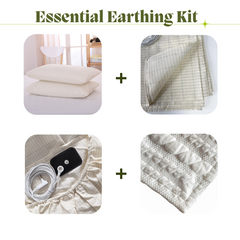
- Start with an Essential Grounding Starter Kit to simplify setup and continuity testing.
- Use a Grounding Bed Mat under your feet during desk work and a fitted sheet at night for extended, passive exposure.
- Aim for consistency: nightly use or daily 30–60 minute sessions.
- Check that your outlet is properly grounded and avoid barefoot outdoor sessions in unsafe environments.
- Track simple indicators—sleep quality, morning energy, stiffness on waking, and perceived pain—to gauge response over 2–4 weeks.
Combine grounding with other natural healing methods for holistic inflammation solutions:
- Sleep optimization: Keep a regular sleep-wake schedule, cool your room, and reduce blue light 1–2 hours before bed to enhance recovery signaling.
- Anti-inflammatory plate: Fill half your plate with colorful vegetables; include omega-3 sources (salmon, sardines, chia), olive oil, nuts, turmeric, and ginger. Limit ultra-processed foods and excess alcohol.
- Gentle, frequent movement: 20–30 minutes of walking, mobility work, and light resistance training most days helps circulation and joint health and can reduce chronic pain naturally.
- Stress regulation: 5–10 minutes of slow nasal breathing, meditation, or yoga can lower sympathetic drive and support immune balance.
- Heat and cold: Short sauna sessions or brief, tolerable cold exposure may aid circulation and recovery in some individuals.
- Sunlight and circadian cues: Morning outdoor light anchors your body clock, supporting hormone rhythms linked to inflammation control.
- Hydration and minerals: Adequate fluids, magnesium-rich foods, and electrolytes support muscle relaxation and sleep.
Layer these practices gradually, observe what moves the needle, and consult a healthcare professional for persistent symptoms. A consistent routine that blends grounding with sleep, nutrition, movement, and stress care offers a practical path to reduce chronic pain naturally while supporting long-term well-being.
What is Earthing and Grounding?
Earthing and grounding refer to direct skin contact with the Earth’s surface—think bare feet on grass, soil, or sand—or indirect contact through conductive materials connected to the Earth, such as grounding bedsheets and mats. The idea is that the planet’s surface carries a negative charge, and gentle electron transfer may help balance the body’s electrical state. Many wellness seekers explore it as one of several natural inflammation relief methods that don’t rely on drugs or invasive procedures.
Outdoors, earthing is as simple as spending time barefoot on a natural surface. Indoors, conductive textiles and mats connected to a grounded outlet or a dedicated ground rod can provide a similar effect while you sleep or work. Fitted grounding bedsheets, under-desk mats, and starter kits make consistent practice more feasible for busy schedules and colder seasons.
Why do people practice earthing for inflammation? Preliminary studies and case reports suggest potential effects on biological processes linked to chronic inflammation and pain. Small trials have reported improvements in sleep, morning cortisol patterns, markers of delayed-onset muscle soreness, and heart rate variability. These findings are early and not definitive, but they point to a low-risk practice that may complement broader natural healing methods.
Potential grounding health benefits people report include:
- Easier sleep onset and fewer nighttime awakenings
- Calmer mood and reduced perceived stress
- Less joint or muscle discomfort, helping reduce chronic pain naturally
- Quicker post-exercise recovery and less morning stiffness
- Support for healthy circulation in some small studies
How to get started:
- Begin with 20–30 minutes of barefoot contact on grass, soil, or sand most days.
- Indoors, use a grounding mat under your feet while at a desk, or a fitted grounding bedsheet overnight for longer sessions.
- Verify outlets are properly grounded; use a tester if needed.
- Keep products dry and in good condition; stop use if you notice irritation.
- If you have implanted electronic medical devices or specific health concerns, consult your clinician first.
Earthing is best viewed as part of holistic inflammation solutions—alongside sleep optimization, movement, nutrient-dense eating, and stress management. It is not a cure-all, but for many, it’s a practical, non-invasive practice that fits well into a routine aimed at reducing inflammatory load and supporting overall well-being.
How Earthing Reduces Inflammation
Chronic inflammation is often fueled by oxidative stress, poor sleep, and an overactive stress response. Earthing—direct skin contact with the Earth or grounded conductive materials—offers one of the simplest natural inflammation relief methods by helping the body restore electrical balance and calm physiological stress.

Here’s how it may work:
- Electron replenishment: The Earth’s surface carries a negative charge. Contact allows a flow of free electrons that can help neutralize excess reactive oxygen species, supporting the body’s own antioxidant defenses—an effect relevant to earthing for inflammation.
- Nervous system balance: Grounding has been associated with improved heart-rate variability and a shift toward parasympathetic (rest-and-digest) activity. Lower sympathetic arousal can downshift inflammatory signaling and is a cornerstone of holistic inflammation solutions.
- Better blood flow: Preliminary studies suggest grounding can reduce red blood cell clumping and support healthier blood viscosity. Improved microcirculation may help tissues clear inflammatory byproducts more efficiently.
- Sleep–inflammation loop: Quality sleep regulates cortisol and immune function. Grounding during sleep has been reported to normalize diurnal cortisol patterns and improve rest, an important pathway to reduce chronic pain naturally.
What this can look like in daily life:
- Post-activity recovery: After a long run or intense workout, 30–60 minutes on a grounded mat may help ease ankle or knee puffiness by the next morning.
- Desk-bound soreness: Keeping bare feet on a grounding bed mat while working can help settle shoulder and forearm tension that builds from static postures.
- Restorative nights: Sleeping on a fitted grounding bedsheet provides continuous contact, supporting deeper sleep and less morning stiffness over time.
Practical tips for natural healing methods at home:
- Prioritize consistent contact: Overnight use on Terra Therapy fitted grounding bedsheets delivers the longest exposure. Daytime support with a Grounding Bed Mat under your feet adds cumulative benefits.
- Ensure a proper ground: Use an outlet tester from an Essential Grounding Starter Kit to confirm a true ground before plugging in.
- Maintain skin contact: Bare skin on the conductive surface is key; avoid thick barriers between you and the product.
- Combine with fundamentals: Hydration, gentle movement, and an anti-inflammatory diet complement grounding health benefits.
Earthing is generally well tolerated. If you have a medical condition or use implanted devices or anticoagulant medications, consult your healthcare provider before starting. While more large-scale research is needed, the low barrier to entry and broad systems-level effects make grounding a practical addition to a comprehensive plan for calming chronic inflammation.
Scientific Evidence Supporting Grounding Benefits
Across two decades of peer‑reviewed pilot studies, grounding (earthing) has been evaluated as a potential adjunct to natural inflammation relief methods. While larger randomized trials are still needed, early findings point to measurable changes in physiology that align with reports of less pain, better sleep, and calmer mood.
Key outcomes reported in small trials and crossover studies:
- Inflammation and soreness: Participants grounded after exercise-induced muscle damage reported less delayed-onset muscle soreness and showed reduced localized heat on thermography, suggesting quieter inflammatory activity—an avenue for earthing for inflammation when aiming to reduce chronic pain naturally.
- Sleep and stress hormones: Sleeping grounded for several weeks has been associated with improved sleep quality and a diurnal cortisol curve that shifted toward a more typical pattern (lower at night, higher in the morning), consistent with reduced stress load.
- Autonomic balance: Short sessions of grounding have increased heart rate variability (HRV), a marker of parasympathetic activation, which may help downshift the fight‑or‑flight response and support holistic inflammation solutions.
- Blood flow and viscosity: Laboratory measures show improved red blood cell zeta potential and lower blood viscosity during grounding, changes that can enhance microcirculation and tissue oxygenation—factors relevant to natural healing methods and pain modulation.
- Wound recovery: Case reports and small series document accelerated wound healing and less persistent redness when grounded patches are applied, though controlled trials are limited.
Proposed mechanisms include electron transfer from the Earth’s surface that can neutralize reactive oxygen species, dampen pro‑inflammatory signaling, and stabilize cell membranes. Improved autonomic balance (via vagal tone) and better microcirculation may further reduce inflammatory burden and nociceptor activation.
What the evidence does—and does not—show:
- Studies consistently report directionally favorable grounding health benefits across pain, sleep, stress, and blood rheology, with few adverse events.
- Most investigations are small, short in duration, or partially unblinded. Confirmation in larger, preregistered randomized trials with standardized outcomes is warranted.
Practical application mirrors research protocols: direct skin contact with a grounded conductive surface during sleep or rest (e.g., a fitted bedsheet or bed mat connected to a verified ground) to enable indoor earthing for inflammation. As with all natural inflammation relief methods, grounding should complement—not replace—medical care, especially when pain, swelling, or sleep issues signal an underlying condition requiring diagnosis.
Integrating Earthing into Your Daily Life
Bringing earthing into everyday routines can complement other natural inflammation relief methods without adding complexity to your schedule. Start with small, consistent exposures to grounded surfaces and build from there.
Morning reset
- Stand or sit with bare feet on a Grounding Bed Mat for 10–20 minutes while you hydrate, meditate, or plan your day. This simple stack supports a calmer nervous system and may set a steadier baseline for inflammation-related discomfort.
- If you stretch or practice breathwork, do it on a grounded surface to pair mobility with potential grounding health benefits.
Workday support

- Place a grounding mat under your desk for skin contact with bare feet or ankles. Set a reminder to reconnect every hour for 5–10 minutes if you wear shoes.
- For localized tension, rest forearms on a small mat while typing to gently reduce chronic pain naturally associated with repetitive strain.
Recovery and pain points
- After exercise or long periods of sitting, target sore areas by sitting on, leaning against, or placing calves/knees on a grounded mat for 20–30 minutes.
- Some users rotate placement—feet in the morning, lower back midday, shoulders in the evening—to explore what feels most effective for earthing for inflammation.
Sleep optimization
- Use Fitted Grounding Bedsheets or a Grounding Bed Mat to maintain skin contact through the night. Nighttime is the longest, most effortless window for potential natural healing methods to work while you rest.
- Keep a thin natural-fiber layer between you and the sheet only if it’s designed to remain conductive; direct skin contact is ideal. Avoid insulating layers like thick synthetic mattress pads on top of grounded surfaces.
Simple setup and safety
- Connect Terra Therapy products to a properly grounded outlet or a verified grounding rod. Test outlets with a grounded outlet checker; avoid power strips.
- Clean conductive surfaces per care instructions to preserve conductivity.
- If you use implanted medical devices or have specific health concerns, consult your clinician before using conductive products.
Travel and consistency
- Pack an Essential Grounding Starter Kit for hotels and offices to keep your routine intact and help with time-zone shifts.
- Aim for daily contact and reassess after 2–4 weeks. Track objective markers: morning stiffness minutes, a 0–10 pain score, sleep duration/quality, and post-activity soreness.
Layer with holistic inflammation solutions—anti-inflammatory nutrition, walking, and stress management—to create a practical, sustainable plan that supports long-term grounding health benefits.
Choosing the Right Grounding Products
The best natural inflammation relief methods are the ones you’ll actually use daily. When choosing a grounding solution, match the product to your routine, the amount of skin contact you can maintain, and the spaces where you spend the most time. More consistent contact generally means more opportunity to experience grounding health benefits like deeper sleep and calmer nervous system activity.
- Fitted Grounding Bedsheets: Ideal if you want effortless, all-night contact. A fitted sheet creates full-body connectivity, which many users find helpful to reduce chronic pain naturally, especially in the hips, shoulders, or lower back. Check mattress size and depth to ensure a snug fit. Look for breathable, conductive fabrics that feel comfortable year-round. Maintain conductivity by washing with mild detergent, avoiding bleach and fabric softeners, and drying on low heat.
- Grounding Bed Mats: Versatile for targeted contact. Place a mat under your calves, along the spine, or at the foot of the bed if you sleep hot or if a partner isn’t grounding. Mats also double as couch or desk solutions—use under bare feet during computer work to extend earthing for inflammation into daytime hours or at a standing desk. For travel, a compact mat lets you maintain your routine on the go.
- Essential Grounding Starter Kits: Best for beginners who want a simple, all-in-one setup. Kits typically include the conductive surface, cord, and outlet adapter needed for indoor grounding. Start with 30–60-minute sessions while reading or relaxing, then progress to overnight use as you get comfortable. This phased approach supports holistic inflammation solutions without overwhelming sensitive users.
Set up safely. Plug only into a properly grounded outlet and follow the instructions provided. An inexpensive outlet tester can confirm grounding, and quality cords usually include an in-line resistor for added safety—verify product specifications before use. Ensure direct skin contact; lightly damp skin (such as after a shower) can improve conductivity.
Care and consistency matter. Clean products as directed to preserve performance, and log changes in sleep quality, morning stiffness, and perceived stress over 2–4 weeks. Combine grounding with other natural healing methods—light movement, balanced nutrition, and good sleep hygiene—for a comprehensive, non-invasive approach.
If you have a medical implant or are under care for a chronic condition, consult your clinician before starting any new wellness practice.
Embracing a Naturally Anti-Inflammatory Lifestyle
Chronic, low-grade inflammation is shaped by daily habits. The most effective natural inflammation relief methods are simple, repeatable choices you can stack to lower stress on the body and support recovery.
- Prioritize restorative sleep. Aim for 7–9 hours, a consistent schedule, a cool dark room, and screens off 60 minutes before bed. Better sleep correlates with lower inflammatory markers and can help reduce chronic pain naturally. Practical add-ons include nasal breathing at night and magnesium-rich foods (pumpkin seeds, leafy greens).
- Choose an anti-inflammatory plate. Center meals on colorful vegetables, berries, legumes, fatty fish (EPA/DHA), extra-virgin olive oil, nuts, and herbs like turmeric and ginger (pair turmeric with black pepper for absorption). Limit ultra-processed foods, refined sugars, and excess alcohol. Stable blood sugar helps calm inflammatory signaling—front-load protein and fiber and take a 10-minute walk after meals.
- Move daily, vary intensity. Combine frequent low-intensity movement (steps, mobility, gentle cycling) with 2–3 weekly resistance sessions and occasional intervals. Even short “exercise snacks” (3–5 minutes every hour) lower post-meal glucose and support joint health.
- Regulate stress in real time. Try 5 minutes of box breathing (4-4-4-4), a body scan, or a brief journaling check-in. Consistent, bite-sized practices improve heart-rate variability and may blunt stress-driven inflammation. Social connection and time outdoors amplify benefits.
- Leverage light and nature. Morning sunlight within an hour of waking aligns circadian rhythms, improving sleep and cortisol patterns. Green-space exposure has been associated with better mood and inflammatory profiles—combine with a walk for a double effect.
- Explore earthing for inflammation. Direct skin contact with conductive surfaces like grass, soil, or sand allows electron exchange with the Earth; emerging studies report improvements in sleep, perceived pain, and autonomic balance. When going barefoot isn’t feasible, indoor tools enable consistent practice. Terra Therapy’s fitted grounding bedsheets deliver overnight contact, grounding bed mats support desk-time recovery, and Essential Grounding Starter Kits make it easy to begin at home. Many users integrate these to extend grounding health benefits across the day.
- Use heat, cold, and contrast wisely. Short sauna sessions (as tolerated) and brief cold exposure may support circulation and recovery. Start conservatively and progress gradually.
- Mind your environment. Improve indoor air quality, address gum health, and maintain adequate vitamin D and omega-3 status with guidance from a professional—small changes that round out holistic inflammation solutions.
Pick one or two natural healing methods to start, track sleep quality, energy, and pain scores weekly, and layer new habits as consistency builds.