


Introduction: Understanding Natural Stress Relief Without Medication
Modern life pushes many of us toward quick fixes for worry, tension, and sleeplessness, yet not everyone wants or tolerates pharmaceuticals. That’s why interest in natural stress relief solutions is surging, as people look for evidence-informed ways to calm the nervous system and sleep better. This guide sets the stage for comparing grounding therapy with other proven approaches to stress management without medication, so you can choose methods that fit your body, routine, and goals.
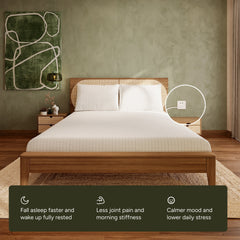
Grounding (or earthing) involves making conductive contact with the Earth to balance the body’s electrical state—traditionally by walking barefoot on grass or sand, and practically indoors with grounded materials. Emerging research and user reports suggest potential grounding therapy benefits, including improved sleep quality, reduced perceived stress, and relief from aches associated with tension. Terra Therapy enables earthing for wellness at home through options like fitted grounding bedsheets, bed mats, and starter kits, making daily practice feasible even in urban settings or colder seasons.
Grounding is one piece of a broader toolkit of alternative anxiety relief methods and holistic stress reduction techniques you can use alone or in combination:
- Breathing protocols (e.g., 4-7-8 or cyclic sighing) to downshift heart rate and calm the vagus nerve.
- Mindfulness or CBT micro-skills (labeling thoughts, cognitive reframing) during spikes of worry.
- Movement: a 20–30 minute brisk walk, yoga, or light strength work to lower cortisol and improve mood.
- Nature exposure and light hygiene—morning daylight and evening screen curfews to stabilize circadian rhythm.
- Sleep foundations: consistent wake time, cool/dark bedroom, and caffeine cutoffs before noon.
In practice, consistency matters more than intensity. Grounding during sleep via a bed sheet or mat can give you eight hours of passive support, while daytime practices add targeted relief. For additional context on building a sustainable plan for Natural chronic stress relief, we’ll next compare mechanisms, evidence, and trade-offs between earthing and other methods.
Overview of Traditional Stress Management Methods
Conventional approaches span lifestyle changes, talk therapies, mind–body practices, and when appropriate, clinical interventions. Many people start with natural stress relief solutions that build resilience over time, then layer other supports as needed. The goal is to reduce physiological arousal, change unhelpful thought patterns, and reintroduce restorative routines.
Evidence-based psychotherapies like cognitive behavioral therapy (CBT) help people identify triggers, reframe catastrophic thinking, and practice coping skills. CBT is typically structured, short-term, and can be delivered in-person or via telehealth, making it accessible for busy schedules. Counseling, group therapy, and coaching offer additional accountability and social support.
Lifestyle foundations are equally important. Regular physical activity—such as 150 minutes of moderate aerobic exercise weekly plus strength work—can lower baseline stress and improve sleep. Sleep hygiene, including consistent bed and wake times, a dark, cool bedroom, and limited evening screens, helps reset circadian rhythms. Nutrition, hydration, and moderating caffeine and alcohol further stabilize mood and energy.
Mind–body techniques translate well into daily routines. Mindfulness meditation (even 10 minutes a day), guided imagery, and progressive muscle relaxation calm the stress response. Breathwork methods like box breathing (4-4-4-4) or 4-7-8 can rapidly downshift physiology during spikes of anxiety. Yoga and tai chi combine movement with attention training to enhance body awareness and flexibility.
Practical examples you can adopt today:
- Take a 20-minute brisk walk outdoors during daylight to combine movement and light exposure.
- Use a 3-minute timed box-breathing break between meetings.
- Establish a wind-down ritual: warm shower, light stretch, journal three concerns and one action.
- Schedule a weekly social check-in to maintain supportive connections.
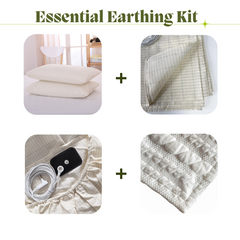
Medication (e.g., SSRIs, SNRIs) may be appropriate for some, guided by a clinician. Others prefer stress management without medication and explore alternative anxiety relief methods that complement the above. For earthing for wellness at home, some people add indoor grounding tools—such as Terra Therapy’s conductive sheets and mats, including the Essential Grounding Starter Kit—as part of holistic stress reduction techniques.
Overview of Grounding Therapy and Earthing Practices
Grounding therapy, also called earthing, is the practice of making direct skin contact with the Earth’s surface (soil, grass, sand, seawater) or using conductive materials indoors to connect to ground. The concept is that electrons from the Earth may help balance the body’s electrical state, supporting natural stress relief solutions through calmer autonomic nervous system activity and improved sleep-wake rhythms. While mechanisms are still being studied, practitioners use grounding as part of holistic stress reduction techniques that don’t rely on medication.
Common ways to practice include walking barefoot in a park, gardening with bare hands, or swimming in the ocean. For those who spend most time indoors, conductive bedsheets and mats connected to a grounded outlet provide a practical option. Terra Therapy offers fitted grounding bedsheets, bed mats, and Essential Grounding Starter Kits designed to enable indoor earthing for wellness during sleep or desk work without changing your routine.
Early studies and pilot trials have reported grounding therapy benefits such as improved sleep quality, reductions in nocturnal cortisol, enhanced heart rate variability, and decreased pain or tension in some participants. Evidence is promising but still emerging, so earthing is best viewed as stress management without medication that complements, rather than replaces, established habits like good sleep hygiene, breathwork, or cognitive-behavioral strategies. Many users adopt it as one of several alternative anxiety relief methods to create a more resilient daily routine.
Practical ways to integrate earthing:
- Spend 15–30 minutes barefoot on grass or sand in the morning light.
- Use a grounded desk mat during computer work to counter midday tension.
- Sleep on a grounded fitted sheet to support nightly recovery.
- Pair grounding with slow breathing or a body scan for compounding effects.
- Track changes in sleep or HRV with a wearable to gauge response.

When using indoor gear, confirm outlets are properly grounded and use products with built-in resistors and safety testing. Avoid grounding during thunderstorms or if electrical systems are damaged, and consult a clinician if you have implanted medical devices or specific health concerns.
Comparison: Speed of Relief and Effectiveness
When it comes to speed, different natural stress relief solutions work on different timelines. Grounding can deliver a near-immediate sensory shift—think warmth, tingling, or a calmer breathing pattern—while other practices often need more time or training. The right choice often depends on whether you need fast, in-the-moment relief or steady, cumulative benefits over days and weeks.
- Grounding therapy: Barefoot contact with the earth or using an indoor grounding mat/sheet may produce noticeable calm within 5–15 minutes, with small studies reporting acute improvements in heart-rate variability during 20–40 minutes of grounding. Consistent use overnight has been associated with better sleep quality and reduced morning stress over 1–2 weeks—key grounding therapy benefits for people who wake tense.
- Breathwork: Techniques like box breathing or 4-7-8 can downshift arousal in 1–3 minutes and are handy before meetings or bedtime.
- Exercise: Moderate aerobic activity often improves mood and tension in 20–45 minutes, with broader resilience gains after several weeks.
- Meditation/mindfulness: Novices may feel calmer after 8–12 minutes; trait-level changes typically build over 6–8 weeks.
- Massage or heat therapy: Relief typically arrives in 10–30 minutes, with effects lasting hours.
- CBT and skills training: Strong, durable effects, but usually measured in weeks to months—ideal for stress management without medication.
Effectiveness also hinges on consistency. Preliminary studies on earthing for wellness have noted improvements in sleep, perceived stress, and cortisol rhythm when grounding is practiced regularly, especially during sleep. By contrast, alternative anxiety relief methods like meditation or CBT can be highly effective but require practice and adherence to deliver lasting change.
For practical, holistic stress reduction techniques, a layered approach works well: use breathwork for rapid relief, exercise for mood regulation, and grounding as a passive daily baseline. Terra Therapy’s fitted grounding bedsheets and bed mats make indoor grounding effortless, turning nightly rest into a recovery window. Their Essential Grounding Starter Kits are a simple way to test grounding at your desk for 30 minutes daily and during sleep, then track changes in sleep quality and daytime calm.
Comparison: Cost and Accessibility Across Solutions
When comparing natural stress relief solutions, cost and convenience often determine what people actually stick with. Traditional options like counseling, classes, and supplements can work well, but they add ongoing expenses and scheduling demands. Grounding therapy offers a different profile: outdoor earthing is free, and indoor earthing uses simple equipment that requires a one-time purchase and minimal time investment.
Conventional approaches vary widely in price and access:
- Talk therapy often ranges from $100–$200 per session in the U.S., with weekly visits and potential waitlists.
- Meditation apps typically cost $60–$100 per year; yoga or fitness classes can run $15–$25 per class or $30–$80 per month for memberships.
- Supplements designed for anxiety or sleep may cost $20–$50 per month, and results can differ by individual.
- Prescription options may have insurance copays but also require doctor visits and ongoing monitoring, which doesn’t suit everyone seeking stress management without medication.
Grounding therapy stands out for accessibility. Outdoor earthing—walking barefoot on grass, sand, or soil—is free but limited by weather, daylight, and safe green space. Indoor solutions like grounding bedsheets and mats can be used passively during sleep or while working, removing time and adherence barriers. Terra Therapy offers fitted grounding bedsheets, bed mats, and essential grounding starter kits that enable earthing for wellness at home without subscriptions, providing a practical path to alternative anxiety relief methods.
Consider which scenario fits your needs:
- Tight budgets or limited free time: a grounding bed mat or bedsheet used nightly provides ongoing value with a single purchase.
- Urban living without nearby nature: indoor grounding maintains consistency year-round.
- Preference for holistic stress reduction techniques: grounding can complement breathwork, light movement, or mindfulness at negligible extra cost.
- Need for structure and coaching: therapy or classes may be worth the higher recurring cost, potentially alongside grounding to amplify perceived grounding therapy benefits.
Comparison: Long-Term Health Benefits and Sustainability
When comparing long-term health benefits and sustainability across natural stress relief solutions, the biggest differentiators are adherence, safety profile, and ongoing costs. Grounding therapy benefits reported in small studies include improved sleep quality, reductions in perceived stress and pain, and favorable shifts in heart rate variability. For people prioritizing stress management without medication, earthing is easy to maintain because it pairs with routines you already do—sleeping or working at a desk—rather than adding another time-intensive task. By contrast, some pharmacologic options can be effective but carry side-effect risks, require monitoring, and involve recurring expenses.

From a sustainability standpoint, consider how different approaches perform over time:
- Adherence: Sleep-anchored earthing (for example, a fitted grounding bedsheet) removes daily decision-making, which often improves consistency compared with apps, classes, or supplements.
- Cost curve: Grounding equipment is a one-time purchase, while therapy sessions, prescriptions, or adaptogens are ongoing; pairing earthing with periodic counseling or mindfulness can stretch budgets further.
- Environmental footprint: Reusable textiles and mats create less packaging waste than single-use bottles or sachets; they also consume no power during use.
- Accessibility: Indoor earthing supports urban residents or those with mobility limits who can’t reliably access green space; it can complement outdoor barefoot time when available.
Grounding also layers well with other holistic stress reduction techniques. Many people combine earthing for wellness with breathwork, psychotherapy, or exercise—alternative anxiety relief methods that build coping skills and resilience. A practical example: use a grounding bedsheet at night to support restful sleep, then a 10-minute midday walk or brief meditation to reinforce daytime regulation.
If you’re evaluating options, start with approaches that are low-friction and measurable. Terra Therapy’s fitted Grounding Bedsheets, Bed Mats, and Essential Grounding Starter Kits make it simple to test earthing at home, then track outcomes like sleep duration, morning mood, and perceived stress over several weeks. Use a sleep app or journal to capture changes, and consult your clinician before adjusting any medications while you explore natural stress relief solutions.
Pros and Cons of Traditional Stress Relief Approaches
Traditional approaches to stress relief range from psychotherapy and medication to lifestyle changes like exercise and mindfulness. Many are evidence-based and effective, yet they can be time-intensive, costly, or difficult to maintain, prompting interest in natural stress relief solutions. For people seeking stress management without medication or wanting to complement care plans, it helps to weigh specific trade-offs.
- Psychotherapy (e.g., CBT): Builds coping skills and reframes catastrophic thinking with lasting benefits. Cons include weekly sessions, waitlists, and variable insurance coverage.
- Prescription medications (SSRIs/SNRIs; short-term benzodiazepines): Can reduce severe symptoms and stabilize mood. Side effects, tapering needs, and potential dependence (with benzos) are real considerations.
- Mindfulness and meditation: Low-cost and accessible, improving attention, HRV, and emotional regulation with 10–20 minutes daily. Effects depend on consistency and may feel slow during acute spikes.
- Exercise: Enhances mood and sleep; ~150 minutes weekly supports resilience. Time, injuries, or overtraining can become barriers.
- Sleep hygiene: Foundational for stress tolerance (regular schedule, light control, caffeine limits). Shift work, parenting, and device habits can undermine results.
- Supplements/herbs (magnesium, ashwagandha, chamomile): Convenient and perceived as gentle. Quality varies, interactions exist, and evidence ranges from promising to preliminary.
- Body-based modalities (yoga, massage, acupuncture): Promote relaxation and parasympathetic activity. Benefits may be session-dependent and add recurring costs.
- Breathing techniques and digital boundaries: 4-7-8 breathing or screen curfews offer immediate relief. Easy to start, but easy to abandon without structure.
As you assemble holistic stress reduction techniques, consider grounding as one of the alternative anxiety relief methods. Early research suggests potential grounding therapy benefits for sleep quality, autonomic balance, and perceived stress—an approachable form of earthing for wellness. Terra Therapy’s grounding bedsheets and mats make consistent indoor earthing simple, supporting stress management without medication and complementing the practices above.
Pros and Cons of Grounding Therapy for Stress Management
Grounding therapy (earthing) is increasingly explored as one of the natural stress relief solutions for people seeking calmer moods and better sleep. The idea is that skin contact with the Earth’s surface may influence the autonomic nervous system and circadian rhythms, which could ease tension and support recovery. While early studies and user reports point to grounding therapy benefits, the evidence base is still developing and results vary by individual.
Key advantages include:
- A non-pharmacological approach to stress management without medication, with minimal known side effects when practiced correctly.
- Sleep support, as small trials have linked grounding to improved sleep quality and normalized cortisol patterns, which can ease nighttime restlessness.
- Practical consistency: products like Terra Therapy’s fitted grounding bedsheets and bed mats enable earthing for wellness indoors—overnight or under your desk—so it fits seamlessly into daily routines.
- Compatibility with holistic stress reduction techniques, including mindful breathing, gentle stretching, or evening digital detox, potentially enhancing overall relaxation.
- Cost-efficiency over time compared to recurring supplements or services, especially when used daily.

Potential drawbacks to weigh:
- Limited large-scale research; most studies are small or preliminary, so expectations should be modest and benefits may be subtle.
- Not a substitute for clinical care—moderate to severe anxiety or insomnia may still require therapy or medical guidance alongside alternative anxiety relief methods.
- Setup matters: indoor grounding requires a properly grounded outlet, avoiding power strips, and maintaining direct skin contact (thick socks or layers can reduce conductivity).
- Consistency is key; some people report noticeable changes only after several weeks of daily use.
- Context and safety: avoid outdoor earthing during storms, and consult a clinician if you have implanted medical devices or complex health conditions before starting any new wellness practice.
How Grounding Therapy Complements Other Natural Methods
Grounding pairs naturally with practices you may already use, creating a layered routine that’s greater than the sum of its parts. As one of the most accessible natural stress relief solutions, earthing adds a steady, calming input you can stack with sleep hygiene, breathwork, movement, and time outdoors. This earthing for wellness approach supports the nervous system while keeping your routine simple and sustainable.
For sleep, use a fitted grounding bedsheet to stay connected overnight while maintaining a consistent bedtime, a cool dark room, and a caffeine curfew. Terra Therapy’s fitted sheets and bed mats make it easy to bring this into a busy life, especially if you can’t get outside daily. Many people find the combo helps them fall asleep faster and wake less often, which can compound over time.
During mindfulness practices, place a grounding mat under your feet or sit bones while you do 10 minutes of diaphragmatic or box breathing. This anchors attention and may help downshift from fight-or-flight, making it one of the gentler alternative anxiety relief methods. Try pairing an evening breath session on a mat with dim lights to smooth the transition into bedtime.
Movement and recovery also sync well with earthing. Do slow yoga or stretching on a grounding mat, or take a barefoot walk on grass after training to decompress and support circulation. For desk workers, a mat underfoot during long sessions offers all-day contact and can be part of stress management without medication.
Practical stacks to try:
- Sleep optimization: Terra Therapy fitted sheet + cool, dark room + 30 minutes of screens-off before bed to amplify grounding therapy benefits.
- Calm focus block: 10 minutes of 4-7-8 breathing on a Terra Therapy mat + herbal tea for a steady pre-meeting reset.
- Active recovery: Gentle yoga flow on a mat + magnesium-rich meal to ease muscle tension and support overall balance.
- Nature microdose: Midday barefoot lawn walk + sunlight exposure to reinforce circadian cues and holistic stress reduction techniques.
- Easy entry: Terra Therapy’s Essential Grounding Starter Kit for an all-in-one setup you can use in bed, at your desk, or during meditation.
Key Differences in Implementation and Daily Practice
How you put a method into practice each day often determines whether it sticks. Among natural stress relief solutions, grounding requires less scheduling and skill-building than many traditional techniques, making it easier to weave into routines you already have. For people seeking stress management without medication, the implementation details matter as much as the theory.
Grounding can be largely passive. With a fitted grounding bedsheet or bed mat from Terra Therapy, you connect a cord to a properly grounded outlet and maintain skin contact while you sleep or sit. This enables earthing for wellness during hours you already spend at rest, potentially compounding grounding therapy benefits without adding to your to-do list. An outlet tester and simple care instructions (like washing on gentle, avoiding fabric softeners) keep the setup straightforward.
Traditional approaches often require active, time-specific practice. Meditation, breathwork, or yoga typically ask for 10–30 minutes of focused attention, a quiet space, and consistency to see results. Counseling or group programs offer alternative anxiety relief methods, but come with appointment logistics, higher upfront effort, and learning curves that can affect adherence.
Key differences in daily practice include:
- Time demand: Grounding can run in the background (e.g., 7–8 hours overnight) versus scheduled sessions for exercise or mindfulness.
- Learning curve: Minimal for grounding; moderate for techniques that require instruction or coaching.
- Environment: Grounding works indoors with conductive products; movement or meditation may need space and privacy.
- Consistency: Passive contact supports daily use; active methods can be harder to maintain during busy periods.
- Feedback: Some users report quicker sleep and tension changes with grounding; cognitive methods may show gradual gains over weeks.
A layered plan can be effective. Use a Terra Therapy Essential Grounding Starter Kit for easy indoor earthing, then pair it with short, active practices—such as a five-minute breathing drill—to build holistic stress reduction techniques you can sustain. This practical blend prioritizes daily feasibility and supports long-term resilience.
Conclusion: Choosing the Right Stress Relief Solution for Your Needs
Choosing among natural stress relief solutions starts with clarifying your goals and constraints. For many, a layered approach works best: foundational habits like consistent sleep, movement, and breathwork, complemented by targeted tools you can realistically maintain. If you’re seeking stress management without medication, pairing behavioral strategies with low-effort practices you can implement daily often yields the most reliable results.
Grounding can fit alongside alternative anxiety relief methods such as mindfulness, therapy, and exercise. Its distinct advantage is practicality: a fitted sheet or mat can passively support relaxation and sleep routines while you rest or work. While evidence is emerging and individual responses vary, reported grounding therapy benefits include improved sleep quality and calmer mood; consider it one piece of holistic stress reduction techniques rather than a standalone cure.
Use this quick decision checklist to tailor your plan:
- Primary aim: Better sleep, lower anxiety spikes, or easing muscle tension/pain?
- Lifestyle fit: Do you prefer passive supports (e.g., a bed sheet) or active practices (e.g., daily meditation)?
- Budget and consistency: Can you invest once in a device you’ll use nightly, or commit time to classes/sessions?
- Environment: Long desk hours, travel, or limited outdoor access may favor indoor earthing for wellness.
- Feedback loop: Track sleep duration, perceived stress (1–10 scale), and energy for 2–4 weeks to evaluate impact.
For a desk-based professional with racing thoughts at night, a combination might look like 10 minutes of box breathing, a 20-minute afternoon walk, and a grounded sleep setup. Terra Therapy offers fitted grounding bedsheets, bed mats, and Essential Grounding Starter Kits designed to make indoor earthing simple to try at home. Start small—such as a bed mat—monitor your sleep and daytime calm, and continue layering practices that prove effective; consult a healthcare professional if you have medical devices or specific health concerns.