



Understanding Immune System Vitality
Immune vitality is the body’s ability to recognize threats, respond efficiently, and return to balance without tipping into chronic inflammation. It relies on two complementary arms: innate defenses that act within minutes, and adaptive defenses that learn, remember, and fine‑tune responses over time. A natural immune vitality boost centers on supporting this balance, not overstimulating it.
Your natural defense mechanisms include:
- Physical and chemical barriers: skin, mucous membranes, stomach acid, and the mucociliary “escalator” that sweeps airways.
- Microbiome guardians: beneficial bacteria in the gut, mouth, and skin help crowd out pathogens and train immune tolerance.
- Rapid responders: neutrophils, macrophages, and natural killer cells that contain threats early.
- Coordinators and signals: cytokines, fever, and acute inflammation that recruit help, then resolve when the job is done.
- Repair and resilience systems: antioxidants, sleep-driven cellular cleanup, and nutrient-dependent pathways that restore tissues.
- Lymphatic circulation: movement and diaphragmatic breathing that help immune cells traffic and waste products clear.
What erodes this system? Chronic stress and poor sleep elevate cortisol and disrupt circadian rhythms that coordinate immune cell patrols. Ultra-processed diets can leave gaps in vitamin D, zinc, selenium, and omega‑3s. Inactivity slows lymph flow, while excessive alcohol, tobacco, and polluted air increase oxidative stress. Dehydration dries mucosal barriers that form the first line of defense.
To strengthen immunity naturally with practical, holistic immune health habits:
- Prioritize sleep: aim for 7–9 hours on a consistent schedule; a cool, dark, quiet room improves deep sleep. Indoor earthing options (e.g., grounded bedsheets or mats) are used by many to calm the nervous system and support sleep quality; early studies suggest shifts in autonomic balance and inflammation markers, though more research is warranted.
- Regulate stress: 5 minutes of slow nasal breathing (about 6 breaths per minute), brief mindfulness sessions, and regular time in nature lower sympathetic overdrive that can blunt immune surveillance.
- Feed your defenses: include protein at each meal; colorful produce for polyphenols; citrus, kiwi, and bell peppers for vitamin C; eggs and fatty fish for vitamin D; oysters, pumpkin seeds, and Brazil nuts for zinc and selenium; and fermented foods (yogurt, kefir, kimchi) plus prebiotic fibers (onions, garlic, bananas, oats) for microbiome support.
- Move daily: 20–30 minutes of brisk walking most days plus two strength sessions weekly; gentle mobility and diaphragmatic breathing aid lymph flow. Avoid exhaustive training during or immediately after illness.
- Seek smart light exposure: morning daylight anchors circadian rhythms; midday sun can help maintain vitamin D depending on skin tone and latitude—use sun protection as needed.
- Support barriers: regular handwashing, nasal saline rinses in high-exposure seasons, adequate hydration, and humidification in dry environments help keep mucosa effective.
Together, these strategies provide comprehensive immune system support by aligning lifestyle with the body’s natural defense mechanisms. They help cultivate resilience, so your system can respond when needed and stand down when the job is done.
Nourishing Your Body for Immunity
Food, light, movement, and rest are the raw materials your immune cells use to patrol, repair, and communicate. A natural immune vitality boost starts with steady nutrients, stable blood sugar, restorative sleep, and stress-lowering practices that keep inflammation in check without blunting your body’s natural defense mechanisms.
Prioritize immune-critical nutrients and where to find them:
- Protein: Builds antibodies and immune cells. Aim for 0.8–1.2 g/kg/day from fish, eggs, legumes, tofu, Greek yogurt.
- Vitamin C: Supports barrier integrity and white blood cell function. Citrus, kiwi, bell peppers, broccoli; most adults need 75–90 mg/day.
- Vitamin D: Modulates immune responses. Safe sun exposure, fatty fish, fortified foods; many adults benefit from testing and targeted supplementation (often 600–800 IU/day under guidance).
- Zinc: Aids pathogen defense and wound healing. Oysters, beef, pumpkin seeds, chickpeas; 8–11 mg/day for most adults.
- Selenium: Antioxidant protection. Brazil nuts (1–2 can meet needs), tuna, eggs; avoid exceeding 400 mcg/day.
- Omega-3s (EPA/DHA): Help resolve inflammation. Salmon, sardines, mussels, algae-based oils.
- Polyphenols: Feed beneficial microbes and temper oxidative stress. Berries, olive oil, cocoa, green tea, herbs/spices.
Feed your microbiome. Aim for 25–38 g/day of fiber from beans, oats, chia, leafy greens, and colorful produce. Include prebiotic-rich foods such as onions, garlic, leeks, asparagus, and underripe bananas. Add fermented foods (yogurt, kefir, sauerkraut, kimchi) to diversify microbes tied to immune system support.
Hydrate to protect mucosal barriers that trap pathogens. Water, broths, and herbal teas count; use pale-yellow urine as a simple gauge. Build meals that stabilize glucose—think protein + fiber + healthy fat—to strengthen immunity naturally by avoiding blood sugar swings that can promote inflammatory signaling.
Protect sleep, a powerful immune modulator. Most adults need 7–9 hours with a consistent schedule, morning light, a caffeine cutoff 8 hours before bed, and a wind-down routine. Emerging research suggests that earthing—direct contact with the Earth—may improve sleep quality and normalize cortisol rhythms. Terra Therapy’s grounding bedsheets and mats enable indoor earthing during the night, which many users find helpful as part of holistic immune health.
Lower chronic stress to prevent immune suppression. Try 2–5 minutes of box breathing, a short walk in nature, or light stretching between tasks. If you can’t get outdoors daily, grounding with Terra Therapy mats at your desk or bedside offers a practical way to downshift the nervous system and support your body’s natural defense mechanisms.
Move regularly without overtraining. Accumulate 150 minutes/week of moderate activity plus two sessions of strength work. Outdoor daylight also helps vitamin D status and circadian alignment.
Simple meal ideas: kefir-berry–spinach smoothie with chia; lentil-vegetable soup and a mixed-greens salad with olive oil; grilled salmon, quinoa, and broccoli; snacks of pumpkin seeds or an apple with peanut butter.

The Critical Role of Restful Sleep
Quality sleep is one of the most reliable levers for a natural immune vitality boost. Adults who consistently reach 7–9 hours tend to have stronger antibody responses to vaccines and fewer respiratory infections, while short sleep impairs natural defense mechanisms by disrupting cytokine balance and elevating stress hormones.
During deep, slow‑wave sleep, the body consolidates “immunological memory,” helping T cells and other immune cells coordinate more effectively. Aligned circadian rhythms also support melatonin release and lower evening cortisol—conditions that favor immune system support and tissue repair. In contrast, irregular bedtimes, late caffeine, and blue light exposure can fragment sleep, heighten inflammation, and leave you more susceptible to illness.
Practical ways to strengthen immunity naturally through better sleep:
- Keep a consistent schedule: Wake and sleep within the same 30–60-minute window daily, even on weekends.
- Get morning light: 5–20 minutes of outdoor light soon after waking anchors your circadian clock and improves nighttime melatonin.
- Build a 60-minute wind‑down: Dim lights, disconnect from stimulating media, and use calming routines (reading, stretching, breathwork).
- Optimize your environment: Cool (60–67°F/15–19°C), dark, and quiet. Consider blackout curtains, white noise, and a comfortable mattress and pillow.
- Time stimulants: Limit caffeine after midday and avoid nicotine in the evening. Keep alcohol light and early; it fragments deep sleep.
- Eat smart at night: Finish large meals 2–3 hours before bed. If needed, a light snack with protein and complex carbs can prevent waking hungry.
- Move daily, but not too late: Moderate exercise in the morning or afternoon improves sleep depth; save high‑intensity work for earlier in the day.
- Use brief naps strategically: 10–20 minutes before mid‑afternoon can restore alertness without harming nighttime sleep.
- Manage stress: Short, evidence‑based practices—such as paced breathing (4–6 breaths per minute), progressive muscle relaxation, or journaling—lower pre‑sleep arousal.
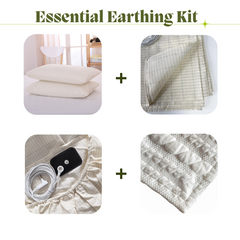
For those exploring holistic immune health tools, consistent sleep routines may be complemented by relaxation aids that fit your lifestyle. Terra Therapy’s fitted Grounding Bedsheets, Bed Mats, and Starter Kits enable indoor earthing practices that some users find calming before bed. Early, small studies and user reports suggest grounding may help with perceived sleep quality and stress, though more robust research is needed. If you find that grounding helps you relax and fall asleep more easily, it can be a practical part of a broader sleep hygiene plan.
A simple example: dim lights at 9:00 p.m., 10 minutes of gentle stretching and nasal breathing, devices off by 9:30, and lights out at 10:00. Repeat nightly. Consistency turns sleep into a foundation for immune system support, helping you strengthen immunity naturally as part of your overall wellness routine.
Effective Strategies for Stress Reduction
Chronic stress keeps cortisol elevated, which can disrupt sleep, mood, and immune cell activity. Calming the stress response is one of the most reliable ways to create a natural immune vitality boost by supporting your body’s natural defense mechanisms.
- Practice breath-based resets. Two to five minutes can shift your nervous system toward calm. Try box breathing: inhale 4 seconds, hold 4, exhale 4, hold 4, for 6–8 rounds. Or use the “physiological sigh”: two quick inhales through the nose, one long exhale through the mouth, repeated 5–8 times. These techniques lower heart rate and perceived stress, aiding immune system support.
- Build a brief daily mindfulness habit. Ten minutes of focused attention on the breath or a guided body scan reduces rumination and improves emotional regulation. Mindfulness training has been associated with healthier inflammatory profiles and better antibody responses after vaccination in some studies, helping strengthen immunity naturally.
- Move regularly, but moderately. Aim for 20–30 minutes of brisk walking, cycling, yoga, or tai chi most days. Consistent moderate activity lowers baseline stress and enhances immune surveillance, while overtraining can have the opposite effect. Desk day tip: every 60–90 minutes, do a 3-minute circuit (10 squats, 10 desk push-ups, 30-second stretch).
- Protect sleep with a wind-down routine. Go to bed and wake at consistent times, dim lights 60 minutes before bed, and keep the room cool and dark. Limit caffeine after midday and alcohol close to bedtime. Tactile cues such as a weighted blanket, soft music, or indoor earthing/grounding (e.g., a grounded bed mat or bedsheet used as part of your routine) can promote relaxation and more stable sleep—key pillars of holistic immune health.
- Get light and nature exposure. Morning daylight anchors circadian rhythms, and 20–30 minutes in green spaces is linked to lower cortisol and improved mood. If outdoor time is limited, bring nature indoors with plants, natural light, and brief barefoot contact with safe natural surfaces when possible; some people also incorporate grounded mats at their workspace to create a calming, mindful pause.
- Nourish stress resilience. Favor steady-blood-sugar meals (protein, fiber, healthy fats). Include magnesium sources (leafy greens, pumpkin seeds), omega-3s (salmon, sardines, flax), and fermented foods (yogurt, kefir, kimchi) which support the gut-immune axis. Stay hydrated.
- Strengthen social buffers. Meaningful connection—calls with a friend, shared meals, or volunteering—reduces perceived stress and supports immune-regulating pathways.
Start small: pair two techniques (morning light + 2-minute breathwork; evening wind-down + gentle stretches) for two weeks. Consistency compounds, helping you strengthen immunity naturally through daily, doable habits.
Embracing Movement for Better Health
Regular, enjoyable movement is one of the most reliable ways to create a natural immune vitality boost. Moderate activity enhances circulation, helping immune cells survey tissues more efficiently, while also lowering chronic inflammation and improving insulin sensitivity. It balances stress hormones and supports deeper sleep—two pillars of immune resilience.
Aim for consistency over intensity. Evidence-based guidelines recommend:
- 150–300 minutes per week of moderate aerobic work (e.g., brisk walking, cycling, swimming)
- or 75 minutes of vigorous activity, if you’re conditioned
- plus 2–3 resistance sessions to maintain muscle, which releases myokines that contribute to immune system support
Don’t overlook the lymphatic system. Because it lacks a central pump, lymph flow depends on muscle contractions and breathing. Simple practices help your natural defense mechanisms:
- Walk or take the stairs whenever possible; 7,000–10,000 steps per day is a practical target
- Incorporate “movement snacks” (1–5 minutes of squats, calf raises, or mobility drills) each hour if you sit a lot
- Try gentle rebounding (light bouncing), cat–cow, spinal twists, and deep diaphragmatic breathing to mobilize lymph
- Stay hydrated to keep lymph fluid moving efficiently
Post-meal walks are a small habit with outsized benefits. Ten minutes after lunch and dinner can reduce glucose spikes, which are linked to inflammatory cascades. For those managing pain or high stress, low-impact options like tai chi, restorative yoga, or water aerobics can strengthen immunity naturally without overloading joints.
Sample week to support holistic immune health:
- 3 days Zone 2 cardio (20–40 minutes at a conversational pace)
- 2 days full-body strength (compound lifts, bodyweight circuits, or resistance bands)
- Daily mobility and breathwork (5–10 minutes upon waking or before bed)
- Short walks after meals and hourly movement breaks on workdays
- Nature time when possible—green spaces can reduce perceived stress and improve mood
Pair movement with recovery. Overreaching can transiently suppress immunity, so build in rest days, fuel with protein (about 1.2–1.6 g/kg/day, adjusted individually), and prioritize sleep. Exercising earlier in the day helps some people fall asleep more easily.

If barefoot time outdoors isn’t feasible, you can still combine gentle stretching or breathwork with indoor earthing. Terra Therapy’s grounding mats allow contact with a grounded surface while you work at a standing desk or unwind on the floor. Some early studies and user reports suggest grounding may support relaxation and sleep quality—factors that indirectly bolster immune function. Grounding bedsheets can also be part of a wind-down routine to improve sleep consistency, reinforcing the benefits of a well-rounded movement plan.
Environmental Connections to Wellness
Your surroundings shape how well your body defends itself. Light exposure, air quality, contact with natural surfaces, noise, and even indoor humidity influence sleep, stress physiology, and mucosal barriers—core levers for a natural immune vitality boost.
Prioritize daylight and darkness. Bright morning light anchors circadian rhythms that coordinate immune signaling. Aim for 10–20 minutes of outdoor light within an hour of waking, even on cloudy days. After sunset, reduce blue-enriched light from screens, use warmer bulbs, and keep bedrooms dark and cool. Consistent light timing supports sleep architecture tied to immune system support.
Breathe cleaner, optimally humidified air. Fine particles, smoke, and ozone can irritate airways and undermine the body’s natural defense mechanisms. Improve ventilation by opening windows when outdoor air is good, or run mechanical ventilation on “fresh air” mode. Use a HEPA purifier where you spend the most time. Maintain indoor humidity between 40–60% to help nasal and bronchial linings trap pathogens and to reduce the persistence of viral aerosols. A hygrometer and a small humidifier/dehumidifier can keep this range steady.
Seek contact with green spaces. Time in parks or forests is linked with lower cortisol and improved heart rate variability, both associated with holistic immune health. Preliminary studies on forest bathing suggest transient increases in natural killer cell activity. Practical options include a daily walk under trees, weekend trails, or gardening—activities that also diversify environmental microbiome exposure through soil and plant contact.
Consider earthing when practical. Ground contact—such as barefoot time on grass, soil, or sand—has been explored in small studies, with reports of improved sleep quality, reduced perceived stress and pain, and shifts in autonomic balance. While research is still emerging, better sleep and lower stress are established ways to strengthen immunity naturally. If outdoor barefoot time isn’t feasible, indoor options like fitted grounding bedsheets or grounding mats can provide a convenient way to experiment. Use only properly grounded outlets and follow manufacturer guidance; avoid outdoor barefooting in unsafe areas.
Mind noise and temperature. Chronic noise elevates stress hormones; use soft furnishings, door seals, or white noise at night. Keep bedrooms cool (about 60–67°F/15–19°C) to support deeper sleep cycles.
Simple daily routine to stack benefits:
- Morning: outdoor light, open windows briefly, hydrate.
- Midday: 15–30 minutes in a park; lunch away from screens.
- Work: sit or stand with a grounding mat if you choose to try earthing; run a HEPA purifier nearby.
- Evening: warm, dim lighting; limit screens 1–2 hours before bed.
- Night: cool, dark, quiet room; consider a fitted grounding bedsheet to support sleep.
These environmental shifts work together to reduce allostatic load, reinforce circadian alignment, and support the body’s natural defense mechanisms—key pathways to durable, natural immune vitality.
Integrating Holistic Immune Support
A practical way to achieve a natural immune vitality boost is to align daily habits that support sleep, stress regulation, nutrient density, movement, light exposure, and contact with nature. Small, consistent actions compound, creating steady immune system support without overwhelm.
Prioritize sleep. Aim for 7–9 hours with a consistent wake time, morning light within 30–60 minutes of waking, and a cool, dark room at night. Short sleep impairs natural killer cell function and increases inflammatory signaling, so treat bedtime like an appointment. Keep the bedroom 60–67°F, dim screens 90 minutes before bed, and limit alcohol late in the evening.
Train your nervous system to relax on cue. Two to three short “parasympathetic breaks” per day—such as 5 minutes of slow nasal breathing (inhale 4, exhale 6), a brief mindfulness check-in, or a quiet walk—help lower stress hormones linked to immune suppression. Grounding can be added here: barefoot time outdoors when possible, or indoor earthing. Terra Therapy’s grounded bedsheets provide overnight skin contact, while a desk mat under your keyboard offers daytime contact. Early, small studies suggest grounding may influence cortisol rhythms and heart rate variability—markers related to stress—and many users report better sleep and relaxation, which can strengthen immunity naturally through improved recovery.
Build immune-resilient plates. Center each meal on protein (about 20–40 g for most adults) with colorful plants and healthy fats:

- Vitamin C: citrus, kiwi, bell peppers
- Zinc: oysters, beef, pumpkin seeds, chickpeas
- Vitamin D: sun exposure as appropriate, fortified dairy, fatty fish
- Selenium: Brazil nuts, tuna, eggs
- Omega-3s: salmon, sardines, flax and chia
Include 1–2 fermented foods daily (yogurt, kefir, kimchi) and 25–38 g fiber to nourish the microbiome, a key pillar of holistic immune health. Stay well hydrated.
Move most days. Target 150 minutes of moderate aerobic activity weekly plus two strength sessions. Brisk outdoor walks combine gentle cardio, light exposure, and nature contact without overtaxing your system; avoid abrupt, exhaustive training spikes that can temporarily dampen natural defense mechanisms.
Optimize your environment. Maintain indoor humidity around 40–60% to support nasal and airway defenses. Improve ventilation, change filters regularly, and consider a HEPA purifier if air quality is poor. Get midday sunlight when feasible, and practice good hand hygiene.
Try a simple stack:
- Morning: light exposure + 5 minutes breathing
- Midday: 10–20 minute outdoor walk
- Evening: digital sunset + Terra Therapy grounded bedsheet
- Anytime: water + protein-forward meals and fermented foods
These practices complement—not replace—medical care. Work with your clinician on vaccinations, medications, and labs while using these strategies for comprehensive immune system support.
Sustaining Robust Immune Defenses
A sustainable plan for immune resilience is built from consistent, evidence-informed habits. Focus on the fundamentals that deliver a natural immune vitality boost day after day, then layer supportive tools that help you keep those habits going.
Prioritize sleep. Aim for 7–9 hours with a regular schedule, a cool, dark room, and morning daylight exposure to align your circadian rhythm. Limit alcohol and heavy meals within three hours of bedtime. If outdoor barefoot time isn’t practical, indoor earthing can support relaxation routines: many people integrate a grounded bedsheet or bed mat during sleep to help them unwind and fall asleep more easily. Better sleep is one of the most reliable forms of immune system support.
Nourish consistently. The immune system relies on steady inputs:
- Protein: Include protein at each meal (eggs, yogurt, legumes, fish, poultry) to support antibody production.
- Micronutrients: Emphasize vitamin C (citrus, kiwi, peppers), zinc (seafood, beans, pumpkin seeds), and vitamin D (fatty fish, fortified dairy; consider testing levels and supplementing if deficient).
- Gut health: Feed beneficial microbes with fiber (vegetables, oats, beans) and fermented foods (yogurt, kefir, sauerkraut). A diverse microbiome helps regulate inflammation and natural defense mechanisms.
- Smart hydration: Water, broths, and herbal teas keep mucosal surfaces resilient.
Move most days, but don’t overdo it. Moderate aerobic activity (about 150 minutes per week), two brief strength sessions, and regular walking support circulation and immune cell surveillance. Short walking “snacks” after meals and one Zone 2 session (where conversation is comfortable) are practical ways to strengthen immunity naturally. Avoid extreme, unaccustomed efforts when run down, which can temporarily suppress defenses.
Regulate stress. Chronic stress elevates cortisol and disrupts sleep, undermining holistic immune health. Practical resets include:
- 5 minutes of slow, nasal breathing (inhale 4 seconds, exhale 6 seconds)
- 10 minutes outdoors in greenery or sunlight
- A “digital sunset” 60 minutes before bed
- Grounding indoors: sit with a grounding mat under your feet for 30–60 minutes while reading or working to encourage calm. Many users pair this with evening tea to cue wind-down.
Mind your environment. Aim for indoor humidity around 40–60% to support airway defenses, improve ventilation, and wash hands regularly. In dry seasons, saline nasal spray can help maintain mucosal integrity. Staying current with recommended vaccinations adds another layer of protection.
Small, repeatable actions—quality sleep, nutrient-rich meals, daily movement, stress regulation, and supportive tools like indoor earthing—work together to maintain robust defenses over the long term.