


Introduction to Grounding and Its Role in Modern Wellness
In today’s always-on environment, many people are exploring grounding for stress relief as a simple way to counter digital fatigue, poor sleep, and chronic tension. Grounding—also called earthing—means making direct, conductive contact with the Earth to equalize your body’s electrical charge. Interest has grown because it’s accessible, non-pharmacological, and can be practiced indoors with conductive fabrics and mats.
Early research and user reports suggest grounding may influence the autonomic nervous system and reduce markers of stress, with some small studies noting smoother cortisol rhythms and better sleep quality. The working hypothesis is that the Earth’s surface electrons can help neutralize excess charge and reduce low-grade inflammation, which often tracks with stress and mood disturbances. While findings are preliminary and not a medical cure, the approach fits well into a broader, lifestyle-first wellness strategy.
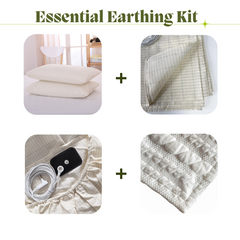
Grounding mats and bedsheets bring the outside in by connecting conductive materials to a verified ground point, allowing contact while you work or sleep. Terra Therapy provides fitted grounding bedsheets, grounding bed mats, and Essential Grounding Starter Kits designed for reliable, comfortable use at home. These solutions aim to make earthing for mood enhancement and recovery practical for busy routines.
Potential benefits of grounding mats reported by users and small studies include:
- Calmer pre-sleep state and the ability to improve sleep with grounding over time
- Reduced perceived stress and muscle tension, supporting grounding therapy for anxiety alongside counseling or mindfulness
- Fewer pain flares and faster post-activity recovery, which can indirectly lift mood
- Subtle boosts in daytime energy and clarity, supporting more consistent self-care
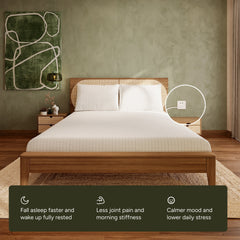
Practical examples help illustrate how to get started. At night, a Terra Therapy Fitted Grounding Bedsheet connects to a grounded outlet or grounding rod; maintaining skin contact (e.g., legs or back) throughout sleep is key. During the day, a desk mat under bare feet or wrists can support steady contact during computer work, offering the benefits of grounding mats without changing your schedule.
For best results, pair grounding with other natural stress relief techniques such as breathwork, morning light exposure, and gentle movement. Many wellness seekers rotate between indoor grounding and brief outdoor barefoot sessions on grass or soil when available. Grounding is not a replacement for medical care, but when used consistently and safely, it can be a low-effort tool for stress load management and earthing for mood enhancement.
The Science of Earthing: How Connecting with the Earth Affects the Nervous System
Stress is mediated by your autonomic nervous system, which constantly toggles between sympathetic “fight-or-flight” and parasympathetic “rest-and-digest” modes. Grounding (earthing) involves direct skin contact with the Earth or a conductive surface connected to ground and may help shift this balance toward parasympathetic calm. For many people, grounding for stress relief feels like lowering the volume on background nervous system noise, easing muscle tension and quieting a racing mind.
Several small clinical and pilot studies suggest plausible mechanisms. The Earth carries a stable negative potential, and contact appears to allow a subtle flow of electrons that can reduce excess electrical charge on the body, which may dampen sympathetic arousal. Researchers have observed changes consistent with improved autonomic balance, including increased heart rate variability (HRV) and more normalized 24-hour cortisol patterns alongside reductions in perceived stress. While evidence is preliminary and not a substitute for medical care, the trends align with how people describe feeling after earthing sessions.
Sleep is a major downstream beneficiary because cortisol rhythm and nervous system tone shape how quickly you fall asleep and how deeply you stay asleep. Early studies report shorter sleep onset, fewer nighttime awakenings, and better morning alertness in some grounded participants, which may help improve sleep with grounding. Better sleep in turn supports emotional regulation, making earthing for mood enhancement a practical adjunct to therapy, exercise, and other natural stress relief techniques.
The benefits of grounding mats are largely about consistency and convenience, enabling indoor contact while you work or relax. A mat under your bare feet at a desk or a fitted bedsheet that maintains contact overnight can extend exposure without effort. Terra Therapy’s Fitted Grounding Bedsheets, Grounding Bed Mats, and Essential Grounding Starter Kits are designed to create reliable, comfortable contact with a proper ground, making day-and-night practice easy to maintain.

To gauge nervous system effects, track simple markers over two to four weeks:
- Perceived stress and anxiety ratings (e.g., a quick 1–10 scale)
- Sleep onset time, nighttime awakenings, and morning energy
- Resting heart rate and HRV if you use a wearable
- Muscle tension or pain flare frequency
- Afternoon slump intensity and evening calmness
If you’re exploring grounding therapy for anxiety, consider it an adjunct to evidence-based care, and consult your clinician if you have implanted medical devices or specific health conditions. When paired with breathwork, daylight exposure, movement, and a consistent sleep schedule, tools from Terra Therapy can help make grounding for stress relief a stable part of your routine.
Reducing Cortisol: The Link Between Grounding and Stress Management
Cortisol is your body’s primary stress hormone, and when it stays elevated, it can disrupt sleep, increase anxiety, and blunt mood. Preliminary studies suggest that sleeping grounded can help normalize cortisol’s 24-hour rhythm, with participants reporting less nighttime restlessness, fewer awakenings, and calmer mornings. This is where grounding for stress relief becomes practical: by maintaining subtle contact with the Earth’s electrical potential through a mat or bedsheet, some users notice steadier energy and improved sleep quality over a few weeks.
How might this work? Proposed mechanisms include a shift toward parasympathetic (rest-and-digest) dominance and improved heart rate variability, both tied to stress resilience. Grounding may also reduce accumulated body voltage from indoor environments, which some researchers associate with heightened sympathetic arousal. Together, these effects can support earthing for mood enhancement by easing the physiological “always on” state that fuels irritability and worry.
To apply this at home, prioritize consistent, low-effort contact. Many people start by sleeping on a grounded surface nightly and adding a desk mat during the day—an easy routine for busy professionals. Terra Therapy’s fitted grounding bedsheets and bed mats are designed to enable indoor earthing without changing your schedule, making it simple to test whether you sleep better and feel calmer after two to four weeks.
A few practical tips can elevate results and safety:
- Use a properly grounded outlet and the included continuity tester before first use.
- Aim for longer, continuous sessions (overnight is ideal) to support circadian cortisol patterns.
- Stay hydrated and keep a regular sleep-wake schedule to amplify benefits.
- If you use an implanted medical device or have specific health concerns, consult your clinician first.
Grounding therapy for anxiety works best as part of a broader plan. Combine it with natural stress relief techniques such as slow breathing (4-6 breaths per minute), morning sunlight exposure, a caffeine cutoff 8 hours before bed, and gentle evening movement. Many users of Terra Therapy’s Essential Grounding Starter Kits report that improved sleep with grounding is the first change they notice; the next is a quieter baseline—fewer stress spikes, steadier mood, and more energy to meet the day.
Mood Enhancement: How Negative Ions and Earth Energy Influence Well-being
Mood is closely tied to how your nervous system manages stress, how well you sleep, and the level of background inflammation in your body. Emerging research suggests two nature-linked inputs—exposure to negative air ions and direct electrical contact with the Earth—may support more balanced cortisol rhythms, calmer autonomic activity, and a brighter outlook. While findings are early and not a substitute for care, many people explore grounding for stress relief as a complementary approach.
Negative ions are abundant in natural settings like waterfalls, forests, and after thunderstorms. Several human studies have reported that high concentrations of negative air ions are associated with improvements in mood and perceived stress, though results are mixed and depend on dose and setting. Indoors, ion levels are often low due to sealed environments and electronics. Grounding products don’t generate negative ions; instead, they connect you to the Earth’s electrical potential, which may complement time outdoors where ion exposure is naturally higher.

Direct contact with the Earth equalizes body voltage to near-zero, a state proposed to help steady the nervous system. Small trials and pilot studies have reported changes consistent with relaxation—such as improved heart rate variability, smoother nighttime cortisol patterns, and better sleep quality—along with self-reported improvements in mood upon waking. If sleep is a key driver of your daytime outlook, you may find you improve sleep with grounding first, and mood benefits follow.
Practical ways to bring these effects into daily life include:
- Sleep: Use a fitted grounding bedsheet to stay connected overnight; consistent sleep is central to earthing for mood enhancement.
- Workday: A grounding mat under your wrists or feet can encourage calm focus during high-stress tasks, offering tangible benefits of grounding mats in modern desk setups.
- Recovery: Pair grounding with natural stress relief techniques—slow breathing, daylight exposure, gentle movement, and short barefoot walks on safe surfaces.
- Routines: Terra Therapy’s Fitted Grounding Bedsheets, Grounding Bed Mats, or Essential Grounding Starter Kits make it easier to build a simple, repeatable practice at home.
What should you expect? Many users notice subtle shifts first—less afternoon edginess, fewer “wired but tired” nights, or steadier energy—which can add up to meaningful mood resilience. Track sleep and mood in a journal for 2–4 weeks to observe patterns. Grounding therapy for anxiety and low mood is best viewed as supportive, not curative; if you live with clinical anxiety or depression, continue working with your clinician while using products like Terra Therapy’s mats and sheets as a low-effort adjunct.
Practical Ways to Incorporate Grounding into Your Daily Routine
Grounding for stress relief works best when it becomes a small, repeatable habit woven into the day. Combine brief outdoor contact with the earth when possible and reliable indoor options so you’re covered in any weather. Consistency matters more than intensity, and even short sessions can fit around work, family, and travel.
- Morning reset: Spend 10–15 minutes barefoot on grass or soil while you sip your coffee or practice deep breathing. Natural light plus earthing for mood enhancement can help set your circadian rhythm and calm the nervous system.
- At your desk: Use a grounding mat under your bare feet or wrists during computer work. Many people appreciate the benefits of grounding mats here because they enable indoor earthing without disrupting posture or workflow.
- Midday microbreaks: Take 2–3 minutes to pause, place both hands on the mat, and do box breathing (4-4-4-4). Pairing grounding therapy for anxiety with breathwork can gently lower tension before it escalates.
- Evening wind-down: Sit on a couch mat while reading or stretching to signal “off-duty” time. Dim lights and avoid stimulating content to reinforce relaxation.
- Overnight recovery: Sleep on fitted grounding bedsheets or a bed mat to improve sleep with grounding through sustained contact. Many users find that nighttime use is the easiest way to accumulate hours with no extra time cost.
- Travel plan: Pack a compact mat from an Essential Grounding Starter Kit for hotel stays. A quick outlet check maintains your routine on the road.
Stack grounding with other natural stress relief techniques for a compounding effect. Try a 10-minute walk on natural surfaces, gentle mobility work, or a short meditation while in contact with a mat. Hydration, sunlight, and consistent sleep/wake times further support earthing for mood enhancement.
Set up and safety basics help you get reliable results:
- Test outlets with a simple outlet/ground checker before plugging in a mat.
- Connect only to the grounding port; avoid using ungrounded adapters or daisy-chained extension cords.
- Maintain direct skin contact (bare feet, ankles, or forearms) for best conductivity.
- Wash grounding sheets per instructions to preserve conductive fibers; mild detergent, no fabric softener.
- If you have an implanted medical device or specific health concerns, consult your clinician before starting. Avoid using grounding products during electrical storms.
To gauge progress, track sleep and mood for 2–4 weeks. A simple journal noting bedtime, wake time, perceived stress, and energy can reveal patterns, while wearables can add objective sleep metrics. Terra Therapy’s fitted grounding bedsheets, grounding bed mats, and starter kits make it straightforward to build a routine that supports grounding for stress relief without overhauling your day.
The Role of Grounding Mats and Sheets in Indoor Earthing
Grounding mats and sheets bring the outdoors inside, creating a simple way to practice grounding for stress relief without changing your daily routine. By providing a conductive surface connected to the Earth’s electrical potential, they allow electrons to flow to your body when your skin makes contact. Many users find this consistency particularly helpful for earthing for mood enhancement, as it pairs with existing habits like sleep, work, and meditation.
These products typically use woven conductive fibers (often silver or carbon) that snap to a grounding cord, which connects to the ground port of a properly grounded outlet or a dedicated grounding rod. For best results, maintain direct skin contact; thin clothing can work, but bare skin improves conductivity. Always test your outlet first and connect only to the ground port using a certified adapter to ensure safety and effectiveness.

Common ways to integrate grounding mats and sheets into your day include:
- Sleep: Fitted sheets or bed mats provide all-night exposure to help improve sleep with grounding and support morning energy.
- Work: A desk or foot mat can take the edge off midday tension and support grounding therapy for anxiety during high-stress tasks.
- Recovery: Use a mat while reading, stretching, or meditating to layer grounding with other natural stress relief techniques.
Emerging research, including small clinical trials, suggests potential benefits of grounding such as improved sleep quality, reductions in perceived stress and pain, and shifts toward healthier cortisol rhythms. Results vary, but many people notice calmer mood or easier sleep onset within days to weeks. For the best outcome, combine earthing with fundamentals—regular sleep/wake times, light exposure during the day, and brief breathing breaks—to compound the benefits of grounding mats.
Set up and care are straightforward. Keep the contact area clean and slightly hydrated (normal skin moisture enhances conductivity), and avoid lotions containing insulating oils right before contact. Follow manufacturer care instructions; for conductive sheets, gentle detergent and avoiding bleach or fabric softener helps preserve conductivity. If you have an implanted medical device or complex health conditions, speak with your clinician before starting.
Terra Therapy makes indoor earthing accessible with fitted grounding bedsheets, grounding bed mats, and Essential Grounding Starter Kits that include the cables and testers needed for quick, safe setup. Their solutions are designed to fit seamlessly into nightly and daytime routines, making it easier to use grounding for stress relief while supporting sleep, mood, and overall well-being.
Conclusion: Embracing Nature's Charge for a Balanced Life
Grounding offers an accessible, body-based way to calm the nervous system and support mental well-being. Emerging research and many user experiences point to steady benefits in grounding for stress relief, sleep regularity, and emotional balance, likely via shifts toward parasympathetic activity and healthier cortisol rhythms. While larger clinical trials are still needed, the low barrier to entry makes it a practical habit to test in everyday life.
Indoor tools extend the outdoors’ effect, letting you stay connected while you work, rest, or travel. The benefits of grounding mats and fitted bedsheets are most noticeable when used consistently—think hours, not minutes—so anchoring them to routines is key. When combined with natural stress relief techniques like paced breathing or light evening stretching, many people report earthing for mood enhancement that feels both subtle and steady.
- Sleep: Use a fitted grounding bedsheet nightly to improve sleep with grounding; keep a two-week log of time-to-sleep and nighttime awakenings.
- Work: Place a grounding bed mat under your desk and check in every 90 minutes on jaw, shoulder, and breath tension.
- Morning: Sit with feet on a mat for 10 minutes of meditation or journaling to set a calmer tone for the day.
- Travel: Pack a compact mat to help reset after long flights and maintain continuity when you can’t get outside.
- Tracking: Pair sessions with a simple mood scale (1–10) to see whether baseline anxiety and irritability drift downward.
Choosing reliable gear makes consistency easier. Terra Therapy offers fitted grounding bedsheets, grounding bed mats, and Essential Grounding Starter Kits designed to simplify setup and help you build a sustainable routine. Their indoor solutions enable year-round practice, even in apartments or climates where outdoor barefoot time isn’t feasible.
For those exploring grounding therapy for anxiety, treat it as a supportive layer alongside proven care: good sleep hygiene, movement, sunlight exposure, and, when needed, professional guidance. If you use medical devices or have specific health conditions, consult your clinician before starting. As with any wellness intervention, listen to your body and adjust duration and timing accordingly.
Give yourself 2–4 weeks of steady use and observe changes in stress, mood, and sleep. If the shift feels meaningful, Terra Therapy can help you sustain the habit so nature’s charge remains part of a balanced, repeatable routine.