


Understanding the Connection Between Earthing and Emotional Wellness
Emotional well-being is closely tied to how our nervous system manages stress. Early research on grounding for stress and mood suggests that direct skin contact with the Earth—or conductive products that simulate it indoors—may nudge the autonomic nervous system toward balance. Small pilot studies have observed shifts in heart-rate variability and more normalized daily cortisol rhythms, which correlate with calmer states and steadier energy. While more robust trials are needed, these findings help explain why some people report less tension and a brighter mood when they practice earthing consistently.
Another pathway is sleep. Consistent, restorative sleep supports neurotransmitters involved in emotional regulation, and several preliminary studies on earthing have noted improvements in sleep quality and morning alertness. For many, improving sleep for mental health is the lever that reduces irritability, rumination, and low motivation. By reconnecting with earths energy through a grounded bed surface, users aim to reduce nighttime restlessness and wake more refreshed.
Beyond physiology, there’s a psychological element: simple, repeatable rituals can anchor the day. Earthing for anxiety relief often involves carving out moments that signal safety to the brain—quiet breathing, warm light, and gentle sensory cues combined with grounding contact. Indoors, grounding mats offer a practical way to build that cue into daily routines, which may reinforce natural mood improvement techniques.
Ways to integrate grounded contact into your day:
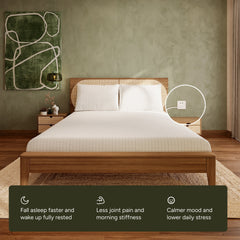
- Night: Use a fitted grounding sheet to maintain contact for hours, then track changes in sleep consistency, time-to-sleep, and morning mood over 2–4 weeks.
- Morning: Place your bare feet on a grounding mat during journaling or light stretching to start the day centered.
- Work: Keep a mat under your wrists or feet at your desk, pairing 3-minute breathing breaks with emails or task switches.
- Recovery: After workouts, use a mat during cooldown to encourage relaxation and transition out of “go” mode.
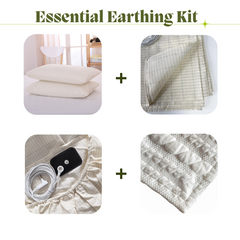
The benefits of grounding mats include convenience, indoor use regardless of weather, and consistent contact time—all crucial for habit formation. Terra Therapy’s fitted grounding bedsheets, bed mats, and Essential Grounding Starter Kits are designed to make daily practice simple and safe, with conductive materials that connect to a grounded outlet for reliable contact. If your goal is grounding for stress and mood, start with nightly use and layer in brief daytime sessions; assess changes in sleep, tension levels, and overall outlook after a few weeks. As always, grounding complements—but doesn’t replace—professional care for persistent anxiety or mood concerns.
The Biological Mechanism: How Grounding Regulates Cortisol Levels
Cortisol is the body’s primary stress hormone, following a 24-hour rhythm: it rises shortly after waking and declines to its lowest point at night. Chronic stress, late-night light exposure, or irregular sleep can flatten or shift this curve, which is linked to anxiety, irritability, and non-restorative sleep. Grounding—direct skin contact with the Earth or indoor conductive products—may help stabilize this rhythm by equalizing your body’s electrical potential.
Researchers hypothesize that electron transfer from the Earth helps neutralize reactive oxygen species and calm inflammatory signaling, which otherwise keeps the hypothalamic–pituitary–adrenal (HPA) axis on alert. By lowering this biological “noise,” grounding may reduce sympathetic overdrive and support parasympathetic recovery. In small studies, grounded participants showed changes consistent with calmer autonomic tone and more balanced cortisol patterns.
Early trials of overnight earthing reported reductions in nighttime cortisol and improvements in sleep quality, pain, and morning mood, particularly in people under chronic stress. While sample sizes were modest and more rigorous research is needed, these observations align with a plausible pathway: better sleep supports healthier cortisol timing, and healthier timing contributes to natural mood improvement techniques. For wellness seekers exploring grounding for stress and mood, the potential upside with minimal risk is compelling.

At home, you can apply these principles by sleeping on a conductive surface and adding brief daytime sessions. Terra Therapy’s fitted Grounding Bedsheets connect to a grounded outlet to support low evening cortisol when you need it most, while a Grounding Bed Mat under your feet during morning breathwork or journaling can gently support the cortisol awakening response. This routine pairs earthing for anxiety relief with improving sleep for mental health and reconnecting with earths energy.
- Aim for 30–60 minutes of morning contact and all-night contact during sleep for consistency.
- Verify your outlet ground with a tester and keep skin contact (bare feet or legs) on the conductive surface.
- Hydrate and keep skin clean; moisture improves conductivity.
- Track changes with a sleep app, resting heart rate, or a simple mood log to notice the benefits of grounding mats over time.
- Combine with dim evening light and regular wake times to reinforce circadian alignment.
Reducing Daily Anxiety with Grounding Mats and Sheets
In a world of constant pings and deadlines, the body can stay locked in a “fight-or-flight” loop. Grounding—direct contact with the Earth’s surface or a conductive alternative—offers a simple sensory cue that may help the nervous system settle. Preliminary studies and user reports point to calmer moods, easier sleep onset, and less perceived stress over time.
Grounding mats and sheets bring that experience indoors, so you can benefit while working, relaxing, or sleeping. For grounding for stress and mood, consistency matters more than intensity—minutes sprinkled through the day and hours at night add up. Terra Therapy’s fitted grounding bedsheets and bed mats are designed to make daily practice effortless at home.
Try practical micro-routines that fit an anxious day:
- Spend 10 minutes each morning with bare feet on a mat while you breathe slowly.
- Keep an under-desk mat for pre-meeting jitters; rest your feet on it during calls.
- Wind down by reading or journaling on a grounded bed to cue “rest.”
- During midday spikes of worry, pair box breathing with brief mat sessions.
- If you wake at night, place a hand or foot on the grounded sheet and breathe 4-6-8 to settle.
When evaluating the benefits of grounding mats, think in terms of physiological load. Early research has observed shifts in cortisol day–night rhythms and self-reported tension, suggesting earthing for anxiety relief may work by nudging the stress response toward balance. It’s also one of the few natural mood improvement techniques you can do passively while you work or sleep. These effects are preliminary and vary by individual, but the low effort makes experimentation reasonable.
Sleep is a powerful amplifier of emotional regulation, and improving sleep for mental health is often the fastest way to feel less anxious. Grounding sheets provide gentle, continuous contact overnight, a window when the brain consolidates calm. Many people find that reconnecting with earths energy at night contributes to easier mornings and more resilient moods.
If you’re new, Terra Therapy’s Essential Grounding Starter Kits make setup simple and help you test how your body responds over 1–2 weeks. Combine the practice with basics—morning light, hydration, and movement—for compounding benefits. Grounding is not a medical treatment, but as a daily habit it can complement therapy, mindfulness, and other supports.
The Role of Improved Sleep Quality in Mood Stabilization
Quality sleep is one of the most reliable stabilizers of mood. When you move through deep and REM sleep in healthy cycles, the brain recalibrates emotional circuits and the HPA axis, helping to keep cortisol rhythms on track. Conversely, fragmented nights raise daytime anxiety and irritability, making it harder to bounce back from stressors. That’s why improving sleep for mental health often yields noticeable gains in calm, focus, and resilience.

Grounding for stress and mood targets this connection at night. Preliminary studies and numerous user reports suggest that contact with the Earth’s surface (earthing) may downshift sympathetic arousal, support more regular cortisol patterns, and shorten sleep onset latency. People who add grounding mats or sheets to their bedtime routine often notice fewer awakenings and a steadier morning mood—benefits consistent with earthing for anxiety relief. While not a medical treatment, this is one of several natural mood improvement techniques that can complement lifestyle changes.
Practicality matters for consistency. Terra Therapy’s fitted grounding bedsheets and bed mats create a simple way to maintain gentle skin contact for hours while you sleep, enabling “reconnecting with earths energy” without changing your schedule. For example, someone who regularly wakes at 3 a.m. might find that a conductive sheet plus a wind-down routine (dim lights, light stretching, and a set lights-out) reduces night wakings and grumpy mornings. The benefits of grounding mats are most apparent when they become part of a stable sleep ritual you can repeat nightly.
Signs your sleep-driven mood is improving can include:
- Falling asleep within 15–25 minutes without clock-watching
- Fewer middle-of-the-night awakenings or quicker return to sleep
- Waking at a consistent time with less grogginess
- More even daytime energy and fewer stress “spikes”
- Better emotional recovery after minor setbacks
- Wearable data showing higher HRV and steadier overnight heart rate
Combine grounding with proven sleep hygiene. Keep a consistent sleep-wake window, cool and darken the bedroom, limit late caffeine, and get morning daylight to anchor circadian timing. Terra Therapy’s Essential Grounding Starter Kits make it easy to trial earthing at night with minimal setup, and their fitted options maintain contact even for restless sleepers. As with any new wellness approach, pair it with your clinician’s guidance if you have medical conditions or persistent insomnia.
Integrating Grounding Into a Holistic Stress Management Plan
When used alongside proven stress-management habits, grounding for stress and mood can act as a low-effort daily anchor. Preliminary research has reported modest improvements in sleep quality, heart-rate variability, and perceived stress when people maintain regular skin contact with a grounded surface. For many, the practice feels calming—supporting earthing for anxiety relief without adding another complex routine.
Prioritize nights, because improving sleep for mental health delivers outsized benefits. A fitted grounding sheet provides continuous contact during your natural recovery window while you reinforce the basics: consistent bed and wake times, a cool, dark room, and a 60-minute digital wind-down. Many people report fewer nighttime awakenings and smoother morning energy when sleep hygiene and grounding are combined.
Here’s a practical daily flow that blends grounding with other natural mood improvement techniques:
- Morning: Get 5–10 minutes of outdoor light and light movement. If weather or space limits barefoot time, stand on a grounded mat during breathwork or stretching to begin reconnecting with earths energy.
- Workday: Use an under-desk grounding mat to maintain contact during 90-minute focus blocks, then take brief movement breaks. The benefits of grounding mats here are convenience and consistency, especially in office settings.
- Evening: Take a walk, set a “digital sunset,” and do a brief journal or gratitude note. Settle into bed on a fitted grounding sheet for overnight contact.
Give the plan 2–4 weeks and track outcomes so you can iterate. Use a simple log with a 1–10 mood rating, bedtime/wake time, number of awakenings, and daily stressors. If you’re currently working with a therapist or clinician, consider grounding an adjunct—not a replacement—for existing care.

Set up and safety matter. Verify that your outlet is properly grounded with an inexpensive tester before connecting any product, and inspect cords periodically for wear. If you use implanted medical devices or have specific medical concerns, consult your healthcare provider before starting.
To make implementation easy, Terra Therapy offers Fitted Grounding Bedsheets for overnight use and Grounding Bed Mats for desks or couches, plus Essential Grounding Starter Kits for simple, reliable setup. These options enable indoor earthing year-round—even in apartments or cold climates—so consistency doesn’t depend on weather. Layering grounding with light exposure, movement, breathwork, and sleep hygiene creates a sustainable framework for reducing stress and supporting daily mood.
Conclusion: Achieving Natural Balance Through Consistent Grounding
Consistency is what turns grounding from a curious experiment into a steady, supportive practice. When approached as a daily habit, grounding for stress and mood can help calm an overactive nervous system and complement other lifestyle strategies you already use. Early studies and many user reports suggest it may support relaxation, reduce perceived stress, and ease discomfort, particularly when paired with movement, breathwork, and time outdoors.
Sleep is the cornerstone. Nighttime contact with a conductive surface has been linked in small trials to more stable cortisol patterns and smoother transitions into deeper rest, which matters for improving sleep for mental health and next-day resilience. People commonly notice fewer nighttime awakenings and a calmer morning baseline after a couple of weeks. If late-evening worry is your sticking point, some find earthing for anxiety relief works best when combined with a consistent wind-down routine and dim light in the hour before bed.
To make the habit stick, build a simple, repeatable cadence that fits your day:
- Sleep on a fitted grounding sheet so contact happens for 6–8 hours with no extra effort.
- Use a grounding mat under your desk or feet to counter long sitting sessions and experience the benefits of grounding mats during work.
- Step outside barefoot for 10–20 minutes when possible, or rest your hands on a grounded surface while doing box breathing.
- Stack natural mood improvement techniques—morning light exposure, a short walk, and regular meals—to amplify the effects.
- Set a two-week trial and log sleep quality, energy, and mood in a quick 1–10 daily note.
Measure what matters so you can see trends. A simple sleep diary or wearable metrics (time asleep, wake after sleep onset, HRV) can show whether grounding meaningfully shifts your baseline. For safety and effectiveness, follow manufacturer instructions, verify your outlet is properly grounded with a tester, and consult your clinician if you have implanted medical devices or complex health conditions.
If you’re new to this, Terra Therapy’s fitted Grounding Bedsheets, Grounding Bed Mats, and Essential Grounding Starter Kits make it straightforward to add contact points at night and during the day without changing your routine. Their purpose-built designs help you maintain continuity, which is key to results. Over weeks, that steady, gentle input can support calmer days, better sleep, and a more balanced mood by reconnecting with earths energy—one small, consistent practice at a time.