


Understanding the Impact of Poor Circulation on Modern Wellness
Poor circulation touches nearly every facet of modern wellness because it influences how efficiently oxygen, nutrients, and immune cells move through the body. When blood and lymph flow slow, fluid can pool in the ankles and hands, causing heaviness and tightness that make daily tasks harder. You may also notice cold extremities, numbness, muscle cramps, brain fog, or delayed recovery after workouts—common signals that flow and tissue perfusion need attention. Over time, low-grade inflammation and edema can compound these issues, amplifying fatigue and discomfort.
Contemporary routines often work against healthy flow. Long hours sitting or standing still, high-sodium convenience foods, dehydration, and chronic stress all tilt the body toward vasoconstriction and fluid retention. Air travel, tight footwear, and poorly timed workouts can further burden the venous and lymphatic systems. Desk workers, shift workers, new parents, and frequent flyers are especially vulnerable, making non-invasive circulation therapies a practical daily safeguard.
Non-invasive strategies can improve blood flow naturally and support natural swelling reduction without medications. Consider layering several simple tools for holistic inflammation relief and non-medicinal edema management:
- Move every hour: 5–10 minutes of walking, calf raises, or ankle circles act as a “second heart” to pump blood and lymph.
- Elevate limbs: 10–20 minutes above heart level after work or workouts helps fluid return and eases ankle puffiness.
- Use compression: Graduated socks or sleeves support venous return during long sits, flights, or shifts.
- Try hydrotherapy: Contrast showers or warm foot soaks (with magnesium salts) relax vessels and stimulate circulation.
- Breathe diaphragmatically: Slow nasal breathing boosts venous return via the thoracic pump and calms stress-driven vasoconstriction.
- Add gentle tissue work: Self-massage, foam rolling, or lymphatic brushing mobilizes interstitial fluid.
- Nourish flow: Hydrate; moderate sodium; emphasize potassium-rich foods (leafy greens, avocado), nitrate sources (beets), and flavonoids (citrus, berries).
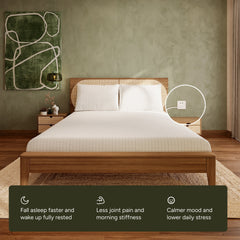
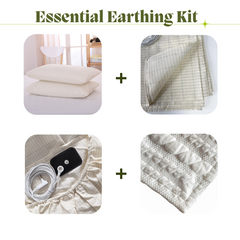
Earthing for circulation is another approachable option. Early studies suggest grounding may influence red blood cell flow properties and heart rate variability, hinting at benefits for microcirculation and stress regulation, though larger trials are needed. For a practical, daily routine, Terra Therapy offers fitted grounding bedsheets, bed mats, and starter kits that enable indoor earthing while you sleep or work. Consistent use can complement other non-invasive circulation therapies by improving sleep quality and lowering perceived stress—two pillars that help the body manage inflammation and fluid balance more effectively.
If swelling is sudden, one-sided, painful, or paired with shortness of breath or chest pain, seek medical care promptly. Otherwise, a steady routine of movement, recovery, nutrition, and grounding can meaningfully support everyday circulation and comfort.
Identifying Common Causes of Swelling and Chronic Inflammation
Swelling (edema) and chronic, low-grade inflammation often stem from everyday habits as much as from medical conditions. Pinpointing the source is the first step before choosing non-invasive circulation therapies that are safe and likely to help. Ask when swelling appears, whether it’s symmetrical or one-sided, and what makes it better or worse—these patterns reveal whether the issue is fluid pooling, lymphatic congestion, or inflammatory load.
Common lifestyle drivers include long periods of sitting or standing, which limit the calf “muscle pump” that returns blood and lymph to the heart. High-sodium meals, low hydration, alcohol, and heat can pull fluid into tissues, while tight clothing or shoes impede venous and lymphatic return. A sedentary routine, poor posture, and cramped sleep positions also matter; small movement “snacks” during the day can improve blood flow naturally and support natural swelling reduction.
Medical and medication-related causes to consider include:
- Chronic venous insufficiency and varicose veins (heaviness, ankle swelling worse by evening)
- Lymphedema after surgery, infection, or radiation (non-pitting, skin changes)
- Injury, overuse, or post-surgical inflammation (localized, warm, tender)
- Heart, kidney, or liver disease (systemic fluid retention)
- Thyroid dysfunction, pregnancy, and hormonal changes
- Medications such as calcium channel blockers, NSAIDs, corticosteroids, and TZDs
- Infection or blood clot (unilateral, painful, hot, or red—seek urgent care)
Stress, poor sleep, insulin resistance, and excess visceral fat amplify cytokines and oxidative stress that drive persistent inflammation. Smoking and sleep apnea impair endothelial function, stiffen vessels, and worsen nocturnal fluid shifts. Addressing these upstream factors is central to holistic inflammation relief and better daily circulation.
Once you identify the likely cause, match it with non-medicinal edema management strategies. For example, desk-related ankle swelling responds to frequent calf raises, walking breaks, and brief leg elevation; salt-sensitive puffiness improves with potassium-rich foods and steady hydration; post-exercise soreness benefits from gentle mobility and contrast showers. If stress and sleep are major triggers, consider low-impact options that calm the nervous system—breathwork, evening light hygiene, and earthing for circulation as an adjunct.

For an at-home, low-friction option, Terra Therapy’s fitted grounding bedsheets, bed mats, and Essential Grounding Starter Kits enable indoor earthing/grounding while you rest or work. While individual responses vary, many users report deeper sleep and lower perceived stress, which can indirectly aid natural swelling reduction and overall vascular comfort. Always consult a clinician promptly if swelling is sudden, one-sided, painful, or accompanied by shortness of breath, chest pain, fever, or skin redness.
The Role of Grounding and Earthing in Enhancing Blood Flow
Grounding, or earthing, is the practice of making direct skin contact with the Earth or a conductive surface connected to the Earth. As one of the simplest non-invasive circulation therapies, it aims to improve blood flow naturally by influencing blood “rheology” — the way blood behaves and moves through vessels — which is central to natural swelling reduction.
Preliminary research suggests grounding may increase the electrical “zeta potential” around red blood cells, discouraging clumping (rouleaux) and lowering viscosity. Less sticky blood can navigate capillaries more efficiently, supporting microcirculation and holistic inflammation relief. Some small studies and user reports also note shifts in autonomic balance (via heart-rate variability), which can ease vascular tone and assist non-medicinal edema management.
Because daily outdoor barefoot time isn’t always practical, indoor earthing solutions make regular practice accessible. Conductive bedsheets and mats connect to a grounded outlet’s Earth port to provide a gentle, continuous pathway for charge equalization. Consistency matters more than intensity, and most people stack grounding with other basics like hydration, light movement, and leg elevation.
Practical ways to integrate earthing for circulation:
- Overnight: Use a fitted grounding bedsheet to maintain hours of contact during sleep, when the body naturally shifts fluids.
- Workday: Place a grounding mat under your desk and rest bare feet or forearms on it for 30–120 minutes.
- Recovery: After standing, travel, or workouts, combine 20–40 minutes on a grounding mat with gentle calf pumps and ankle circles.
For those new to the practice, Terra Therapy offers fitted Grounding Bedsheets, Grounding Bed Mats, and Essential Grounding Starter Kits designed for easy setup. To use safely: confirm your outlet is properly grounded with a tester, connect only to the Earth port (not a power strip), maintain clean skin contact with the conductive surface, and route cords away from foot traffic. If you have an implanted medical device, are pregnant, or have a complex cardiovascular condition, consult your clinician before starting.
Track outcomes to personalize your routine. Simple measures include morning ankle circumference, sock-line marks, perceived leg heaviness, and time-to-warmth in hands and feet. Pair grounding with walking breaks, compression (if recommended), and adequate electrolytes to amplify benefits and improve blood flow naturally over time.
Hydrotherapy and Temperature-Based Techniques for Vascular Health
Hydrotherapy sits at the core of non-invasive circulation therapies because water and temperature shifts can influence vessel diameter and pressure dynamics. Warmth encourages vasodilation, while cold prompts vasoconstriction; alternating them can create a gentle “pump” that supports venous return and lymph flow for natural swelling reduction. Even simple immersion exerts hydrostatic pressure, which can help move fluid out of puffy tissues and improve blood flow naturally.
Use warmth to loosen tight vessels and tissues when stiffness or chill limits circulation. A warm shower or foot bath at about 92–100°F (33–38°C) for 5–10 minutes relaxes smooth muscle, primes blood flow to the skin, and eases pre-exercise tightness or end-of-day heaviness. Try a warm calf and ankle soak after prolonged sitting, followed by ankle circles and heel raises. Avoid high heat if you have reduced sensation or active inflammation.
Cold is useful after activity or in acute flare-ups to blunt excessive fluid accumulation. Apply a cool pack around 50–60°F (10–15°C) for 5–10 minutes with a cloth barrier to reduce localized swelling; monitor skin and avoid if you have Raynaud’s, severe peripheral arterial disease, or neuropathy. For a broader effect, contrast hydrotherapy alternates warm-to-cool water (about a 3:1 time ratio) for 3–4 rounds, finishing on cool, which may reduce post-exercise soreness and perceived swelling.

- Practical protocol: 3 minutes warm shower to legs, 1 minute cool; repeat 3–4 cycles, finish cool. Perform gentle calf pumps afterward and elevate legs 10–15 minutes for non-medicinal edema management.
- Pool or tub options: If available, alternate warm and cool foot or lower-leg baths using the same timing; keep temperatures comfortable, not extreme.
- Safety first: Consult a clinician if you have cardiovascular disease, diabetes, neuropathy, pregnancy, open wounds, a history of DVT, or uncontrolled blood pressure. Hydrate, test temperatures with the forearm, and stop if you feel lightheaded or numb.
Aquatic movement adds a circulation boost through immersion pressure. Walking in waist-deep water for 10–20 minutes can aid venous return and lymphatic drainage while being joint-friendly; cooler pools are often better for swelling, warmer for stiffness. Finish with gentle stretching and leg elevation.
Stress control matters for vascular tone, too. Some early research suggests grounding may influence autonomic balance and blood viscosity; while more studies are needed, many use earthing for circulation as a calming complement to hydrotherapy for holistic inflammation relief. Terra Therapy’s grounding bedsheets and mats make it easy to integrate indoor earthing into a nightly routine, supporting relaxation and sleep—foundations that work alongside these temperature-based techniques.
Gentle Movements and Postural Habits to Minimize Edema
Edema often stems from sluggish venous return and lymphatic flow, so small, repeatable movements make a big difference. The calf muscles act like a “second heart,” pumping fluid upward against gravity. Building a daily routine of non-invasive circulation therapies helps keep that pump active without strain.
Use movement “snacks” to improve blood flow naturally if you sit or stand for long periods. Set a timer for once every 45–60 minutes and move for 60–90 seconds. This consistency encourages natural swelling reduction throughout the day.
- Ankle pumps: 20–30 repetitions per side, flexing and pointing the toes.
- Heel-toe raises: 15–20 slow reps while standing, holding a counter for support.
- Seated marches: 20 alternating lifts to activate hip flexors and stimulate lymph flow.
- Calf raises on a step: 10–15 reps with a gentle stretch at the bottom.
- Weight shifting: Rock from heels to forefoot for 30–45 seconds to wake up the foot pump.
Adopt postural habits that reduce fluid pooling. Keep feet flat and supported, knees and hips near 90 degrees, and avoid crossing legs for long stretches. Alternate sitting and standing when possible, and elevate legs above heart level for 10–20 minutes after work or exercise for non-medicinal edema management.
Breathing mechanics matter because the diaphragm drives lymphatic return. Practice 3–5 minutes of diaphragmatic breathing (4-second inhale, 6-second exhale) to stimulate the thoracic pump and downshift stress. Add two or three 10-minute easy walks daily—especially after meals—to further support holistic inflammation relief.
Gentle self-massage can complement these habits. Using light, upward strokes from ankle to knee for 3–5 minutes promotes fluid movement; keep pressure mild and stop if painful. Consider compression socks if recommended by your clinician, and seek medical advice if swelling is sudden, asymmetrical, or accompanied by pain.
For an added low-effort assist, consider earthing for circulation as part of your routine. Grounding has been explored for its potential to promote relaxation and balanced autonomic activity, which may indirectly support healthy fluid dynamics. Terra Therapy offers grounding bed mats for your desk or standing workstation and fitted grounding bedsheets for overnight use, making it easier to maintain contact with the Earth’s charge indoors as you layer non-invasive circulation therapies into your day.
Nutritional Support for Healthy Veins and Arteries
Nutrition is a cornerstone of non-invasive circulation therapies, giving your blood vessels the raw materials they need to stay flexible and resilient. Prioritize foods that tamp down inflammation and support fluid balance for natural swelling reduction, while avoiding excess sodium and ultra-processed ingredients that can worsen edema. Pairing diet with gentle lifestyle practices—like walking, elevation, compression, and consistent sleep—creates a strong daily foundation.

Nitric oxide–supporting foods help blood vessels relax and improve blood flow naturally. Leafy greens (arugula, spinach), beets, pomegranate, and cocoa flavanols have been studied for enhancing endothelial function. Practical example: drink 4–8 oz of beetroot juice or add roasted beets to a pre-walk salad to support vasodilation.
Minerals matter for vascular tone and fluid regulation. Potassium-rich choices (avocado, beans, bananas, sweet potatoes) counterbalance sodium, while magnesium (pumpkin seeds, almonds, dark leafy greens) supports smooth muscle relaxation in vessel walls. Focus on hydration and moderate salt intake for non-medicinal edema management—aim for mostly water, broth-based soups, and water-rich produce like cucumbers and citrus.
Anti-inflammatory fats and polyphenols can contribute to healthier veins and arteries. Omega-3s from salmon, sardines, mackerel, flax, and chia may reduce triglycerides and inflammatory markers; turmeric/curcumin, ginger, and green tea add additional antioxidant support. Citrus flavonoids (hesperidin, diosmin), berries rich in anthocyanins, and vitamin C sources (kiwi, peppers) help maintain capillary integrity and collagen.
Daily meal ideas to make it easy:
- Morning smoothie with beet, spinach, berries, flaxseed, and lemon
- Lunch: arugula salad with salmon, avocado, pumpkin seeds, and citrus vinaigrette
- Snack: a square of dark chocolate (≥70% cacao) with green tea
- Dinner: lentil and veggie bowl with olive oil, garlic, and turmeric
- Hydration: water plus a pinch of citrus and mint; limit sugary drinks and excess alcohol
- Season generously with herbs and spices to enhance flavor without extra sodium
For sleep and stress—both essential to vascular health—consider adding earthing for circulation to your routine. Terra Therapy’s fitted grounding bedsheets, grounding bed mats, and starter kits enable indoor earthing that may support relaxation and recovery, complementing nutrition for holistic inflammation relief. If you take medications (e.g., blood thinners) or have kidney or cardiovascular conditions, discuss vitamin K, potassium, and supplements with your clinician before making changes.
Conclusion: Integrating Natural Therapies into a Holistic Health Strategy
Non-invasive circulation therapies work best as a daily pattern of small, repeatable habits. When layered together—movement, compression, elevation, hydration, breathwork, temperature therapy, and sleep hygiene—they can improve blood flow naturally while supporting natural swelling reduction. Track a few simple metrics (steps, ankle circumference at the same time each day, energy on waking) to see what moves the needle for you and adjust gradually.
Here’s a practical, low-effort routine you can start today:
- Morning: 2–3 minutes of ankle pumps and calf raises; hydrate; consider mild compression socks (15–20 mmHg) if you sit or stand for long periods.
- After meals: 10–15 minute brisk walk to stimulate vascular and lymphatic flow.
- Workday: “Motion snacks” every 30–60 minutes—stand, do 20 calf raises, or a minute of diaphragmatic breathing.
- Midday: 5 minutes of leg elevation above heart level; gentle self-massage from feet toward knees.
- Evening: 10 minutes of yoga or foam rolling for calves, hamstrings, and hips; warm foot soak for relaxation.
- Bedtime: Legs elevated on a pillow for 10–15 minutes; lights down and screens off to prioritize sleep.
- Weekly: Short sessions of contrast showers (warm/cool cycles) and a longer walk or bike ride for aerobic circulation support.
For many, stress reduction and sleep are the force multipliers that make holistic inflammation relief sustainable. Earthing for circulation is an accessible option here: preliminary studies and user reports suggest grounding may influence autonomic balance and blood viscosity while easing perceived stress. Terra Therapy offers fitted grounding bedsheets and grounding bed mats that enable indoor earthing while you sleep, plus Essential Grounding Starter Kits for simple daytime use near your workstation. Used alongside movement and recovery habits, these tools can dovetail with non-medicinal edema management strategies to help you feel and function better.
Personalize based on response and health status. If swelling is new, one-sided, accompanied by heat, redness, chest pain, or shortness of breath, seek urgent care to rule out a clot. Those with heart, kidney, or liver disease, neuropathy, active wounds, or pregnancy should consult a clinician before using compression or aggressive temperature therapies. With consistent practice and thoughtful adjustments, you can build a sustainable routine of non-invasive circulation therapies that supports everyday comfort and long-term vascular health.