


Introduction: Understanding Nighttime Anxiety and Sleep Disruption
Nighttime anxiety isn’t just “being a little worried.” It’s a state of hyperarousal that makes the mind race, the heart pound, and the body feel on alert when it should be winding down. Left unchecked, it creates a feedback loop—poor sleep elevates stress hormones, which heightens anxiety the next night. Many people search for natural anxiety relief sleep strategies to break this cycle without relying solely on medication.
Physiologically, stress can disrupt circadian rhythms and increase evening cortisol, making it harder to fall asleep and easier to wake in the early hours. Common contributors include late screen exposure, irregular bedtimes, caffeine after noon, heavy evening workouts, and unresolved daytime stressors. A familiar pattern is finally falling asleep, then waking at 3 a.m. with a racing mind and shallow breathing.
Signs and triggers to watch for include:
- Rumination about to-do lists or “what-if” scenarios as lights go out
- Restless legs, jaw clenching, or chest tightness when settling in
- Sensitivity to small noises or temperature shifts
- Frequent waking after vivid or stress-themed dreams
The good news: you can reduce nighttime anxiety naturally by targeting both body and brain. Effective, holistic sleep improvement methods include slow nasal breathing (for example, 4-second inhale, 6-second exhale for 5 minutes), a brief body scan to release muscle tension, and “cognitive offloading” by writing down worries and next steps before bed. Consistent light cues—morning daylight and dim, warm light at night—plus a cool bedroom (60–67°F) help improve sleep quality naturally.
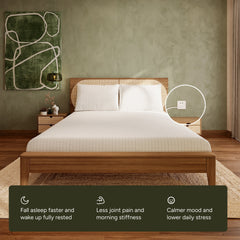
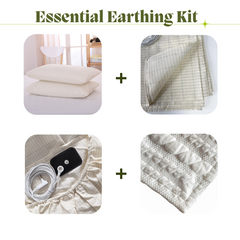
Earthing (grounding) is another natural stress relief technique gaining attention. By connecting the body to the Earth’s surface electrons—traditionally outdoors or indoors via conductive materials—some preliminary studies suggest grounding may support a calmer nervous system, normalize nighttime cortisol patterns, and promote deeper rest. Terra Therapy enables earthing for better sleep at home with fitted grounding bedsheets and bed mats that integrate into your existing sleep setup. If you’re new to the practice, their grounding starter kits offer a simple, guided way to begin and assess how your body responds over several nights.
The Connection Between Stress and Poor Sleep Quality
Stress activates the body’s threat response, elevating cortisol and adrenaline and keeping the nervous system in a state of hyperarousal. This makes it harder to fall asleep, shortens deep and REM stages, and increases micro-awakenings through the night. Elevated heart rate, warmer core temperature, and racing thoughts are common signs that stress is disrupting sleep architecture. Over time, this pattern conditions the brain to associate bedtime with vigilance rather than rest.
The relationship is bidirectional: after a poor night, the brain’s emotion centers become more reactive and the prefrontal cortex regulates less effectively, amplifying worry the next evening. Sleep loss also reduces heart-rate variability and can flatten the cortisol rhythm the following day, which perpetuates tension. This feedback loop explains why managing stress is central to any plan to improve sleep quality naturally.
If you’re seeking natural anxiety relief sleep approaches, focus on calming the stress system before bed and strengthening circadian cues during the day. The following natural stress relief techniques can help reduce nighttime anxiety naturally and support deeper, more continuous rest:
- Keep a consistent wake time (even on weekends) and get 10–20 minutes of morning light to anchor your body clock.
- Create a 30–60 minute wind-down routine (dim lights, warm shower, light stretching, calming music) to signal safety.
- Practice slow breathing (for example, 4-7-8) or progressive muscle relaxation to lower heart rate and quiet rumination.
- Use a “brain dump” journal—list worries and a next step for each—to reduce cognitive load at lights-out.
- Limit caffeine after midday and alcohol within three hours of bedtime; both fragment sleep.
- Keep the bedroom cool, dark, and quiet; reserve the bed for sleep and intimacy to prevent stress-tinged conditioning.
- Set a digital sunset: no work email or social media 60 minutes before bed to reduce mental activation.
Some people also explore earthing for better sleep as part of holistic sleep improvement methods. Connecting the body to the Earth’s electrical potential—outdoors or via indoor solutions like grounded bedsheets and mats—may help downshift the nervous system; preliminary studies and user reports note improvements in sleep onset and perceived stress. Terra Therapy offers indoor options that make this practice practical year-round, including the Grounding bedsheet, which can be paired with the habits above to improve sleep quality naturally.
Natural Techniques for Reducing Nighttime Anxiety
Anxiety at night often stems from an overactive stress response and a misaligned body clock. For natural anxiety relief sleep, focus on calming the nervous system while supporting circadian rhythms. The following holistic sleep improvement methods are practical, low-risk, and easy to test in your routine.
- Practice slow, diaphragmatic breathing with longer exhales for 5 minutes before bed. Techniques like 4-7-8 breathing or two short inhales followed by one long exhale can lower arousal and cue the body for rest.

- Shape light exposure to anchor your internal clock. Get 10–30 minutes of outdoor morning light, then dim lights and use warm color temperatures in the evening to reduce nighttime anxiety naturally.
- Use temperature to nudge sleepiness. Keep your bedroom cool (about 60–67°F/15–19°C) and take a warm shower or bath 60–90 minutes before bed to promote the natural drop in core body temperature that supports sleep onset.
- Offload worries so your mind doesn’t do it in bed. Set a 10-minute “worry window” earlier in the evening to list concerns and next steps, then do a brief brain dump or to-do list so rumination doesn’t hijack your wind-down.
- Try progressive muscle relaxation, a body scan, or a 10–20 minute non-sleep deep rest (yoga nidra) audio. These mindfulness-based practices can improve sleep quality naturally by easing muscle tension and shifting attention away from looping thoughts.
- Time stimulants and meals strategically. Avoid caffeine after early afternoon, limit alcohol close to bedtime, and aim for a lighter dinner 2–3 hours before sleep while favoring magnesium-rich foods like leafy greens, nuts, and legumes.
- Spend time in nature or consider earthing. A short barefoot walk on natural ground in the evening can feel calming; if that’s not feasible, Terra Therapy’s grounded bedsheets and mats enable indoor earthing for better sleep, and many users report a steadier, more relaxed night.
Consistency matters more than perfection. Combine two or three natural stress relief techniques, track what helps, and keep a stable wake time, even after a rough night, to improve sleep quality naturally. If persistent anxiety or insomnia continues, consider guidance from a qualified clinician while you refine these gentle, habit-based approaches.
The Role of Grounding in Sleep Improvement
Grounding (also called earthing) connects your body to the Earth’s electrical potential through direct contact with grass, soil, or a conductive surface indoors. Many people use it to calm pre-bed restlessness, reporting fewer racing thoughts and an easier transition to sleep. Because it’s non-pharmacological and simple to try, it aligns with natural anxiety relief sleep goals.
Early research, including small randomized and crossover trials, suggests grounding may support faster sleep onset, fewer awakenings, and reduced pain, while nudging the autonomic nervous system toward a more relaxed, parasympathetic state. Some studies also report modest shifts in cortisol’s daily rhythm, which can matter for nighttime calm. While the evidence is still emerging and not definitive, the low-risk profile makes it a reasonable adjunct to other natural stress relief techniques.
Practically, grounding can help reduce nighttime anxiety naturally by offering a predictable sensory anchor and a wind-down cue for your brain. A 20–30 minute barefoot walk on grass near sunset, or quiet breathing while standing on a grounded mat, can soften sympathetic arousal. Users who struggle with rumination often pair it with slow nasal breathing or a brief body scan to improve sleep quality naturally. Over time, this becomes a repeatable ritual that signals the body to downshift.
Ways to try grounding for sleep:
- Outdoor: Spend 10–20 minutes barefoot on grass, soil, or sand before bed; avoid hot surfaces or areas treated with chemicals.
- Pre-sleep pairing: Combine grounding with gentle stretches, journaling, or breathwork to stack natural stress relief techniques.
- Indoor options: Use conductive sleep surfaces connected to a verified grounded outlet; Terra Therapy’s fitted grounding bedsheets, grounding bed mats, and Essential Grounding Starter Kits enable earthing for better sleep without changing your routine.
- Safety basics: Verify outlets are properly grounded, follow product instructions, and consult a clinician if you use implanted medical devices. Avoid using plugged-in grounding products during electrical storms.
Set expectations and track your response. Many people notice subtle changes—like shorter sleep latency or fewer 3 a.m. awakenings—within one to two weeks, while others may need longer. Keep a simple sleep log or wearable metrics (resting heart rate, HRV) to gauge progress objectively.
Grounding works best alongside holistic sleep improvement methods: consistent sleep-wake times, morning light exposure, a cool dark bedroom, and smart caffeine timing. This layered approach helps improve sleep quality naturally while addressing the daytime stress that fuels nighttime worry. For a convenient at-home option, Terra Therapy’s indoor solutions make it easier to keep the habit, even when outdoor time isn’t possible.

Lifestyle Habits That Support Better Sleep
Consistency sets your body’s clock. Wake up and go to bed at the same times daily, even on weekends, to anchor circadian rhythms and improve sleep quality naturally. Get 5–15 minutes of outdoor light within an hour of waking—more if it’s cloudy—to signal daytime alertness and help nighttime melatonin arrive on schedule.
Manage evening light to reduce nighttime anxiety naturally. Dim overheads after sunset, switch to warmer bulbs, and enable blue‑light filters on screens 60–90 minutes before bed. Consider a “digital sunset” by logging off social media and news cycles that can spike arousal; a short paper novel or gentle stretching is a calmer substitute.
Shape the sleep environment to cue safety. Keep the bedroom cool (about 60–67°F/15–19°C), dark, and quiet; blackout curtains and a consistent white‑noise source can blunt restless awakenings. Reserve the bed for sleep and intimacy so your brain associates it with rest, not work. A brief lavender scent or fan breeze can be soothing, though responses vary.
Mind your timing with food and stimulants. Caffeine’s half‑life averages 5–6 hours, so most people sleep better stopping by early afternoon; nicotine also stimulates. Alcohol may help you doze off but fragments sleep and suppresses REM—limit it and finish drinking several hours before bed. If evening hunger strikes, choose light, balanced snacks (e.g., yogurt with berries, a banana with almond butter), and favor magnesium‑rich foods like leafy greens, beans, and pumpkin seeds throughout the day.
Build a wind‑down using natural stress relief techniques. Try 4‑7‑8 or box breathing for 3–5 minutes, then a body scan or progressive muscle relaxation to release tension. A “brain dump” journal can move worries and tomorrow’s to‑dos out of your head, a simple holistic sleep improvement method that reduces rumination.
Daytime movement supports deeper sleep at night. Aim for 20–30 minutes of light‑to‑moderate activity and finish vigorous workouts at least 3 hours before bed. For earthing for better sleep, walk barefoot on grass or sand for 10–20 minutes where safe; emerging research suggests grounding can influence relaxation and perceived sleep quality. If outdoor access is limited, Terra Therapy offers fitted grounding bedsheets, bed mats, and Essential Grounding Starter Kits that enable indoor earthing as part of a natural anxiety relief sleep routine.
A sample evening flow can make habits stick:
- 3 hours before bed: Finish dinner; limit alcohol.
- 90 minutes before: Warm shower to promote a later cooling drop.
- 60 minutes before: Digital sunset; dim lights; light stretch.
- 20 minutes before: Journal and set tomorrow’s top 3 tasks.
- In bed: 5 minutes of breathing or a body scan; lights out.
Environmental Factors for Creating an Optimal Sleep Space
Your bedroom can either soothe or overstimulate a mind on edge. For natural anxiety relief sleep, begin by lowering sensory load and creating consistent signals that the space is for rest. Small, repeatable tweaks compound into calmer nights.
Light is the strongest circadian cue. After sunset, switch to warm, low lighting, cover standby LEDs, and use blackout curtains or an eye mask; get bright morning light to anchor your clock. Set screens to night mode and avoid scrolling in bed.
Keep the room cool—about 60–67°F (15–19°C)—with steady airflow. Choose breathable bedding like cotton or linen and keep humidity near 40–50% to avoid stuffiness. A hint of lavender or cedar can help, but avoid heavy diffusers or strong candles.
Intermittent noise spikes elevate stress hormones even during sleep. Soften the room with rugs and curtains, run a white or pink noise machine, or use high-quality earplugs if the environment is unpredictable.
Grounding is an often-overlooked environmental lever. Providing a conductive path between your body and the Earth, earthing for better sleep may help some people relax before bed and sleep more soundly. Terra Therapy’s fitted grounding bedsheets, bed mats, and Essential Grounding Starter Kits make indoor earthing simple—connect to a properly grounded outlet and maintain bare-skin contact as you rest.

- Dark: blackout curtains, eye mask, warm bulbs after dusk.
- Cool: 60–67°F, breathable bedding, 40–50% humidity.
- Quiet: insulation, white noise, earplugs.
- Clean: decluttered surfaces, fresh linens, low dust.
- Tech-light: charge devices outside, night modes on screens.
- Grounded: Terra Therapy sheet or mat for passive contact.
These changes reduce nighttime anxiety naturally while helping you improve sleep quality naturally. Combined, they form practical, holistic sleep improvement methods and complementary natural stress relief techniques you can sustain.
Combining Multiple Approaches for Maximum Results
The most reliable way to ease nighttime nerves and sleep deeper is to stack complementary strategies. Rather than leaning on a single hack, combine holistic sleep improvement methods that address biology, behavior, and environment at once. This synergy supports natural anxiety relief sleep goals without relying on medication.
Start with daytime anchors that set up the night. Get 5–15 minutes of morning sunlight to reinforce circadian timing, then add a brisk walk or light resistance work in the afternoon. Limit caffeine after midday, and give your last heavy meal 2–3 hours before bed to improve sleep quality naturally.
In the evening, build a simple “calm stack” you can repeat nightly:
- Light: Dim overheads 90 minutes before bed; use warm, low-lux lamps and cut screens or enable strong blue-light filters.
- Breath and body: 5–10 minutes of box breathing (4-4-4-4) or a slow body scan to shift into parasympathetic mode—effective natural stress relief techniques.
- Temperature: Take a warm shower, then keep the bedroom cool (60–67°F/15–19°C) to promote faster sleep onset.
- Thoughts: Do a 5-minute “worry download” on paper, then list tomorrow’s first action to reduce nighttime anxiety naturally.
- Nutrition: If hungry, have a small snack with protein and complex carbs (e.g., Greek yogurt with berries). Include magnesium-rich foods at dinner like pumpkin seeds or leafy greens.
- Grounding: If outdoor barefoot time isn’t practical, consider earthing for better sleep with an indoor option. Terra Therapy’s fitted grounding bedsheets or bed mats provide a convenient way to add gentle grounding to your wind-down.
Here’s a sample 90-minute routine you can test for one week. T-90: Dim lights, finish chores, and set your phone to Do Not Disturb. T-60: Warm shower, put on comfortable sleepwear, 10 minutes of stretching, then 5 minutes of breathing. T-30: Get into bed on your grounding sheet or mat from Terra Therapy, journal briefly, read a calming book, then lights out at a consistent time.
Measure what matters so you can iterate. Keep a simple sleep log tracking bedtime, wake time, perceived sleep quality, and a 1–10 anxiety rating; adjust one variable at a time for 3–4 nights. If you want a low-effort way to layer in grounding within this plan, Terra Therapy’s Essential Grounding Starter Kits make it easy to trial at home alongside these natural methods.
Conclusion: Taking Steps Toward Better Sleep and Wellness
Better sleep rarely comes from one change alone. It’s the steady layering of habits that reduce nighttime anxiety naturally and improve sleep quality naturally over time. If your goal is natural anxiety relief sleep, start where the friction is lowest, stay consistent for two weeks, and evaluate what moves the needle.
To make the transition manageable, choose a few natural stress relief techniques you can practice nightly and build from there. This simple plan covers the essentials without overwhelming your routine:
- Anchor a consistent wake time and get 10–20 minutes of morning light to steady your circadian rhythm.
- Cap caffeine by early afternoon and keep alcohol modest to limit fragmented sleep.
- Create a 30–45 minute wind-down: dim lights, practice 4-7-8 or box breathing, and jot a brief worry list to park intrusive thoughts.
- Keep your bedroom cool (60–67°F/15–19°C), quiet, and dark; use blackout curtains or an eye mask and reduce blue light after dusk.
- Move daily—preferably earlier in the day—and add gentle evening stretches or yoga for nervous system downshifting.
- Eat a light, earlier dinner; favor magnesium-rich foods (leafy greens, nuts) and steady evening blood sugar with protein and fiber.
If you’re curious about earthing for better sleep, consider adding grounding as a low-effort layer. Early, small studies and user reports suggest that regular skin contact with a grounded surface may ease perceived stress and support sleep, though larger research is still emerging. Terra Therapy offers fitted grounding bedsheets, bed mats, and Essential Grounding Starter Kits that enable safe, convenient indoor earthing/grounding while you rest.
Integrate grounding with existing habits to simplify adherence—for example, breathe for five minutes after lights-out while lying on a grounded bedsheet. Track simple metrics like time to fall asleep, number of awakenings, and morning energy for 14 nights to see if it helps. Adjust one variable at a time so you can attribute improvements accurately.
A holistic path works best: combine behavior change, environment design, gentle movement, nutrition, and mindful tools into cohesive, sustainable steps. If insomnia or anxiety persists, consult a clinician; evidence-based options like CBT-I pair well with holistic sleep improvement methods. With patience, you can build a personal routine that honors your biology and leverages natural methods to calm the mind and restore rest.