



Understanding the Impact of Chronic Headaches and Migraines
Chronic headaches and migraines affect daily functioning far beyond the pain itself. About one in seven adults experiences migraines, with women disproportionately affected, and a subset develops chronic migraine with 15 or more headache days a month. The result is missed work, social withdrawal, and heightened stress, which can further perpetuate the cycle.
Physiologically, migraines involve hypersensitivity in the brain’s pain pathways and neurovascular changes that can amplify signals from light, sound, and muscle tension. Many people also experience heightened inflammation and nervous system overarousal, making triggers more potent over time. Poor sleep, irregular meals, and high stress can prime the system, increasing the likelihood and severity of attacks.
Common triggers often stack together, which is why identifying patterns matters as much as single culprits. Examples include:
- Sleep disruption or jet lag
- Dehydration, missed meals, or caffeine swings
- Certain foods (aged cheeses, alcohol, MSG) and high-histamine meals
- Hormonal fluctuations and menstrual cycles
- Screen glare, bright lights, strong odors, or loud environments
- Neck and shoulder tension, jaw clenching, or poor posture
- Weather changes and barometric pressure shifts
- Medication overuse headaches from frequent pain reliever use
A holistic view recognizes that natural migraine and headache relief often requires addressing both internal and external drivers. Evidence-informed strategies include “natural ways to reduce inflammation” (balanced omega-3 intake, plenty of colorful produce, adequate hydration), targeted nutrients like magnesium and riboflavin (with clinician guidance), gentle aerobic activity, and nervous system regulation skills such as paced breathing or mindfulness. Some people incorporate “earthing for stress reduction” and “grounding for pain management,” practices aimed at calming the nervous system and improving sleep—two pivotal levers in “holistic migraine treatment.”
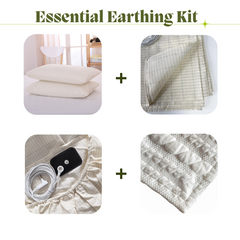
For those who can’t regularly access nature, Terra Therapy offers ways to integrate grounding into everyday routines. Fitted Grounding Bedsheets may support deeper rest overnight, while a Grounding Bed Mat or an Essential Grounding Starter Kit can be used at a workstation to help ease muscle tension and perceived stress throughout the day. Combined with “lifestyle changes for headaches” like consistent sleep-wake times, hydration, and ergonomic posture, these tools can fit into a broader, natural approach—always alongside medical evaluation for new, worsening, or atypical symptoms.
Identifying Common Triggers and the Role of Inflammation
Headaches and migraines often have overlapping triggers, and mapping yours is a foundation for natural migraine and headache relief. Common drivers include dehydration, skipped meals or blood-sugar swings, caffeine excess or withdrawal, alcohol (especially red wine), sleep disruption, hormonal shifts, strong odors, bright or flickering light, and postural strain from long screen time. Certain foods—aged cheeses, cured meats (nitrates), chocolate, aspartame, and highly processed snacks—can set off attacks in susceptible people. A simple journal noting sleep, meals, stress, menstruation, weather changes, and exposures can reveal patterns within weeks.
Inflammation plays a central role in migraine physiology through the trigeminovascular system, where neuropeptides like CGRP amplify pain and vascular changes. Systemic low-grade inflammation—fueled by poor sleep, chronic stress, ultra-processed foods, and sedentary time—can lower your threshold for attacks. Nutrient gaps (magnesium, riboflavin) and histamine sensitivity also matter for some. The goal is to reduce inflammatory load while stabilizing the nervous system.
Natural ways to reduce inflammation and raise your threshold include:
- Eat an anti-inflammatory pattern: colorful vegetables, berries, olive oil, nuts, legumes, and omega-3-rich fish; cut ultra-processed foods and excessive added sugars.
- Consider evidence-supported nutrients: magnesium glycinate or citrate, riboflavin (B2), and CoQ10, in consultation with a clinician.
- Keep hydration steady and meals protein- and fiber-rich to avoid glucose dips.
- Prioritize sleep regularity; consistent bed/wake times reduce migraine frequency for many.
- Build daily movement (walking, gentle cardio, mobility work) and practice nasal breathing to lower sympathetic arousal.
Stress is among the most consistent triggers, making nervous-system regulation vital in holistic migraine treatment. Practices like paced breathing, mindfulness, and earthing can support autonomic balance. Preliminary research suggests grounding may improve heart-rate variability, normalize daily cortisol rhythms, and reduce perceived pain—pointing to potential grounding for pain management and earthing for stress reduction. For an easy indoor routine, Terra Therapy offers fitted grounding bedsheets, bed mats, and Essential Grounding Starter Kits that make brief daily sessions practical while you sleep or work.
Finally, address environmental and mechanical triggers. Optimize your workstation to keep screens at eye level and shoulders relaxed. Use blue-light filtering in the evening and wear polarized or migraine-tint lenses in harsh light. Manage barometric sensitivity with proactive hydration and a calming wind-down when weather shifts. These targeted lifestyle changes for headaches, combined with inflammation-lowering habits and consistent grounding, form a sustainable, natural plan to reduce frequency and intensity over time.
Holistic Approaches to Managing Migraine Symptoms
Migraines are complex, so effective natural migraine and headache relief usually combines several tactics that calm the nervous system, reduce inflammation, and minimize triggers. Start with a simple journal to track sleep, meals, stressors, weather changes, and screen time; patterns often reveal actionable insights. Pair this with a plan you can follow on busy days as well as flare days.

Consider these evidence-informed lifestyle changes for headaches:
- Wake and sleep at consistent times; avoid weekend “social jet lag.”
- Hydrate early; aim for steady water intake and add electrolytes if you sweat or exercise.
- Keep caffeine consistent (same dose, same time); abrupt changes can trigger attacks.
- Schedule screen breaks every 50–60 minutes; reduce blue light in the evening.
- Support posture and neck alignment with an ergonomic chair and a supportive pillow.
- Discuss magnesium glycinate, riboflavin (B2), or CoQ10 with your clinician; these have supportive evidence for some people.
Sleep quality is a cornerstone of holistic migraine treatment. A cool, dark room, morning daylight exposure, and a wind-down routine 60–90 minutes before bed help stabilize circadian rhythms. Some people add grounding for pain management and sleep support; preliminary studies suggest contact with the Earth’s electrical potential may improve sleep and reduce perceived stress in certain groups. Terra Therapy’s fitted grounding bedsheets and bed mats make earthing practical indoors, potentially complementing other habits that protect against nocturnal migraine triggers.
Dietary choices can offer natural ways to reduce inflammation. Emphasize omega-3–rich foods (salmon, sardines, flax), colorful produce, legumes, and extra-virgin olive oil while limiting ultra-processed foods, alcohol, and excessive added sugars. Ginger tea or capsules may help during an attack, and curcumin with black pepper can be considered with medical guidance. Eat regular, balanced meals to avoid glycemic dips that can precipitate headaches.
Stress modulation reduces frequency and intensity for many. Brief daily practices—10 minutes of paced breathing (inhale 4, exhale 6), mindfulness meditation, or biofeedback—can lower cortical hyperexcitability over time. Gentle movement such as walking, yoga, or swimming supports neck/shoulder mobility and vascular health. For earthing for stress reduction during work, a Terra Therapy grounding mat under your desk can be a simple way to incorporate calming micro-breaks.
Prepare an acute relief toolkit and use it early: a cold pack on the forehead/neck, heat for tight shoulders, a dark quiet room, and peppermint oil on temples for tension-type pain. Medically reviewed neuromodulation devices (e.g., external trigeminal or vagus nerve stimulators) are non-pharmacologic options with growing evidence. Avoid medication-overuse headaches by following your clinician’s guidance on acute meds. If your pattern changes, attacks worsen, or you’re pregnant or have implanted devices, consult your healthcare provider before adding new tools, including grounding products.
The Science of Grounding: Reducing Physical Stress and Pain
Chronic headaches and migraines are often tied to physiological stress: elevated cortisol, poor sleep, systemic inflammation, and neck/shoulder muscle tension. Grounding (earthing) refers to direct skin contact with the Earth or using conductive materials indoors to connect the body to the Earth’s electrical charge. Early research and pilot trials suggest grounding may influence markers linked to pain and stress, offering a promising avenue for natural migraine and headache relief as part of a broader holistic plan.
Mechanistically, grounding is thought to help balance the autonomic nervous system and modulate inflammation and oxidative stress. In small controlled studies, participants have shown shifts consistent with reduced stress load and improved recovery, including:
- Increased heart rate variability (a sign of better parasympathetic, or “rest-and-digest,” activity)
- More normalized diurnal cortisol patterns and improved sleep parameters
- Lower reports of pain and delayed-onset muscle soreness after exertion
These effects matter for headaches and migraines, where poor sleep and heightened sympathetic arousal can amplify pain pathways. By supporting more stable cortisol rhythms overnight and improving vagal tone, grounding may help reduce muscle guarding in the neck and scalp and ease nociceptive signaling. While it’s not a cure, integrating grounding for pain management can complement holistic migraine treatment plans focused on triggers, sleep hygiene, and recovery.
For practical use, consistency is key. Outdoors, barefoot time on conductive surfaces like grass, soil, or sand can be effective. Indoors, conductive bedding and mats help you accumulate contact time passively:
- Sleep on a fitted grounding bedsheet to pair earthing with nightly recovery
- Use a grounding bed or desk mat during computer work to offset postural strain
- Start with 30–60 minutes daily and build; track changes in sleep, stress, and headache frequency
Terra Therapy enables indoor earthing with fitted grounding bedsheets, bed mats, and starter kits designed to make regular practice effortless. Customers often layer habits—sleeping on a grounded sheet and using a desk mat—to maximize contact time while targeting natural ways to reduce inflammation and earthing for stress reduction.
Combine grounding with evidence-informed lifestyle changes for headaches: optimize hydration and electrolytes, consider dietary magnesium, regulate caffeine, reduce late-night blue light, practice nasal breathing, and maintain ergonomic posture. If headaches are new, severe, or changing, consult a clinician; grounding is best used alongside appropriate medical evaluation.

Integrating Earthing Products into Your Daily Wellness Routine
For those seeking natural migraine and headache relief, earthing can be a practical, low-effort practice to fold into everyday life. Earthing involves connecting your body to the Earth’s electrical potential through conductive surfaces, which some people find calming and supportive of better sleep. While research is still emerging, many use earthing for stress reduction as part of a broader self-care plan.
Start with sleep, since disrupted rest is a common trigger. Terra Therapy’s Fitted Grounding Bedsheets provide an overnight option that requires no extra time—simply sleep as usual while the sheet maintains a ground connection. Pair this with consistent bed and wake times, a cool, dark room, and wind-down habits to reinforce circadian rhythm and help reduce morning head pain.
During the day, a Grounding Bed Mat or desk mat can offer a simple touchpoint while you work, read, or meditate. Place it under your wrists while typing or under your feet during calls to encourage relaxation during stressful stretches. Combine this with posture check-ins, microbreaks, hydration, and reduced screen glare—lifestyle changes for headaches that complement grounding for pain management.
- Choose an Essential Grounding Starter Kit to test different setups (bed, desk, or couch).
- Begin with 30–60 minutes daily and build up; many people notice benefits after regular use over several weeks.
- Use a socket tester to ensure your outlets are properly grounded before plugging in any earthing cord.
- Add brief barefoot time outdoors on grass or soil when possible for variety.
- Track headaches, sleep quality, and stress in a simple log to see patterns and progress.
- Support natural ways to reduce inflammation with hydration, omega-3 and magnesium-rich foods, and gentle movement.
- Dim lights at night, use blue-light filters after sunset, and practice nasal breathing to ease tension.
- Work with a clinician for persistent or severe symptoms; grounding is complementary, not a replacement for care.
Evidence to date includes small studies and user reports suggesting improved sleep, shifts in cortisol rhythms, and reductions in perceived pain and inflammation markers, but findings are not definitive. Framing earthing as part of holistic migraine treatment—alongside trigger management, nutrition, and sleep hygiene—sets realistic expectations. The goal is steadier nervous system balance, fewer flares, and quicker recovery when headaches occur.
Terra Therapy makes integration straightforward with indoor earthing options designed for daily life. Use a bedsheet for passive overnight exposure and a mat for daytime touchpoints, then refine based on your headache diary. This layered approach helps align stress management, rest, and grounding into a cohesive plan.
Lifestyle Adjustments for Long-Term Headache Prevention
Preventing chronic headaches over the long term hinges on consistent daily habits that lower your personal trigger load. For many, natural migraine and headache relief emerges from a mix of sleep, stress, nutrition, and environment tweaks rather than one big change. This aligns with a holistic migraine treatment approach that values gradual, sustainable lifestyle changes for headaches.
Prioritize sleep regularity by keeping the same bedtime and wake time seven days a week. Create a wind‑down routine (dim lights, stretch, read) and keep your room cool, dark, and quiet to stabilize circadian rhythms that influence pain sensitivity. For added support, some people incorporate earthing for stress reduction at night; Terra Therapy’s fitted grounding bedsheets and bed mats enable gentle, consistent skin contact that may help relaxation and sleep quality as part of a non‑medicinal routine.
Manage stress reactivity with brief, repeatable practices. Paced breathing (for example, six breaths per minute), progressive muscle relaxation, mindfulness, or biofeedback can lower muscle tension and sympathetic arousal linked to headaches. Even 10 minutes of yoga or a quiet walk outdoors can serve as a daily “reset” that accumulates benefits over time.
Shape your nutrition to minimize triggers and stabilize energy. Stay hydrated throughout the day and avoid large gaps between meals to prevent blood sugar dips. Track potential dietary triggers—such as alcohol, aged cheeses (tyramine), processed meats (nitrites), and MSG—and discuss evidence‑supported supplements like magnesium or omega‑3s with your clinician.
Focus on natural ways to reduce inflammation through food and movement. Emphasize a Mediterranean‑style pattern rich in leafy greens, berries, fatty fish, olive oil, legumes, and nuts while limiting ultra‑processed snacks and excess added sugars. Regular, moderate aerobic activity (about 150 minutes per week) and light resistance work help regulate inflammatory pathways and stress hormones.

Reduce mechanical and environmental strain that can spark headaches. Optimize your workstation for neutral neck posture, use the 20‑20‑20 rule for screens, and manage glare with softer lighting; FL‑41 tinted lenses can help with light sensitivity for some. Practice jaw awareness to curb clenching, and use brief heat for neck stiffness or a cool pack on the forehead during prodrome.
Daily micro‑habits make these shifts stick:
- Set phone reminders for hydration and movement breaks.
- Prepare a high‑protein, high‑fiber breakfast to steady blood sugar.
- Schedule a 10‑minute relaxation session after lunch.
- Keep a simple trigger log to spot patterns and wins.
If you want a simple, home‑friendly tool to complement these habits, consider grounding for pain management as a calming, restorative practice. Terra Therapy offers Essential Grounding Starter Kits, fitted bedsheets, and under‑desk mats that enable indoor earthing without effort, which some users find helpful for sleep and stress. While not a substitute for medical care, these products can integrate smoothly into a holistic plan aimed at prevention and overall well‑being.
Conclusion: Reclaiming Your Well-being Through Natural Wellness
Lasting change rarely comes from a single tactic. The most reliable path to natural migraine and headache relief blends evidence-based self-care with complementary practices, tailored to your triggers and routines. Track patterns, make one change at a time, and give each adjustment a few weeks so you can see what truly helps.
Start with lifestyle changes for headaches that regulate your nervous system and stabilize energy. Keep a consistent sleep-wake schedule, hydrate with water and electrolytes, and anchor meals with protein and fiber to prevent blood sugar dips. Build micro-breaks into screen time (20-20-20 rule), optimize your workstation to reduce neck tension, and aim for gentle daily movement like walking or yoga.
To explore natural ways to reduce inflammation, focus on nutrition and simple home therapies. Incorporate omega-3–rich foods (salmon, sardines, flax), colorful produce, turmeric and ginger tea, and discuss magnesium glycinate with your clinician if appropriate. Cold therapy (a gel pack on the neck or temples for 10–15 minutes) and gentle neck mobility work can calm overactive pain pathways without medication overuse.
Many people also experiment with grounding for pain management. Grounding (or earthing) involves direct contact with the Earth’s surface or conductive materials, with early research suggesting potential effects on autonomic balance, sleep quality, and stress markers. If regular outdoor contact isn’t feasible, Terra Therapy’s fitted grounding bedsheets and bed mats provide a practical way to try earthing for stress reduction indoors, particularly overnight when consistency is easiest. While research is still emerging and not definitive, better sleep and calmer baseline stress can support natural migraine and headache relief for some.
Think in terms of holistic migraine treatment, combining multiple low-risk strategies and monitoring outcomes. Keep a headache diary, align caffeine intake with your routine (and avoid late-day use), practice nasal breathing or brief mindfulness between tasks, and discuss preventive options and medication overuse with your healthcare provider. For a gentle introduction to grounding, Terra Therapy’s Essential Grounding Starter Kits make it simple to test the practice alongside your sleep hygiene and relaxation plan.
Practical next steps:
- Log sleep, nutrition, stressors, and headaches for 30 days to spot patterns.
- Set a consistent bedtime and add a brief wind-down (stretching, breathwork, or a warm shower).
- Add omega-3 foods and ginger; consider magnesium with medical guidance.
- Apply cold packs and do daily neck mobility to ease tension.
- Try a Terra Therapy grounding bedsheet or mat for two weeks, and track changes in sleep and headache frequency.