



Introduction: Understanding Fatigue and Brain Fog in Modern Life
Feeling tired yet wired is increasingly common. Between late-night screens, constant notifications, and high-pressure schedules, many people wake up unrefreshed and slog through “brain fog” marked by slower thinking, word-finding glitches, and low motivation. Understanding why fatigue accumulates—and how to reduce brain fog naturally—sets the stage for choices that restore clarity and steady energy.
Several modern factors compound the problem:
- Irregular sleep timing and blue-light exposure that blunt melatonin
- Chronic stress elevating cortisol and disrupting the autonomic nervous system
- Sedentary routines, dehydration, and ultra-processed foods that impair metabolic flexibility
- Pain or inflammation that fragments sleep architecture
- Environmental overload (noise, indoor air, screens) that strains attention
Sleep quality is often the linchpin. When deep and REM sleep are cut short, the brain’s overnight “cleanup” slows and daytime cognition suffers. Practices that calm the nervous system and reinforce circadian rhythm—light management, movement, and grounding for fatigue and brain fog—offer natural fatigue relief without stimulants.
Grounding (also called earthing) involves direct contact with the Earth or a conductive surface connected to ground. Early research and user reports associate it with earthing stress reduction, improved grounding sleep quality, and less perceived pain—factors that can support mental clarity. While more rigorous studies are needed, many people find earthing benefits energy and mood by helping the body shift from “fight-or-flight” toward rest-and-repair.
For those mostly indoors, Terra Therapy provides practical ways to try indoor earthing. Fitted Grounding Bedsheets can be used nightly to passively support routine, while a Grounding Bed Mat or desk mat can be added during work hours. If you’re new to the practice, Terra Therapy’s Grounding starter kits simplify setup so you can evaluate what helps you most; always consult a clinician for persistent or unexplained symptoms.
What is Grounding and How Does It Work
Grounding, also called earthing, is the practice of making direct skin contact with the Earth or using conductive tools that connect you to the Earth’s electrical field. For people exploring grounding for fatigue and brain fog, the goal is to stabilize the body’s electrical charge in a way that may calm the nervous system, improve sleep, and support natural recovery processes. You can do this by walking barefoot on grass, soil, or sand—or by using indoor grounding products that plug into a grounded outlet or attach to a grounding rod.
How does it work? The Earth carries a subtle negative charge, and contact allows a flow of electrons that can neutralize excess free radicals and help balance the body’s electrical environment. Early studies and user reports point to several pathways that may explain earthing benefits for energy and focus:
- Modulates the stress response (supporting parasympathetic activity and healthier cortisol rhythms), which may aid earthing stress reduction.
- Dampens oxidative stress and low-grade inflammation, both tied to “wired-tired” fatigue and cognitive fuzziness.
- Supports circadian alignment and grounding sleep quality, often reflected in easier sleep onset and fewer nighttime awakenings.
- May improve blood flow by reducing red blood cell clumping, supporting oxygen delivery to muscles and the brain.
If outdoor time isn’t practical daily, indoor solutions make grounding accessible while you work or sleep. Terra Therapy offers options like Fitted Grounding Bedsheets and Essential Grounding Starter Kits, as well as a grounding bed mat you can use under your feet at a desk or placed on the mattress. Consistent contact—overnight or for 20–40 minutes during the day—tends to produce more noticeable effects.
What can you expect? Many users report natural fatigue relief alongside steadier mood and clearer thinking, especially when combined with good sleep hygiene. Over days to weeks, you might notice deeper sleep, calmer mornings, and fewer mid-afternoon slumps, helping reduce brain fog naturally. While not a cure-all, grounding integrates well with foundational habits like sunlight exposure, movement, and hydration to support sustainable energy.
The Science Behind Earthing and Energy Levels
Earthing connects your body to the planet’s electrical potential, allowing charge to equilibrate and lowering the body’s buildup of static voltage. A proposed mechanism is that incoming electrons help neutralize excess free radicals, moderating inflammatory processes that can sap cellular energy and contribute to fatigue and brain fog. While research is still emerging, this biophysical framing helps explain why some people report natural fatigue relief after regular grounding.
Small randomized and crossover studies have noted improvements in sleep onset, deeper sleep, and more balanced 24-hour cortisol patterns when participants were grounded during rest. Better grounding sleep quality supports mitochondrial repair and neurotransmitter balance overnight, which can translate into clearer morning focus. Several pilot trials also report reductions in perceived pain and irritability—factors known to cloud cognition.
Grounding appears to influence the autonomic nervous system, shifting the body toward a calmer parasympathetic state. Early data on heart rate variability suggest less sympathetic overdrive, aligning with earthing stress reduction benefits. In practical terms, even a short pre-bed session on a grounded mat can serve as a physiological “downshift,” helping reduce brain fog naturally the next day.

What this means for grounding for fatigue and brain fog:
- More restorative sleep and steadier daytime energy
- Lower stress reactivity and anxiety through calmer autonomic tone
- Less pain-related drain on attention and motivation
- Potentially improved blood flow dynamics, which support brain oxygenation
- A measurable drop in body voltage indoors, reducing electrical noise on the body
Consistency matters. Because most recovery happens at night, products that enable indoor earthing—like Terra Therapy’s fitted grounding bedsheets and bed mats—offer an easy way to make grounding part of your sleep routine. Pair them with light exposure in the morning, movement, and hydration for a comprehensive approach to earthing benefits energy and resilience. As always, persistent or severe fatigue warrants medical evaluation to rule out underlying conditions.
How Grounding Reduces Brain Fog Naturally
Brain fog often stems from poor sleep, chronic stress, and low-grade inflammation—all of which drain mental clarity and energy. Emerging research suggests that making direct skin contact with the Earth (earthing) may influence these factors by calming the nervous system and improving rest. That’s why many people explore grounding for fatigue and brain fog as a simple, non-pharmacological practice.
Small pilot studies indicate several mechanisms that could support clearer thinking and steadier energy. While more rigorous trials are needed, early data and user reports align with a few practical effects you can test for yourself.
- Autonomic balance: Earthing has been associated with shifts toward parasympathetic (“rest-and-digest”) activity, which can ease mental overdrive.
- Cortisol rhythm support: Pilot data suggest more stable day–night cortisol patterns, helping reduce wired-at-night, sluggish-by-day cycles.
- Pain and inflammation: Some small studies report reduced soreness and perceived inflammation, which can free up cognitive resources.
- Mood and focus: Many users describe calmer mood and fewer mental “static” moments, pointing to earthing benefits energy and attention.
Sleep is a linchpin for cognition, and grounding during the night appears especially impactful. In preliminary research, people who slept grounded reported better rest and more refreshed mornings, a practical path to grounding sleep quality. For those seeking natural fatigue relief, improving sleep architecture often translates into sharper focus the next day.
If stress is your main trigger, a daytime routine can help. Using a grounding mat under your bare feet while you work—20 to 40 minutes during breaks—may complement earthing stress reduction practices like breathwork or short walks. Many notice steadier concentration in the early afternoon when brain fog typically peaks.
To make this easy indoors, Terra Therapy offers fitted Grounding Bedsheets for overnight use and Grounding Bed Mats or Essential Grounding Starter Kits for desks or couches. Consistency matters: pair daily sessions with good sleep hygiene, hydration, and outdoor light exposure. Always connect products to a properly grounded outlet and follow the included safety instructions.
Grounding is not a cure-all, but it’s a low-effort tool to reduce brain fog naturally as part of a broader wellness plan. If you have a medical condition or implanted device, consult your clinician before starting. For a simple, reliable setup, Terra Therapy’s durable sheets and mats let you test whether earthing lifts your energy and clarity over the next few weeks.
Connection Between Sleep Quality and Fatigue Recovery
Restorative sleep is the engine of fatigue recovery. Slow‑wave sleep drives tissue repair and energy restoration, while REM supports cognitive processing; together they recalibrate adenosine and cortisol rhythms so you wake refreshed instead of wired and tired. When sleep is fragmented by stress, pain, or late‑night stimulation, the glymphatic system clears less metabolic waste from the brain, which can show up as morning grogginess and persistent brain fog.
Grounding fits into this equation by helping the nervous system downshift before and during sleep. Preliminary studies suggest that earthing can reduce nighttime cortisol dysregulation, improve heart rate variability, and lessen pain—factors tied to better sleep continuity and perceived restfulness. For many people, grounding for fatigue and brain fog is a natural fatigue relief strategy that pairs stress reduction with potential gains in sleep depth, ultimately supporting energy and mental clarity.
If outdoor barefoot time isn’t realistic, indoor solutions let you bring the practice to bed. Terra Therapy’s Fitted Grounding Bedsheets and Grounding Bed Mats connect to a home’s grounded outlet, providing gentle, continuous skin contact overnight to support grounding sleep quality. Their Essential Grounding Starter Kits make setup simple for first‑timers, so you can test whether earthing benefits energy, eases nighttime arousal, and helps reduce brain fog naturally.
To evaluate impact over 4–6 weeks, try this practical plan:
- Log a baseline week of sleep timing, awakenings, morning alertness (1–10), and midday slump.
- Use a Terra Therapy fitted sheet or bed mat nightly with bare skin contact; confirm your outlet is properly grounded before starting.
- Pair with sleep hygiene: a cool, dark room; consistent bed/wake times; morning light; limit caffeine after noon—these amplify earthing stress reduction.
- Track changes in sleep latency, total sleep time, and next‑day energy; if pain disrupts sleep, position a mat under calves or lower back to reduce discomfort that triggers wake‑ups.
Grounding Products for Indoor Earthing Solutions

Indoor earthing products make consistent practice easy when outdoor time is limited. By connecting conductive fabrics or mats to a grounded outlet, you create a path to the Earth’s potential—a method many users turn to for grounding for fatigue and brain fog. Evidence is still developing, but early studies and extensive user reports point to possible gains in sleep quality, stress modulation, and daytime alertness.
- Fitted Grounding Bedsheets: Woven with conductive silver fibers to maintain gentle contact all night, a practical choice if you wake unrefreshed. Users commonly try these to support grounding sleep quality when late-night screens or irregular schedules disrupt rest.
- Grounding Bed Mats: Placed under the fitted sheet or at the foot of the bed, they suit hot sleepers or renters who prefer minimal bedding changes. They’re durable and easy to reposition as needed.
- Universal/Desk Mats: Kept under your keyboard, mouse, or feet to help reduce brain fog naturally during work blocks. Many find that 30–90 minutes of contact in the afternoon provides noticeable steadiness—“earthing benefits energy” and focus without extra caffeine.
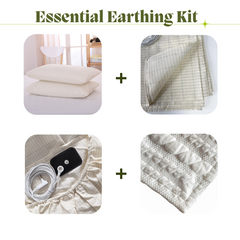
- Essential Grounding Starter Kits: Typically include a mat or sheet, coil cord, outlet ground checker, and continuity tester—ideal if you’re new to indoor earthing. The toolkit simplifies setup and verification at home or while traveling.
For best results, test your wall outlet with a ground checker before use, then connect the cord to the ground port. Direct skin contact yields the strongest effect; thin natural fibers may work but can reduce conductivity. Some people notice calm within minutes, while energy and sleep improvements may emerge over several nights to weeks.
Care matters for longevity. Wash conductive fabrics on gentle with mild detergent; avoid bleach, fabric softeners, and whitening agents that can degrade silver threads. Periodically test continuity and replace items showing heavy abrasion. Pair earthing with good habits—morning light, smart caffeine timing, and wind-down routines—to compound earthing stress reduction.
Terra Therapy offers fitted grounding bedsheets, grounding bed mats, and Essential Grounding Starter Kits designed for reliable indoor use. Customers often report steadier mornings and fewer mid-afternoon slumps—natural fatigue relief without stimulants. If you want to reduce brain fog naturally while supporting grounding sleep quality, Terra Therapy provides a straightforward place to start.
Real-World Benefits: Sleep, Stress, and Energy Improvement
People who try grounding for fatigue and brain fog often report three early wins: deeper sleep, calmer days, and steadier energy. Small peer-reviewed studies have linked earthing to shifts in autonomic balance and cortisol patterns, which may explain why it feels easier to unwind at night and stay clear-headed during the day. While research is still emerging, the combination of preliminary evidence and consistent user feedback makes grounding a practical step for natural fatigue relief.
Sleep is where many notice the biggest change. Using a fitted grounding sheet can help you fall asleep faster and wake up less, supporting grounding sleep quality without changing your bedtime routine. For example, some users place a grounding bed mat under the fitted sheet if they prefer not to switch bedding; others track progress with a sleep app to see trends in time-to-sleep and fewer nighttime awakenings.
Lower stress often follows improved sleep. Early studies suggest grounded sessions may nudge the nervous system toward parasympathetic “rest-and-digest,” aligning with earthing stress reduction reports from users who feel less reactive throughout the day. To make that actionable:
- Place a grounded mat under your desk and pair it with 2–3 minutes of slow breathing during breaks.
- Use a grounding bed mat during evening reading to signal wind-down.
- Keep a brief grounding routine consistent (e.g., the same 20–30 minutes daily) to reinforce benefits.
Many also notice smoother energy and fewer mental lapses. In reports, earthing benefits energy, mood, and clarity, and some pilot studies have observed changes in blood flow and heart-rate variability that could support alertness. Grounding can help reduce brain fog naturally when combined with basics like hydration, daylight exposure, and movement—especially if midafternoon slumps are your weak spot.
To simplify setup at home, Terra Therapy offers Fitted Grounding Bedsheets for all-night contact, Grounding Bed Mats if you prefer to keep your existing sheets, and Essential Grounding Starter Kits to cover both sleep and desk time. These options enable indoor earthing so you can test what works best for your routine.
Incorporating Grounding into Your Daily Wellness Routine
Making time for grounding can be simple and structured, so it actually sticks. Many people use grounding for fatigue and brain fog as part of a daily routine because it’s easy to pair with habits you already have. Start with brief, consistent sessions and build up as you notice changes in energy, mood, and focus.

Begin in the morning. Stand barefoot for 10–20 minutes on conductive surfaces like grass, soil, sand, or unsealed concrete while you hydrate and get sunlight. This pairing may amplify earthing stress reduction and help reduce brain fog naturally before your day ramps up.
- Morning: 10–20 minutes barefoot outdoors with light stretching and slow breathing.
- Workday: Feet on a grounding mat during focused blocks; take 5-minute grounded breaks.
- Post-workout: 15 minutes of grounding to support recovery and natural fatigue relief.
- Evening: Barefoot time in the yard or on a mat during wind-down reading or journaling.
- Overnight: Terra Therapy Fitted Grounding Bedsheets for continuous contact to support grounding sleep quality.
If outdoor time is limited, create an indoor setup. Place a grounding mat where your feet rest most—under a standing desk, at your reading chair, or beside the bed for morning routines. Terra Therapy’s Essential Grounding Starter Kits simplify indoor earthing with straightforward instructions, making it easier to be consistent and experience earthing benefits energy over time.
For sleep, prioritize direct skin contact. Terra Therapy’s Fitted Grounding Bedsheets connect to a properly grounded outlet or grounding rod; verify the ground with an outlet tester before use. Maintain safe practices—disconnect during electrical storms and follow product care guidelines to preserve conductivity and durability.
Track outcomes so you can refine your plan. Log bedtime, wake time, and perceived restfulness; rate daytime energy and mental clarity; note stress levels to observe trends in earthing stress reduction. Increase grounded time gradually (from 15–30 minutes up to an hour or more), and consult a healthcare professional if you have a medical implant or specific health concerns. Consistency is key—small daily sessions compound into meaningful, natural fatigue relief.
Addressing Common Concerns About Earthing Practices
It’s normal to have questions about safety, science, and practicality before trying earthing. Grounding products don’t “add electricity” to your body; they create a low-resistance connection to the Earth’s reference potential, similar to walking barefoot on grass. When used correctly, this can be a low-risk approach many people explore for natural fatigue relief and clearer thinking.
What does the evidence say? Early, small studies and pilot trials suggest grounding may support calmer cortisol rhythms, improved sleep onset, better heart-rate variability, and reductions in perceived pain and stress. While larger, high-quality trials are still needed, these signals—combined with user reports—are why some wellness seekers try grounding for fatigue and brain fog, especially alongside sleep hygiene, light exposure, and movement.
Common concerns, addressed:
- Is it safe with outlets? Use only the ground port via a properly wired three-prong outlet and a cord with an inline safety resistor. Test the outlet ground first; many kits include a simple checker.
- What about storms or power issues? Disconnect during thunderstorms, electrical work, or if you suspect wiring faults. If you’re sensitive to EMFs, avoid placing the mat near power strips and transformers.
- Medical conditions and medications? If you have a pacemaker/implantable device, are pregnant, or take anticoagulants, consult your clinician before starting. Begin gradually and monitor how you feel.
- Will it expose me to EMFs? Ground connection itself doesn’t feed power; it can reduce electric-field exposure from nearby wiring. In high-EMF environments, placement and cable routing matter—keep cords tidy and away from power bricks.
- How soon will I notice changes? Some people report better grounding sleep quality in a few nights; others need 2–4 weeks of consistent use. Track simple markers like time-to-sleep, mid-day energy, or focus to see trends.
- Do I need skin contact? Direct skin contact is best, but thin natural fibers can still work. Wash conductive sheets per instructions and avoid fabric softener to maintain performance.
For a straightforward setup, Terra Therapy offers fitted Grounding Bedsheets for overnight use and desk-friendly Grounding Mats to reduce brain fog naturally during work hours. Their Essential Grounding Starter Kits include a ground tester and clear guidance, helping you pursue earthing stress reduction and earthing benefits energy without guesswork. If travel or apartment wiring is a concern, their support guides outline alternatives so you can maintain a simple, sustainable routine.
Conclusion: Reclaiming Natural Energy Through Grounding
Grounding offers a simple, low-risk way to address everyday exhaustion without stimulants or complicated protocols. By restoring direct contact with the Earth’s electrical potential, early research and user reports suggest improvements in autonomic balance, inflammation markers, and circadian timing—factors tied to grounding for fatigue and brain fog. While results vary, many people notice steadier daytime energy and clearer thinking after consistent practice. It’s a pragmatic step for those prioritizing natural fatigue relief.
The easiest entry point is nighttime contact to support grounding sleep quality and morning alertness. Combine this with brief daytime sessions to reduce brain fog naturally when you’re most prone to dips, such as mid-afternoon. Track your response for 2–4 weeks so you can see patterns rather than rely on a single day.
Try a simple protocol:
- Night: Sleep on a grounded bedsheet or bed mat to extend contact time and support earthing stress reduction.
- Day: Take 10–20 minutes of outdoor barefoot time or use an indoor mat during focused work.
- Measure: Log sleep onset, nighttime awakenings, morning energy (1–10), and afternoon slump intensity weekly to gauge earthing benefits energy.
Quality and consistency matter. Indoor tools help you maintain contact when weather or schedules limit barefoot time. Terra Therapy’s fitted grounding bedsheets and bed mats are designed for reliable skin contact and easy setup via a grounded outlet, making daily use more realistic. If you’re just starting, an Essential Grounding Starter Kit can cover both sleep and desk time, helping you compare how each setting affects energy, mood, and focus.
As with any wellness change, listen to your body and consult a clinician if you use implanted medical devices or have specific medical concerns. Pair grounding with fundamentals—morning light, adequate hydration, whole foods, and movement—for compounding benefits. With consistent practice, many find a calmer nervous system, fewer afternoon crashes, and a clearer mind. To make it sustainable, explore Terra Therapy’s indoor earthing options to keep momentum and support long-term gains in energy and cognition.