


Introduction: Understanding Modern Stress and Energy Depletion
Modern life loads the nervous system with constant inputs—notifications, late-night screens, and round-the-clock expectations. Over time, this chronic activation flattens healthy cortisol rhythms, fragments sleep, and leaves you wired yet tired. If you’re aiming to relieve stress boost energy naturally, it helps to understand the levers that quietly drain resilience so you can address root causes without relying on quick fixes.
Sleep disruption is a major driver. Evening exposure to bright, blue-rich light suppresses melatonin and delays deep sleep, which increases next-day anxiety and fatigue. A common pattern: scrolling at 11 p.m., waking around 2–3 a.m., and hitting a mid-afternoon crash that tempts more caffeine—further eroding sleep quality.
Blood sugar volatility also mimics stress. Refined snacks and coffee on an empty stomach spike glucose and adrenaline, creating jitters, brain fog, and dips in mood. Stabilizing meals with protein, fiber, and healthy fats helps improve energy without caffeine and steadies focus across the day.
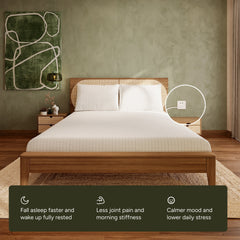
There’s also the cognitive load of constant context switching. Micro-stressors from messages and multitasking keep your sympathetic “go” system on, while time in nature—shown to lower perceived stress and support mood—activates recovery. Many people find that contact with the ground, from barefoot walks to indoor “earthing,” offers a simple, sensory way to downshift. Terra Therapy provides fitted grounding bedsheets, bed mats, and starter kits that enable indoor earthing, helping people weave nature-connected practices into daily rest and routines.
These stress relief natural methods target the core systems that govern calm and vitality:
- Morning outdoor light; dim, warmer light after sunset
- Protein-forward breakfasts and balanced meals to curb glucose swings
- Gentle movement “snacks” (e.g., 5-minute walks, mobility bursts) every 60–90 minutes
- Breathwork such as 4-7-8 or box breathing to nudge the parasympathetic system
- Boundaries for notifications and focused work blocks
- Regular contact with nature and grounding, indoors or out
As you explore natural stress management techniques and aim to boost energy levels naturally, think in systems: circadian rhythm, autonomic balance, metabolic steadiness, and sensory connection to the environment. Tools like Terra Therapy’s grounding products can complement habits that promote holistic stress reduction. For a deeper dive into gentle, evidence-informed practices, see their guide to Natural stress relief.
The Connection Between Stress, Sleep Quality, and Energy Levels
Stress, sleep quality, and daytime energy form a tight feedback loop. When stress activates the HPA axis, cortisol stays elevated later in the day, making it harder to fall asleep and reducing the depth of restorative sleep stages. A reliable way to relieve stress boost energy naturally is to restore healthy sleep patterns and lower evening stress arousal.
Deep non-REM sleep repairs tissues and recalibrates the immune and endocrine systems, while REM helps process emotions. Chronic stress shortens deep sleep and fragments REM, which shows up as grogginess, irritability, and cravings the next day. Protecting circadian rhythm—especially by getting morning light and dimming lights at night—can improve energy without caffeine by helping cortisol peak earlier and melatonin rise on time.
To rebalance the loop, start with natural stress management techniques you can apply today:
- Practice slow breathing (for example, 4 seconds in, 6–8 seconds out) for 5 minutes before bed to calm the nervous system.
- Keep a consistent sleep window and get 5–10 minutes of outdoor morning light to anchor your body clock.
- Move daily: a 20-minute brisk walk or short resistance session earlier in the day supports deeper sleep at night.
- Prioritize magnesium-rich foods (leafy greens, pumpkin seeds) and steady protein to stabilize blood sugar and mood.
- Dim screens and overhead lights 60 minutes before bed; use night mode to reduce blue light exposure.
- Take brief “micro-recovery” breaks during the day—stretching, a few mindful breaths, or a short walk—to prevent stress from accumulating.
Among stress relief natural methods, earthing (grounding) is an accessible option that fits into holistic stress reduction. Preliminary research and anecdotal reports suggest that contact with the Earth’s surface may help balance the autonomic nervous system, ease perceived stress, and support sleep onset. Terra Therapy enables indoor earthing with fitted grounding bedsheets, starter kits, and a Grounding bed mat, so you can incorporate grounding while you rest or work.
As sleep becomes deeper and more consistent, cortisol curves normalize, and you’ll often notice steadier focus and motivation—ways to boost energy levels naturally throughout the day. Track changes with a simple journal: bedtime, wake time, perceived stress, and energy ratings. Layering these natural stress management techniques with tools like Terra Therapy’s solutions helps you build sustainable habits that reduce stress and elevate energy without relying on stimulants.
Natural Stress Relief Methods: Evidence-Based Approaches
Lasting results come from small, consistent habits that recalibrate your nervous system. To relieve stress, boost energy naturally, focus on practices backed by research rather than quick fixes. Together, these create a foundation for holistic stress reduction you can maintain.

Start with your breath. Slow, diaphragmatic breathing at roughly six breaths per minute can lower heart rate, improve heart rate variability, and reduce perceived stress within minutes. Mindfulness-based stress reduction (MBSR) programs have randomized trials showing meaningful drops in anxiety and better sleep; even 8–10 minutes of mindful attention to breath or body sensations can provide measurable relief during high-pressure days.
Move your body most days, ideally outdoors. Brisk walking, cycling, or light strength work for 20–30 minutes releases endorphins and dampens stress hormones, while also helping boost energy levels naturally. Morning daylight exposure (5–15 minutes) anchors your circadian rhythm so you improve energy without caffeine and fall asleep more easily at night.
Prioritize sleep as a core lever for natural stress management techniques. Keep a consistent schedule, dim screens 1–2 hours before bed, and cool your room to around 60–67°F; these changes are foundational. Preliminary studies suggest earthing (direct skin contact with grounded surfaces) may improve sleep quality and modulate cortisol in some participants; if you’re curious, Terra Therapy’s fitted grounding bedsheets and bed mats offer an easy way to test indoor earthing at home alongside other sleep hygiene practices.
Practical ways to implement stress relief natural methods today:
- Do 5 minutes of resonance breathing before meetings or after tough emails.
- Take a 10–20 minute daylight walk within an hour of waking.
- Schedule three 3-minute movement or stretch breaks every 60–90 minutes.
- Create a 30-minute wind‑down with a book, dim light, and no phone.
- Try a body scan or progressive muscle relaxation when you can’t switch off.
Fuel and connection matter. Build meals around protein, fiber, and colorful plants to stabilize blood sugar; limit added sugars that spike and crash energy. Stay hydrated, and consider magnesium glycinate or omega‑3s if your clinician recommends them, as evidence suggests modest benefits for stress and sleep in some cases. Time in nature and regular social contact both reduce rumination and cortisol reactivity, rounding out a sustainable, holistic stress reduction plan.
The Role of Grounding in Reducing Anxiety and Tension
Grounding—also called earthing—means making direct contact with the Earth’s surface or using conductive systems that connect you to a grounded source indoors. If you’re aiming to relieve stress boost energy naturally, this low-effort practice can help calm the nervous system and improve sleep quality. Many people report a noticeable drop in muscle tension and racing thoughts within minutes of contact, especially after long screen-heavy days.
Early research suggests why. Small studies have found that grounding can shift heart rate variability toward parasympathetic “rest-and-digest” dominance, a marker associated with relaxation. In pilot sleep experiments, participants who slept while grounded showed more normalized 24‑hour cortisol rhythms and reported less perceived stress and pain over several weeks. While larger trials are needed, these signals align with a practical approach to holistic stress reduction.
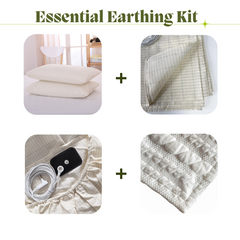
You can ground outdoors by standing barefoot on grass, soil, or sand for 20–30 minutes, especially in the morning to support circadian rhythms. For busy schedules or bad weather, indoor options make the practice consistent: conductive bedsheets and mats plugged into a properly grounded outlet deliver the same connection while you rest or work. Terra Therapy offers fitted Grounding Bedsheets, Grounding Bed Mats, and Essential Grounding Starter Kits designed to make indoor earthing simple and reliable.
Try these routines to weave grounding into stress relief natural methods and boost energy levels naturally:
- Night: Sleep on a fitted grounding bedsheet to support deeper, more continuous rest—better sleep is the fastest way to boost energy levels naturally.
- Midday: Take a 15-minute break with a grounding mat under your feet paired with slow nasal breathing to improve energy without caffeine.
- Workday: Place a mat under your desk to ease shoulder and jaw tension during high-focus tasks.
- Wind-down: Sit with hands or feet on a mat while journaling or meditating to cue a calmer state before bed.
For best results, pair grounding with natural stress management techniques such as diaphragmatic breathing, gentle mobility, daylight exposure, and steady hydration. Track outcomes like sleep quality, morning alertness, and perceived anxiety to see what changes first. If you use implanted medical devices or have specific health concerns, consult your clinician before starting any new routine, and always ensure outlets are properly grounded with a tester for safe, effective use.
Lifestyle Habits That Naturally Boost Energy
If your goal is to relieve stress boost energy naturally, start by stabilizing your daily rhythm. Consistent wake and sleep times anchor your biology, making energy more predictable and stress easier to manage. Pair this with brief morning daylight exposure and a wind-down routine at night to cue your body for deeper rest.
Protect sleep quality with simple environmental tweaks. Keep the bedroom cool, dark, and quiet; 60–67°F helps many people sleep more soundly. Dim screens and overhead lights 60 minutes before bed, and finish your last heavy meal two to three hours prior to sleep to prevent disruptions.

Move your body every day, but keep intensity appropriate. A 20–30 minute brisk walk, a few sets of bodyweight strength moves, or cycling at a conversational pace can boost energy levels naturally without leaving you depleted. Sprinkle in two- to three-minute movement breaks each hour to combat the afternoon slump.
Use natural stress management techniques that downshift your nervous system. Slow-breath practices—like box breathing (4-4-4-4) or the 4-7-8 technique—can reduce sympathetic arousal within minutes. Short mindfulness check-ins, a five-minute journal session, or a quick stretch break are stress relief natural methods that fit into busy days.
Fuel steady energy by smoothing blood-sugar swings. Center meals on protein (20–30 g), fiber-rich vegetables, and complex carbs; for example, eggs and oats at breakfast or salmon, quinoa, and greens at dinner. Hydrate early and often, adding electrolytes if you sweat; if you want to improve energy without caffeine, combine water, light movement, and natural light before reaching for a second cup.
Reconnect with the outdoors whenever possible. A barefoot walk on grass or sand, gardening, or time by trees supports holistic stress reduction. For days when getting outside isn’t feasible, earthing products can help you bring nature’s calm indoors; Terra Therapy’s fitted grounding bedsheets and mats are designed to enable indoor earthing while you sleep or work, and many users report better sleep and a greater sense of ease.
Make these habits stick by bundling them into simple micro-routines:
- Morning: 5–10 minutes of daylight, a full glass of water, and gentle stretches.
- Workday: 50 minutes focused work, then a 10-minute walk or mobility break.
- Afternoon slump: a brief outdoor walk or two minutes of paced breathing instead of extra caffeine.
- Evening: screens off an hour before bed, warm shower, light reading, and a consistent lights-out time.
How Better Sleep Improves Stress Resilience and Vitality
Quality sleep is one of the most reliable ways to relieve stress boost energy naturally. During consistent, restorative nights, the brain and nervous system recalibrate: stress hormones like cortisol follow a healthier daily rhythm, heart rate variability improves, and the amygdala (your threat detector) quiets. The result is a calmer baseline and a body that bounces back faster from everyday pressures.
Different sleep stages contribute in complementary ways. Slow-wave sleep supports immune and metabolic repair while helping normalize cortisol for the next day. REM sleep processes emotions and consolidates memories, reducing next-day reactivity and mental fatigue so you can boost energy levels naturally without leaning on quick fixes.
Circadian alignment makes quality sleep more repeatable. Morning daylight anchors your internal clock, signaling when to be alert and when to produce melatonin at night. In the evening, dim lights, limit screens, and keep your bedroom cool (around 60–67°F/15–19°C) so your body can drop core temperature and drift off more easily.
Practical upgrades that double as natural stress management techniques:
- Keep a consistent 7–9 hour sleep window, even on weekends.
- Get 5–15 minutes of outdoor morning light; in the evening, use warm lighting and screen filters.
- Finish vigorous workouts at least 3 hours before bed; try a brief walk or gentle stretching after dinner for stress relief natural methods.
- Time caffeine to the morning and limit alcohol; both can fragment sleep. This helps improve energy without caffeine the next day.
- Create a wind-down ritual (breathing exercises, light reading, or journaling) to cue your nervous system for rest.
- Support sleep nutrition: prioritize protein and fiber at dinner; finish meals 2–3 hours before bed.
Many people also find that grounding—direct contact with the Earth’s surface—promotes deeper relaxation at night. Emerging research and user reports suggest earthing may help regulate autonomic balance and sleep onset. Terra Therapy offers fitted grounding bedsheets, bed mats, and Essential Grounding Starter Kits that enable indoor earthing while you sleep, providing a simple, passive layer to holistic stress reduction without changing your routine.
Try a two-week sleep reset: set a fixed bedtime and wake time, get early daylight, reduce late caffeine, and add a calming wind-down. Consider layering in Terra Therapy’s grounding bedsheet or mat to encourage a steadier nighttime nervous system. Track a few markers—time to fall asleep, nighttime awakenings, morning alertness, and stress reactivity—and adjust until your sleep reliably restores vitality.

Creating a Holistic Wellness Routine for Lasting Results
To relieve stress boost energy naturally, build a routine that aligns with your circadian rhythm and reduces hidden drains on recovery. Think in daily cycles—morning activation, daytime productivity, evening downshift—so each choice supports the next. A simple framework makes stress relief natural methods more sustainable and measurable.
Prioritize sleep as the foundation. Keep a consistent wake time, get 5–10 minutes of bright morning light, and dim lights 60–90 minutes before bed to cue melatonin. Limit caffeine after noon and alcohol within three hours of bedtime; both fragment sleep and hinder overnight recovery. Aim for a cool room (60–67°F) and a wind-down routine that includes reading, gentle stretches, or a warm shower to boost energy levels naturally the next day.
Use movement and breath as natural stress management techniques. Combine 150 minutes of moderate cardio weekly with two short strength sessions to stabilize mood and blood sugar. Insert micro-breaks—two minutes of mobility every 60–90 minutes—to prevent tension build-up. For rapid calm, try 4-7-8 breathing or a one-minute physiological sigh; both can lower perceived stress in the moment.
Nourish for steady energy and to improve energy without caffeine. Build meals around protein (20–30 g), fiber-rich vegetables, and healthy fats to blunt midafternoon crashes. Front-load hydration (16–24 oz water within two hours of waking), add electrolytes if active, and time heavier meals earlier. Delay your first coffee 60–90 minutes after waking and swap an afternoon latte for green tea or a short walk.
Consider grounding as an adjunct for holistic stress reduction. Light barefoot contact with natural surfaces outdoors may help some people feel calmer; early studies and user reports suggest potential benefits for sleep quality and stress markers, but evidence is still emerging. If outdoor time is limited, Terra Therapy offers fitted grounding bedsheets and bed mats that enable indoor earthing while you sleep or work. Many choose a bedside setup or an under-desk mat to weave grounding into existing habits.
A practical weekly template:
- Morning: wake at a fixed time, get sunlight, hydrate, short mobility circuit.
- Midday: 10–15 minute walk after lunch; prioritize a protein-and-produce meal.
- Afternoon: two breath breaks; postpone caffeine, or switch to herbal tea.
- Evening: tech curfew 60 minutes before bed; warm shower and light stretching.
- Sleep: cool, dark room; if exploring grounding, use a Terra Therapy sheet for consistent contact.
- Weekly: review sleep duration/quality, energy ratings, and stress triggers; adjust one variable at a time.
Track simple metrics—sleep consistency, resting heart rate, HRV if available, and a 1–10 energy score—to see what moves the needle. Start with one habit per week, stack it onto an existing routine, and iterate. If symptoms persist or worsen, consult a healthcare professional for personalized guidance.
Conclusion: Taking Action Toward Natural Well-being
Lasting change comes from small, repeatable choices. If your goal is to relieve stress boost energy naturally, focus on a few behaviors you can sustain instead of trying everything at once. Think in terms of natural stress management techniques layered into your day, drawing from proven stress relief natural methods like light, movement, breath, and sleep routine.
Build a simple AM/PM plan you can follow 80% of the time. Use the ideas below to create your personal checklist and set reminders until they become automatic.
- Morning light: Get 5–10 minutes of outdoor daylight within 30 minutes of waking to anchor your body clock.
- Breakfast: Hydrate and prioritize protein (e.g., eggs, Greek yogurt, tofu) to improve energy without caffeine spikes.
- Breathing: Do 2 minutes of box breathing (4-4-4-4) or 4-7-8 to downshift your nervous system.
- Movement: Take a 10-minute brisk walk at lunch and add “movement snacks” (1–2 minutes of stairs, squats, or mobility) each hour.
- Caffeine: Set a cutoff by 2 p.m. to protect sleep quality and next‑day alertness.
- Mindset: Try a 3-minute gratitude or “wins” note to widen perspective under pressure.
- Evening wind-down: Dim lights 60–90 minutes before bed, stretch gently, and keep devices out of the bedroom.
- Grounding: Spend 20–30 minutes barefoot on grass or, if that’s not practical, use indoor options like Terra Therapy grounding bedsheets or a desk mat to bring earthing into daily life.
Track what changes how you feel so you can iterate. Rate daily energy (1–10), note time-to-sleep and overnight wake-ups, and watch basics like steps, resting heart rate, and mood. Review weekly to refine your plan for holistic stress reduction and to boost energy levels naturally without overhauling your entire lifestyle.
When nature time is limited, Terra Therapy offers fitted grounding bedsheets, bed mats, and starter kits that make indoor earthing simple to integrate—place the sheet on your mattress and connect it to a grounded outlet per instructions. Many people find that consistent grounding complements other natural stress management techniques by supporting deeper rest and a calmer baseline; results vary by individual, so pair it with the fundamentals above. If symptoms persist or you have a medical condition, consult a healthcare professional. Start with one or two actions today, build consistency, and let small wins compound into a steadier mind and more resilient energy.