



Understanding Chronic Fatigue and Low Energy
Feeling tired after a late night is normal. Chronic fatigue is different—low energy persists despite adequate rest and starts to limit work, exercise, or social life. It can stem from lifestyle patterns, hidden health issues, or both. Distinguishing common overwork from medical causes (such as anemia, thyroid disorders, sleep apnea, or depression) is essential because the most effective natural remedies for fatigue address the root.
Common drivers of low energy include:
- Sleep debt and circadian disruption (irregular bed/wake times)
- High stress and anxiety elevating cortisol
- Poor sleep quality from pain, screens, or caffeine late day
- Nutrient gaps (iron, B12, vitamin D), dehydration, low protein
- Blood sugar swings from refined carbs or skipped meals
- Sedentary routines or overtraining without recovery
- Medications, alcohol, or underlying illness
These insights point to practical, natural energy boosters:
- Keep a consistent sleep-wake schedule to improve sleep for vitality
- Get morning outdoor light; dim screens 1–2 hours before bed
- Anchor meals with protein, fiber, and healthy fats; time caffeine before noon
- Hydrate with water and electrolytes during long work blocks
- Use movement snacks (3–5 minutes of walking or mobility) every hour
- Try breathwork or brief mindfulness to downshift stress
- Consider a 10–20 minute nap before 3 p.m. on heavy days
Earthing for energy is a complementary option within holistic fatigue solutions. By directly contacting the Earth’s surface—or using conductive bedsheets and mats indoors—some people report deeper sleep, calmer mood, and less perceived stress. Early studies suggest grounding may help normalize daily cortisol patterns and reduce pain, which can support the ability to overcome chronic tiredness. Many prefer overnight contact (e.g., a fitted grounding bedsheet) to build consistency.
Seek medical evaluation if fatigue lasts longer than three months, worsens, or is accompanied by symptoms like shortness of breath, chest pain, fever, or unexplained weight change.
Common Causes of Persistent Tiredness
Persistent tiredness is rarely caused by just one thing. It’s often a mix of lifestyle, environmental, and medical factors that chip away at your energy over time.
- Fragmented or insufficient sleep. Light, noise, late meals, and inconsistent bedtimes disrupt restorative stages. Common patterns include waking at 3–4 a.m., weekend “catch-up” sleep, and daytime drowsiness. Shift work and evening screen exposure can misalign circadian rhythms, making it hard to improve sleep for vitality.
- Chronic stress and anxiety. Ongoing worry keeps cortisol elevated, leading to wired‑but‑tired evenings, shallow sleep, and morning fatigue. You may notice afternoon slumps, clenched jaw, or reliance on caffeine as quick “natural energy boosters” that backfire.
- Low daylight and little time outdoors. Minimal morning light delays melatonin onset at night. Limited contact with nature can reduce mood and energy; some people also explore earthing for energy as part of broader lifestyle changes.
- Nutrient gaps and dehydration. Low iron/ferritin, B12, vitamin D, or magnesium can sap stamina. Skipping protein at breakfast or irregular meals can cause blood sugar dips. Even mild dehydration impairs alertness.
- Sedentary habits—or overtraining. Too little movement lowers mitochondrial efficiency, while intense daily workouts without recovery trigger persistent soreness, poor sleep, and exhaustion.
- Stimulants, alcohol, and sugar. Late-day caffeine lingers for 6–10 hours. Nightly alcohol fragments sleep. Sugary snacks cause energy spikes followed by crashes that make it harder to overcome chronic tiredness.
- Environmental disruptors. Bedroom heat, blue light, and noisy or uncomfortable sleep surfaces undermine deep sleep. Travel and jet lag add circadian strain.
- Medications and underlying conditions. Antihistamines, some blood pressure meds, and antidepressants can cause sleepiness. Thyroid issues, sleep apnea (loud snoring, morning headaches), anemia, and diabetes are common medical drivers.
Identifying your mix of contributors helps you choose targeted, natural remedies for fatigue. A sleep-focused routine, nutrition tune‑ups, gentle activity, and holistic fatigue solutions—layered with guidance from a clinician when red flags appear—create a clear path back to steady energy.
Nutrition Strategies for Sustained Vitality
Food timing and quality are powerful natural remedies for fatigue because they stabilize blood sugar and support cellular energy. Aim to build every meal with protein, fiber-rich carbs, and healthy fats to prevent energy crashes.
- Protein: 20–30 g per meal. Examples: eggs, Greek yogurt, tofu, legumes, chicken, fish.
- Smart carbs: oats, quinoa, beans, lentils, sweet potatoes, berries.
- Healthy fats: olive oil, avocado, nuts, seeds, tahini.
Sample meals:
- Breakfast: spinach-and-feta omelet with whole-grain toast, or Greek yogurt with berries, chia, and almonds.
- Lunch: lentil–quinoa bowl with roasted vegetables and tahini.
- Dinner: salmon, sweet potato, and sautéed greens.
- Snacks: apple with peanut butter, hummus with carrots, edamame, cottage cheese with pineapple.
Hydration is an underrated natural energy booster. Even mild dehydration feels like brain fog. Sip water consistently (clear or pale-yellow urine is a good sign). Add electrolytes when sweating or during long workdays. Potassium- and magnesium-rich foods—leafy greens, beans, pumpkin seeds, cacao—also help.
Check key micronutrients that commonly affect energy. If fatigue persists, ask your clinician about labs for iron (and ferritin), B12, folate, vitamin D, and thyroid markers.
- Iron: red meat, mussels, beans; pair plant iron with vitamin C (citrus, peppers) to boost absorption.
- B12: fish, eggs, dairy, fortified nutritional yeast.
- Omega-3s: salmon, sardines, walnuts, flax.
- Magnesium: pumpkin seeds, almonds, spinach, dark chocolate.
Use caffeine strategically. Delay the first cup 60–90 minutes after waking, limit to early afternoon, and pair with protein to reduce jitters. Green tea offers a steadier lift via L‑theanine.
Guard sleep by front-loading calories earlier in the day, keeping a 12-hour overnight fast, and avoiding heavy late dinners. Minimize alcohol, added sugars, and ultra-processed foods that spike and crash energy.
For holistic fatigue solutions, combine steady nutrition with stress reduction, light movement, and practices like earthing for energy to improve sleep for vitality and help overcome chronic tiredness.
The Role of Hydration in Energy
Even mild dehydration can make everyday tasks feel harder. A 1–2% drop in body water reduces blood volume, slows oxygen delivery, and increases perceived effort, which shows up as brain fog, headaches, and low mood. Because water is essential for nutrient transport and cellular energy production, staying hydrated belongs on any list of natural remedies for fatigue.

Hydration also influences temperature regulation and circadian rhythms. Being under-hydrated during the day can raise evening heart rate and core temperature, making it harder to fall and stay asleep—undermining efforts to improve sleep for vitality.
Practical ways to use hydration as one of your natural energy boosters:
- Calibrate intake: Many adults do well with roughly 2–3 liters of total fluids daily (from water, beverages, and high-water foods). Needs rise with heat, altitude, activity, and breastfeeding. Let thirst and pale-straw urine guide you.
- Front-load your day: Drink most fluids before late afternoon. Taper 2–3 hours before bed to reduce sleep disruption from bathroom trips.
- Start smart: On waking, have 12–16 oz water. If you sweat heavily or eat very low carb, add electrolytes (sodium, potassium, magnesium) to support fluid balance.
- Balance stimulants: Pair each coffee or tea with a glass of water to offset diuretic effects and the mid-morning energy crash.
- Eat your water: Include cucumber, citrus, berries, leafy greens, broth, and yogurt to add fluids plus minerals.
- Replace what you lose: During workouts, heat exposure, or illness, consider a low-sugar electrolyte mix or a homemade option (water + pinch of mineral salt + splash of citrus).
If you practice indoor grounding—such as using a conductive bedsheet or mat—well-hydrated skin improves electrical conductance, potentially enhancing comfort during sessions. Pairing consistent hydration with earthing for energy can be part of holistic fatigue solutions to overcome chronic tiredness.
Note: Avoid overhydration (persistently clear urine, bloating, headache). If fatigue is severe or persistent, consult a clinician to rule out underlying causes.
Movement and Mindful Exercise
Regular, low-to-moderate movement is one of the most reliable natural remedies for fatigue. Counterintuitively, gentle activity can feel energizing, while prolonged inactivity can worsen sluggishness. Aim to finish sessions feeling better than when you started.
A simple weekly structure:
- Most days: 20–30 minutes of brisk walking. Use the talk test—breathing deeper but able to speak in short sentences.
- Twice weekly: light strength work (e.g., bodyweight squats, wall push-ups, hip hinges) for 10–15 minutes to support muscle and mitochondrial health.
- Daily “movement snacks”: every 60–90 minutes, do 2–3 minutes of mobility—neck rolls, shoulder circles, calf raises, and hip openers—to lift energy and reduce stiffness.
Mindful exercise amplifies benefits by calming the nervous system—key to overcome chronic tiredness:
- Yoga flow: cat–cow, child’s pose, low lunge, and supine twist (2–3 slow breaths per pose).
- Breathwork: 4–6 breathing (inhale 4 seconds, exhale 6 seconds) for 5 minutes to reduce stress reactivity.
- Low-impact intervals: after a warm-up, alternate 1 minute of faster walking with 2 minutes easy for 10–15 minutes.
Build gradually toward 150 minutes/week of moderate activity, as tolerated. If you experience post-exertional symptom flare, use pacing: 1–2 minutes of very gentle movement followed by longer rest, and increase only when recovery is consistent.
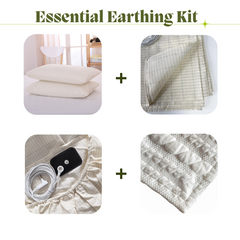
Outdoor movement boosts natural energy boosters like daylight cues for circadian rhythm and mood. Where safe, add 10–20 minutes of barefoot walking on grass or sand—earthing for energy is an emerging practice, and preliminary studies suggest grounding may help reduce perceived stress and improve sleep, supporting holistic fatigue solutions. If going barefoot outside isn’t practical, use an indoor option during stretching or desk time, such as Terra Therapy Grounding Bed Mats. For overnight recovery, Fitted Grounding Bedsheets can be paired with a consistent exercise routine to improve sleep for vitality. The Essential Grounding Starter Kit makes integrating these practices straightforward.
Hydrate, cool down with easy stretches, and keep a brief log of what leaves you feeling most refreshed. Consistency—more than intensity—drives sustainable energy gains.
Effective Stress Reduction Techniques
Chronic stress drains energy by disrupting cortisol rhythms, tightening muscles, and fragmenting sleep. Calming the nervous system is one of the most effective natural remedies for fatigue because it restores the conditions your body needs to produce steady energy.
Try these evidence-informed techniques and keep them simple and consistent:
- Slow breathing: Practice 4-7-8 or 6 breaths per minute for 5 minutes, 2–3 times daily. This boosts heart rate variability and reduces sympathetic overdrive, a natural energy booster without stimulants.
- Micro-meditations: Add 2-minute body scans between tasks. Noting sensations and breath helps interrupt rumination and mental fatigue.
- Progressive muscle relaxation: Tense and release each muscle group from feet to forehead for 10 minutes in the evening. It eases somatic tension that can keep you wired and tired.
- Morning light, evening dim: Get 5–15 minutes of outdoor light within an hour of waking; reduce bright light and screens 1–2 hours before bed. Anchoring your circadian clock helps improve sleep for vitality.
- Movement snacks: Three brisk 10-minute walks per day can lower stress hormones and sharpen focus while helping you overcome chronic tiredness.
- Boundaries that protect energy: Cap caffeine by early afternoon, batch news/social media into short windows, and schedule recovery like meetings.
- Nature connection and earthing for energy: Spend 20 minutes barefoot on grass or soil when possible. Indoors, grounding options like fitted grounding bedsheets overnight or a mat under your desk can provide contact with the Earth’s conductive surface year-round. Early studies suggest grounding may influence stress markers and sleep quality; consider it as part of holistic fatigue solutions alongside good sleep hygiene.
- Wind-down ritual: Same time nightly, warm shower, light stretching, and a cool, dark room. Consistency matters more than perfection.
Track what works using a simple energy log (morning/evening ratings). Small, repeatable practices compound, offering sustainable, natural energy boosters that fit everyday life.
Optimizing Sleep Quality Naturally
Restorative sleep is one of the most effective natural remedies for fatigue. Aim to improve sleep for vitality by refining timing, environment, and pre-bed routines so your body can repair and your energy rebounds naturally.

Practical steps that make a measurable difference:
- Keep a consistent sleep-wake schedule (including weekends) targeting 7–9 hours.
- Get outdoor light within 30–60 minutes of waking for 5–15 minutes; dim lights and screens 1–2 hours before bed.
- Set bedroom temperature to 60–67°F (16–19°C). Use blackout curtains and a white-noise machine or earplugs to reduce disturbances.
- Cut caffeine at least 8 hours before bedtime; limit alcohol, which fragments sleep.
- Create a 30–60 minute wind-down: light reading, gentle stretching, or 4-7-8 breathing. A warm shower 1–2 hours before bed can aid thermal drop and sleep onset.
- Time exercise earlier in the day; late vigorous workouts can delay sleep. Brief naps (<30 minutes, before mid-afternoon) won’t derail nighttime rest.
- Consider food timing: finish larger meals 2–3 hours before bed. Some find a small protein-carb snack helpful if they wake hungry.
Supportive, evidence-informed options:
- Nutrients like magnesium glycinate or glycine (and tart cherry juice, a source of melatonin) are often used for relaxation; consult a healthcare professional for fit and dosage.
- Earthing for energy: Emerging research suggests grounding may support relaxation, reduce perceived stress, and improve sleep quality in some individuals. Terra Therapy fitted grounding bedsheets and grounding bed mats enable indoor earthing by connecting your body to a grounded outlet while you rest. The Essential Grounding Starter Kits make it easy to trial at home.
Track what works. Use a simple sleep log or wearable to spot patterns—late caffeine, irregular bedtimes, or overheating—that may keep you stuck. Over time, these holistic fatigue solutions help you overcome chronic tiredness and build a foundation of natural energy boosters that last.
Reconnecting with Earth: Grounding Benefits
Grounding (also called earthing) involves making direct skin contact with the Earth or a conductive surface connected to the Earth’s ground. For many wellness seekers, it’s a gentle, low-effort practice to consider alongside other natural remedies for fatigue, with the goal of helping the body settle, sleep more deeply, and wake with steadier energy.
Early research, while limited, is encouraging. Small trials have reported improvements in sleep quality, perceived stress, and pain when participants slept grounded. Some studies observed a normalization of circadian cortisol rhythms and shifts in heart rate variability—signals of a calmer autonomic nervous system. When stress reactivity drops and sleep consolidates, it’s easier to overcome chronic tiredness and improve sleep for vitality the next day.
Practical ways to try earthing for energy indoors:
- Overnight: Use a fitted grounding bedsheet or a bed mat to remain grounded for 6–8 hours. Many people notice changes within 1–3 weeks. Track time-to-sleep, nighttime awakenings, and how refreshed you feel.
- Workday: Place a grounding mat under bare feet or wrists for 60–120 minutes, especially during the afternoon slump. Pair with posture resets and short walks for natural energy boosters that don’t rely on caffeine.
- Simple setup: An essential grounding starter kit streamlines cables, adapters, and an outlet checker so you can get started quickly and correctly.
For best results, stack grounding with holistic fatigue solutions:
- Morning daylight exposure to anchor your body clock
- Consistent sleep and wake times
- Light movement after meals to steady energy
- Hydration and mineral-rich foods
Safety and setup notes:
- Verify your outlet is properly grounded using an outlet tester before connecting any product.
- Discontinue use if you experience skin irritation.
- Consult your clinician if you’re pregnant or use implanted medical devices.
Used consistently, grounding products—such as fitted grounding bedsheets, bed mats, and starter kits—offer a practical way to reconnect with nature indoors and support steadier daily energy.
Targeted Supplements for Energy
Supplements can be effective natural remedies for fatigue when they target the specific reasons you’re low on energy. Start by identifying deficiencies and addressing sleep and stress—then layer in natural energy boosters with good evidence.
Check and correct common gaps:
- Iron: Only if ferritin/iron are low. 25–65 mg elemental iron daily with vitamin C; recheck labs to avoid overload.
- Vitamin B12: If low or plant‑based, 1,000 mcg methylcobalamin daily (or weekly high‑dose) can help overcome chronic tiredness.
- Vitamin D3: Test first; many adults need 1,000–2,000 IU daily with food, then retest in 8–12 weeks.
- Magnesium glycinate: 200–400 mg in the evening supports relaxation and may improve sleep for vitality.
Support cellular energy (mitochondria):
- CoQ10 (100–200 mg with a meal) aids ATP production, especially if you take statins or feel “wired and tired.”
- Acetyl‑L‑carnitine (500–1,000 mg 1–2x/day) helps shuttle fatty acids into mitochondria for fuel.
- Alpha‑lipoic acid (300–600 mg/day) supports mitochondrial enzymes and antioxidant balance.
- Creatine monohydrate (3–5 g/day) can improve mental and physical energy without stimulants.
Manage stress and focus:
- Rhodiola rosea (200–400 mg standardized to ~3% rosavins/1% salidroside) may reduce fatigue under stress and enhance stamina.
- Ashwagandha (300–600 mg/day of a standardized extract) can lower perceived stress and improve sleep quality; avoid with hyperthyroidism unless cleared by your clinician.
- L‑theanine (100–200 mg) paired with modest caffeine (50–100 mg) promotes calm focus with fewer jitters.
Don’t overlook electrolytes. If you sweat heavily or eat very low carb, add sodium and potassium (often via an electrolyte mix). Those with kidney or heart conditions should consult a clinician.

Timing matters: stimulating supplements (rhodiola, carnitine) are best in the morning; magnesium in the evening. Pairing targeted supplements with restorative habits—consistent sleep, light exposure, and indoor earthing for energy (such as grounding during sleep) can amplify holistic fatigue solutions without relying on stimulants. Always review supplements and interactions with your healthcare provider.
Integrating Natural Remedies into Your Life
Bringing natural remedies for fatigue into your routine works best when you stack small, consistent habits. Focus on regulating your circadian rhythm, stabilizing energy with nutrition and movement, and creating deeper recovery at night.
- Morning light and movement: Get 5–15 minutes of outdoor sunlight within an hour of waking. Add a brisk 10-minute walk. This cues your body clock to improve sleep for vitality and steadier daytime energy.
- Smart hydration and minerals: Sip water regularly and consider electrolytes during active or hot days. Many adults fall short on magnesium; magnesium glycinate in the evening can support relaxation. If fatigue persists, ask a clinician about iron, B12, or thyroid status.
- Protein-forward meals: Aim for 20–30 g of protein at each meal, paired with fiber-rich carbs and healthy fats. This steadies blood sugar, a core driver of afternoon slumps.
- Strategic caffeine: Wait 60–90 minutes after waking before your first cup, and avoid caffeine after early afternoon to protect sleep depth.
- Breathwork and micro-rest: Use 2–5 minutes of box breathing or 4-7-8 breathing between tasks. Short, regular resets calm the stress response and can help you overcome chronic tiredness.
- Earthing for energy: Spend 10–20 minutes with bare feet on grass or soil. When outdoors isn’t practical, indoor grounding options—like a fitted grounding bedsheet, bed mat, or an essential starter kit from Terra Therapy—enable daily practice. Ensure bare-skin contact and a properly grounded outlet. While research is emerging, many users report deeper relaxation and better sleep, which may translate to more daytime energy.
- Sleep anchors: Keep a fixed wake time, darken and cool your room (around 65–68°F), and power down screens an hour before bed. A brief stretch or warm shower can cue wind-down.
Track a simple 1–10 energy score and weekly sleep totals. Over two to four weeks, combine these natural energy boosters to build holistic fatigue solutions that are sustainable and effective. Consistency is the multiplier.
When to Consult a Healthcare Professional
See a clinician if fatigue lasts more than 2–4 weeks despite prioritizing sleep, nutrition, hydration, movement, and other natural remedies for fatigue. Seek care sooner if tiredness is sudden, severe, or disrupts work, relationships, or daily functioning.
Get urgent help for red flags:
- Chest pain, shortness of breath, fainting, new confusion, severe headache, or stroke-like symptoms
- Rapid or irregular heartbeat
- Unexplained weight loss, persistent fever, night sweats
- Blood in stool, black stools, or heavy menstrual bleeding
- Loud snoring with witnessed pauses in breathing
- Depressed mood with thoughts of self-harm
- Pregnancy-related exhaustion that feels out of proportion
Ask your provider about conditions commonly behind chronic fatigue and the tests that can clarify causes:
- Thyroid disorders: TSH, free T4
- Anemia/iron deficiency: CBC, ferritin, iron panel
- Blood sugar/metabolic issues: CMP, fasting glucose, A1c
- Nutrient gaps: vitamin B12, folate, vitamin D, magnesium
- Inflammation/infection: CRP or ESR
- Sleep disorders: home or lab sleep study for apnea
- Mental health: screening for depression, anxiety, or trauma
- Medication and substance review: sedatives, antihistamines, beta-blockers, alcohol, cannabis
Prepare for the visit with a one- to two-week snapshot:
- Sleep/wake times, snoring, awakenings, and steps you’ve taken to improve sleep for vitality
- Energy ratings across the day; activities that drain or restore you
- Meals, caffeine, alcohol, and hydration
- All supplements and natural energy boosters you’ve tried (dose and response)
- Stressors and recovery practices (breathwork, sunlight, pacing, earthing for energy)
If you use indoor grounding products, note whether they help you overcome chronic tiredness, sleep quality, pain, or mood. Discuss safe use with your clinician, especially if you’re pregnant, have a pacemaker or other implanted device, or take anticoagulants.
A healthcare professional can design holistic fatigue solutions that pair targeted treatment (for example, iron repletion or sleep apnea therapy) with lifestyle strategies you can sustain.
Embrace a More Energetic Future
Sustainable change starts with a simple, testable plan. Combine natural remedies for fatigue with small daily rituals, track what works, and refine. Energy is built, not borrowed.
Try a two-week protocol:
- Protect your sleep window. Go to bed and wake up at consistent times (for example, 11 p.m.–7 a.m.). Keep the room cool, dark, and quiet, and limit caffeine after 2 p.m. Morning light for 10–15 minutes helps anchor circadian rhythm to improve sleep for vitality.
- Front-load protein. Aim for 25–30 g at breakfast (eggs, Greek yogurt, tofu scramble) with complex carbs and fiber to stabilize blood sugar—one of the simplest natural energy boosters.
- Hydrate on a schedule. Drink a glass of water upon waking and before each meal; add electrolytes if you sweat heavily.
- Move in “energy snacks.” Three brisk 10-minute walks (post-meal) can overcome chronic tiredness better than a single long session. On low days, keep it gentle: mobility flows or a 5-minute stretch.
- Regulate stress. Use a 5-minute box-breathing break (inhale–hold–exhale–hold for 4 seconds each) between tasks. Short, regular practices often beat occasional long sessions.
- Time stimulants wisely. Swap late-day coffee for green tea; the lower caffeine plus L‑theanine offers smoother alertness.
- Consider earthing for energy. Daily barefoot time on natural ground can be calming for some. If that’s not practical, indoor options like Terra Therapy’s fitted grounding bedsheets, bed mats, or an Essential Grounding Starter Kit offer a convenient way to maintain contact while you sleep or work. Many users report better sleep quality and reduced perceived stress, which may translate into steadier daytime energy.
Make it measurable. Each evening, rate your daytime alertness (1–10), sleep onset time, and afternoon slump intensity. Keep what moves the numbers in the right direction and drop what doesn’t.
If fatigue persists despite these holistic fatigue solutions—or you notice red flags like loud snoring, unintentional weight change, or unusually shortness of breath—check in with a clinician to rule out issues like sleep apnea, iron deficiency, or thyroid dysfunction. Natural strategies work best alongside appropriate medical care.