


Understanding Pain and Inflammation
Pain is a protective signal that something in your body needs attention. In the short term, it’s often driven by acute inflammation—your immune system releasing cytokines and prostaglandins to clear damage and start repair. When this response doesn’t turn off, low-grade, chronic inflammation can keep nerve endings sensitized, amplifying pain even after tissues have healed. This shows up in common issues like osteoarthritis, tendonitis, low back pain, and in conditions with central sensitization such as fibromyalgia.
Inflammation and the nervous system constantly interact. Pro-inflammatory molecules lower the threshold for pain-sensing nerves (nociceptors), while ongoing pain feeds stress pathways that can perpetuate the cycle. Add poor sleep to the mix and sensitivity climbs further: fragmented or short sleep raises inflammatory markers and reduces pain tolerance the next day. This is why improving sleep can make a noticeable difference in pain intensity and recovery.
People increasingly explore grounding mats pain relief as a non-pharmacologic way to influence this loop. Grounding (or earthing) involves direct skin contact with the Earth—or with conductive earthing products indoors—that equalizes the body’s electrical potential. Preliminary studies and pilot trials report trends such as reduced self-reported pain and stiffness, changes in heart rate variability suggesting a shift toward parasympathetic (“rest and digest”) tone, and more stable diurnal cortisol rhythms. Research on earthing for inflammation is early and not yet definitive, but the signal is compelling enough for many to try it alongside standard care.
Here’s how this can fit into a broader plan to reduce body inflammation naturally:
- Prioritize consistent, high-quality sleep; consider overnight grounding to support circadian balance and recovery.
- Maintain gentle daily movement (walking, mobility work) to keep joints lubricated and circulation active.
- Emphasize anti-inflammatory nutrition (fiber-rich plants, omega-3 fats) and adequate hydration.
- Use heat or cold strategically for flare-ups, and practice stress-reduction techniques that calm the nervous system.
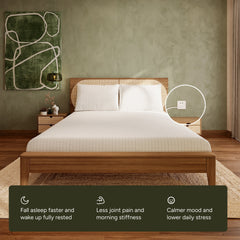
Terra Therapy Grounding Bed Mats enable “indoor earthing” during the hours your body repairs most—while you sleep. Continuous, low-effort contact is practical for people with morning stiffness, desk-related neck or shoulder tension, or foot and calf discomfort after standing all day. As part of earthing products pain management, the goal is to support recovery without interfering with other therapies.
What to remember:
- Current evidence on grounding benefits chronic pain is limited but growing; individual responses vary.
- Not a cure or a replacement for medical care—use it alongside your clinician’s plan.
- Many users aim to improve pain sleep grounding by maintaining nightly contact with the mat and tracking changes over several weeks.
What is Grounding Technology?
Grounding technology uses conductive materials to connect your body to the Earth’s natural electrical potential while you’re indoors. The goal is simple: create a low-resistance pathway for electrons to flow between your skin and the ground, equalizing charge much like walking barefoot on grass or sand.
In practice, a grounding mat or bed mat is made from a conductive surface—often carbon-infused leatherette or cotton woven with conductive fibers—linked to the ground port of a properly wired outlet or a dedicated ground rod via a cord with an inline safety resistor. Unlike EMF-shielding products, grounding mats don’t block radiofrequency fields; they provide an electrical reference to ground. For many users, this indoor “earthing” setup is an accessible way to maintain daily contact with the Earth.
How this relates to grounding mats pain relief is an area of growing interest. Early pilot studies and user reports suggest grounding may influence markers associated with pain and inflammation, including shifts in autonomic balance (as measured by heart rate variability), normalization of diurnal cortisol patterns, improved sleep onset and quality, and reduced self-reported pain. One proposed mechanism is that electron transfer from the Earth may help neutralize excess reactive oxygen species, potentially helping to reduce body inflammation naturally. While more large-scale trials are needed, earthing for inflammation and recovery is a common reason people try these products.
Terra Therapy Grounding Bed Mats are designed for continuous contact overnight, when your body repairs and consolidates sleep. By maintaining skin contact across large surface areas like the calves, lower back, or full body when used atop the mattress under a fitted sheet with conductive threading, users aim to improve pain sleep grounding routines with minimal disruption.
Practical examples:
- Chronic desk strain: Place a mat under your bare feet during computer work to support relaxation and potentially ease neck and shoulder tension over time.
- Post-exercise soreness: Lie with calves or hamstrings on a mat after training to support recovery behaviors you’re already doing, like stretching and hydration.
- Persistent joint discomfort: Use a bed mat nightly to encourage consistent contact; many people track perceived pain levels and sleep metrics to evaluate grounding benefits chronic pain.
- Travel fatigue: A compact mat in hotel rooms can help re-establish a ground reference after long flights.
Tips for effective use:
- Ensure the outlet is grounded with a tester before connecting.
- Maintain direct skin contact; thin natural-fiber layers may work with conductive sheets, but thick or synthetic layers can reduce conductivity.
- Keep the surface clean and dry; oils and lotions can affect contact.
- Follow manufacturer safety guidance; disconnect during electrical storms if advised, and consult a clinician if you use implanted medical devices.
For many wellness seekers, earthing products pain management approaches are a low-effort addition to sleep hygiene and recovery habits. While results vary, the low barrier to entry and potential to reduce body inflammation naturally make grounding a reasonable option to explore alongside movement, stress reduction, and a consistent sleep schedule.
How Grounding Works for Pain Relief
When your skin makes contact with the Earth, your body equalizes with the planet’s subtle negative charge. This allows free electrons from the ground to flow into the body, which may help neutralize excess reactive oxygen species. That simple electrical connection underpins why many people use grounding mats for pain relief at home and during sleep.

Several mechanisms are proposed in the literature:
- Electron donation and oxidative balance: By supplying mobile electrons, grounding can help quench free radicals involved in the inflammatory cascade. This is a plausible way to reduce body inflammation naturally, especially around irritated joints or muscles.
- Autonomic nervous system balance: Preliminary studies report shifts toward parasympathetic (“rest-and-digest”) activity and improved heart rate variability with grounding. Calming an overactive stress response can decrease muscle guarding and perceived pain.
- Cortisol rhythm support: Sleeping while grounded has been associated with a more stable 24-hour cortisol pattern. Because cortisol dysregulation is linked to nighttime awakenings and heightened pain sensitivity, normalizing the rhythm may improve pain and sleep with grounding.
- Blood flow and viscosity: Earthing has been observed to reduce red blood cell aggregation, which can improve microcirculation. Better blood flow supports tissue repair and may ease swelling-related discomfort.
What this means in daily life:
- For sore backs or knees, overnight contact with a Terra Therapy Grounding Bed Mat or Fitted Grounding Bedsheet provides continuous exposure during your body’s peak recovery window. Many users report less morning stiffness and easier movement upon waking.
- After demanding workouts, resting your calves or hamstrings on a mat for 30–60 minutes can be a practical way to use earthing for inflammation and post-exercise soreness.
- For desk work, placing a mat under bare feet helps keep you grounded during prolonged sitting, when circulation and joint comfort often suffer.
How the products deliver the effect indoors:
- Terra Therapy’s earthing products for pain management use a conductive surface connected to a grounded outlet or grounding rod. A built-in safety resistor allows electron exchange without powering the product or introducing current into the body.
- Consistent, comfortable skin contact is key. Bedsheets cover large areas for all-night use, while mats target specific regions like feet, calves, or the lower back.
Evidence is still emerging, but small controlled and pilot studies have reported reduced pain, better sleep, lower blood viscosity, and favorable stress markers with grounding. For those exploring grounding benefits for chronic pain, a realistic approach is to combine regular use—overnight or in daily 30–90 minute sessions—with proven habits like mobility work, hydration, and sleep hygiene. As with any wellness practice, individual responses vary, but grounding mats for pain relief offer a low-effort, non-drug option to support your body’s natural recovery processes.
Grounding Mats and Inflammation Reduction
Inflammation is the body’s protective response to stress and injury, but when it becomes chronic it often underlies joint stiffness, muscle soreness, headaches, and restless sleep. Grounding mats offer a simple, indoor way to reconnect with the Earth’s electrons, and many people turn to grounding mats pain relief routines to help calm aggravated tissues and support recovery.
How might this work? Preliminary research and user experience point to several potential pathways:
- Electron transfer that can help neutralize excess free radicals, a driver of oxidative stress tied to inflammatory processes.
- A shift in autonomic balance (more “rest-and-digest,” less “fight-or-flight”), which may downregulate stress-related inflammation.
- Better sleep quality and circadian alignment, which are essential for tissue repair and immune modulation.
Small studies have reported encouraging signals. Pilot trials have found that earthing reduced indicators of inflammation and altered cortisol rhythms toward a more natural pattern—changes that may correlate with less pain and better sleep. Blinded experiments around delayed-onset muscle soreness observed less swelling and discomfort in grounded participants compared with controls. Other early findings suggest improvements in blood viscosity and heart rate variability, both relevant to inflammatory load. While more large-scale research is needed, these results help explain why earthing for inflammation is gaining interest among wellness seekers.
For people dealing with chronic aches, the potential grounding benefits for chronic pain appear to stem from consistency. Terra Therapy’s Grounding Bed Mats are designed for nightly, passive use—so you can receive the calming input for hours while you sleep. That regular exposure may be more meaningful than sporadic sessions and can be a practical way to reduce body inflammation naturally as part of a broader routine.
Ways to target inflammation with a mat:
- Sleep on a grounding bed mat or fitted grounding bedsheet to cover the most hours with skin contact.
- For localized issues (e.g., knees, lower back), position the mat so the affected area rests directly on it.
- During daytime flare-ups, add 20–40 minute sessions with a desk or floor mat for extra earthing products pain management support.
- Pair grounding with gentle movement, hydration, and a nutrient-dense diet to compound benefits.
Real-world examples:
- A desk worker with neck and shoulder tension sleeps on a bed mat nightly and uses a small mat under the forearms during computer sessions to ease tightness.
- An endurance runner recovering from heavy training places the mat under calves and knees overnight to help modulate post-workout inflammation.
- Individuals with morning stiffness use a fitted sheet to improve pain and sleep, noting easier mobility on waking.
Safety and setup matter. Always connect to a properly grounded outlet or verified ground rod, maintain direct skin contact, and avoid damaged cords. Grounding is not a substitute for medical care; consult your healthcare provider, especially if you use implanted medical devices or have specific health concerns.
Used consistently, grounding mats can be a low-effort addition to your routine—one that supports pain relief and inflammation management while you rest.
Benefits Beyond Pain and Inflammation
Many people first discover Terra Therapy Grounding Bed Mats for grounding mats pain relief, yet consistent use can support broader aspects of well-being that show up in everyday life.

Sleep quality often tops the list. Small, controlled studies on earthing have reported improvements in subjective sleep quality and more stable nighttime cortisol patterns. Users commonly describe falling asleep faster and experiencing fewer nighttime wake-ups. If your goal is to improve pain, sleep, grounding as a nightly habit can be a simple, low-effort add-on to your routine.
Stress resilience is another frequent benefit. Preliminary research suggests grounding may shift the autonomic nervous system toward a calmer, parasympathetic state, reflected in heart-rate variability measures. In practical terms, many users feel less “wired” at night and more even-keeled during the day, which can make it easier to focus, unwind, and keep anxiety in check.
Daytime energy and mood can also feel steadier. By offering an indoor way to reconnect with the Earth’s surface charge, mats help people who spend long hours inside—remote workers, students, new parents—counteract some of the strain of constant screen time and stress. A simple example: placing a mat under your desk and resting bare feet on it during calls can provide a calm, grounded anchor without changing your schedule.
For active individuals, earthing for inflammation and recovery is a practical use case. Small pilot trials have reported reduced perceived muscle soreness after strenuous exercise, which aligns with many athletes’ experiences of quicker bounce-back after hard sessions. While evidence is still emerging, this is one reason earthing products pain management strategies are gaining attention among runners, lifters, and weekend warriors.
People living with long-standing discomfort often ask about grounding benefits chronic pain beyond flare control. The most consistent feedback includes better sleep continuity, fewer pain-related awakenings, and a calmer baseline—factors that, together, can reduce the overall burden of symptoms and help reduce body inflammation naturally through lifestyle upgrades like rest and stress reduction.
Simple ways to get more from your mat:
- Bedtime wind-down: lie on your Terra Therapy Bed Mat 30–60 minutes before lights out to cue relaxation.
- All-night contact: use a fitted bedsheet or bed mat for sustained, passive grounding while you sleep.
- Desk setup: keep a mat underfoot during work to add effortless daytime sessions.
- Skin contact matters: bare skin or thin, natural fibers improve conductivity.
- Check your outlet: use a grounded outlet and the included tester to ensure proper connection.
- Be consistent: aim for daily use; more total minutes generally means more noticeable effects.
Grounding is not a medical treatment, but it can complement a holistic plan to manage stress, support sleep, and enhance comfort. As with any wellness practice, consult a healthcare professional if you have specific conditions or questions.
Integrating Grounding into Daily Life
Making contact with the Earth part of your routine is less about intensity and more about consistency. Short, regular sessions add up, and many people find that a few daily touchpoints with a mat or bedsheet are easier to sustain than occasional long sessions. If you’re exploring grounding mats pain relief, start small and build a cadence that fits your day.
Practical ways to use Terra Therapy products:
- Morning: Place a Grounding Bed Mat under your feet while you read, journal, or drink coffee (10–20 minutes). Gentle hip or calf stretches with bare feet on the mat can support mobility goals and earthing for inflammation after sleep stiffness.
- Workday: Keep a mat under your desk for hands or feet during calls and emails. Use it in 25–50 minute focus blocks with 5-minute movement breaks. Many users find this steady contact helps with neck, wrist, or lower-back discomfort associated with desk work—an approachable way to explore grounding benefits chronic pain.
- Evening wind-down: Swap your top sheet for a Fitted Grounding Bedsheet. Bare-skin contact during the night is the simplest way to improve pain sleep grounding without changing your schedule.
- Post-exercise: Sit or lie on a mat for 20–40 minutes after training days. Anecdotally, this is when people notice help with soreness and a sense of quicker recovery, aligning with goals to reduce body inflammation naturally.
- Relaxation: Put a mat where you read or watch TV so contact is effortless. Habit-stack grounding with activities you already do.
How to get started and stay consistent:
- Begin with 30–60 minutes daily, then extend to overnight with a Fitted Grounding Bedsheet if comfortable.
- Track outcomes. Use a simple log for pain ratings, sleep quality, time-to-sleep, and energy upon waking. Look for week-over-week trends; many report cumulative effects over 2–4 weeks when using earthing products pain management.
- Combine with basics: hydration, movement, and a calm pre-sleep routine can amplify results.
Setup and care tips:
- Ensure your outlet has a proper ground. Use a reliable outlet tester and follow the product instructions. When in doubt, consult a qualified electrician.
- Prioritize bare-skin contact. Reduce lotions or oils right before use; they can impede conductivity.
- Clean with mild soap and water; air dry. Unplug before cleaning. Avoid harsh chemicals or high heat.
- Travel with a compact mat to maintain routine in hotels. Only connect to a verified grounded outlet.
What to expect:
- Some notice a warm, relaxed feeling or easier sleep onset in the first few sessions; others observe gradual change in pain and stiffness over time. Evidence is emerging and individual results vary.
- If you have implanted medical devices or complex health conditions, speak with your healthcare provider before starting any new practice.
Choosing the Right Grounding Mat
Selecting a grounding mat starts with where you feel pain most, how you sleep, and when you can maintain regular skin contact. For many people seeking grounding mats pain relief, the best choice is the one that delivers consistent, comfortable contact for hours at a time without changing your routine.

Match the mat to your main goal:
- Overnight relief and recovery: A bed mat or fitted grounding sheet offers the longest exposure, helpful if you’re exploring earthing for inflammation that peaks after long days.
- Targeted, daytime support: A desk, chair, or foot mat focuses contact on hands, forearms, lower back, or feet while you work—useful for localized issues.
Choose the right format:
- Fitted Grounding Bedsheet: Full-surface contact for the legs, hips, torso, and shoulders. Ideal if pain migrates or you’re looking to improve pain sleep grounding by staying connected all night. Typically a soft cotton base woven with conductive silver fibers.
- Half or Full Grounding Bed Mat: Place across the lower half of the bed for feet, calves, knees, and hips, or span the torso and shoulders. Carbon-infused mats are durable and easy to wipe clean. Example: a side sleeper with hip and shoulder discomfort positions a half mat across the hip/shoulder zone to maintain contact when turning.
- Desk/Chair/Foot Mat: Keeps you grounded when sitting, typing, or standing at a workstation. Example: forearm soreness at the keyboard—rest wrists on a desk mat; plantar fasciitis—place a foot mat under the desk or at the foot of the bed.
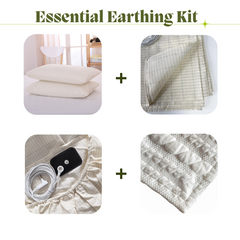
- Essential Starter Kit: A practical entry point if you want to test earthing products pain management before committing to a larger surface.
Prioritize practical details:
- Size and placement: Larger contact areas generally maintain steadier grounding benefits for chronic pain. Aim for direct skin contact on the problem area (feet for plantar pain, knees for osteoarthritis, lower back for lumbar pain).
- Layering: Direct skin-to-mat is best. If preferred, use a thin, natural-fiber layer (e.g., a lightweight cotton sheet) to reduce initial sensitivity without blocking conductivity.
- Connection and safety: Use only the ground port of a properly wired outlet or a dedicated grounding rod. Verify with an outlet checker. Do not plug into surge protectors. Grounding mats are passive; they don’t “power on” or emit a current.
- Comfort and sensitivity: Some users notice tingling or warmth initially. Start with 30–60 minutes and build to overnight use.
- Care: Wipe carbon mats with a damp cloth. Wash silver-thread sheets cold, no bleach or fabric softener; air dry. Rotate contact zones to extend life.
To reduce body inflammation naturally with steady habits, aim for daily contact—overnight via a bed mat or fitted sheet, and daytime via a desk or foot mat. Customers often track sleep quality, stiffness on waking, and activity tolerance to gauge changes over 2–4 weeks.
If you have an implanted medical device or are on specific therapies, consult your clinician before use. Terra Therapy’s Grounding Bed Mats, Fitted Grounding Bedsheets, and Starter Kits make it straightforward to build a routine that fits your space and supports your pain-management plan.
Experience Natural Wellness with Grounding
Reconnecting your body to the Earth’s natural electric charge is a simple practice with potentially meaningful returns. By creating a direct conductive path from your skin to ground, Terra Therapy grounding bed mats and fitted sheets enable indoor “earthing for inflammation” support and comfort. Early research and user reports point to calmer nervous-system activity, better sleep, and fewer aches—especially when used consistently.
If you’re exploring grounding mats pain relief, here’s how to use them effectively:
- Make direct skin contact. Place bare feet, calves, or forearms on a mat, or sleep with a fitted grounding bedsheet so your legs and torso touch conductive fibers.
- Start low and build. Begin with 30–60 minutes during the day for one to two weeks, then move to overnight use. Sensitive users may prefer shorter initial sessions.
- Ensure a proper ground. Use the included outlet tester from our Essential Grounding Starter Kits or connect to a dedicated grounding rod if preferred.
- Keep it simple. Avoid thick insulating layers (like heavy foam toppers) between your skin and the conductive surface, and skip lotions right before use as they can affect contact.
Common use cases that customers find helpful:
- Morning stiffness and back discomfort: Sleep on a Grounding Bed Mat to support relaxation overnight; many notice less tension on waking, a key “grounding benefits chronic pain” outcome.
- Desk-related wrist, shoulder, and neck strain: Rest forearms on a mat while typing to relax tight muscles and reduce perceived soreness across long workdays.
- Post-exercise recovery: Apply local contact to quads or calves after training to reduce body inflammation naturally and ease delayed-onset muscle soreness.
- Foot, knee, or hip aches: Place a mat under your feet while reading or meditating for targeted downtime relief.
What to expect:
- Sleep quality often improves first—deeper rest, fewer nighttime awakenings, and a calmer mind.
- Perceived pain may gradually decrease with daily use as stress reactivity settles. Many users aim to improve pain sleep grounding outcomes over several weeks.
- Some people feel a mild tingling or warmth at first; this typically fades as your body acclimates.
Why it may help: Preliminary studies have observed changes in markers related to inflammation and autonomic balance when subjects were grounded, alongside reductions in self-reported pain. While more robust trials are needed, these findings align with real-world experiences using earthing products pain management strategies at home.
Safety and practical notes:
- Consult your clinician if you use implanted medical devices, are pregnant, or have a complex health condition.
- Discontinue use if discomfort persists.
- Grounding complements—not replaces—care plans, movement, and sleep hygiene.
With Terra Therapy’s Fitted Grounding Bedsheets, Grounding Bed Mats, and Starter Kits, it’s straightforward to bring earthing for inflammation support into your routine and explore natural, low-effort grounding mats pain relief at home.