


Introduction to Grounding Benefits
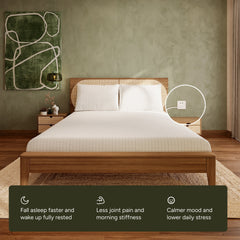
Grounding, also called earthing, is the simple practice of connecting your body to the Earth’s natural electric charge. For many wellness seekers, grounding for pain and sleep is a practical way to complement healthy routines without medication or complicated protocols. Instead of having to walk barefoot outside, Terra Therapy’s fitted grounding bedsheets and bed mats bring that connection indoors while you rest.
How it may help starts with the body’s stress and recovery systems. When you’re grounded, your electrical potential is stabilized relative to the Earth. Early studies and user reports suggest this can influence the nervous system and sleep-related hormones in ways that support better rest and natural pain management. People commonly describe falling asleep faster, waking less often, and feeling less tense or achy in the morning.
Potential mechanisms discussed in the research community include:
- Autonomic balance: Grounding has been associated with shifts toward parasympathetic (rest-and-digest) activity, reflected in heart rate variability changes that can ease arousal and support deeper sleep.
- Cortisol rhythm support: Some small studies observed more normalized day–night cortisol patterns, which may relate to improved sleep quality and reduced perceived stress.
- Muscle recovery and comfort: Users often report less morning stiffness and faster recovery after exertion, aligning with grounding pain relief anecdotes.
What this looks like in daily life:
- If you struggle with busy-mind insomnia, sleeping on a Terra Therapy fitted grounding bedsheet provides continuous contact overnight. Many users notice calmer nights within 1–3 weeks of consistent use, alongside improved sleep grounding routines like dim lights and steady bedtimes.
- For desk-bound professionals with neck or back discomfort, a grounding bed mat used nightly can complement posture work and gentle stretching, reducing morning tightness and afternoon energy dips.
- Runners or weekend warriors place a bed mat at the foot of the bed to keep calves and feet grounded, reporting less next-day soreness and more refreshed wake-ups.
Key benefits users commonly describe include:
- Improved sleep continuity and fewer nighttime wake-ups (earthing benefits sleep)
- A calmer mood and earthing stress reduction during high-pressure periods
- Grounding pain relief for everyday aches after long hours standing or sitting
- Steadier daytime energy and a more positive outlook
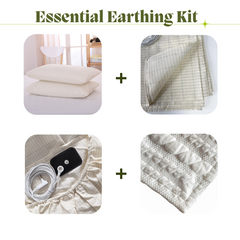
Getting started is straightforward. Terra Therapy’s Essential Grounding Starter Kits include a conductive sheet or mat and a grounded outlet adapter. Connect once, check for a snug contact with your skin, and let the system work while you sleep.
Grounding is not a medical treatment, and results vary. For best outcomes, pair it with good sleep hygiene, movement, and hydration. In the testimonials that follow, you’ll see how consistent, nightly use helped real people sleep more soundly and feel more comfortable—naturally.
Understanding Earthing Science
At its core, earthing means bringing your body to the same electrical potential as the Earth. Outdoors, that happens through bare-skin contact with soil, sand, or grass. Indoors, conductive bedsheets and mats connect to a building’s grounded port—not to electricity—so the body can discharge built-up static and equalize with the Earth’s surface charge while you rest.
Two mechanisms are most often discussed. First, measuring body voltage shows that grounding rapidly reduces the alternating electric fields induced on the body in modern indoor environments. Second, researchers have proposed that a grounded body may more readily absorb free electrons from the Earth, which could help neutralize reactive oxygen species and influence inflammation. This second idea is promising but not yet conclusively proven in large human trials.
What the research suggests so far about grounding for pain and sleep:
- Sleep and cortisol: A 2004 pilot study (n=12) found that sleeping grounded was associated with shifts toward a more typical diurnal cortisol curve, alongside self-reported improvements in sleep quality, pain, and stress. The study was small and uncontrolled, but it helped frame earthing benefits for sleep as a hypothesis worth testing.
- Autonomic balance: Short laboratory experiments using grounded pads have reported increases in parasympathetic activity (via heart rate variability) within minutes, a pattern consistent with relaxation and potential earthing stress reduction. These sessions also showed decreased skin conductance and body voltage relative to Earth.
- Muscle soreness and pain: Small randomized or blinded trials on delayed-onset muscle soreness after eccentric exercise have observed lower pain ratings, reduced swelling, and attenuated white blood cell and creatine kinase responses in grounded participants versus sham. These findings point to grounding pain relief as a possible avenue for natural pain management, though sample sizes were limited.
- Inflammation and circulation: Preliminary studies have noted changes in inflammatory signaling and modest reductions in blood viscosity after grounded sessions, which could be relevant to discomfort and recovery. These outcomes need confirmation in larger, diverse populations.
How this translates to daily practice:
- Consistency matters. People exploring improved sleep grounding typically use a fitted sheet or bed mat nightly for several weeks to assess changes in sleep onset, night awakenings, and morning alertness.
- Optimize contact. Bare skin contact with the conductive surface delivers the most reliable connection. If using a bedsheet, aim for sustained contact with legs or torso.
- Pair with sleep hygiene. Dimming lights in the evening, a stable bedtime, and a cool room can amplify any potential earthing benefits sleep may offer.
- Keep expectations balanced. Early studies are encouraging, but they’re small. Grounding products are not a medical treatment and should complement, not replace, guidance from a healthcare professional—especially for persistent pain or sleep disorders.
In short, the emerging evidence supports a plausible physiological basis for grounding for pain and sleep, with measurable electrical changes and preliminary improvements in relaxation, soreness, and sleep reports. Larger, well-controlled trials are the next step, but for many wellness seekers, indoor earthing provides a low-effort way to reconnect with nature while you rest.
Real Stories: Pain Relief
Many of our customers first try grounding for pain and sleep because they’re looking for a simple, natural pain management tool they can use at home. What they often report back is a combination of less morning stiffness, fewer night-time wakeups, and a calmer mood that makes pain easier to handle.
A desk-bound project manager in her 40s struggled with upper back tightness and jaw clenching that made sleep fragmented. After switching to a Terra Therapy Fitted Grounding Bedsheet, she tracked six weeks of nights. By week three, she noted fewer 3 a.m. wake-ups and woke with noticeably less shoulder and neck tension. She also kept a Grounding Bed Mat at her workstation for barefoot sessions during long calls, which she says helped “turn down” end-of-day muscle tightness.
A 58-year-old with knee osteoarthritis layered a Grounding Bed Mat under his mattress and used the Essential Grounding Starter Kit for daytime breaks. He rated his morning knee pain 6/10 before starting; by the fourth week he recorded most mornings at 3/10 and said stairs felt “less creaky.” He also noticed he fell asleep faster—closer to 15 minutes instead of 40—supporting the idea that earthing benefits sleep while contributing to grounding pain relief.

A recreational runner dealing with plantar heel pain placed a Terra Therapy mat under her desk and stood barefoot for 2–3 hours daily. Within two weeks, she reported shorter post-run soreness windows and was able to reintroduce easy 5K runs. At night, a fitted grounding sheet helped her stay asleep after early-morning aches would typically wake her.
A new parent managing lower back strain used the bedsheet nightly and a small mat during infant feeding sessions. She described fewer flare-ups after prolonged sitting and a noticeable shift in stress; the combination of steadier sleep and calmer evenings reflected earthing stress reduction she could feel.
Across stories, a few patterns stand out:
- Consistency matters. Most noticed changes after daily use over 2–4 weeks.
- Skin contact is key. Barefoot or bare-skin contact improved results.
- Night plus day works well. Pairing a Fitted Grounding Bedsheet with a daytime Grounding Mat offered round-the-clock support.
- Sleep and pain are linked. Many found that improved sleep grounding routines translated to gentler mornings and better pain coping.
Early research on grounding for pain and sleep has reported reductions in self-reported pain and improvements in sleep quality, with some studies suggesting smoother cortisol rhythms that may support recovery. Individual results vary, and grounding products are not a medical treatment. For persistent or severe pain, consult a healthcare professional while using earthing as part of a broader, natural pain management plan.
Client Experiences: Improved Sleep
Many Terra Therapy customers describe a clear link between grounding for pain and sleep. They aren’t chasing miracles; they’re looking for practical changes they can feel and, in many cases, measure.
A night-shift nurse in her 40s started using a Fitted Grounding Bedsheet after years of fragmented sleep. Within the first two weeks, her sleep tracker showed average sleep latency dropping from about 55 minutes to 18, and nighttime awakenings declining from four to one or two. She reported waking with less jaw tension and fewer 3 a.m. stress spikes, aligning with her experience of earthing stress reduction.
A recreational marathoner used a Grounding Bed Mat to address post-run calf soreness that often kept him awake. He placed the mat under his fitted sheet to maintain skin contact at the shins and calves. Over three weeks, he noted fewer “micro-awakenings” from leg discomfort and a faster return to sleep when he did wake. He described it as gentle grounding pain relief that complemented stretching and hydration—part of a broader natural pain management routine.
A new parent dealing with 2 a.m. anxiety installed the Essential Grounding Starter Kit: a desk mat for daytime use and a grounding bedsheet at night. Daytime earthing helped her feel calmer before bed, while nighttime contact coincided with more consolidated sleep cycles. Her wearable showed a modest uptick in HRV and fewer 20–30 minute wake windows, suggesting earthing benefits sleep through downshifting the nervous system.
A back-pain sufferer who typically took NSAIDs before bed switched to a Grounding Bed Mat to see whether improved sleep could reduce morning stiffness. After a month, he reported waking with less stiffness and cutting his pre-bed pain medication on most nights, noting that better sleep and lower pain seemed to reinforce each other. He didn’t change his physical therapy plan—grounding simply made it easier to rest.
Several customers with midlife sleep disruptions reported that consistent skin contact—feet or calves on a bed mat, or full-body contact on a fitted sheet—made a difference. One noted that keeping a bare ankle in contact through thin sleepwear kept benefits consistent, a small setup detail that supported improved sleep grounding.
Common patterns customers report:
- Faster sleep onset and fewer overnight awakenings
- Less nighttime agitation from aches or restless legs
- Calmer pre-sleep mood and easier return to sleep after waking
- More refreshed mornings and steadier afternoon energy
Timelines vary, but many notice changes within 3–14 nights, with further gains over a month. Results differ by individual, but for those seeking grounding pain relief without medication, Terra Therapy’s indoor earthing options offer a simple, low-effort way to support sleep quality.
Reducing Stress and Anxiety
Stress and anxiety often show up first in the body—tight shoulders, a racing mind, shallow breathing—and then steal rest at night. Many Terra Therapy customers share that consistent indoor earthing with our fitted grounding bedsheets and bed mats helps them switch off more easily and wake up more refreshed. While experiences vary, a common theme emerges: earthing benefits sleep by calming the nervous system, which in turn supports grounding for pain and sleep improvements.
A night-shift nurse in Oregon reported that she used to lie awake replaying her shift for nearly an hour. After two weeks on a Terra Therapy Fitted Grounding Bedsheet—and a 20-minute post-shift wind-down on a Grounding Bed Mat—she fell asleep in about 15 minutes and woke fewer times. Her wearable showed steadier overnight heart rate and more deep sleep, which she linked to lower next-day irritability.

A freelance designer managing tight deadlines shared that midday spikes of anxiety led to jaw clenching and neck tension. He began taking two 15-minute barefoot breaks on a Grounding Mat under his desk. Within a month, he noticed a clearer head when returning to work, fewer tension headaches, and an easier transition into evening. He described it as a simple form of natural pain management that also made bedtime feel less wired.
One teacher with long-standing Sunday-night nerves started with the Essential Grounding Starter Kit. She placed a mat at the foot of the couch for nightly reading and used a grounding sheet in bed. By week three, she reported fewer 2 a.m. wakeups and less chest tightness before the workweek. Mornings felt “less braced,” and she found herself relying less on late-night scrolling to unwind. She also noted milder lower-back tightness, aligning with feedback we often hear about grounding pain relief when stress shows up as muscle tension.
From dozens of similar stories, these patterns stand out:
- Faster downshifting at night and fewer stress-triggered wakeups
- Calmer evening energy that supports improved sleep grounding
- Reduced muscle tension associated with anxious days
- Brighter morning mood and steadier focus without an afternoon crash
- Better results when paired with breathwork, stretching, or a screen-free wind-down
Practical tips customers find helpful:
- Aim for consistent skin contact: grounding bedsheets all night; mats for 20–30 minutes before bed
- Keep a mat at your desk or reading chair for daytime earthing stress reduction
- Pair grounding with a simple routine—dim lights, light stretching, or box breathing
- Ensure proper connection by testing the outlet and using the provided cord as directed
For wellness seekers exploring grounding for pain and sleep, these testimonials point to a gentle, routine-based approach that supports calmer nights and more resilient days. Terra Therapy sheets, mats, and starter kits make it easy to bring the outdoors in—helping you unwind naturally, sleep more soundly, and meet stress with a steadier baseline.
Boosting Energy and Mood
Customers who come to Terra Therapy for grounding for pain and sleep often tell us the biggest surprise is daytime energy. As sleep becomes more restorative and stress eases, they wake up clearer and stay steady through the afternoon—without leaning on extra caffeine.
Maya, a project manager who battled the 3 p.m. crash, switched to a Fitted Grounding Bedsheet. After two weeks, she noticed she was waking before her alarm and cruising through back-to-back meetings without that foggy lull. Her sleep app showed more uninterrupted sleep and fewer wake-ups. While she started for grounding pain relief in her lower back, she credits her brighter mood to deeper rest.
For David, a new father juggling disrupted nights, a Grounding Bed Mat brought quiet gains. He reported that even on shorter nights, he felt “more restored per hour of sleep.” The edge came off morning irritability, and he had enough fuel for evening walks. His goal was natural pain management for recurring shoulder tension; the bonus was more patience and stable energy.
Not everyone grounds only at night. Carmen, a therapist who spends long hours sitting, plugged in an Essential Grounding Starter Kit under her desk for earthing stress reduction between sessions. She described a calmer baseline and fewer “adrenaline spikes” during busy days, with a gentle lift in mood that carried through her commute. Over time, she needed fewer late-day snacks to push through.
From hundreds of notes and check-ins, a few patterns stand out:
- Improved sleep grounding at night often leads to earlier wake times with less grogginess.
- Fewer mid-afternoon energy dips, with steadier focus across long work blocks.
- A more even mood—described as “less reactive,” “easier to reset,” or “lighter.”
- When grounding is used alongside basic sleep hygiene—consistent bedtimes, a cool, dark room—earthing benefits sleep appear to intensify.
Some customers track changes with wearables. A portion report more total sleep or deeper stages, while others notice fewer nighttime awakenings. Those who journal mood or energy see more “good” days clustered together after a week or two of consistent use. Individual responses vary, and grounding isn’t a substitute for medical care, but these experiences reflect how small nightly shifts can add up.
Terra Therapy products make indoor earthing practical and consistent, which seems to be key. Whether you start with a bedsheet for nights or a mat for your workday, the routine you’ll keep is the one that helps most. For many, that means better days as a direct result of better nights—energy that lasts, and a calmer, brighter outlook shaped by grounding for pain and sleep.
Choosing Terra Therapy Products
Finding the right fit starts with your goals and routine. If your priority is grounding for pain and sleep, choose a product that keeps consistent skin contact during the hours you need it most.
- Nighttime focus: Fitted Grounding Bedsheets
If you struggle to fall asleep, wake often, or wake with stiffness, fitted sheets deliver steady contact through the night without changing habits. Customers who prioritize earthing benefits sleep often start here because the sheet simply replaces your regular bedding. It’s a set-and-forget option that supports improved sleep grounding with minimal effort. Choose the size to match your mattress for full-body coverage. If your pain tends to flare at night—lower back, hips, or shoulders—overnight contact can complement natural pain management routines.

- Versatility and spot targeting: Grounding Bed Mats
If your schedule or discomfort varies, a mat offers flexible placement. Lay it lengthwise across the lower half of your mattress for legs and hips, or sideways across the torso for back and shoulder contact. During the day, move it to the couch or under a desk for hands or bare feet to support earthing stress reduction while you work or unwind. Many customers use mats for grounding pain relief during reading or recovery sessions, then return them to the bed at night.
- Start simple: Essential Grounding Starter Kits
New to earthing? A starter kit assembles the basics—mat or sheet, cord, and outlet checker—so you can set up indoor earthing/grounding correctly on day one. It’s a cost-effective trial that helps you gauge sensitivity, dial in placement, and establish a routine before expanding.
Practical tips to decide:
- Symptom timing: Night problems favor the fitted sheet; daytime tension, desk fatigue, or localized aches favor a mat (or both for more total contact time).
- Lifestyle: If you don’t want to change bedding, choose a bed mat. If you prefer a seamless experience, choose the sheet.
- Care and longevity: Mats wipe clean and handle heavy use. Sheets need gentle washing; follow care instructions to preserve conductivity.
- Sensitivity: Begin with 30–60 minutes and build up. Some people notice calmer breathing and easier sleep onset quickly; others see gradual gains.
- Setup and safety: Use the included outlet checker and connect only to the grounding port per instructions. Consult your healthcare provider if you use medical implants or have specific conditions.
How to track results:
- Note sleep onset time, awakenings, and morning alertness for two weeks.
- Use a simple 0–10 scale for discomfort at wake-up and bedtime.
- Record mood and energy to capture subtler changes.
From customer stories, the most consistent patterns are fewer nighttime awakenings, gentler morning stiffness, and calmer evenings—signals that improved sleep grounding and gentle, natural pain management are taking hold.
Experience Natural Wellness
Customers tell us they’re looking for a gentle, non-medicinal way to feel better—and they find it by making grounding for pain and sleep part of an everyday routine. With Terra Therapy’s fitted bedsheets and mats, earthing moves from an occasional outdoor ritual to a consistent habit that supports rest, resilience, and recovery indoors.
The most common theme is that earthing benefits sleep—and often faster than expected. Users who swap their standard sheets for our Fitted Grounding Bedsheets report falling asleep more quickly, fewer wake-ups, and less “wired” late-night energy. Many wake feeling more restored, even if total time in bed hasn’t changed.
People also describe grounding pain relief that’s noticeable in morning mobility. Those who wake with tight lower backs or sore hips often say they feel less stiff getting out of bed after a week or two of nightly use. Daytime grounding helps too: placing a Grounding Bed Mat under the feet during long desk sessions is a practical form of natural pain management that customers credit with easing neck and shoulder tension by the afternoon.
Stress reduction comes up again and again. Earthing stress reduction is typically described as a calmer baseline—fewer racing thoughts at night, steadier mood during busy days, and a quicker return to balance after challenges. Users who pair the bedsheet at night with a mat while they read, meditate, or work notice the most consistent results.
How real customers weave grounding into life:
- Sleep-focused routine: Fitted Grounding Bedsheets every night + a 20–30 minute wind-down with bare feet on a mat. Reported outcomes include improved sleep grounding, fewer midnight awakenings, and clearer morning focus.
- Desk relief: Under-desk mat for 3–6 hours on workdays. People who sit most of the day often note less low-back tightness and reduced eye and jaw tension by evening.
- Active recovery: Post-workout feet or calves on a mat for 30 minutes. Many describe calmer legs and less next-day soreness.
- Travel reset: Essential Grounding Starter Kit in carry-on, used at night to help re-establish a steady sleep rhythm away from home.
Tips to maximize benefits:
- Ensure consistent skin contact (bare feet, calves, or hands).
- Use nightly for sleep; aim for 1–2 hours of daytime contact where possible.
- Stay hydrated and keep electronics off the grounded surface.
- Verify outlet ground with the included tester before first use.
What to expect:
- First signs: calmer evenings or easier sleep onset in 3–7 nights.
- For persistent tension or soreness, gradual changes often build over 2–4 weeks of steady use.
- Track progress with a simple sleep journal or wearable data to see trends.
Individual experiences vary, but across stories the pattern is clear: simple, regular earthing supports better rest, reduced stress, and practical relief—without adding another pill or complicated protocol.