


Introduction to Grounding and the Biological Connection to Earth
Grounding, or earthing, is the practice of making direct skin contact with the Earth or using conductive materials that connect you to the Earth’s electrical potential. The idea rests on a simple biophysical premise: the human body is an electrochemical system, and the planet provides a stable reference potential and a reservoir of free electrons. When incorporated into the science of grounding daily routine, contact with the Earth can equalize surface charge on the body and measurably lower body voltage induced by ambient electric fields. This basic electrical effect is easy to verify with a multimeter and forms the foundation for exploring potential health outcomes.
A leading hypothesis frames grounding as a form of electron transfer therapy, where mobile electrons from the Earth may help neutralize reactive oxygen species. Preliminary studies and pilot trials report changes associated with earthing health benefits, including reduced self-reported pain, faster recovery after exercise, improved heart-rate variability, and normalization of diurnal cortisol patterns. Small sleep studies have also noted improvements in perceived restfulness and reduced nighttime awakenings, suggesting a role for grounding for sleep quality and circadian rhythm regulation. While larger, high-quality trials are needed, the physiological signals—reduced sympathetic arousal and potential natural inflammation reduction—align with many users’ experiences.
Making it practical is key, especially if outdoor access is limited. A consistent routine ties brief daytime contact to an overnight setup that keeps you grounded for hours without effort.
- Morning: Stand barefoot on grass or soil for 10–20 minutes while getting natural light, which supports circadian signaling and calm alertness.
- Workday: Use a grounded desk mat to reduce induced body voltage while you type or take calls; many people note less muscle tension during long sessions.
- Evening: Relax with gentle stretching while your feet touch a grounding mat to ease the transition into parasympathetic dominance.
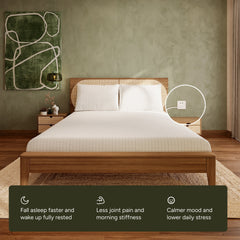
- Night: Sleep on fitted grounding bedsheets or a bed mat to extend contact throughout the night and support steady sleep architecture.
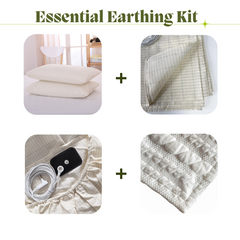
For reliable indoor earthing, Terra Therapy offers fitted Grounding Bedsheets, Bed Mats, and Essential Grounding Starter Kits that connect to a grounded outlet. Use a socket tester or multimeter to confirm a proper ground, and follow product instructions for a secure connection. Grounding is not a cure-all and shouldn’t replace medical care, but as a low-effort daily habit, it can complement stress management, sleep hygiene, and recovery practices. If you have implanted medical devices or specific health concerns, consult your clinician before starting.
The Physiological Impact: How Electron Transfer Influences Inflammation
Grounding starts with a simple physics idea: the Earth’s surface carries a negative electric potential, and direct contact allows a gentle transfer of electrons into the body. These excess electrons can neutralize reactive oxygen species (ROS), which are central to the inflammatory cascade that follows stress, injury, or intense exercise. By reducing the oxidative burden that amplifies signaling pathways like NF-κB, electron transfer may help temper the production of pro-inflammatory cytokines. This is the core mechanism discussed in electron transfer therapy and underpins many reported earthing health benefits.
Research on humans is still emerging, but early findings align with this mechanism. Small controlled studies have observed shifts toward normalized cortisol rhythms, improvements in heart-rate variability (a marker of parasympathetic activity), and reductions in self-reported pain. Pilot work has also noted changes in blood rheology, suggesting less red blood cell aggregation and lower viscosity, which can ease microcirculatory stress in inflamed tissues. While not definitive, these data points support a plausible route to natural inflammation reduction.
Electron transfer appears to influence several physiological systems tied to inflammation and recovery:
- Oxidative balance: Neutralizing ROS reduces downstream inflammatory signaling and tissue irritation after strain or overuse.
- Autonomic regulation: Enhanced vagal tone and HRV can dampen sympathetic overdrive that perpetuates chronic stress and cytokine release.
- Microcirculation: Improved blood fluidity supports oxygen and nutrient delivery necessary for repair.
- Circadian rhythm regulation: More robust day-night cortisol patterns support grounding for sleep quality and overnight recovery.
Sleep is where this science of grounding daily routine can have outsized effects. A calmer sympathetic state and steadier cortisol slope can shorten sleep latency, deepen slow-wave sleep, and improve morning alertness—factors that directly modulate inflammatory tone. For example, athletes who ground after late-day training often report less next-day stiffness, consistent with reduced nocturnal inflammatory signaling.
Practical implementation hinges on consistent contact. Terra Therapy’s fitted Grounding Bedsheets and Bed Mats create a conductive pathway to Earth while you sleep, enabling hours of low-level electron transfer with no extra effort. For daytime routines, a mat under a desk or a footrest can extend exposure, and Essential Grounding Starter Kits make it simple to get reliable connections indoors.
As with any wellness approach, individual responses vary, and grounding is not a substitute for medical care. Still, integrating regular earthing with basics like movement, hydration, and nutrient-dense foods offers a layered strategy to ease inflammation, improve resilience, and support steady energy across the day.

Integrating Grounding into Your Morning: Setting a Circadian Baseline
Morning grounding can help anchor your body clock for the day ahead. Combining skin contact with the Earth and natural light exposure shortly after waking supports circadian rhythm regulation by reinforcing the cortisol awakening response and aligning melatonin timing later at night. In the science of grounding daily routine, timing matters: early-morning practice appears most synergistic with environmental cues that set a healthy sleep-wake rhythm.
Mechanistically, grounding is often described as a form of electron transfer therapy, where the body equalizes with the Earth’s electrical potential through conductive contact. Early studies suggest this may shift autonomic balance toward parasympathetic activity (reflected in heart rate variability) and support natural inflammation reduction by neutralizing excess charge from reactive species. These pathways could help explain reported earthing health benefits like calmer mood and more even energy through the morning.
If you can step outside within 30 minutes of waking, spend 10–20 minutes barefoot on grass, soil, or unsealed concrete while facing the morning sun. Pair the practice with slow breathing or light stretching to increase vagal tone, and hydrate to counter overnight dehydration. Avoid asphalt and sealed surfaces, which are typically non-conductive, and be mindful of extreme temperatures or sharp debris.
For an efficient start, try a simple protocol:
- 2 minutes: open-air light exposure; take 10 deep, slow breaths.
- 5–10 minutes: barefoot standing or walking on conductive ground; add gentle mobility (neck, hips, ankles).
- 2 minutes: set intentions or jot a quick plan for the day while grounded.
- On bad-weather days, stand on a Terra Therapy Grounding Mat by your desk or kitchen counter while you prepare coffee or review your schedule.
Indoor options help maintain consistency when outdoor grounding isn’t feasible. Terra Therapy’s Grounding Bed Mats and Essential Grounding Starter Kits provide a conductive surface connected to a verified ground, allowing you to pair morning planning or meditation with contact. For those focused on grounding for sleep quality, using a Fitted Grounding Bedsheet overnight and a mat in the morning creates a 24-hour routine that may reinforce a stable circadian baseline.
As with any wellness practice, use common-sense safety: connect only to a properly grounded outlet (use an outlet checker), keep cords tidy, and consider unplugging during electrical storms. Grounding complements—not replaces—foundational habits like morning light, regular meal timing, and movement, which together can help reduce stress load and support more restorative sleep.
Maintaining Balance Throughout the Day: Grounding for Stress Management
Managing stress is easier when grounding is woven into small moments across the day rather than treated as a one-time fix. The science of grounding daily routine centers on keeping the nervous system in balance by periodically reconnecting to the Earth’s surface charge. This steady input may help temper overactive “fight-or-flight” responses and create a baseline of calm that carries into the evening.
Mechanistically, grounding is often framed as a form of electron transfer therapy: direct skin contact with the Earth or a conductive product connected to ground allows free electrons to flow to the body. Preliminary studies have associated this with markers related to natural inflammation reduction, modest improvements in heart-rate variability, and shifts toward a more typical daily cortisol pattern. While the evidence is still developing, these findings align with many users’ reported earthing health benefits.
Begin in the morning to set your trajectory. A brief barefoot session on grass or a grounded mat during hydration, journaling, or breathwork can pair well with early daylight exposure for circadian rhythm regulation. Pilot research has noted more normalized diurnal cortisol slopes with consistent grounding, which may translate to steadier energy and mood.
Midday, use micro-doses. At a desk, resting forearms or bare feet on a grounded mat during 5-minute breaks can help downshift tension, especially when combined with box breathing or a short walk. Many people find this reduces the build-up of muscular tightness and mental overload without disrupting workflow.

Evening strategies aim at grounding for sleep quality. Lower light, gentle stretching on a grounded surface, and then sleeping on a conductive bedsheet or bed mat can support deeper rest and fewer awakenings for some individuals in small trials. Terra Therapy’s Fitted Grounding Bedsheets and Bed Mats make this seamless, and the Essential Grounding Starter Kits are a practical entry point for creating a full-day routine at home.
A simple template:
- Morning: 5–10 minutes barefoot outside or on a grounded mat with daylight.
- Midmorning/afternoon: 2–3 brief desk breaks with a grounding mat plus slow breathing.
- Post-exercise: 5 minutes barefoot cool-down on natural ground to ease residual tension.
- Evening: 10–15 minutes reading or stretching on a grounded surface.
- Overnight: sleep on a grounded bedsheet or bed mat.
For best results, ensure your outlet is properly grounded, maintain direct skin contact with conductive surfaces, and stay hydrated to improve conductivity. Individuals with implanted electronic devices should consult a clinician before using grounding products. Terra Therapy provides outlet testers and clear setup guidance to help you implement these practices safely and consistently.
The Sleep Science: Using Earthing Products for Overnight Recovery
Overnight is the longest uninterrupted window to practice the science of grounding daily routine. By maintaining conductive contact with the Earth’s potential for 6–8 hours, you give your nervous system extended time to downshift, which may support circadian rhythm regulation and deeper recovery. Preliminary studies have reported shifts toward parasympathetic dominance and more normalized cortisol rhythms in grounded sleepers, suggesting a calmer baseline for rest.
The leading hypothesis centers on electron transfer therapy: the Earth’s surface holds a near-infinite supply of free electrons that can move into the body through conductive materials. These electrons may help buffer oxidative stress, supporting natural inflammation reduction after daily wear and tear. In practical terms, a conductive, silver-threaded sheet or bed mat connected to a verified ground can function as a gentle, passive recovery aid while you sleep.
What does this mean for results? Users commonly report faster sleep onset, fewer nighttime awakenings, and less morning stiffness—classic indicators of grounding for sleep quality. Small controlled trials have observed improvements in HRV and changes in diurnal cortisol patterns, aligning with reported earthing health benefits, but larger, blinded studies are still needed. Framed appropriately, grounding is a low-effort, adjunctive practice that complements—not replaces—sound sleep hygiene.
To get the most out of overnight grounding, set up carefully and consistently:
- Verify your outlet’s ground with a UL-listed tester or use an outdoor ground stake as directed.
- Use a continuity tester to confirm the sheet or mat is conductive end-to-end.
- Ensure bare-skin contact (hands, calves, or torso) for several hours; wash sheets regularly to maintain conductivity.
- Keep cords tidy and away from walkways; avoid using adapters that defeat the ground pin.
- Pair with sleep basics: a cool, dark room; consistent bed/wake times; limited late caffeine and screens.
Terra Therapy’s fitted grounding bedsheets and bed mats make indoor earthing simple, with kits that include testing tools and clear setup guides. A practical routine could be: connect your Terra Therapy sheet 30 minutes before bed, dim lights, stretch briefly, then read or breathe quietly to ease into sleep—letting the grounded surface work passively through the night. Track changes for two weeks via a sleep diary or wearable (sleep onset, awakenings, morning energy, HRV) to gauge your response and fine-tune your approach.
Practical Steps to Establish a Consistent Daily Grounding Routine
A consistent, repeatable plan makes the science of grounding daily routine practical and sustainable. Align your timing with natural light to support circadian rhythm regulation, and anchor the habit to things you already do—waking, working, unwinding, and sleeping. Think of grounding as a daily “dose” of contact time that may complement other lifestyle habits like movement, hydration, and breathwork.

- Morning reset (5–20 minutes): Get barefoot contact on grass, soil, or sand while getting morning light. If outdoor access is limited, sit on an indoor grounding mat while you stretch or journal to stack benefits and build consistency.
- Workday accumulation (30–120 minutes total): Place a grounding mat under your desk for feet or forearms during focused blocks. Short sessions add up, and pairing with deep breathing can help reduce perceived stress load.
- Evening wind-down (10–30 minutes): Use a mat while reading or doing gentle mobility to cue your nervous system to downshift. Many people find this supports grounding for sleep quality when combined with limiting bright screens.
- Overnight continuity (6–8 hours): Sleep on a fitted grounding bedsheet or bed mat so you accumulate contact time effortlessly. Terra Therapy’s fitted grounding bedsheets and bed mats are designed for comfortable, indoor earthing and can be a reliable anchor for your routine.
- Recovery focus (as needed): Position a mat under calves or feet on higher-pain or high-training days. Some preliminary research and user reports suggest potential natural inflammation reduction; pair with hydration and light movement.
Track results so you can adjust. Keep a simple log of sleep onset, night awakenings, energy, and stress, or use a wearable for objective data like HRV and time awake. Look for trends over 2–4 weeks; earthing health benefits are often reported after consistent use rather than single sessions.
Set up equipment correctly and prioritize safety. Connect only to a properly grounded outlet or dedicated ground rod per product instructions, and verify grounding with a tester if needed. Maintain skin contact with clean, dry skin, keep cords tidy, avoid use during thunderstorms, and consult your clinician if you have an implanted electronic device. Follow the manufacturer’s care guide to keep conductive surfaces clean and effective.
Make the habit stick with cues and convenience. Place a mat where you already sit, schedule brief sessions on your calendar, and bundle grounding with existing routines like morning coffee outside. Terra Therapy’s Essential Grounding Starter Kits offer a straightforward way to begin electron transfer therapy indoors and scale your practice over time.
Conclusion: Reclaiming Wellness Through Natural Earth Connection
A growing body of small clinical studies and physiological measurements suggests that making contact with the Earth each day may support sleep, stress regulation, and pain management. While more rigorous trials are needed, the science of grounding daily routine points to plausible mechanisms—often framed as electron transfer therapy—where free electrons from the Earth could help neutralize excess free radicals. This low-cost, low-risk practice can complement established habits like consistent bedtimes, morning light exposure, and movement.
Sleep is where many people notice changes first. Pilot research reports improvements in grounding for sleep quality, including more restful sleep and a shift toward a healthier cortisol curve across the day. When paired with circadian rhythm regulation—morning outdoor light, dim evenings, and a cool, dark bedroom—grounding may help the nervous system settle into deeper, more consolidated rest.
Inflammation and recovery are another area of interest. Preliminary studies have observed reduced subjective pain, less delayed-onset muscle soreness, and faster perceived recovery in grounded participants, suggesting potential natural inflammation reduction. The proposed explanation is that electrons may buffer oxidative stress around sites of micro-injury, though definitive biomarker evidence is still emerging.
For an approachable routine, start small and track what changes for you over 2–4 weeks:
- Morning: 10–20 minutes barefoot on grass or soil while hydrating and getting natural light.
- Midday: Short movement break outside, or use a grounded desk mat if outdoor access is limited.
- Evening wind-down: Gentle stretches or breathing while grounded; maintain a consistent lights-out time.
- Sleep: Use breathable bedding and keep the room cool; pair with a grounded surface if available.
If you spend most of your time indoors, Terra Therapy offers practical ways to enable earthing at home. Fitted Grounding Bedsheets, Bed Mats, and Essential Grounding Starter Kits are designed to connect to a properly grounded outlet, allowing contact throughout the night or workday. Follow safety guidance—use a simple outlet tester to confirm a grounded connection—and integrate these tools alongside sleep hygiene and stress-management techniques.
Ultimately, earthing health benefits are best evaluated personally. Keep a simple log of sleep duration and quality, stress levels, pain ratings, or wearable HRV trends to gauge changes over time. Combine grounding with light, movement, and nutrition for a holistic approach, and consult a healthcare professional if you have medical conditions or use implantable devices.