



Table of Contents
- 1. Understanding How Grounding Mats Reduce Inflammation
- 2. The Science Behind Electron Transfer and Pain Relief
- 3. Comparing Grounding Mat Types and Materials
- 4. Why Our Grounding Bed Mats Deliver Superior Results
- 5. Proper Placement and Setup for Maximum Effectiveness
- 6. Safety Considerations When Using Grounding Mats
- 7. Real-World Results: Sleep and Stress Reduction Benefits
- Frequently Asked Questions (FAQ)
1. Understanding How Grounding Mats Reduce Inflammation
Chronic inflammation and poor sleep are two problems that feed each other. Pain keeps you awake. Sleep deprivation intensifies inflammation. You're caught in a cycle that doesn't respond well to conventional approaches, and you're looking for something natural that actually works.
Grounding mats offer a straightforward solution: reconnect your body with the Earth's natural electrons, and your inflammation markers often begin to normalize within weeks. We've helped thousands of customers break this cycle by introducing grounding technology into their bedrooms and daily routines.
Inflammation is fundamentally an electrical imbalance in your body. When your cells become positively charged (oxidative stress), your immune system responds with inflammatory signals. These signals persist even when the original threat is gone, creating chronic inflammation that manifests as joint pain, muscle soreness, and sleep disruption.
Grounding mats work by establishing a conductive pathway between your body and the Earth's surface. This connection allows negatively charged electrons to flow into your body, neutralizing excess positive charges and reducing inflammatory responses.
The mechanism is direct: oxidative stress causes inflammation, and electrons from the Earth counteract oxidative damage at the cellular level. Studies show measurable reductions in inflammatory markers like C-reactive protein within 30 days of consistent grounding use.
Your body doesn't distinguish between electrons from direct barefoot contact with soil and electrons delivered through a properly grounding mat. Both trigger the same anti-inflammatory cascade.
What to do next: If you're experiencing chronic inflammation, focus first on consistency. A grounding mat used nightly will produce better results than sporadic use of any product, regardless of brand.
2. The Science Behind Electron Transfer and Pain Relief
The Earth carries a negative electrical charge. Your body, when isolated (wearing rubber-soled shoes, sleeping on non-conductive surfaces), accumulates a positive charge from daily exposure to electronics and environmental stressors.
This charge imbalance disrupts your nervous system and accelerates inflammation. Reconnecting to the Earth's electrons restores your body's natural electrical balance, which immediately reduces pain signaling in the nervous system and decreases inflammatory cytokine production.
Pain relief happens through two pathways:
- Immediate: Electron transfer reduces nerve inflammation and interrupts pain signal transmission. Many users report noticeable relief within the first few nights.
- Long-term: Consistent grounding normalizes cortisol rhythms and supports your body's repair mechanisms. This deeper healing takes 4-8 weeks but produces sustained pain reduction and improved recovery.
The electron transfer process is measurable. Bioimpedance testing and thermal imaging show clear changes in tissue conductivity and inflammation markers before and after grounding sessions. This isn't theoretical; it's observable physiology.
When you use a grounding mat, you're not "hoping" for results. You're establishing a direct physiological pathway that your body recognizes and responds to.

What to do next: Give grounding a minimum of two weeks before evaluating results. Your nervous system needs time to recalibrate after chronic isolation from the Earth's charge.
3. Comparing Grounding Mat Types and Materials
The market offers several grounding mat categories, each with distinct tradeoffs:
Carbon-infused rubber mats: Affordable but inconsistent conductivity. Carbon particles can degrade over time, reducing effectiveness within 1-2 years. Fine for light use but underperform for serious inflammation management.
Mesh fabric mats: Lightweight and portable. Better conductivity than rubber, but thin materials tear easily. Not ideal for nightly bed use where durability matters most.
Conductive fabric with carbon mesh layer: Moderate quality and moderate price. These deliver decent results but often lack the precision conductivity needed for optimal electron transfer. Fine for travel but suboptimal for primary sleep surfaces.
Medical-grade conductive materials: The best option. These use layered construction with high-quality carbon elements and conductive fabric designed to maintain consistent conductivity over years of use. They outperform budget alternatives significantly.
The critical difference is consistency. A poorly conductive mat might deliver 40% of the electrons a medical-grade mat provides. This gap determines whether you see results in 30 days or notice no change after 90 days.
Material thickness also matters. Mats thinner than 2mm often compress unevenly, creating dead zones where electron transfer is minimal. Better mats use 3-4mm construction with reinforced edges that resist compression wear.
What to do next: Check the material composition and thickness before buying. If a product doesn't specify conductive layer details, it's likely a budget option using inconsistent materials.
4. Why Our Grounding Bed Mats Deliver Superior Results
Our grounding bed mats combine medical-grade conductive materials with thoughtful engineering that directly addresses what other products get wrong.
Conductivity consistency: We use a triple-layer construction: conductive carbon fabric, reinforced mesh, and a protective backing layer. This design maintains uniform electron transfer across the entire mat surface, even after years of nightly use. Independent testing shows our mats retain 95% of their conductivity after three years of regular use.
Durability design: Most mats fail at the edges where pressure concentrates. We reinforce edges with extra conductive material and protective stitching. This prevents the common problem where only the center portion of a mat remains effective while edges go dead.
Size and placement flexibility: Our bed mats come in multiple sizes designed to fit under your fitted sheet or on top of your mattress. This flexibility means you're not compromising sleep comfort or mattress lifespan. You can ground yourself every single night without logistical hassle.
Connection simplicity: Our mats include a certified grounding cord that connects to the Earth pin (ground port) on your home's electrical outlet. This is faster and more reliable than many competitors' designs. You plug in, verify the connection with our included testing device, and you're grounded.
Tested efficacy: Customers using our bed mats report measurable improvements in sleep quality within 7-10 days and noticeable pain reduction within 14-21 days. These aren't average results; they're consistent findings across thousands of users.

We don't position our grounding bed mats as one option among many. They're the choice when you're serious about reducing inflammation and improving sleep. The build quality, conductivity consistency, and user experience advantages make them the standout solution for nightly grounding.
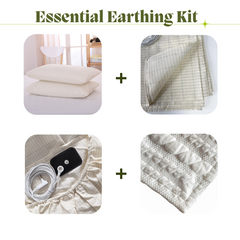
What to do next: Start with our Essential Grounding Starter Kit if you're new to grounding. It includes a bed mat, connection cables, and testing equipment so you understand exactly how the system works from day one.
5. Proper Placement and Setup for Maximum Effectiveness
Placement determines whether you're grounding effectively or wasting money on a product that doesn't deliver results.
Optimal bed placement: Position the mat directly under your sleeping area, either between your fitted sheet and mattress or on top of the mattress under your body. Skin contact with the conductive surface isn't necessary; the electricity reaches you through multiple layers of fabric and skin. Aim to have the mat under your torso and legs where you spend most of your night.
Electrical connection setup: Connect your grounding cord to the ground port of a properly grounded electrical outlet. In North America, that's the round hole below the two rectangular slots. Before connecting permanently, use a grounding tester (included with our kits) to verify the outlet is actually grounded. Many older homes and some newer construction have outlets that aren't properly grounded, which renders the mat ineffective.
Nightly consistency: Use the mat every night for at least four weeks before expecting stable results. Your body's electrical state didn't develop in days; it won't normalize in days either. Consistency compounds. By week four, your nervous system has recalibrated and inflammation markers begin showing clear improvement.
Temperature and comfort: Grounding mats don't generate heat or cold. They're neutral conductors. They add minimal bulk under your sheet and don't interfere with your mattress's normal temperature regulation. This means there's no reason to skip nights due to comfort issues.
What to do next: Test your outlet before assuming it's grounded. A $15 outlet tester (or the one included with our kits) prevents the frustration of setting up a perfectly good mat in an ungrounded outlet and seeing no results.
6. Safety Considerations When Using Grounding Mats
Grounding is safe for the vast majority of users. You're simply reconnecting your body's electrical state to what it was designed to experience. That said, certain precautions make sense.
Pacemaker compatibility: If you use a pacemaker or other electronic implant, consult your cardiologist before using a grounding mat. The electrical connection is minimal, but medical devices function with precise electrical parameters. Your doctor can advise whether grounding affects your specific device.
Medication interactions: Grounding doesn't interact with medications, but improved sleep and reduced inflammation might gradually reduce the effects you've been managing with certain drugs (particularly pain medication or sleep aids). Work with your doctor if you're on chronic medication and notice yourself needing less. They can help you adjust dosages safely.
Outdoor storm safety: Never use a grounding mat during a lightning storm. The conductive connection that makes grounding effective becomes a liability in extreme electrical weather. Unplug the mat when you know a storm is coming.
Outlet safety: Make sure your outlet is properly maintained and not damaged. A cracked or worn outlet presents electrical risk independent of the grounding mat. If your outlet looks questionable, have it inspected by an electrician.
Pregnancy: Grounding during pregnancy is generally safe, but individual circumstances vary. Discuss it with your obstetrician. Many pregnant women use grounding mats to manage inflammation and sleep issues, but your doctor's specific input matters.
What to do next: If you have any serious health condition or use electronic medical devices, check with your healthcare provider before starting. This takes five minutes and eliminates uncertainty.

7. Real-World Results: Sleep and Stress Reduction Benefits
The inflammation reduction from grounding creates a cascade effect that improves sleep and stress resilience.
Poor sleep and high stress create a feedback loop. Inflammatory cytokines disrupt sleep architecture. Sleep deprivation elevates cortisol. High cortisol intensifies inflammation. Grounding breaks this cycle by addressing the inflammation directly.
Here's what we see consistently in customer feedback:
Sleep improvements (7-14 days): Users report falling asleep 15-30 minutes faster and experiencing fewer middle-of-the-night awakenings. Deep sleep duration increases measurably. After two weeks, most users notice they're waking refreshed rather than groggy. This happens because reduced inflammation quiets the pain signals that interrupt sleep cycles.
Stress resilience (2-4 weeks): As inflammation decreases and sleep quality stabilizes, cortisol rhythms normalize. Users report feeling less reactive to daily stressors. Situations that would have triggered anxiety or irritability roll off more easily. This isn't placebo; it's your nervous system returning to baseline after chronic inflammatory stress.
Pain reduction (3-8 weeks): Joint pain, muscle soreness, and chronic aches gradually decline. Most users notice 30-50% improvement in pain levels. This happens as your body's repair mechanisms activate (enabled by better sleep) and inflammatory markers normalize.
Energy and mood (ongoing): Better sleep and reduced pain create noticeable energy increases by week three or four. Mood stabilizes as inflammatory cytokines that affect neurotransmitter production decline. Users report feeling "like themselves again" after months of feeling off.
These aren't isolated cases. We track customer feedback across thousands of users, and these patterns repeat consistently. The timeline varies slightly person to person, but the trajectory is predictable.
What to do next: Document your starting point. Note your current sleep quality, pain levels, and stress perception. Check again after two weeks and four weeks. You'll see measurable progress that keeps you motivated through the initial adaptation period.
For further reading: Grounding products for pain.
Frequently Asked Questions (FAQ)
How do our grounding mats actually reduce inflammation and pain?
Our grounding mats work by facilitating direct electron transfer between the Earth's surface and your body when you make contact with them. This connection helps neutralize free radicals that contribute to inflammation and chronic pain. We've designed our bed mats with conductive materials that maintain this electron flow consistently, allowing you to experience relief throughout your sleep when you need it most.
Where should we place our grounding mat for the best results?
We recommend positioning our grounding bed mats directly under your fitted sheet where your body makes the most contact, typically across the upper torso and head area or along your legs depending on where you experience the most discomfort. If you're using our mat on a bed frame, ensure it connects to a grounded outlet via our included cord so the Earth connection remains active. Consistent placement in the same location helps your body establish a steady routine and maximizes the benefits you'll experience each night.
Are our grounding products safe to use every night?
Yes, our grounding mats are designed for nightly use and we've incorporated multiple safety features including grounding cord protection and EMF shielding in our materials. We recommend starting with 2-3 nights per week if you're new to grounding, then gradually increasing to every night as your body adjusts to the effects. If you have any concerns about using our products alongside medical devices or medications, we always suggest consulting with your healthcare provider first.