



Table of Contents
- The Sleep Crisis and Why Natural Solutions Matter
- Criteria for Evaluating Natural Sleep Methods
- Method 1: Grounding and Earthing for Restorative Sleep
- Method 2: Sleep Environment Optimization
- Method 3: Circadian Rhythm Alignment
- Method 4: Stress Reduction Techniques
- Method 5: Physical Activity and Exercise
- Method 6: Nutrition and Sleep-Supporting Foods
- Method 7: Mindfulness and Relaxation Practices
- Comparison Summary of Natural Sleep Methods
- Why Grounding Stands Above Other Solutions
- Your Path to Better Sleep Starts Now
- Frequently Asked Questions (FAQ)
The Sleep Crisis and Why Natural Solutions Matter
Sleep deprivation has become a defining characteristic of modern life. Roughly 35% of adults report getting fewer than seven hours per night, and many struggle with consistent sleep quality regardless of duration. The consequences extend beyond daytime fatigue: poor sleep disrupts hormonal balance, weakens immune function, and intensifies anxiety and pain perception.
The pharmaceutical route offers quick relief but carries risks. Sleep medications often create dependency, produce morning grogginess, and mask underlying causes rather than address them. We recognize that many people seeking better sleep want sustainable solutions aligned with their body's natural rhythms, not chemical interventions.
Natural sleep improvement methods work with your physiology instead of against it. They address root causes like circadian misalignment, stress accumulation, and environmental disruption. The seven methods we cover here range from environmental tweaks to physiological interventions, each supported by research and accessible tonight.
Criteria for Evaluating Natural Sleep Methods
Not all sleep solutions work equally for everyone. Effective natural methods should meet three standards: they must be evidence-based rather than anecdotal, they must address identifiable sleep barriers, and they must be sustainable without creating new dependencies.
Consider these evaluation points as you explore each method:
- Does it target a specific sleep problem you experience (difficulty falling asleep, poor sleep quality, frequent waking)?
- Can you implement it consistently without significant lifestyle disruption?
- Is there scientific backing, not just marketing claims?
- Does it work synergistically with other approaches you already use?
Methods that fail these criteria might feel helpful initially but often lose effectiveness over time. The best sleep strategy combines multiple complementary approaches tailored to your circumstances.
Method 1: Grounding and Earthing for Restorative Sleep
Grounding, also known as earthing, involves direct contact with the Earth's natural electrical charge. When you walk barefoot on soil or grass, electrons transfer from the ground into your body. This process reduces inflammation, balances your nervous system, and signals to your body that it's safe to rest.
Most people spend their days disconnected from the ground: walking on rubber-soled shoes, working indoors, and sleeping in beds that insulate them from Earth's energy. This disconnection correlates with rising inflammation and sleep disorders. Grounding reverses this pattern by reestablishing that essential contact.
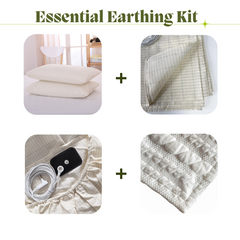
Implementing grounding indoors requires grounding products. Our fitted grounding bedsheets and bed mats deliver the same electrical benefits as barefoot contact with nature, but conveniently while you sleep. The conductive materials in these products channel Earth's electrons directly into your body throughout the night, promoting deeper sleep cycles and faster sleep onset.
You can start tonight by placing a grounding mat under your regular sheets or switching to grounding bedsheets. Most users report noticeable improvements in sleep quality within 3-7 nights. Our grounding starter kits include everything needed to begin grounding immediately, eliminating guesswork about setup or compatibility.
Method 2: Sleep Environment Optimization
Your bedroom functions as either a sleep catalyst or a sleep saboteur. Environmental factors influence how easily you fall asleep and how restorative your rest becomes. Temperature, light, sound, and air quality matter more than most people realize.

Optimal sleep happens in cool, dark, quiet spaces. Keep your bedroom between 60-67 degrees Fahrenheit (15-19 Celsius). This slight coolness triggers the physiological drop in core body temperature that initiates sleep. Darkness signals melatonin production, so eliminate blue light from screens at least one hour before bed and use blackout curtains to block external light.
Sound management often gets overlooked. Ambient noise or sudden disruptions fragment sleep cycles. Use white noise, earplugs, or a fan to mask disruptive sounds. Humidity levels matter too; aim for 30-50% to prevent dry airways that interrupt sleep.
Beyond these basics, the surfaces you sleep on significantly impact rest quality. A supportive mattress and quality pillows reduce pain and pressure points, but they work best when combined with grounding contact. That's where grounding bedsheets prove invaluable: they optimize your sleep surface while simultaneously delivering the nervous system benefits of earthing.
Method 3: Circadian Rhythm Alignment
Your body operates on a 24-hour internal clock that governs sleep-wake timing, hormone release, and metabolic function. When your daily schedule aligns with your circadian rhythm, sleep comes easily and feels restorative. Misalignment creates what many call "social jet lag" and explains why some people struggle despite having adequate time in bed.
Light exposure is the primary circadian regulator. Morning sunlight, especially within two hours of waking, sets your internal clock and primes melatonin production for evening. Aim for 20-30 minutes of natural light early in your day. Conversely, dim the lights and reduce screen time in the evening.
Consistency strengthens circadian alignment. Go to bed and wake at the same times seven days a week, even on weekends. This regularity trains your body to anticipate sleep and wake naturally. Shift workers and those with variable schedules face greater challenges, but even they benefit from maintaining consistent meal times and light exposure patterns.
Your activity level also influences circadian timing. Morning or midday exercise advances your circadian rhythm slightly earlier, promoting earlier sleep times. Evening exercise can delay it, making late-night sleep harder. Schedule workouts accordingly based on your target bedtime.
Method 4: Stress Reduction Techniques
Stress hormones like cortisol activate your fight-or-flight response, which is fundamentally incompatible with sleep. High stress accumulation throughout the day creates a hyperaroused state that persists into evening, making sleep elusive. Stress reduction directly addresses this barrier.
Multiple techniques effectively reduce stress before sleep:
- Deep breathing exercises activate your parasympathetic nervous system, signaling safety to your body
- Progressive muscle relaxation systematically tenses and releases muscle groups, releasing accumulated tension
- Journaling or worry time earlier in the day prevents racing thoughts at bedtime
- Meditation or guided imagery shifts mental focus away from stressors
The key is practicing these techniques regularly, not just when desperate for sleep. Daily stress management builds resilience and prevents stress accumulation. Even five minutes of intentional breathing in the morning or afternoon reduces baseline stress levels.
Grounding amplifies stress reduction benefits. The electrical contact between your body and Earth reduces inflammatory markers and calms your nervous system more effectively than stress techniques alone. Combining grounding with mindfulness practices creates a synergistic effect that addresses both physical and psychological stress pathways.
Method 5: Physical Activity and Exercise
Exercise improves sleep quality through multiple pathways. It increases sleep drive by building physical fatigue, promotes deeper non-REM sleep stages, and regulates circadian timing. People who exercise regularly report falling asleep faster and experiencing fewer nighttime awakenings.
Consistency matters more than intensity. You don't need intense workouts to sleep better; 30 minutes of moderate activity most days produces significant improvements. Walking, cycling, swimming, and yoga all enhance sleep when done regularly.
Timing influences effectiveness. Morning or afternoon exercise optimizes circadian alignment and avoids the stimulating effects of evening workouts. However, if evening is your only option, aim to finish at least three hours before bedtime.

Avoid sedentary behavior during the day, even if you exercise formally. Prolonged sitting reduces sleep pressure and disrupts circadian signaling. Break up sitting time with brief movement every hour.
Method 6: Nutrition and Sleep-Supporting Foods
What you eat and when you eat it shapes your sleep quality. Certain foods contain compounds that promote sleep, while others interfere with it. Strategic nutrition supports your body's natural sleep mechanisms without supplements or medications.
Foods rich in magnesium, tryptophan, and complex carbohydrates promote sleep. Consider adding these to evening meals:
- Almonds, pumpkin seeds, and leafy greens provide magnesium
- Chicken, turkey, and legumes contain tryptophan
- Whole grains and sweet potatoes offer complex carbohydrates that enhance tryptophan absorption
Timing matters significantly. Heavy meals close to bedtime disrupt sleep as your digestive system works. Finish eating at least two to three hours before sleep. Conversely, going to bed hungry triggers wakefulness.
Avoid caffeine after 2 p.m., as it remains in your system for 5-6 hours. Alcohol disrupts sleep architecture despite initially promoting drowsiness. Similarly, sugar and processed foods create blood sugar fluctuations that fragment sleep.
Consider magnesium intake as particularly important. Many people are magnesium-deficient, and supplementation or dietary increases improve sleep quality measurably. Combine this nutritional approach with grounding, which enhances your body's ability to utilize minerals effectively through improved bioavailability.
Method 7: Mindfulness and Relaxation Practices
Mindfulness involves observing your thoughts and sensations without judgment, creating mental stillness that enables sleep. Unlike meditation, which requires sustained focus, mindfulness works by reducing resistance to present experience. This shift alone dramatically improves sleep onset.
A simple practice starts as you lie in bed: notice five things you see, four you can feel, three you hear, two you smell, and one you taste. This grounding technique redirects attention from sleep anxiety to sensory presence. The name "grounding" in mindfulness refers to the same reconnection concept as earthing, just in psychological terms.
Body scan meditation is equally effective. Mentally move through your body from toes to head, noticing sensations without trying to change them. This practice both relaxes muscles and quiets the thinking mind.
Bedtime stories or audio content provide another mindfulness approach. Rather than scrolling social media or checking emails, listen to narrated content that occupies your mind without stimulating it. This prevents the racing thoughts that delay sleep.
Combine these practices with physical grounding through our bedsheets or mats. While you practice mindfulness or body scans, the grounding contact beneath you amplifies relaxation responses. Your nervous system receives dual signals of safety: mental signals from mindfulness and physiological signals from grounding contact.
Comparison Summary of Natural Sleep Methods
Each method addresses different aspects of sleep. Grounding works on nervous system balance and inflammation reduction. Environmental optimization removes physical barriers. Circadian alignment harnesses your body's natural timing. Stress reduction addresses psychological activation. Exercise builds sleep drive. Nutrition supports biochemistry. Mindfulness quiets mental chatter.
The most effective sleep improvement combines multiple approaches simultaneously. Someone experiencing poor sleep due to stress plus circadian misalignment plus an unsupportive sleep environment needs solutions addressing all three factors.
However, grounding stands apart by supporting all other methods. It reduces the stress that keeps you wired. It helps circadian alignment by improving melatonin production. It makes environmental improvements feel more effective. It enhances exercise recovery. It works synergistically with nutritional approaches. It deepens mindfulness practice results.

Why Grounding Stands Above Other Solutions
While all seven methods work, grounding delivers unique advantages that compound the benefits of everything else you implement. Grounding operates at the physiological level, influencing nervous system regulation, inflammation reduction, and hormone balance. These foundational changes make all other sleep strategies more effective.
Unlike temporary fixes, grounding creates lasting improvements. Users report continued sleep enhancement after months and years of consistent use. The mechanism is straightforward: reconnecting with Earth's electrons restores your body's natural electrical potential, correcting the deficit created by modern life disconnection.
Most other methods require active engagement: remembering to exercise, tracking sleep times, preparing specific foods, practicing meditation. Grounding works passively while you sleep. You simply lie on our grounding bedsheets or mat, and the benefits accumulate automatically throughout the night.
Accessibility matters too. You can start grounding tonight without scheduling changes, medication trials, or equipment investment beyond our affordable products. Within days, you'll notice improvements that took weeks to achieve through other methods alone.
We designed our grounding products specifically to address the sleep crisis facing modern people. Our fitted grounding bedsheets integrate seamlessly into your existing sleep routine, while our bed mats offer flexibility if you change mattresses or share your bed with a non-grounding partner. Both products deliver authentic grounding benefits from the convenience of your bedroom.
Your Path to Better Sleep Starts Now
Better sleep isn't elusive or dependent on pharmaceutical solutions. Your body knows how to sleep well when given the right conditions and support. The seven methods covered here address multiple sleep barriers simultaneously.
Start tonight by implementing one or two methods alongside grounding. Choose what feels most accessible: adjusting your bedroom temperature, practicing five minutes of deep breathing, or adding a handful of almonds to your evening routine. Then add our grounding bedsheets or mat as your foundation.
This combined approach works faster than any single method. Most people report noticeably better sleep within a week when combining grounding with even two other strategies. Within three weeks, the improvements become undeniable.
Your sleep quality affects everything: mental clarity, emotional resilience, physical recovery, and immune function. These aren't minor concerns. We believe you deserve natural, effective support that works with your body rather than against it. That's why we created grounding products that deliver genuine results without chemicals or side effects.
Take the first step tonight. Optimize your sleep environment, implement one mindfulness technique, and order grounding bedsheets to establish the foundation that amplifies all other improvements. Better sleep awaits, and it's simpler than you've imagined.
Frequently Asked Questions (FAQ)
How do grounding products compare to other natural sleep methods?
We've found that grounding addresses sleep issues at a foundational level by reducing inflammation and stress hormones that disrupt rest. While techniques like circadian rhythm alignment and stress reduction are valuable, our grounding bedsheets and mats work passively during sleep, allowing you to benefit from the Earth's natural energy without requiring conscious effort or lifestyle changes.
Can I combine grounding with other natural sleep improvement techniques?
Absolutely. We recommend using our grounding products alongside the methods discussed in the article, such as optimizing your sleep environment, practicing mindfulness, and maintaining consistent exercise. Many of our customers see the best results when they integrate grounding with these complementary approaches rather than relying on any single method alone.
What makes grounding different from meditation or other stress reduction techniques?
Our grounding products work physiologically by neutralizing free radicals and reducing cortisol levels, whereas meditation and relaxation practices primarily address stress through mental focus. We view grounding as a physical foundation that supports your body's natural healing processes, making it an excellent complement to any mindfulness or stress reduction routine you already practice.