


Table of Contents
- Understanding Chronic Stress and Energy Depletion in Modern Life
- Evaluation Criteria for Effective Stress Relief Solutions
- Method 1: Grounding and Earthing for Nervous System Regulation
- Method 2: Mindfulness and Meditation Practices
- Method 3: Physical Movement and Exercise
- Method 4: Sleep Optimization Through Natural Grounding
- Method 5: Nutritional Support and Hydration
- Method 6: Social Connection and Community Engagement
- Method 7: Nature Exposure and Outdoor Time
- Comparison of Stress Relief Methods and Their Effectiveness
- Why Grounding Products Outperform Other Stress Management Approaches
- Choose Our Grounding Solutions for Lasting Stress Relief and Energy
- Frequently Asked Questions (FAQ)
Understanding Chronic Stress and Energy Depletion in Modern Life
Chronic stress has become a hallmark of contemporary living. Between constant digital connectivity, demanding work schedules, financial pressures, and information overload, many people find themselves operating in a perpetual state of activation. The nervous system stays locked in "fight or flight" mode, burning through energy reserves that should be restored during rest.
The physical consequences accumulate over time. Elevated cortisol levels disrupt sleep patterns, suppress immune function, and accelerate fatigue. Energy depletion becomes a feedback loop: stress prevents quality sleep, poor sleep amplifies stress sensitivity, and the cycle deepens. Conventional medical approaches often rely on pharmaceuticals, but many individuals seek natural alternatives that address the root cause rather than masking symptoms.
This is where non-medicinal stress relief methods become valuable. They work with your body's natural systems rather than against them, creating sustainable improvements in resilience and vitality.
Evaluation Criteria for Effective Stress Relief Solutions
Not all stress management techniques deliver equal results. When evaluating natural approaches, consider several factors: scientific grounding, ease of implementation, consistency of outcomes, and compatibility with your lifestyle.
An effective solution should produce measurable improvements in sleep quality, nervous system activation, and daily energy levels. It should also be accessible enough that you can maintain it long-term without significant lifestyle disruption. The best methods create cumulative benefits, meaning each application strengthens your stress resilience further.
Timing matters too. Some techniques work best as daily practices, while others function better as immediate intervention tools during acute stress episodes.
Method 1: Grounding and Earthing for Nervous System Regulation
Grounding, also called earthing, involves direct or indirect contact with the Earth's electrical charge. When your body connects with the ground, electrons transfer to your system, reducing inflammation and calming an overactive nervous system.
The mechanism is straightforward: the Earth maintains a negative electrical charge, while chronic stress elevates positive ion accumulation in your body. This imbalance contributes to inflammation, pain, and sleep disruption. Grounding restores electrical equilibrium. Research shows that even brief grounding contact produces measurable reductions in cortisol and improvements in heart rate variability.
Practical applications include barefoot outdoor contact, grounding pads, or grounding bedsheets that work while you sleep. The advantage of indoor grounding tools is consistency, ensuring nightly nervous system regulation regardless of weather or lifestyle factors. This makes grounding one of the most reliable natural stress relief methods available.
Actionable step: If you spend most time indoors, consider grounding solutions you can use daily during your regular routines rather than relying solely on outdoor barefoot time.

Method 2: Mindfulness and Meditation Practices
Mindfulness interrupts the stress cycle by training attention toward the present moment rather than anxious projections. Regular meditation practice strengthens parasympathetic activation, the nervous system's calming branch.
Begin with short sessions, even five minutes daily. Body scan meditations work particularly well for stress because they combine awareness with progressive relaxation. Apps and guided resources make starting accessible, though consistency matters more than duration. People who meditate regularly report improved emotional regulation and reduced stress reactivity.
The challenge many face is establishing habit without external structure. Meditation requires discipline and doesn't provide the immediate energy boost some people seek.
Method 3: Physical Movement and Exercise
Movement shifts stress hormones into productive channels and triggers endorphin release. Cardiovascular exercise, strength training, yoga, and even walking all reduce cortisol levels and improve mood.
The key is matching intensity to your current energy state. High-stress periods sometimes require gentler movement like walking or stretching rather than intense workouts that demand recovery resources your body doesn't have. Consistency outweighs intensity, so sustainable routines beat sporadic intense sessions.
Exercise also improves sleep architecture, which amplifies its stress-relieving benefits. However, timing matters, as intense evening workouts can interfere with sleep onset in sensitive individuals.
Method 4: Sleep Optimization Through Natural Grounding
Quality sleep represents the single most powerful stress recovery tool available. During deep sleep, your parasympathetic system consolidates recovery, restores cognitive function, and resets stress sensitivity. Yet poor sleep quality perpetuates stress accumulation.
Creating optimal sleep conditions requires addressing both environmental factors and physiological state. Temperature control, darkness, and minimal electromagnetic interference all contribute. Beyond environment, your body's electrical state directly influences sleep depth.
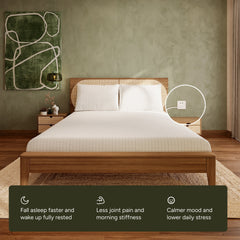
This is where grounding during sleep becomes transformative. Grounding products for better sleep create continuous earthing contact throughout the night. Our fitted grounding bedsheets and bed mats maintain your connection to the Earth's charge while you rest, enabling your nervous system to fully downregulate. Unlike other sleep interventions, grounding works with your body's natural biology rather than introducing substances or requiring conscious effort.
Users report falling asleep faster, experiencing deeper sleep stages, and waking with genuine restoration. The compounding effect means each night builds greater stress resilience.
Actionable step: Assess your current sleep quality before implementing other interventions. Since sleep amplifies the benefits of other techniques, optimizing it first accelerates overall results.
Method 5: Nutritional Support and Hydration
Chronic stress depletes specific nutrients, particularly magnesium, B vitamins, and antioxidants. Replenishing these supports nervous system stability and energy production.

Magnesium-rich foods like leafy greens, seeds, and legumes reduce muscle tension and promote calm. Omega-3 fatty acids support neurological function and reduce inflammatory stress responses. Adequate protein stabilizes blood sugar, preventing energy crashes that amplify stress perception.
Hydration often gets overlooked despite its fundamental importance. Dehydration impairs cognitive function and increases stress hormone activation. Simple increases in water intake often produce noticeable improvements in mental clarity and energy.
However, nutrition alone cannot address severe stress. It supports other practices rather than replacing them.
Method 6: Social Connection and Community Engagement
Isolation amplifies stress while meaningful social connection activates your parasympathetic system. Regular engagement with trusted people reduces cortisol, improves mood, and creates emotional resilience.
Community involvement, whether through group fitness, hobby clubs, or volunteer work, combines social connection with purpose and movement. Even brief interactions produce measurable nervous system benefits.
The challenge is prioritizing connection during high-stress periods when isolation often feels easier. Scheduling regular social time as non-negotiable appointments helps overcome this resistance.
Method 7: Nature Exposure and Outdoor Time
Time in natural environments reduces cortisol, lowers blood pressure, and improves mood independent of activity level. Simply sitting in nature produces measurable physiological benefits.
Natural light exposure also regulates circadian rhythms, which affects sleep quality and daily energy distribution. Daily outdoor time, ideally in morning light, supports sustainable energy and mood stability.
Urban living limits nature exposure for many people. Incorporating parks, green spaces, or even plants into regular routines helps partially offset this limitation.
Comparison of Stress Relief Methods and Their Effectiveness
Each method addresses specific aspects of the stress-energy connection. Exercise builds resilience through physical conditioning. Meditation trains mental regulation. Nutrition supports physiological function. Social connection provides emotional grounding.
The most effective approaches combine multiple methods rather than relying on single interventions. Someone using only meditation without addressing sleep or movement will see slower progress than someone implementing complementary practices.
Speed matters too. Some techniques require weeks of consistent practice before benefits accumulate, while others produce immediate effects. Grounding offers both immediate nervous system calming and cumulative improvements over time.
Why Grounding Products Outperform Other Stress Management Approaches

While each method contributes to stress relief, grounding stands apart in its comprehensive impact and ease of integration. Unlike practices requiring conscious effort or time commitment, grounding works passively, particularly through sleep-based solutions.
Our grounding bedsheets and mats create continuous earthing contact during the hours your body undergoes maximum restoration. This means stress relief happens automatically while you sleep, without competing with other demands on your attention or time. Natural energy boost solutions through grounding address both immediate stress symptoms and underlying nervous system dysregulation.
Grounding also amplifies the benefits of other practices. Someone meditating on a grounding mat experiences deeper parasympathetic activation. Someone sleeping on grounding bedsheets enters deeper sleep stages, allowing all other recovery processes to function optimally. This synergistic effect makes grounding an essential foundation supporting every other stress relief approach.
The science is robust: grounding measurably reduces cortisol, improves heart rate variability, and decreases inflammation within hours of initial contact. These aren't theoretical benefits but documented physiological changes.
Choose Our Grounding Solutions for Lasting Stress Relief and Energy
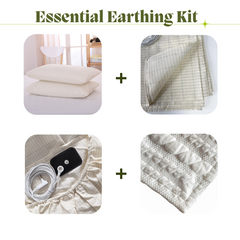
We design our grounding products specifically for stress relief and energy restoration. Our fitted grounding bedsheets integrate seamlessly into your sleep routine, requiring no behavior change while delivering consistent nervous system regulation every single night.
Our grounding bed mats provide flexible options for those who prefer targeted contact or want additional grounding layers. Both products use conductive materials that maintain safe, consistent earthing connection throughout extended use.
Rather than juggling multiple stress management techniques with inconsistent results, start with a proven foundation. Grounding creates the physiological conditions that make all other wellness practices more effective. Better sleep improves meditation depth. Reduced baseline inflammation makes exercise more productive. Lower cortisol enhances social connection quality.
Your chronic stress didn't develop overnight, and lasting relief requires commitment to foundational practices. Grounding offers the most efficient, scientifically-supported entry point. Start with our grounding solutions and build your stress resilience from a restored nervous system.
Frequently Asked Questions (FAQ)
How does grounding actually improve sleep and reduce stress?
We've found that grounding connects your body to the Earth's natural electrons, which help regulate your nervous system and reduce inflammation. This process calms your body's stress response, making it easier to fall asleep and stay asleep while also lowering cortisol levels throughout the day. Our grounding bedsheets and mats allow you to experience these benefits passively while you rest, without requiring medication or major lifestyle changes.
Can I use grounding products alongside other stress relief methods?
Absolutely. We recommend combining grounding with the other natural methods we discuss, like mindfulness, exercise, and better nutrition, since they work together synergistically. Many of our customers find that grounding creates a solid foundation for their wellness routine, making other practices like meditation and outdoor time even more effective. There are no contraindications with grounding, so you can layer it with whatever stress management approach works best for you.
How quickly will I notice changes in my energy and sleep?
Our customers typically report improvements within the first week of consistent use, though individual results vary based on your current stress levels and sleep patterns. Some people experience deeper, more restful sleep right away, while others notice a gradual increase in daytime energy over two to three weeks. We recommend committing to at least 30 days of regular use with our grounding products to fully assess the impact on your specific situation.