


Understanding Earthing and Grounding Principles
Earthing, also called grounding, refers to making direct skin contact with the Earth so your body shares the planet’s electrical potential. In modern, indoor-centered routines, shoes, high-rises, and synthetic flooring limit that connection. Addressing earthing grounding sedentary life simply means restoring a basic environmental input your body evolved with—without changing your entire schedule.
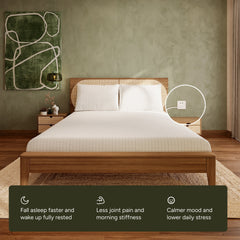
From an electrical perspective, the Earth is a vast reservoir with a near-zero potential. Touching soil, sand, or seawater equalizes your body’s voltage and can dissipate static charge picked up from dry indoor air and electronics. Indoors, conductive textiles and carbon-infused surfaces connected to a grounded outlet provide a similar pathway. Fitted grounding bedsheets, grounding bed mats, and starter kits are indoor earthing solutions designed to maintain gentle skin contact so charge can flow as it would outdoors.
What does the research say? Early pilot and randomized studies report signals consistent with grounding benefits sleep, such as shorter sleep-onset latency and improved self-reported rest. Other small trials note shifts toward a healthier cortisol rhythm, modest improvements in heart rate variability, and reductions in localized pain and perceived stress. Evidence is still emerging and not definitive, but many users describe calmer nights and an easier wind-down, aligning with the reduce stress earthing goal.
Grounding mats benefits are most obvious when you’re stationary:
- At a desk: Place a mat under bare feet while working to offset long seated hours.
- In bed: Use a fitted sheet or bed mat to stay grounded through the night when recovery processes peak.
- During relaxation: Sit with calves or forearms on a mat while reading or meditating.
For best results:
- Ensure direct skin contact; thin cotton is okay for sheets woven with conductive fibers.
- Ground only to a verified outlet ground using an outlet tester; never connect to live or neutral.
- Start with 30–60 minutes daily, building up to overnight use.
- Keep surfaces clean to maintain conductivity; lightly damp skin improves contact.
Safety and common sense apply. Avoid use during electrical storms, and consult your clinician if you use implanted medical devices or have specific health concerns.
Integrated consistently, grounding can complement a natural health sedentary routine—alongside movement, daylight, and sleep hygiene—offering a simple, low-effort way to support steady energy and calm.
Health Impacts of Modern Sedentary Lifestyles
Most of us sit for long stretches under artificial light, surrounded by electronics, and insulated from the ground by rubber-soled shoes and elevated floors. This combination alters physiology in ways that compound fatigue and tension.
Key impacts linked to prolonged sitting and indoor living:
- Metabolism: Reduced muscle contractions lower glucose uptake and circulation, contributing to energy dips and stiffness.
- Stress physiology: Constant alerts, blue light, and noise keep the sympathetic nervous system dominant, elevating cortisol and making it harder to unwind.
- Sleep and circadian rhythm: Evening screens and irregular light exposure delay melatonin release, fragmenting sleep and reducing deep sleep.
- Pain and inflammation: Static postures, low movement, and micro-stressors can heighten low-grade inflammation and sensitize pain pathways.
- Mood and focus: Poor sleep and overactive stress responses correlate with anxiety, irritability, and brain fog.
Earthing is one accessible lever within a natural health sedentary routine. The concept is simple: direct skin contact with the Earth equalizes electrical potential and may influence autonomic balance and inflammation signaling. Early studies and user reports suggest grounding benefits sleep, with some noting faster sleep onset and fewer nighttime awakenings. Preliminary research also points to changes in heart rate variability and cortisol patterns that align with calm, supporting the goal to reduce stress earthing without medication.
Because daily outdoor barefoot time isn’t always feasible, indoor earthing solutions bridge the gap and fit neatly into busy schedules:
- At the desk: Under‑desk or desktop contact provides continuous skin contact while you type or read. Grounding mats benefits here include convenience and consistency during the hours you already sit.
- In bed: Fitted grounding bedsheets or bed mats maintain gentle contact for 6–8 hours, aligning grounding time with your longest recovery window.
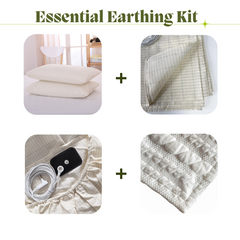
- All‑in‑one: Starter kits combine a mat for daytime use with a sheet for nights, simplifying setup and increasing adherence.
Concrete example: A remote professional spends eight hours at a computer and struggles with restless sleep. An under‑desk foot mat provides daytime contact; a fitted sheet adds overnight exposure. Paired with movement breaks, screen dimming, and earlier light cues, this earthing grounding sedentary life routine targets multiple stress and sleep drivers at once.
Earthing is not a substitute for movement, sunlight, and ergonomics, but it can be a low-effort adjunct that supports relaxation and restorative sleep in modern indoor lifestyles.
How Earthing Mitigates Sedentary Risks
Prolonged sitting amplifies stress load, disrupts sleep patterns, and can aggravate pain and low energy. Earthing offers a simple, indoor-friendly way to counter some of those risks by providing a steady electrical connection to the Earth, which early research associates with calmer nervous system activity, improved sleep, and reduced perceived pain—key issues in a sedentary routine.
What the science suggests:
- Autonomic balance: Small studies report shifts toward parasympathetic (rest‑digest) dominance and improved heart rate variability when grounded, aligning with the goal to reduce stress. If you’re looking to reduce stress, earthing may support a more relaxed baseline during long desk days.
- Sleep quality and cortisol: Pilot data show more normalized diurnal cortisol rhythms when sleeping grounded, which helps explain reported grounding benefits sleep, including fewer nighttime awakenings and easier morning wakeups.
- Discomfort and recovery: Trials on delayed-onset muscle soreness note lower pain ratings and less swelling when grounded—relevant if static postures leave you stiff at day’s end.
- Circulation markers: Preliminary findings indicate changes in blood viscosity and red blood cell zeta potential with grounding, suggesting support for microcirculation during extended sitting.
Practical indoor earthing solutions you can use consistently:

- At the desk: Place a grounding mat under bare feet or forearms while typing. Grounding mats benefits include a simple, passive way to stay connected for hours without changing your workflow.
- During sleep: Fitted grounding bedsheets or a grounding bed mat provide 6–8 hours of uninterrupted contact when repair processes are most active—an efficient option if your days are packed.
- Around the home: Keep a small mat by the couch or reading chair for evening wind-downs.
- On the go: A compact Essential Grounding Starter Kit can travel to co-working spaces or hotels for continuity.
Sample routine for an earthing grounding sedentary life:
- 30–60 minutes on a desk mat each morning
- Barefoot contact with a living room mat during a 20‑minute break
- Overnight use of a fitted sheet or bed mat
Tips for better results:
- Combine grounding with micro‑breaks, light mobility, and hydration to enhance natural health sedentary strategies.
- Ensure your outlet ground is functional; use a tester before connecting.
- If you use implanted electronic devices, consult your clinician before starting.
Used consistently, earthing can be a low-effort adjunct to reduce stress earthing, support sleep, and ease everyday aches—without adding another task to your to‑do list.
Improve Sleep and Reduce Stress Naturally
Long, screen-heavy days disrupt circadian rhythm and raise baseline arousal, making it harder to fall asleep and stay asleep. Earthing connects your body to the Earth’s electrical potential, which may help normalize nervous system activity. For those navigating an earthing grounding sedentary life, bringing the outside in with indoor earthing solutions is a low-effort way to support nightly recovery.
Evidence is emerging. Small clinical and pilot studies, along with user reports, suggest shorter sleep latency, fewer nighttime awakenings, and calmer mood when grounded. While more rigorous research is needed, early data exploring grounding benefits sleep and perceived stress is promising, especially when combined with consistent sleep hygiene.
Integrate grounding where it matters most—bedtime and the late-afternoon wind-down. Terra Therapy’s Fitted Grounding Bedsheets and Grounding Bed Mats create continuous contact during the hours your body consolidates memory and repairs tissue. Many notice the transition to sleep feels easier when they’re grounded while reading in bed or during the first sleep cycle.
Practical ways to use grounding to support rest and calm:
- At the desk: Place a Grounding Bed Mat under bare feet during the last 2–3 hours of your workday. Common grounding mats benefits include a quieter “tired-but-wired” feeling, making the evening slowdown smoother.
- In bed: Sleep on Fitted Grounding Bedsheets to maintain contact through the night. Track time to fall asleep, number of awakenings, and morning grogginess for two weeks.
- Flexible setup: Use an Essential Grounding Starter Kit to test contact at your workstation, sofa, and bed to find where you feel the biggest change.
- Travel: Pack a compact mat to help re-anchor after flights and maintain routine in new time zones.
- Pair with habits: Dim lights, keep the bedroom cool, and set a consistent wake time; these amplify any effect and help reduce stress earthing practices aim to deliver.
Setup is straightforward: connect the cord to a verified grounded outlet using an outlet tester, or to a grounding rod where appropriate. Grounding products do not power your body; they simply reference ground. If you use implanted medical devices, are pregnant, or have concerns, consult your clinician before starting.
Measure what matters. Use a sleep diary or wearable to track sleep onset, awakenings, HRV, and perceived stress. Over 2–4 weeks, you’ll see whether this natural health sedentary strategy is moving the needle for you.
Alleviate Pain and Boost Natural Energy
Hours of sitting can leave the body inflamed, tight, and low on drive. Earthing—also called grounding—is a simple practice of connecting your skin to the Earth’s electrical potential, either outdoors or through a conductive pathway indoors. Early studies and user reports suggest this contact may ease day‑to‑day aches, stabilize stress responses, and support more even energy across the day.
The proposed mechanisms are straightforward: contact with the ground can equalize surface charge, which may help neutralize excess free radicals from everyday metabolic and environmental stressors. Gentle shifts in autonomic balance and cortisol timing have also been observed in preliminary research. In practice, grounding benefits sleep for many people, and some find they reduce stress earthing for 10–30 minutes as a restorative break.
For an earthing grounding sedentary life approach that fits modern schedules, keep contact simple and consistent. Terra Therapy’s fitted Grounding Bedsheets and Grounding Bed Mats maintain connection overnight, when your body is already in repair mode. During the day, indoor earthing solutions—like an under‑desk mat or a mat on the couch—let you connect while working, reading, or stretching.
Try this routine:
- Night: Sleep on a fitted Grounding Bedsheet or use a Grounding Bed Mat touching bare skin. Aim for 6–8 hours of contact.
- Midday: 20 minutes with bare feet on a mat while you eat, read, or meditate.
- Work block: Place a mat under your desk so calves, ankles, or feet maintain contact during seated tasks.
- Recovery: After exercise, sit with forearms or calves on the mat for 15–30 minutes.
Target common discomfort with placement:
- Lower back tightness: Sit against a chair with a mat touching the lower back or under the thighs; alternate positions during a 30‑minute session.
- Neck and shoulders: Rest forearms or the back of the neck on the mat while breathing slowly to encourage down‑regulation.
- Foot or knee pain: Stand with bare feet on the mat during light stretches; grounding mats benefits include convenient relief while you mobilize.
Most people notice subtle shifts first—less morning stiffness, steadier afternoon energy, and easier wind‑down at night. Pair grounding with light movement breaks, hydration, and daylight exposure for a natural health sedentary strategy that compounds benefits over time.

Safety notes: Use only properly grounded outlets verified with an outlet tester. Disconnect during electrical storms. If you use implanted electronic devices or have specific medical conditions, consult your clinician before starting. Terra Therapy’s Essential Grounding Starter Kits include what you need to begin safely and consistently.
Practical Daily Earthing Integration Methods
Make earthing a habit you can do without changing your schedule. Stack it onto the time you already spend sitting, working, and sleeping so it complements an earthing grounding sedentary life plan.
Sleep first. Nighttime provides the longest, most consistent contact. Use fitted grounding bedsheets connected to a verified grounded outlet so bare skin (legs or torso) touches the conductive area. For many, grounding benefits sleep by shortening sleep onset and reducing nighttime restlessness. Test the outlet with the included checker and the sheet with a continuity tester. Wash on gentle; avoid bleach and fabric softeners to preserve conductivity.
At your desk, place a grounding bed mat under your feet or a smaller mat under forearms for typing sessions. Bare skin works best; thin cotton socks are acceptable. Common grounding mats benefits include less static buildup, a steadier sense of calm during long focus blocks, and fewer tight forearms or shoulders from computer strain. If you alternate sitting and standing, shift the mat to where your feet rest. Keep cables routed along desk edges to prevent trips.
During evening wind-down, sit with feet on a mat while reading or watching TV. People aiming to reduce stress earthing sessions often pair them with slow breathing (for example, five minutes of 4-6 breaths per minute) to reinforce a relaxation response.
Use an Essential Grounding Starter Kit for quick, plug-and-play setup. It typically includes leads, adapters, and an outlet tester, making indoor earthing solutions straightforward even in apartments.
Time and consistency matter:
- Aim for 30–120+ minutes daily, with sleep providing the bulk of exposure.
- Break up desk time: 25–50 minutes grounded, 5 minutes off to move and hydrate.
- After workouts or long commutes, add 10–20 minutes of feet-on-mat recovery.
Practical checks and care:
- Verify the outlet ground before first use; recheck if you move rooms.
- Ensure skin contact; roll up pant legs or switch to barefoot when feasible.
- Launder sheets every 1–2 weeks; air- or low-heat dry.
- Travel with a portable mat for hotel desks to maintain a natural health sedentary routine.
Track outcomes to personalize your plan. Log sleep latency, nighttime awakenings, perceived stress (1–10), and muscle soreness for two weeks. Adjust timing and contact areas based on what changes.
Safety notes: Use only properly grounded outlets. If you use implanted medical devices, consult your clinician. Earthing is not a cure-all, but many users report better sleep and calmer mood when they integrate it consistently.
These approaches let you capture grounding benefits in the moments you already spend seated or resting, with minimal friction and maximal payoff.
Maximizing Indoor Grounding with Products
To get the most from indoor earthing, focus on consistent, safe skin contact and the right product for each sedentary moment. The goal is to make grounding automatic during the activities you already do—sleeping, working at a desk, or relaxing—so the time adds up without extra effort.
Fitted Grounding Bedsheets
- Best for: all-night, hands-free contact to support grounding benefits sleep.
- How to use: place the sheet directly on the mattress and sleep with bare legs, feet, or torso in contact. Avoid insulating layers like thick pajamas between you and the fabric.
- Care: wash regularly to remove body oils that reduce conductivity. Use mild detergent; skip bleach and fabric softeners. Line dry or low heat.
- Tip: a humid room slightly improves skin conductivity; dry environments may require more skin contact area.
Grounding Bed Mats
- Best for: under-sheet placement if you prefer a standard top sheet, or across the foot of the bed to target feet and calves.
- How to use: ensure some bare skin touches the mat nightly. Many people stack a 30–90 minute wind-down routine on the mat to reduce stress earthing before sleep.
Essential Grounding Starter Kits

- Best for: a simple, all-in-one entry to indoor earthing solutions.
- Desk setup: place a mat under your bare feet while typing or reading. This makes earthing grounding sedentary life seamless during long sitting sessions.
- Living room: position a mat where your calves or hands rest while you watch TV, meditate, or read.
Grounding mats benefits during the day compound when combined with overnight contact. A practical routine:
- Night: 7–8 hours on a fitted sheet or bed mat.
- Morning: 20 minutes on a mat while journaling or having coffee.
- Work: 2–4 hours total foot contact at your desk.
- Evening: 30 minutes while stretching or relaxing.
Safe setup matters. Always:
- Connect only to a properly grounded outlet using the provided cord with an in-line safety resistor.
- Test the outlet with a grounding checker before first use.
- Route cords to prevent tripping; keep connectors dry.
- If you have an implanted medical device or specific health concerns, consult your clinician before use.
For natural health sedentary routines, direct, regular skin contact is key. Results vary, but many users report calmer mood, less perceived tension, and better sleep quality over time. Periodically check continuity with a simple tester, and keep skin-contact areas clean to maintain performance.
Creating Your Consistent Earthing Routine
Consistency comes from anchoring earthing touchpoints to habits you already do. If you sit most of the day, design short, repeatable contacts with the ground so you can sustain earthing grounding sedentary life without overhauling your schedule.
Start small and stack:
- Morning: Place a Grounding Bed Mat by the bathroom sink or coffee station. Stand barefoot 5–10 minutes while you brush your teeth or brew coffee. Increase to 20 minutes over two weeks.
- Workday: Slide a Grounding Bed Mat under your desk and rest your bare feet on it during deep-focus blocks. Set a timer for 50 minutes on/10 minutes off to encourage movement while maintaining skin contact most of the hour.
- Evening wind-down: Sit with feet or calves on the mat for 20–30 minutes while reading or stretching. To reduce stress earthing, pair this with slow nasal breathing (inhale 4 seconds, exhale 6).
- Overnight: Use Fitted Grounding Bedsheets to maintain gentle contact for hours. For grounding benefits sleep, keep your bedroom cool and dim and avoid lotions right before bed, which can reduce skin conductivity.
If you’re new, an Essential Grounding Starter Kit simplifies setup and helps you test different placements before committing to a larger layout. Indoor earthing solutions also matter when traveling or living in high-rises—use a grounded outlet with a verified ground connection, or a ground rod where permitted.
Make it measurable:
- Log bedtime, wake time, perceived sleep quality, and energy on waking for two weeks before and after starting.
- Note changes in soreness after long sitting, and midday calm or focus.
- Adjust duration upward by 5–10 minutes each week until you reach 60–120 minutes of daytime contact, plus nighttime sheets.
Optimize the connection:
- Verify the outlet’s ground with a tester before using adapters.
- Ensure direct skin contact; avoid thick socks or heavy lotions.
- Route cords safely; wipe mats with a damp cloth weekly to remove oils.
- If storms are forecast and you’re using a ground rod, disconnect until weather clears.
Grounding mats benefits include flexible placement (desk, couch, bedside), easy skin contact during sedentary tasks, and the ability to build a natural health sedentary routine without extra time. Many users report calmer afternoons and steadier energy; others notice less body tension after desk work. As with any wellness practice, results vary, but consistent, daily contact—especially overnight with Fitted Grounding Bedsheets—offers the simplest path to potential improvements in sleep, stress, and comfort.
Embrace Grounding for Holistic Well-being
For many, the challenge isn’t a lack of wellness knowledge—it’s making it work inside an earthing grounding sedentary life. Grounding offers a simple, low-effort input your body can receive while you sit, type, or sleep. By maintaining gentle skin contact with a grounded surface, you create a steady, calming signal that can support recovery from the everyday stressors of screens, artificial lighting, and long hours indoors.
Early studies and user reports point to practical gains: better sleep onset and continuity, calmer mood, fewer muscle aches, and steadier energy. The grounding benefits sleep conversation often highlights improved morning alertness and fewer nighttime awakenings. Preliminary research has also observed shifts in stress-related markers and perceived tension, aligning with how many people use grounding to reduce stress earthing without adding another task to their day.
Practical ways to integrate indoor earthing solutions:
- While you work: Place a grounding mat under your desk and rest bare feet or forearms on it during calls and emails. Grounding mats benefits include consistent contact without changing your workflow.
- During breaks: Stand on a mat for 5–10 minutes of box breathing to downshift your nervous system between meetings.
- At night: Use a fitted grounding bedsheet so your lower legs, calves, or back maintain contact as you sleep. Many users report fewer restless toss-and-turn cycles.
- For a quick start: An Essential Grounding Starter Kit simplifies setup with a mat, cord, and outlet checker so you know your connection is solid.
To set up correctly:
- Confirm the outlet’s ground with a simple tester before connecting.
- Ensure direct skin contact (bare feet, ankles, or forearms). Thin natural-fiber clothing may conduct; thicker synthetics often don’t.
- Aim for consistency over intensity. Several hours nightly on a grounding sheet or a full workday of intermittent foot contact adds up.
- Keep cords tidy and away from chair casters; disconnect during electrical storms as a precaution.
Make grounding part of a holistic, natural health sedentary routine: pair it with regular micro-movements, light stretching, and brief outdoor light exposure. Track changes with tools you already use—sleep timing, HRV, or a simple pain/stress journal—to notice trends over a few weeks.
Whether you’re a desk-bound professional, a new parent catching fragmented rest, or an athlete seeking smoother recovery, grounding meets you where you are. With reliable indoor earthing solutions like bed mats and sheets, you can cultivate natural energy and calm without adding time to your day.