


Understanding Modern Stress and Anxiety
Stress and anxiety are normal survival responses, but modern life keeps those systems “on” far longer than they were designed for. The result is a chronic, low-grade activation that erodes sleep, mood, focus, and energy. Understanding the drivers helps you target natural stress and anxiety relief that actually fits your day.
At a biological level, repeated micro-stressors activate the sympathetic nervous system and HPA axis, elevating cortisol and adrenaline. When this persists, cortisol’s daily rhythm flattens, sleep architecture fragments, and inflammation can rise—each of which can heighten anxious thoughts and the “wired-and-tired” feeling. The brain-gut-immune network is involved too, so digestion, pain sensitivity, and mental clarity often shift together.
Common modern drivers include:
- Circadian disruption: late-night screens, indoor days, and irregular meals confuse the body clock.
- Cognitive overload: constant notifications, multitasking, and news cycles maintain a threat bias.
- Sedentary time: long sitting reduces mood-lifting neurochemicals and sleep pressure.
- Social and nature deficit: less face-to-face connection and outdoor time remove potent calming inputs.
- Subclinical inflammation: poor sleep, ultra-processed foods, and pollution can amplify reactivity.
- Uncertain environments: financial strain or job insecurity keeps the nervous system on guard.
Natural approaches work by restoring rhythm, safety cues, and sensory inputs that upshift the body into parasympathetic (rest-and-digest) mode. This is the foundation of holistic stress management: you’re not suppressing symptoms; you’re nudging systems back to balance.
Practical ways to reduce stress naturally:
- Light timing: get 5–10 minutes of outdoor light within an hour of waking; dim screens and overheads 60 minutes before bed to improve sleep and reduce anxiety at night.
- Breath and body: 5 minutes of slow breathing (inhale 4 seconds, exhale 6–8) or a brief walk between tasks lowers arousal and clears cortisol faster.
- Environment: create an “anxiety relief at home” routine—cool, dark bedroom; consistent wake time; a no-news window in the evening; and batch notifications instead of constant pings.
- Nature and grounding: time in green spaces reliably reduces rumination and perceived stress. Grounding (direct skin contact with the earth) is a simple add-on; early studies report shifts toward parasympathetic dominance and better sleep in some participants. For those without easy outdoor access, indoor options like grounding bedsheets or desk mats enable year-round contact during sleep or work.
- Social buffering: schedule brief, regular connection—shared meals, a call on a walk, or volunteering—to signal safety to the nervous system.
The goal isn’t perfection; it’s stacking small, repeatable behaviors that rebuild biological rhythms. As these inputs accumulate, many people notice they sleep deeper, react less, and have steadier energy—key markers that your stress system is recalibrating.
Why Choose Natural Relief Strategies
Choosing natural stress and anxiety relief puts you in control of habits that calm your nervous system without relying solely on quick fixes. These approaches tend to have fewer side effects, are sustainable, and often address root drivers of overwhelm—sleep debt, circadian disruption, rumination, and inactivity.
Benefits you can expect from ways to reduce stress naturally:
- Autonomy and consistency: You can practice them daily at home with minimal cost.
- Whole-body effects: What improves sleep, movement, or light exposure often boosts mood and energy.
- Synergy: Small habits stack to create steady gains—helping improve sleep, reduce anxiety over time.
- Compatibility: They complement therapy or medical care as part of holistic stress management.
Practical examples for anxiety relief at home:
- Breathwork: Try 4-6 breathing (inhale 4 seconds, exhale 6) or two short inhales + long exhale for 2–5 minutes to engage the parasympathetic response and lower acute stress.
- Light and rhythm: Get 5–15 minutes of morning daylight and keep a consistent sleep-wake window. Dim lights 60–90 minutes before bed to support melatonin.
- Movement: A 20-minute brisk walk, light strength training, or gentle yoga reduces muscle tension and stabilizes mood; outdoors adds extra benefit.
- Nutrition basics: Favor protein and fiber at meals to steady blood sugar. Moderate caffeine (avoid after noon) and alcohol, which can disrupt sleep and heighten next-day anxiety.
- Mindset and connection: Brief journaling, a gratitude line, or a five-minute check-in with a friend reduces rumination and feelings of isolation.
- Grounding for stress reduction: Direct skin contact with the Earth or indoor earthing solutions may help calm the nervous system. Preliminary studies suggest grounding can influence sleep quality, perceived stress, and markers like nighttime cortisol in some people.
Grounding made practical at home:
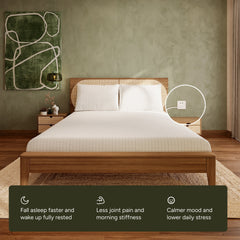
- While you sleep: Fitted Grounding Bedsheets connect you to a grounded outlet, allowing hours of effortless earthing that may support deeper rest.
- At your desk: A Grounding Bed Mat or desk mat under bare feet offers a simple midday reset while you work or read.
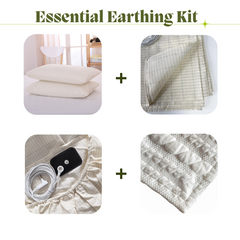
- Getting started: Essential Grounding Starter Kits simplify setup so you can test what feels best for you.
A simple daily flow:
- Morning: 10-minute outdoor walk + 2 minutes of slow exhale-focused breathing.
- Midday: 15 minutes with feet on a grounding mat during email or calls.
- Evening: Screen dimming after sunset, light stretch, then sleep on a grounded sheet.
These accessible steps build resilience gradually. By pairing grounding with movement, breath, light, and sleep hygiene, you create a reliable, natural framework to ease stress and anxiety and support steady energy throughout the day.
Mindfulness and Deep Breathing Techniques
Mindfulness and breathwork offer fast-acting, natural stress and anxiety relief by calming the sympathetic “fight-or-flight” response and engaging the parasympathetic “rest-and-digest” system. Even a few minutes can lower muscle tension, ease a racing mind, and steady the heart.

Start with diaphragmatic breathing
- Sit or lie comfortably. Place a hand on your belly and one on your chest.
- Inhale through your nose so the belly rises more than the chest.
- Exhale slowly through pursed lips; let the belly fall.
- Aim for longer exhales than inhales to cue relaxation.
Proven breathing patterns
- Box breathing (4-4-4-4): Inhale 4 seconds, hold 4, exhale 4, hold 4. Repeat for 2–5 minutes. Useful before meetings or when overwhelmed.
- 4-7-8: Inhale 4, hold 7, exhale 8. Do 4 cycles in the evening to improve sleep, reduce anxiety, and quiet rumination.
- Physiological sigh: Take a deep nasal inhale, add a short second inhale, then a long slow exhale through the mouth. Do 1–3 rounds during acute stress for quick relief.
- Paced breathing at 6 breaths/min: Inhale 5 seconds, exhale 5 seconds for 5–10 minutes. This cadence can increase heart rate variability (HRV), supporting holistic stress management.
Mindfulness you can do anywhere
- 5-4-3-2-1 sensory grounding: Name 5 things you see, 4 you feel, 3 you hear, 2 you smell, 1 you taste. Anchors attention and reduces spiraling thoughts—ideal for anxiety relief at home or on the go.
- Three-minute body scan: Move attention from head to toe, noting sensations without judgment. On the exhale, soften any area that feels tense.
- Mindful walking: Walk slowly for 5–10 minutes. Feel the heel-to-toe roll of each step; notice sounds and temperature.
- Thought labeling: When a worry appears, mentally note “planning,” “fear,” or “memory,” then return to the breath. This builds awareness without getting pulled into the story.
Combine breath, presence, and grounding
- If you can step outside, stand barefoot on grass or soil while practicing paced breathing to enhance grounding for stress reduction.
- Indoors, use tactile anchors: sit with your feet on a Grounding Bed Mat, or pair 4-7-8 with a Fitted Grounding Bedsheet at bedtime. Many people find that this sensory contact makes it easier to settle and drift off—one of the simplest ways to reduce stress naturally while supporting sleep.
Build a daily rhythm
- Morning: 5 minutes of paced breathing.
- Midday: 2-minute physiological sigh reset.
- Evening: 4 cycles of 4-7-8 in bed; optional body scan.
- Track progress with a journal or smartwatch metrics (resting heart rate, HRV, sleep latency).
If breath holds feel uncomfortable, shorten counts and prioritize slow, steady exhales. Those with respiratory or cardiovascular conditions should consult a clinician before starting new techniques.
The Role of Diet, Exercise, and Sleep
Diet, movement, and rest are the pillars of natural stress and anxiety relief because they regulate cortisol, balance blood sugar, and support the nervous system. Small, consistent changes here deliver outsized gains.
Dial in nutrition to calm the body:
- Stabilize blood sugar. Build meals around protein, fiber, and healthy fats: eggs with avocado and whole-grain toast; Greek yogurt with berries and walnuts; lentil salad with olive oil. Steady glucose helps curb jitters and irritability.
- Be strategic with stimulants. Cap coffee by early afternoon; a late latte can elevate evening cortisol. Alcohol may help you doze off but fragments sleep and can spike next-day anxiety.
- Favor calming nutrients. Magnesium (leafy greens, pumpkin seeds, cacao), omega-3s (salmon, sardines, flax), and polyphenols (berries, green tea) support the stress response.
- Feed your gut. Fermented foods like kefir, yogurt, kimchi, and sauerkraut can nurture the microbiome, which communicates with the brain via the gut–brain axis.
- Hydrate. Mild dehydration can feel like anxiety; aim for pale-yellow urine and add a pinch of electrolytes if active.
Move in ways that downshift the nervous system:
- Aim for most days. Even 10–20 minutes of brisk walking can lower tension; 150 minutes/week of moderate activity is a solid target.
- Mix it up. Combine aerobic work with 2 days of strength training, plus one mind–body session (yoga, tai chi, Pilates) to build resilience.
- Use micro-breaks. Stand, stretch, or do 2 minutes of mobility every 30–60 minutes to interrupt stress accumulation.
- Go green when possible. Outdoor activity often reduces rumination. Barefoot time on natural surfaces adds grounding for stress reduction; when that’s not practical, a grounding mat at your desk offers an at-home alternative.
Protect sleep to improve calm:
- Keep a consistent schedule. Wake up and wind down at the same times; get 10–20 minutes of morning daylight to anchor your clock.
- Create a wind-down. Dim lights 60–90 minutes before bed; try a warm shower, gentle stretches, or a paper book. Keep the room cool, dark, and quiet.
- Mind stimulants and screens. Avoid late caffeine, minimize alcohol, and reduce blue light exposure in the evening.
- Consider supportive tools. Breathwork (box or 4-7-8 breathing) and a worry journal ease mental load. Grounding during sleep—via fitted grounding bedsheets or a grounding bed mat—offers anxiety relief at home by promoting relaxation; early research suggests potential benefits for sleep quality and circadian cortisol patterns.
A simple day for holistic stress management:
- Morning: Protein-rich breakfast, 10-minute outdoor walk.
- Midday: 15-minute brisk walk; hydrate; balanced lunch.
- Afternoon: Micro-mobility breaks; green tea if needed, not coffee.
- Evening: Light dinner; low-intensity movement or yoga; screen dimming; grounding bedsheet in place to improve sleep and reduce anxiety.
Embracing the Power of Earthing
Earthing, also called grounding, is the practice of making direct skin contact with the Earth’s surface or using a conductive system indoors to mimic that contact. Many people use it as part of natural stress and anxiety relief because it can feel centering, restore a sense of safety in the body, and support better sleep.

Emerging research suggests grounding may shift the nervous system toward parasympathetic (“rest and digest”) activity, nudge cortisol into a more typical daily rhythm, and improve heart-rate variability—markers linked to resilience under stress. Small pilot studies have also reported improvements in subjective sleep quality and reductions in perceived stress and pain. While larger, rigorously controlled trials are still needed, the low barrier to entry makes grounding a practical option among ways to reduce stress naturally.
Here are simple, evidence-informed approaches to try:
- Outdoors: Stand or walk barefoot on grass, soil, or sand for 20–30 minutes. Pair with slow nasal breathing (four seconds in, six out) to enhance grounding for stress reduction.
- Before bed: Spend 30–60 minutes grounded in the evening to help improve sleep, reduce anxiety, and calm pre-sleep rumination.
- At work: Place a conductive mat under your bare feet during focused tasks to encourage relaxed alertness.
- During acute stress: Step onto a lawn or unsealed stone patio for a 10-minute breathing break to downshift tension.
- Travel days: Use a compact grounding mat in hotel rooms to counter circadian disruption.
Indoor options bring earthing into daily routines when outdoor access is limited. Terra Therapy’s fitted grounding bedsheets connect you to a grounded outlet while you sleep, providing consistent, passive contact that aligns with anxiety relief at home. A grounding bed mat under your feet during reading, meditation, or desk work can extend calm into daytime hours. Essential starter kits make setup straightforward for those new to the practice.
For best results:
- Confirm your outlet is properly grounded using a simple tester before connecting any product.
- Ensure direct skin contact with the conductive surface (bare feet, calves, or back).
- Start with 20–40 minutes daily and increase based on comfort; consistency matters more than single long sessions.
- Keep surfaces clean and dry; oils and lotions can reduce conductivity.
- Avoid outdoor grounding during thunderstorms. If you use implanted electronic devices or have specific medical conditions, consult a clinician before starting.
Set clear expectations. Grounding is not a cure-all, but it can be a steady anchor within holistic stress management—complementing movement, breathwork, light exposure, and sleep hygiene. Track your experience for two to four weeks (sleep quality, mood, tension levels). Many users notice subtle benefits first—less muscle tightness, easier wind-down at night—followed by deeper, more restorative sleep and a calmer stress baseline.
How Grounding Reduces Stress and Anxiety
Grounding, also called earthing, is the practice of making direct skin contact with the Earth’s surface or with conductive materials connected to the Earth. For many people, it offers natural stress and anxiety relief by shifting the body toward a calmer, parasympathetic state.
Early studies suggest grounding may influence the autonomic nervous system—often reflected by improved heart rate variability—while helping normalize daily cortisol rhythms. When stress hormones are better regulated, it’s easier to relax, fall asleep, and wake feeling restored. This link between grounding and sleep matters: when you improve sleep, you often reduce anxiety the following day.
There’s also a practical sensory component. Direct, consistent contact with a cool, grounded surface can act as a calming cue, similar to other ways to reduce stress naturally like deep breathing or mindful walking. Over time, those cues can help your nervous system “remember” how to settle more quickly.
For anxiety relief at home, indoor grounding options make the habit easy and consistent. Terra Therapy’s fitted grounding bedsheets and bed mats are designed to connect to your home’s grounded outlet, bringing grounding indoors so you can relax or sleep while connected.
How to use grounding for stress reduction:
- Make it routine: Use a fitted grounding bedsheet nightly to passively stay grounded for hours.
- Create a wind-down window: Sit or lie on a grounding mat for 20–30 minutes before bed while reading or journaling to cue your body for sleep.
- Take micro-breaks: Place a mat under your bare feet during a midday pause to ease tension between meetings.
- Pair with breathwork: Try a 5-minute box-breath sequence while grounded to amplify relaxation.
- Be consistent: Track mood, sleep quality, and energy for two weeks to notice trends.
A simple example: someone who struggles to “switch off” might use a grounding bed mat in the evening while doing a calm activity—then transition to a Terra Therapy fitted sheet overnight. Many report fewer nighttime awakenings and a more settled morning mood, which supports holistic stress management through the day.
Grounding works best when combined with other ways to reduce stress naturally:

- Morning daylight exposure for circadian support
- Light movement or stretching to release muscle tension
- Balanced meals and hydration to stabilize energy
- Mindfulness or gratitude prompts to shift attention
While responses vary, grounding provides a low-effort, at-home option to improve sleep, reduce anxiety, and support overall well-being. If you use medical devices or have concerns about your home’s electrical grounding, consult a professional and verify outlets before getting started.
Integrating Grounding into Your Daily Routine
Grounding works best when it becomes a repeatable habit woven into existing moments. Think “little and often.” This steady exposure can complement other natural stress and anxiety relief practices and fit seamlessly into busy days.
A simple daily flow:
- Morning reset (5–15 minutes): On waking, place bare feet on a Terra Therapy Grounding Bed Mat while you hydrate and do 4–6 slow breaths. If you can, step outdoors for a short barefoot walk on grass or soil. Exposure early in the day may help set a calmer tone and support healthy cortisol rhythms.
- Workday micro-breaks (3–5 minutes, 2–4 times): Keep a mat under your desk and make skin contact during email triage, mindful breathing, or brief stretch breaks. Pair it with a Pomodoro timer so you remember. This is one of the easiest ways to reduce stress naturally without adding extra time.
- Midday movement and recovery (10 minutes): After a walk, yoga, or light strength session, do your cool-down while grounded. Gentle hip openers or a forward fold with hands on the mat can help downshift your nervous system and may support recovery.
- Evening wind-down (10–20 minutes): Read, journal, or practice progressive muscle relaxation with your feet on the mat. Keep lights low and devices away. Consistency here can help improve sleep, reduce anxiety at night, and ease the transition to bed.
- Overnight continuity: Fitted Grounding Bedsheets provide hours of low-effort contact while you sleep—often the most reliable way to maintain routine exposure and support sleep quality.
Practical tips for grounding for stress reduction:
- Habit-stack: Place mats where you naturally spend time—under your desk, by the sofa, at your meditation spot.
- Make contact count: Bare skin contact is best. Hands, feet, or calves are all effective options.
- Track what matters: Note sleep duration, nighttime awakenings, morning mood, and perceived stress. Many people notice changes over 1–3 weeks.
- Combine with other tools: Breathwork (box or 4-7-8), a short mindfulness check-in, a warm shower, and morning light exposure amplify holistic stress management.
- Travel-ready: Terra Therapy’s Essential Grounding Starter Kits pack easily for hotels or offices, helping you keep anxiety relief at home—and away—consistent.
Safe, simple setup:
- Connect products only to a properly grounded outlet. Use a standard outlet tester before first use.
- Keep mats dry and away from heat sources. Clean with a damp cloth; avoid harsh chemicals.
- If you have a medical implant or specific health concerns, consult a clinician before starting.
Grounding is not a cure-all, but integrated into daily life—especially alongside sleep hygiene, movement, and mindful breathing—it offers a realistic, low-effort approach to natural stress and anxiety relief. The goal is steady, comfortable contact that fits your routines, helping you feel calmer, sleep more soundly, and start each day with a bit more ease.
Cultivating a Holistic Wellness Lifestyle
A holistic wellness lifestyle weaves together daily habits that support your mind, body, and environment. Instead of chasing quick fixes, build a sustainable rhythm of natural stress and anxiety relief that lowers your baseline stress load and makes you more resilient when life gets busy.
Start with the anchors you repeat every day:
- Sleep: Keep a consistent sleep and wake time, aim for 7–9 hours, and keep your bedroom cool, dark, and quiet. Dim screens 60–90 minutes before bed and get 5–10 minutes of morning daylight to set your circadian clock. If outdoor barefoot time isn’t practical, indoor grounding for stress reduction can fit into your routine with fitted grounding bedsheets that maintain gentle skin contact while you sleep—an at-home option many people use to improve sleep and reduce anxiety.
- Movement: Walk 20–30 minutes most days (green spaces are especially calming), and add two short strength sessions weekly. Yoga or tai chi once or twice a week integrates breath, balance, and mobility for holistic stress management.
- Nutrition: Stabilize blood sugar to avoid mood and energy swings. Try a protein-forward breakfast (e.g., eggs and berries), include fiber and healthy fats each meal, and favor omega‑3 sources (salmon, walnuts) and magnesium‑rich foods (leafy greens, pumpkin seeds). Hydrate consistently; even mild dehydration can feel like anxiety.
- Nervous system resets: Use short, repeatable tools for anxiety relief at home—4‑7‑8 breathing, a 2‑minute body scan, or progressive muscle relaxation before bed. Practice them at the same times daily to train a quicker calming response.
Shape your environment to reduce stress friction:
- Digital hygiene: Batch notifications, set app limits at night, and curate a calmer news diet. A quieter phone equals a quieter mind.
- Micro‑breaks: Insert three 5‑minute “recovery breaks” during the day—walk a flight of stairs, step outside, or do a few mobility drills.
- Grounding options: When going barefoot on grass or sand isn’t feasible, Grounding Bed Mats under a desk offer skin contact while you work. Essential Grounding Starter Kits simplify setup for anxiety relief at home; use as directed and ensure outlets are properly grounded.
Protect stress buffers that matter long-term:
- Connection: Schedule weekly time with a supportive friend or group. Even a 10‑minute check‑in can lower perceived stress.
- Meaning: Align tasks with values. A brief evening journal—What energized me? What drained me?—helps you adjust the week ahead.
Make it stick with small steps. Pick one habit per category and stack it onto something you already do (after brushing teeth, do 3 slow breaths; before lunch, 10‑minute walk; at lights‑out, grounding turned on and phone off). Track sleep, energy, and mood for two weeks. Iterate based on what measurably helps you improve sleep and reduce anxiety.