


Introduction to Natural Stress Relief and Selection Criteria
Modern life can keep your nervous system on high alert, which is why many people look for natural stress anxiety relief alternatives that fit easily into daily routines. Natural approaches aim to calm the body’s stress response without relying on medication, supporting long-term resilience and better sleep, mood, and focus. Because no single method works for everyone, it helps to understand how each option affects the mind-body system and how to choose what’s right for you.
Most evidence-backed, non-medicinal anxiety relief approaches work by shifting the body toward parasympathetic (rest-and-digest) dominance. Breathwork and meditation increase heart-rate variability, a marker of stress flexibility. Time in nature and daylight exposure can lower rumination and support circadian rhythms, which influence cortisol patterns and sleep quality. Gentle movement—like yoga, tai chi, or a brisk walk—releases muscle tension while boosting mood-regulating neurotransmitters.
Earthing, or grounding, is another option within holistic wellness practices. It involves direct skin contact with the Earth or conductive tools that simulate this indoors. Early research and user reports suggest potential benefits for sleep and perceived stress; some small studies note changes in cortisol rhythms and reduced discomfort. For those unable to be barefoot outdoors, grounding mats for stress and fitted sheets enable practical home use; Terra Therapy offers bedsheets, bed mats, and starter kits designed to make earthing for anxiety and relaxation more accessible.
When selecting natural ways to reduce stress, consider the following criteria to ensure a safe, effective, and sustainable choice:
- Evidence quality: clinical trials, systematic reviews, and measurable outcomes
- Mechanism: a plausible pathway (e.g., HRV improvement, circadian support)
- Safety and side effects: low risk, especially if you have medical conditions
- Accessibility: cost, equipment needs, and ease of daily use
- Fit and enjoyment: likelihood you’ll stick with it consistently
- Time demand: minutes per day versus intensive programs
- Measurability: simple ways to track progress (sleep logs, symptom scales)
- Complementarity: ability to pair with therapy, medication, or lifestyle changes
Applied practically, breathwork (e.g., 4-7-8, box breathing) scores high on accessibility and safety, with growing evidence for anxiety reduction. Mindfulness-based stress reduction and regular aerobic exercise show robust research support and clear mechanisms, though they require consistency. Aromatherapy with lavender offers modest effects for situational stress, while magnesium or omega-3s may help some individuals—best discussed with a clinician. Earthing tools from Terra Therapy are low-effort additions to a wind-down routine, especially if you’re optimizing sleep and want an at-home, non-medicinal option.
Natural methods are not substitutes for professional care, especially if you experience persistent or worsening symptoms. Use these criteria to build a personalized plan, track your responses, and coordinate with a healthcare provider to ensure safety and long-term success.
Grounding and Earthing Products for Instant Nervous System Regulation
Grounding—also called earthing—is a simple way to calm an overactive stress response by physically connecting your body to the Earth’s surface charge. As a category of natural stress anxiety relief alternatives, it aims to nudge the autonomic nervous system toward parasympathetic “rest-and-digest” balance. Early studies and user reports suggest potential benefits for sleep quality, mood, and perceived stress, making it a practical option for people seeking non-medicinal anxiety relief.
Grounding products use conductive materials to transfer the Earth’s electrons through a grounded outlet or rod, enabling indoor earthing when you can’t be barefoot outside. Small trials have reported changes in heart rate variability and more normalized diurnal cortisol rhythms after sleeping grounded—markers associated with better stress regulation. While larger, confirmatory research is needed, many users describe feeling calmer within minutes and sleeping more soundly after consistent use.
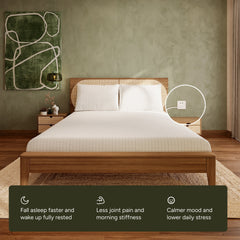
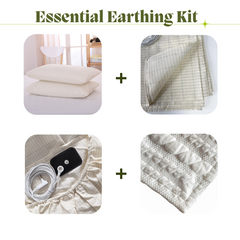
For earthing for anxiety at home, Terra Therapy offers fitted grounding bedsheets for overnight use, grounding bed mats for targeted daytime sessions, and Essential Grounding Starter Kits for a plug-and-play setup. The sheets are helpful if you wake frequently or wake up wired; mats can sit under your feet during work, meditation, or reading to make grounding mats for stress part of your daily routine. These solutions fit well within holistic wellness practices because they complement breathwork, stretching, and sleep hygiene without adding medications.
To get started and maximize benefits:
- Test your outlet with the included checker and connect only to a properly grounded port.
- Begin with 20–40 minutes while seated, then progress to overnight use with fitted sheets.
- Pair grounding with slow nasal breathing or a body scan for natural ways to reduce stress.
- Stay hydrated and ensure skin contact with the conductive surface (bare feet, ankles, or calves).
- Clean with a mild solution to preserve conductivity; avoid fabric softeners on sheets.
- If you have an implanted medical device or specific health conditions, consult your clinician first.
Track your response by noting sleep onset time, morning energy, and perceived tension, or use HRV and sleep trackers for objective input. When used consistently, grounding can be one of the more accessible natural stress anxiety relief alternatives—especially for people sensitive to screens, travel, or high-pressure work. If you’re exploring non-medicinal anxiety relief, Terra Therapy’s bedsheets, mats, and starter kits offer an easy, indoor way to make earthing part of everyday life.

Mindfulness and Meditation Techniques for Long-Term Mental Clarity
Mindfulness and meditation are evidence-based, natural stress anxiety relief alternatives that retrain attention and calm the nervous system. Practices like mindfulness-based stress reduction (MBSR) have been shown to decrease rumination, improve emotional regulation, and reduce perceived stress over time. The key is consistency: shorter, daily sessions often yield more durable mental clarity than occasional longer sits.
Start with breath-focused meditation, which anchors attention in the body and signals safety to the brain. Use one simple technique at a time and time it for 5–10 minutes.
- Box breathing: inhale 4, hold 4, exhale 4, hold 4; repeat, keeping the breath silent and smooth.
- 4–7–8 breathing: inhale 4, hold 7, exhale 8; useful before sleep to reduce arousal.
- Counting breaths: count exhales from 1 to 10, then restart; if you lose track, gently begin again.
- Physiological sigh: two short inhales through the nose, one long exhale through the mouth; repeat 3–5 times during acute stress.
A body scan cultivates interoceptive awareness, which helps you notice tension early and release it. Starting at the crown of your head and moving to your toes, observe sensations (warmth, pressure, tingling) without changing them; on the exhale, let muscles soften. To layer in earthing for anxiety when you can’t get outdoors, do your body scan seated or lying on a Terra Therapy grounding mat or their fitted grounding bedsheets; small studies suggest earthing may improve sleep and modulate stress-related measures.
For moments of racing thoughts, use noting and labeling. Quietly tag experiences as “thinking,” “hearing,” or “feeling,” then redirect to the breath; this cognitive defusion weakens reactivity without suppressing thoughts. Mindful walking—slow steps, attention on foot contact and breath—offers non-medicinal anxiety relief during breaks.
Build a routine that’s easy to keep. Habit-stack a 10-minute morning sit to your first cup of tea and a 10-minute wind-down after dinner; set a recurring timer and sit in the same spot daily. Track sessions briefly (“duration, mood before/after”) to reinforce progress.
- Morning: 5 minutes box breathing + 5 minutes noting.
- Midday: 2–3 physiological sighs before high-stakes tasks.
- Evening: 10-minute body scan, ideally while lying on a Terra Therapy grounding mat for stress relief and sleep prep.
Complement these practices with holistic wellness practices: daylight exposure, movement, and a consistent bedtime. If outdoor barefoot time isn’t feasible, Terra Therapy products enable indoor earthing, offering a practical bridge between meditation and nature’s calming touch. If anxiety is severe or persistent, combine these natural ways to reduce stress with professional care.
Herbal Supplements and Adaptogens for Balanced Hormonal Support
Herbal supplements and adaptogens can help regulate the body’s stress response by supporting the hypothalamic–pituitary–adrenal (HPA) axis and smoothing cortisol peaks and troughs. For many, they serve as natural stress anxiety relief alternatives that are gentler than pharmaceuticals while still offering measurable benefits. Early research shows certain botanicals may improve sleep quality, mental clarity, and resilience under pressure when used consistently.
Consider starting with well-studied adaptogens, standardized for active compounds and taken at times that match their effects. These are commonly used in practice and supported by growing evidence:
- Ashwagandha (Withania somnifera): 300–600 mg/day of a root extract standardized to 5% withanolides (e.g., KSM-66 or Sensoril). May reduce perceived stress and cortisol; evening dosing can support sleep.
- Rhodiola rosea: 200–400 mg/day standardized to ~3% rosavins and 1% salidroside. Best in the morning for fatigue and focus; avoid late-day if sensitive.
- Holy basil (Tulsi): 300–600 mg/day of leaf extract. Traditionally used for calm and clarity; monitor if on blood sugar medication.
- Eleuthero or Panax ginseng: 300–400 mg/day for eleuthero, or 100–200 mg/day of Panax standardized to ginsenosides. May bolster stamina; use caution with hypertension or insomnia.
- Schisandra chinensis: 500–1,000 mg/day of berry extract. Supports stress endurance and liver health; generally well tolerated.
For acute calm, pair adaptogens with botanicals and nutrients that ease tension without sedation. L-theanine (100–200 mg) can encourage alpha brain waves and smooth jittery energy, while magnesium glycinate (200–400 mg in the evening) supports muscle relaxation and sleep. Lemon balm, passionflower, and lavender extracts are traditional options for non-medicinal anxiety relief; saffron (28–30 mg/day) shows promise for mood support in emerging studies.
Create a simple protocol and adjust based on response. Many people use rhodiola in the morning and ashwagandha or magnesium in the evening, cycling adaptogens every 8–12 weeks to reassess baseline. Choose third-party–tested products, start with the low end of dosing, and consult a clinician if pregnant, breastfeeding, or taking thyroid meds, SSRIs, benzodiazepines, or blood pressure medications.

Adaptogens work best within holistic wellness practices that stabilize your daily rhythm. Consistent sleep, fiber- and protein-rich meals, light morning movement, and breathwork are reliable natural ways to reduce stress. Complement internal support with sensory grounding: earthing for anxiety can be a calming anchor, and grounding mats for stress may help nudge the nervous system toward parasympathetic balance.
If getting outside barefoot isn’t always practical, Terra Therapy offers indoor options that fit easily into a routine. Their fitted grounding bedsheets and grounding bed mats enable gentle earthing during rest or work, and the Essential Grounding Starter Kits make it easy to test the practice alongside your supplement plan. Combining smart supplementation with regular grounding can provide steady, layered support for a calmer, more resilient day.
Physical Movement and Forest Bathing for Holistic Stress Reduction
Regular, rhythmic movement is one of the most effective natural stress anxiety relief alternatives. Moderate-intensity activity improves heart rate variability, releases mood-supportive myokines and endorphins, and helps normalize the stress response. Even a 10–20 minute brisk walk can lower muscle tension and reduce rumination, making it a practical tool for non-medicinal anxiety relief.
Choose activities that are steady, bilateral, and breath-synced—walking, swimming, cycling, yoga, or tai chi. Keep most sessions in an easy “conversational” zone to calm the nervous system, and reserve short bursts of intensity for days you feel resilient. Many people find morning movement sets a stable tone for the day, while slower evening sessions are natural ways to reduce stress before sleep.
Try these simple structures:
- 20–30 minute walk most days; match steps to your breathing (3–4 steps inhale, 3–4 steps exhale).
- One weekly “green workout”: a jog, hike, or gentle ride on a trail to layer in nature exposure.
- Two short mobility or yoga sessions (10–15 minutes) to downshift the body after work.
- Mindful cool-down: 3 minutes of nasal breathing and longer exhales to signal safety.
Forest bathing (Shinrin-yoku) deepens these benefits by immersing you in a natural setting without a performance goal. Slow, sensory-focused walks in a park or woodland are associated with reduced cortisol and blood pressure, and the aromatic compounds from trees (phytoncides) have been linked to parasympathetic activation. Aim for 20–60 minutes per session and about two hours of weekly nature time for a meaningful effect.
If barefoot time outdoors isn’t feasible, earthing for anxiety can be integrated indoors. Contact with the Earth’s surface—traditionally by walking barefoot on grass or soil—has been explored for its potential to support autonomic balance and perceived calm. Terra Therapy offers grounding mats for stress and fitted grounding bedsheets that enable at-home earthing, along with Essential Grounding Starter Kits for a simple setup.
To make these holistic wellness practices stick, pair them with easy tracking and recovery cues. Note perceived stress before and after sessions, watch for improvements in sleep quality, and adjust intensity so you finish feeling steadier, not depleted. Over time, combining movement, forest bathing, and indoor grounding creates a sustainable, layered approach to natural stress anxiety relief alternatives.
Comparative Summary of Stress Relief Methods and Their Effectiveness
Choosing among natural stress anxiety relief alternatives comes down to how quickly you need results, how much effort you can invest, and the strength of supporting evidence. Short-acting tools can calm spikes in anxiety, while daily habits build long-term resilience. Most people benefit from stacking quick relief with deeper, holistic wellness practices to cover both immediate and preventive needs.
For rapid relief, slow diaphragmatic breathing (about 5–6 breaths per minute), the 5-4-3-2-1 sensory grounding technique, or a brief cold splash on the face can reduce sympathetic arousal within minutes. Aromatherapy with lavender or bergamot offers a mild, adjunct calm, especially when paired with breathwork. These are portable, non-medicinal anxiety relief options for high-pressure moments like before a presentation or during a commute.

For steady, daily regulation, walking in nature (forest bathing), gentle yoga, and 10–20 minutes of mindfulness meditation can lower baseline stress over weeks. Earthing for anxiety—direct contact with the ground—has emerging evidence for improved sleep and perceived stress; when outdoor access is limited, grounding mats for stress and fitted sheets from Terra Therapy enable indoor earthing/grounding as part of your routine. Many users pair evening earthing with a digital sunset and a warm shower to prime deeper sleep.
Foundational habits create the largest long-term gains: regular aerobic exercise (150 minutes/week), consistent sleep-wake times, and nutrition that prioritizes magnesium-rich foods (leafy greens, beans, nuts) while moderating caffeine. Cognitive-behavioral skills, journaling to reframe worries, and meaningful social connection strengthen coping and reduce rumination. These natural ways to reduce stress also translate into better daytime energy and mood stability.
- Breathwork and box breathing: Onset minutes; moderate evidence for acute anxiety; best for immediate calm.
- Mindfulness meditation: Onset weeks; strong evidence for stress reduction and attention; best for daily practice.
- Aerobic exercise: Onset immediate mood boost; strong long-term evidence; best for resilience and sleep.
- Yoga or tai chi: Onset session-level relief; moderate-strong evidence; best for mind-body regulation.
- Nature exposure/forest bathing: Onset minutes to hours; growing evidence; best for mood and rumination.
- Earthing/grounding (Terra Therapy sheets/mats): Onset days to weeks for sleep/stress; emerging evidence; best when outdoor contact is limited.
- Sleep hygiene: Onset days to weeks; strong evidence; best for anxiety-prone sleepers.
- Nutrition (magnesium, omega-3s) and herbal adjuncts (lavender, chamomile): Variable onset; moderate evidence; best as supportive measures.
- Social connection: Onset immediate; strong evidence; best for buffering stress.
- Aromatherapy: Onset minutes; mild evidence; best as a calming add-on to other practices.
Terra Therapy offers practical, at-home tools that integrate seamlessly with these practices, helping you maintain consistent grounding even on busy or urban days.
Selection Guide: Choosing the Best Natural Relief for Your Lifestyle
Start by mapping your needs to the outcome you care about most. Natural stress anxiety relief alternatives work best when they fit your routines, address your top triggers (sleep loss, work tension, social overwhelm), and are easy to repeat daily. Consider when symptoms peak—bedtime rumination calls for different tools than mid-meeting spikes.
Use the criteria below to narrow options and build a simple plan you’ll actually follow:
- Goals: Sleep quality, daytime calm, pain relief, or steady energy.
- Evidence and safety: Look for approaches with supportive research and low risk; discuss supplements (e.g., magnesium glycinate, ashwagandha) with a clinician if you take medications.
- Effort and adherence: Choose practices you can sustain in 5–15 minutes (breathwork, short mindfulness sessions, brief nature exposure).
- Environment: Home vs. office vs. travel; quiet vs. busy settings.
- Sensory preferences: Sound, scent, texture—avoid methods that overload you.
- Budget and durability: Start lean, invest more as you confirm benefits.
- Trackability: Use a simple journal or wearable to see what actually helps.
If sleep and nighttime anxiety are your main issues, stack low-effort tools that promote relaxation. Example: a 10-minute wind-down (4-7-8 breathing, dim lights, warm shower), magnesium glycinate if appropriate, and earthing for anxiety with a grounded bedsheet to encourage a calmer nervous system. Terra Therapy’s fitted grounding bedsheets can integrate into your normal bedding; choose the size that matches your mattress and breathable cotton if you run hot. Aim for consistent nightly use and log sleep onset time, awakenings, and morning mood for two weeks.
For daytime overwhelm and computer-heavy work, choose natural ways to reduce stress you can do at your desk. A grounding mat under bare feet can serve as a tactile anchor and may help reduce perceived stress; pair it with 3–5 minutes of box breathing and a lavender or peppermint inhaler for fast, non-medicinal anxiety relief. Terra Therapy’s grounding bed mats can be placed under a desk chair or footwell; connect to a properly grounded outlet and use an outlet tester before first use. Schedule two “reset” breaks (late morning and mid-afternoon) to maintain steady focus.
Mind-body “stacking” improves results while keeping effort low. Try a 15-minute morning nature walk (sunlight + light movement), one mindful meal without screens, and a 2-minute tension scan between meetings—holistic wellness practices compound when repeated. If you’re sensitive to new stimuli, start grounding at 15–30 minutes and increase gradually, ensuring direct skin contact for best conductivity.
Budget-wise, begin with an essential grounding starter kit from Terra Therapy to test fit and feel before upgrading to a full sheet for overnight use or an additional mat for travel. Reassess after 2–4 weeks based on sleep metrics, heart rate variability (if available), and self-rated anxiety. If symptoms are severe, persistent, or interfere with daily life, consult a qualified health professional while using these tools as supportive complements.