


Introduction: Understanding Non-Pharmacological Approaches to Chronic Pain
Chronic pain is rarely just a symptom—it’s a condition shaped by the nervous system, immune signaling, and lifestyle. Non-pharmacological pain relief focuses on reducing pain and inflammation without medication by targeting these drivers through behavior, environment, and mind-body practices. For many, natural chronic pain management offers a way to limit side effects, complement medical care, and build daily habits that restore function.
Pain and inflammation often amplify each other through stress, poor sleep, deconditioning, and central sensitization. This makes a multimodal plan essential: combining movement, recovery, nutrition, and psychological support can downshift the stress response and modulate inflammatory pathways. The result is not a quick fix, but steady inflammation reduction without medication that compounds over weeks and months.
Common categories of drug-free pain relief methods include:
- Movement and physical therapies: graded exercise, strength training, physical therapy, yoga, and mobility work tailored to the condition.
- Mind-body interventions: cognitive behavioral therapy (CBT), mindfulness-based stress reduction, biofeedback, and paced breathing.
- Lifestyle foundations: consistent sleep (7–9 hours), anti-inflammatory nutrition (Mediterranean-style, omega-3s), weight management, and smoking cessation.
- Local modalities: heat for stiffness, cold for acute flares, TENS units, massage, and acupuncture.
- Environmental/nature-based tools: time outdoors, light exposure for circadian rhythm, and emerging practices like earthing for pain relief.
Evidence varies by method. Strong support exists for exercise, CBT, and weight reduction in osteoarthritis; moderate evidence supports acupuncture, heat, and massage for certain conditions; TENS shows mixed but situational benefits. Emerging options can be trialed thoughtfully as part of holistic pain management strategies, with progress tracked via pain scores, sleep quality, and activity levels. Always tailor choices to diagnosis and safety constraints.
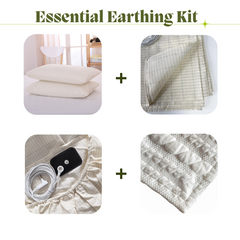
Earthing is a low-effort environmental approach that aims to reconnect the body to the Earth’s electrons; small studies suggest potential benefits for sleep, stress physiology, and perceived pain. For indoor practice, Terra Therapy offers conductive bedding and mats that connect safely to a grounded outlet—practical tools for people exploring natural add-ons to their plan. If you’re curious, the Essential grounding starter kit provides a simple way to test whether gentle daily exposure helps your symptoms alongside other evidence-based care.
Criteria for Evaluating Pain Relief Strategies
Choosing among non-pharmacological pain relief options is easier when you apply consistent criteria. For natural chronic pain management and inflammation reduction without medication, evaluate each method on evidence, safety, practicality, cost, and fit with your condition. The guide below helps you compare drug-free pain relief methods objectively.
- Evidence quality and mechanism: Prioritize randomized trials, effect sizes, and duration of benefit, and consider whether the mechanism plausibly fits your pain type. For instance, graded exercise for knee osteoarthritis and mindfulness-based stress reduction for low back pain have supportive data, while grounding shows early findings on sleep and perceived pain that warrant further research.
- Safety and contraindications: Map the risk profile, side effects, and known interactions. Heat can worsen neuropathy-related burns, TENS may be contraindicated with pacemakers, and earthing devices are generally low-risk when they connect only to the ground (verify a properly grounded outlet and follow manufacturer instructions).
- Practicality and adherence: Assess daily time demands, complexity, and how easily the method integrates into routines. Short walking bouts, 10-minute breathwork, or passive options like grounded sleep surfaces can improve follow-through; Terra Therapy’s fitted sheets and Grounding bed mat enable overnight use and include simple continuity checks to support proper setup.
- Measurable outcomes and time-to-benefit: Define success upfront (e.g., pain scores, sleep efficiency, HRV, step count) and set realistic timelines. Exercise and mobility work often require 4–8 weeks, cognitive-behavioral approaches 6–12 weeks, and you can track responses to earthing for pain relief alongside changes in sleep and stress.
- Cost, durability, and maintenance: Compare one-time purchases versus recurring sessions, and factor in lifespan and care requirements. Durable conductive materials and clear care guidance make grounding sheets and mats more cost-effective over time, a practical consideration offered by Terra Therapy’s indoor earthing options.
- Complementarity and personalization: Favor holistic pain management strategies that stack compatible modalities. Many people combine movement therapy, CBT or mindfulness, heat/cold, nutrition, and indoor earthing, tailoring intensity to pain phenotype (inflammatory, neuropathic, or nociplastic) and reassessing every 2–4 weeks.
Grounding and Earthing Techniques for Pain Reduction
Grounding (or earthing) places the body in direct contact with the Earth’s surface to equalize electrical charge. As a non-pharmacological pain relief option, it’s low-cost and simple to try, with preliminary studies reporting reductions in perceived pain, improved sleep, and favorable shifts in heart-rate variability and diurnal cortisol patterns. The proposed mechanism involves transfer of electrons that may help buffer oxidative stress, though evidence is still emerging and not definitive. For individuals seeking drug-free pain relief methods, it can be a practical adjunct to clinical care.
Outdoors, aim for barefoot time on conductive surfaces such as grass, soil, or sand; damp ground enhances conductivity. Many people start with 20–40 minutes of relaxed standing, gentle stretching, or walking, using the session to scan joints and muscle tension. For example, someone with persistent low-back stiffness might combine a morning barefoot walk on dewy grass with diaphragmatic breathing to downshift the nervous system.

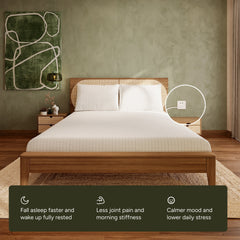
Indoor options use conductive sheets or mats connected to a grounded outlet so you can practice earthing for pain relief while sleeping or working. Terra Therapy’s Fitted Grounding Bedsheets, Grounding Bed Mats, and Essential Grounding Starter Kits make year-round indoor earthing straightforward and help integrate consistent contact during the hours you already spend in bed or at a desk. People often use these tools to support sleep quality and relaxation—two pillars of natural chronic pain management.
- Verify a proper ground: use an outlet tester and follow manufacturer instructions; avoid DIY modifications.
- Prioritize direct skin contact; a slightly damp cloth can improve contact on a mat.
- Build a baseline: track pain scores, morning stiffness, and sleep in a simple log for 2–4 weeks.
- Layer with other holistic pain management strategies—gentle mobility, pacing, anti-inflammatory nutrition, and mindful breathing.
- Use common-sense safety: avoid lightning storms, extreme cold, or hazardous terrain outdoors; consult your clinician if you have an implanted medical device.
While not a cure-all, grounding fits well into inflammation reduction without medication and broader integrative plans. If outdoor time is limited, Terra Therapy’s indoor solutions offer a convenient path to consistent practice. Discuss new routines with your healthcare provider to ensure the approach aligns with your overall care plan.
Physical Therapy and Movement-Based Therapies
Movement is a cornerstone of non-pharmacological pain relief because it improves tissue tolerance, circulation, and nervous system regulation. Regular, graded activity triggers anti-inflammatory myokines from muscle, supports joint nutrition, and helps recalibrate pain sensitivity. For many people, it’s the most sustainable form of natural chronic pain management with benefits that extend to mood, energy, and sleep.
A licensed physical therapist can individualize a plan after assessing mobility, strength, gait, and pain triggers. Programs often blend manual therapy with progressive exercise, pacing, and graded exposure to feared movements. For knee or hip osteoarthritis, targeted strengthening (quadriceps, hip abductors), step training, and short walk intervals reduce pain and improve function. For low back pain, core stabilization, McKenzie-inspired repeated movements, and hip mobility work are common; for nerve-related symptoms, gentle nerve glides and postural modifications can help.
Practical movement-based options include:
- Walking intervals (for example, 5 minutes on/1 minute easy, repeated 3–6 times) to build capacity without flare-ups.
- Aquatic therapy to unload joints while maintaining intensity and range of motion.
- Yoga or tai chi for gentle mobility, balance, and parasympathetic tone; Pilates for controlled core strengthening.
- Isometric holds (30–45 seconds, 4–5 reps) for tendinopathies when dynamic loading is painful early on.
- Mobility routines (hips, thoracic spine, ankles) and light resistance bands to restore range and control.
- Breathwork (slow nasal and diaphragmatic breathing) to reduce muscle guarding and support drug-free pain relief methods.
Recovery amplifies the effect of movement on inflammation reduction without medication. Prioritizing sleep, stress regulation, and gentle sensory input can calm heightened pain pathways. As an adjunct, some individuals explore earthing for pain relief; Terra Therapy offers grounding bedsheets, mats, and starter kits that enable indoor earthing while you sleep or stretch at home, a low-effort complement that may support relaxation and restorative rest.
Start low and progress slow: increase volume or load by about 5–10% weekly, and use the 24-hour rule—next-day soreness should be tolerable and trending down. Track perceived exertion, vary activities to avoid overload, and consult a clinician if pain escalates or new symptoms appear. Consistency with these holistic pain management strategies is key to lasting results.
Stress Reduction and Mind-Body Interventions
Chronic stress amplifies pain by keeping the sympathetic nervous system and HPA axis in overdrive, which can heighten central sensitization and pro‑inflammatory signaling. Mind‑body practices help shift the body toward parasympathetic dominance, improving pain tolerance and emotional resilience. As a cornerstone of non-pharmacological pain relief, these approaches support inflammation reduction without medication and complement clinical care.
Practical options you can start today include:
- Mindfulness meditation: 10–20 minutes daily or an 8‑week MBSR course; shown to reduce pain catastrophizing and improve function in natural chronic pain management.
- Breathwork: Slow nasal breathing (4–6 breaths/minute) for 5 minutes, 2–3 times per day; can raise vagal tone and lower perceived pain.
- Progressive muscle relaxation or guided imagery: 10–15 minutes in the evening to decrease muscle guarding and pre‑sleep arousal.
- Yoga, tai chi, or qigong: 20–30 minutes, 2–3 times weekly; low‑impact movement plus mindful attention improves mobility and pain interference.
- Biofeedback/HRV training: Short sessions (5–10 minutes) with a sensor or app teach self‑regulation of stress responses.
- CBT or ACT for pain: 6–8 sessions to reframe unhelpful thoughts, pace activity, and reduce fear‑avoidance behaviors—key drug-free pain relief methods.
Build a sustainable routine by pairing a calming practice with daily anchors: a 5‑minute breath session after lunch, a brief body scan before bed, and gentle mobility work on waking. Aim for consistency over intensity; benefits accrue over weeks as reactivity declines. Several of these holistic pain management strategies are associated with lower inflammatory markers in research, alongside better sleep and mood.
Grounding or earthing is another accessible option. Preliminary studies suggest it may improve sleep quality and normalize diurnal cortisol patterns, which can support earthing for pain relief as part of a broader plan. Terra Therapy enables indoor earthing with fitted grounding bedsheets, bed mats, and starter kits, making it easy to incorporate while you rest or work. Many people use grounding alongside mindfulness and gentle movement to create a layered, natural approach to pain and inflammation.
Nutritional and Lifestyle Modifications
Nutrition and daily habits sit at the core of non-pharmacological pain relief because they influence inflammation, nervous system tone, and recovery capacity. Adopting evidence-informed changes can decrease flare frequency, improve function, and enhance quality of life without relying on pills.
Prioritize an anti-inflammatory pattern similar to a Mediterranean-style diet. Emphasize omega-3s (salmon, sardines, chia, flax), colorful produce rich in polyphenols (berries, leafy greens, extra-virgin olive oil), and spices like turmeric with black pepper to aid curcumin absorption. Limit ultra-processed foods, added sugars, and excessive alcohol, which are linked to higher CRP and IL-6, and support the gut microbiome with fiber, prebiotics (onions, garlic, oats), and fermented foods (yogurt, kefir, sauerkraut).

Practical dietary actions you can start this week:
- Eat fatty fish 2–3 times weekly or consider an EPA/DHA supplement after discussing with a clinician.
- Add 2 cups of leafy greens daily and 1–2 cups of berries 3–4 times per week.
- Cook with extra-virgin olive oil; season meals with turmeric, ginger, and garlic.
- Include fermented foods daily and 25–35 g of fiber from beans, lentils, whole grains, and vegetables.
- Replace sugary drinks with water or unsweetened tea; moderate alcohol (max 1 drink/day or less).
- Consider vitamin D and magnesium if deficient, guided by lab testing.
Lifestyle levers amplify these holistic pain management strategies. Aim for 150 minutes per week of low-impact aerobic activity (walking, cycling, swimming), two strength sessions to stabilize joints, and gentle mobility work; short 10-minute walks after meals help glucose control and inflammation. Protect 7–9 hours of sleep with consistent wake times, a cool dark room, and a wind-down routine. Use stress-regulation tools—box breathing, mindfulness, or CBT-based pain coping—to calm hypervigilant pain pathways.
Complementary practices can provide added relief. Heat/cold contrast, massage, yoga, and tai chi support circulation and relaxation, while some individuals explore earthing for pain relief. Terra Therapy offers grounding bedsheets, bed mats, and starter kits that enable indoor earthing; early studies and user reports suggest potential benefits for sleep and perceived pain, though larger trials are needed, and results vary.
Personalize and track what works. Try a 4–6 week anti-inflammatory nutrition trial, layer in movement and sleep goals, and journal pain scores, energy, and function to evaluate inflammation reduction without medication. As part of natural chronic pain management and other drug-free pain relief methods, these steps can be combined with guidance from a healthcare professional to ensure safety and progress.
Comparison Summary: Effectiveness and Accessibility
Selecting among drug-free pain relief methods comes down to balancing evidence, practicality, and personal fit. For most people, a layered approach works best: combine one or two high-evidence practices with simple daily habits that support inflammation reduction without medication. Track sleep, pain intensity, and function over 4–6 weeks to judge impact, since many non-pharmacological pain relief options build gradually.
Exercise therapy sits at the top for both effectiveness and access. Graded aerobic activity, strength training, and mobility work reduce pain sensitivity and improve function across back pain, osteoarthritis, and fibromyalgia. Cognitive behavioral therapy (CBT) and mindfulness-based programs also have strong support, easing distress and pain interference; these are increasingly accessible via telehealth or app-based courses. Costs vary, but home plans and group formats keep barriers low.
Moderate-evidence options include yoga and tai chi (especially helpful for gentle mobility and balance), acupuncture (often short-term relief, cumulative with sessions), and massage (beneficial for muscle-dominant pain). Transcutaneous electrical nerve stimulation (TENS) can offer on-demand relief for flares and is relatively affordable for home use, though results are mixed and technique matters. Accessibility is high for yoga/TENS, moderate for acupuncture/massage due to recurring visits.
Foundational habits amplify all holistic pain management strategies. Anti-inflammatory eating patterns (e.g., Mediterranean-style), consistent sleep routines, weight management, pacing, and ergonomic adjustments reduce triggers and support recovery. Heat and cold are widely available, low-risk tools for temporary relief that can make activity and rehab more tolerable.
Earthing is an emerging, low-barrier adjunct for natural chronic pain management, with small studies reporting improvements in sleep and perceived pain. For those curious about earthing for pain relief, Terra Therapy makes indoor grounding practical with fitted bedsheets, bed mats, and starter kits that plug into a grounded outlet. Setup is simple, ongoing costs are minimal, and many users pair grounding with exercise and sleep optimization to round out a holistic plan.
Quick picks based on goals:
- Fast, at-home relief: heat/cold, TENS, gentle stretching
- Long-term function: graded exercise, CBT, mindfulness
- Mobility-focused: yoga or tai chi
- Budget-friendly: walking program, sleep hygiene, ergonomics, Terra Therapy grounding sheets/mats
- Sleep-disrupted pain: CBT-I principles, consistent schedule, indoor grounding for nightly use
Selection Guide: Choosing the Right Strategy for Your Needs
Selecting the right non-pharmacological pain relief approach starts with clarifying your diagnosis, symptom drivers, and goals. Mechanical low back pain often responds to graded movement and core stability, while neuropathic pain may benefit from desensitization, TENS, and pacing. For inflammation-dominant conditions, prioritize sleep, stress regulation, and nutrition to calm immune activation.
Consider these fit factors before you choose:
- Pain type and location (mechanical, neuropathic, inflammatory, centralized).
- Dominant barriers (poor sleep, stress/anxiety, deconditioning, inactivity at work).
- Preferences and lifestyle (home-based vs. supervised, time and budget).
- Medical context (comorbidities, medications, implanted devices).
- Objective you’ll track (pain intensity, function, sleep, flare frequency).
Match strategies to scenarios. If sleep and stress amplify symptoms, combine CBT-I or mindfulness-based stress reduction with gentle mobility and breathwork for natural chronic pain management. For knee osteoarthritis, emphasize progressive strength training, weight management, and heat/cold cycles for inflammation reduction without medication. For sciatica or nerve pain, trial clinician-guided nerve glides and, if appropriate, TENS; for autoimmune flares, focus on an anti-inflammatory diet pattern (more omega-3s, colorful plants), pacing, and restorative movement.
If you’re seeking drug-free pain relief methods that also support sleep, earthing for pain relief is a low-barrier option to consider. Some early studies and user reports suggest that grounding may improve sleep quality and perceived pain, likely by reducing stress arousal, though research remains preliminary. Terra Therapy enables indoor earthing through fitted grounding bedsheets, bed mats, and Essential Grounding Starter Kits—practical for those who can’t spend time barefoot outdoors. Follow manufacturer guidance to ensure proper grounding and integrate earthing alongside movement, sleep, and stress practices.
Implement one to two interventions for 4–6 weeks and track outcomes (pain, function, sleep scores) to guide adjustments. Prioritize safety: discuss new programs with a clinician, especially if you have osteoporosis (loading progressions), cardiovascular disease (exercise intensity), bleeding risk (acupuncture), or implanted devices (TENS). A consistent, multi-pronged plan is the backbone of holistic pain management strategies.

Getting Started with Multiple Approaches
A practical way to begin non-pharmacological pain relief is to combine a few complementary habits rather than chasing a single “fix.” Multimodal plans address different drivers of pain—sleep disruption, stress reactivity, deconditioning, and inflammation—and tend to deliver better, more durable results. Start small, stack habits into existing routines, and increase only when your symptoms remain stable for a week.
Establish a baseline first. Track pain intensity, sleep quality, steps, and flare triggers for 7 days, then set one or two SMART goals (for example, “10 minutes of walking after lunch, 5 days/week”). Use pacing rules: keep activities at a “medium-easy” effort, stop while you still feel good, and apply a flare protocol (rest, heat/ice, gentle breathwork) if pain spikes.
Build your plan from a few core pillars:
- Movement: low-impact walking, cycling, or swimming; 2–3 short resistance sessions targeting major muscle groups; mobility for stiff areas.
- Mind–body: diaphragmatic breathing (4-6 breaths/min), body scan, or mindfulness 5–10 minutes daily; yoga or tai chi 1–2 times/week.
- Sleep hygiene: consistent schedule, cool dark room, wind-down routine, and morning light exposure for circadian support.
- Heat/cold and topical care: moist heat for stiffness; brief ice after activity-related flares; topical menthols as needed.
- Nutrition: emphasize anti-inflammatory patterns (leafy greens, berries, fatty fish, olive oil, legumes, nuts); consider omega-3–rich foods and limit ultra-processed items.
- Ergonomics and pacing: adjust workstation, break up sitting every 30–60 minutes, and use micro-break stretches.
- Community and skills: cognitive-behavioral strategies, graded exposure, or a PT-guided plan when available.
A sample routine:
- Daily: 10-minute walk after two meals, 5 minutes of breathwork before bed, and three mobility drills.
- 3 days/week: brief resistance circuit (sit-to-stands, rows, dead bug) at low to moderate effort.
- As needed: heat in the morning, ice after unusually demanding tasks.
- Weekly: review your log, adjust only one variable at a time.
Measure what matters and iterate every 1–2 weeks. For inflammation reduction without medication, some people also layer earthing for pain relief into their sleep and recovery routine. Terra Therapy’s fitted grounding bedsheets and bed mats offer an easy way to try indoor earthing; preliminary research and user reports suggest potential improvements in sleep and perceived pain, which can support broader natural chronic pain management. As always, coordinate changes with your clinician if you have complex conditions.
Conclusion: Building Your Comprehensive Pain Management Plan
Reducing chronic pain and inflammation without drugs works best as a layered plan you can sustain. Start with the essentials, add targeted techniques, and coordinate with your care team. This creates a resilient framework for non-pharmacological pain relief that adapts to flares, schedule changes, and progress.
- Establish your baseline and goals: track pain (0–10), key activities you want back (e.g., walking 20 minutes), sleep duration/quality, and flare triggers. Reassess every 2–4 weeks.
- Protect sleep and nutrition: consistent bed/wake times, a dark cool bedroom, and an anti-inflammatory pattern (vegetables, omega-3s, lean protein, limited ultra-processed foods and alcohol) to support inflammation reduction without medication.
- Move regularly with grading: alternate low-impact cardio (walking, cycling, water aerobics), mobility, and 2–3 short strength sessions. Use pacing (break tasks into timed blocks) to avoid boom–bust cycles.
- Calm the nervous system: 6–8 minute breathwork, mindfulness, or gentle body scans 1–2 times daily; consider CBT-based pain coping skills or biofeedback for sensitized pain systems.
- Soothe tissues strategically: heat before activity, ice after flares, self-massage or foam rolling, and, when appropriate, TENS or topical menthol/capsaicin as drug-free pain relief methods.
- Optimize setup and support: ergonomic chairs, lumbar support, footrests, risers for screens, and micro-break timers. Build social accountability with a friend or group.
- Complementary options with evidence: yoga, tai chi, acupuncture, and graded motor imagery can fit into holistic pain management strategies.
- Explore earthing for pain relief: indoor grounding products may help some people relax and wind down. Terra Therapy’s fitted grounding bedsheets and bed mats make at-home earthing simple; many users incorporate 20–40 minutes in the evening to support sleep routines. Ensure outlets are properly grounded and consult your clinician if you have implanted devices.
A sample week might pair 15-minute morning walks, brief mid-day mobility, and two short strength circuits, with an evening wind-down of breathwork and quiet reading on a Terra Therapy grounding bedsheet. On higher-pain days, shift to gentle range-of-motion and heat, then resume your plan the next day.
Track three metrics that matter to you (e.g., steps, sleep efficiency, and next-morning pain), adjust one variable at a time, and celebrate small wins. If pain escalates, you develop new neurologic symptoms, or daily function declines, seek medical evaluation. Natural chronic pain management is most effective when personalized, measured, and combined thoughtfully with your clinician’s guidance.