


Introduction to Digital Fatigue and EMF in the Modern Era
The modern workday rarely ends when the laptop lid closes. Continuous pings, streaming content, and back-to-back video calls create digital fatigue—an accumulation of cognitive load, eye strain, and restlessness that can spill into the night. For many, this constant stimulation disrupts wind-down routines, shortens sleep, and amplifies baseline stress.
Alongside screen overuse, our environments are saturated with electromagnetic fields (EMFs) from Wi‑Fi routers, smartphones, wearables, and household wiring. While consumer EMF levels are regulated and health effects remain debated, some people report sleep disturbances, headaches, or heightened stress in highly connected spaces. It’s sensible to combine practical EMF protection methods with better digital hygiene to ease these pressures.
Simple, evidence-informed habits can make a measurable difference:
- Reducing digital eye strain with the 20‑20‑20 rule (every 20 minutes, look 20 feet away for 20 seconds), night mode, and brightness matched to ambient light.
- Increasing distance from devices (use speakerphone or a wired headset), preferring wired connections over Bluetooth when convenient, and keeping laptops off the lap with a desk or stand.
- Scheduling “offline windows,” using Do Not Disturb, and limiting nonessential notifications to reduce cognitive drag.
- Charging phones outside the bedroom and placing routers away from sleep areas—or on timers—so evenings are calmer.
- Maintaining good ergonomics and taking microbreaks to lower muscular tension that compounds fatigue.
Many wellness seekers also explore grounding for digital fatigue—direct contact with the Earth’s surface (or conductive indoor alternatives) to help the body equilibrate electrically. Early studies suggest potential benefits of earthing such as improved sleep, calmer autonomic nervous system activity, and reduced perception of pain and stress, though results vary and more research is needed. Grounding doesn’t “block” EMFs, but it can lower the body’s induced AC electric potential when connected to a verified ground, which some people find settling at night.
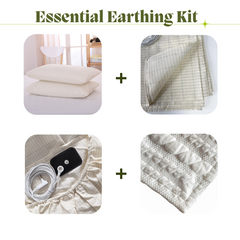
Indoor options make the practice practical year-round. Earthing sheets for sleep and grounded bed mats provide consistent contact during the hours when recovery matters most. Terra Therapy offers fitted grounding bedsheets, grounding bed mats, and Essential Grounding Starter Kits designed to integrate with standard grounded outlets, enabling a natural energy healing practice without changing your bedtime routine. Used alongside sensible EMF protection methods and screen-time boundaries, these tools can support better sleep quality and steadier energy in a hyperconnected world.
Understanding the Impact of EMF on Human Well-being
Electromagnetic fields (EMFs) are produced by everyday technologies like smartphones, Wi‑Fi routers, laptops, and power lines. Most consumer exposures are well below international safety guidelines, yet some people report symptoms—fatigue, headaches, sleep disturbance—that they associate with heavy device use. Beyond EMFs themselves, constant connectivity, blue light, and cognitive overload can disrupt circadian rhythms and stress physiology, compounding digital fatigue.
Mechanisms are multifactorial. Blue light in the evening suppresses melatonin, while alerts and late-night scrolling elevate arousal, both of which can impair sleep quality. Research on non-ionizing EMFs shows mixed results; some controlled studies note subtle changes in EEG patterns or heart rate variability near certain RF exposures, while others find no effect. Regardless, many wellness seekers look for practical EMF protection methods that also help with reducing digital eye strain and improving sleep hygiene.
Evidence-informed steps can lower exposure and support recovery:
- Increase distance from sources: use speakerphone, keep laptops on desks, and place Wi‑Fi routers away from bedrooms.
- Limit nighttime signals: enable airplane mode, schedule router downtime, and keep phones off the nightstand.
- Prefer wired connections when possible, and avoid carrying an active phone in a pocket for long periods.
- Use blue‑light filters, adjust screen brightness to ambient light, and follow the 20‑20‑20 rule to aid in reducing digital eye strain.
- Anchor a consistent wind‑down routine—dim lights, stretch, and maintain a cool, dark bedroom—to protect circadian timing.
Grounding, or earthing, offers a complementary approach by reconnecting the body to the Earth’s electrical potential through direct contact or conductive products. Preliminary studies and user reports point to benefits of earthing such as calmer autonomic tone, improved sleep onset, and perceived reductions in stress and pain, though larger trials are needed to confirm effects. Many describe this as a form of natural energy healing that feels restorative after long hours on screens.
Terra Therapy enables indoor grounding with earthing sheets for sleep, bed mats, and starter kits that connect to a verified ground. These products do not block EMFs; instead, they provide a stable ground reference that may help the body relax at night while you also apply other EMF protection methods. For those exploring grounding for digital fatigue, integrating a Terra Therapy fitted grounding bedsheet or bed mat with good screen habits can offer a practical, low-effort way to support better sleep and daily resilience.

What is Earthing and How It Counteracts Digital Fatigue
Earthing, or grounding, is the practice of connecting your body to the Earth’s electrical potential—traditionally by walking barefoot on soil or grass, and indoors via conductive products that plug into a properly grounded outlet. This contact equalizes your body’s voltage with the Earth and can discharge built-up static electricity. It also measurably reduces induced body voltage from nearby AC electric fields, which many people notice as a calmer, more settled feeling.
Digital fatigue stems from long hours of screen use, continual notifications, cognitive overload, and disrupted routines. Common signs include mental fog, irritability, poor sleep, headaches, and eye discomfort. While EMFs from modern devices are a persistent concern for some, the more immediate drivers are often overstimulation, posture strain, and circadian disruption from evening blue light.
Grounding for digital fatigue supports nervous system balance by helping the body return to a stable electrical baseline. Small studies have reported improvements in sleep quality, heart rate variability (a proxy for stress response), and perceived pain and tension after regular earthing. Many users describe feeling less “revved up” and more resilient to daily stressors—benefits of earthing that pair well with other healthy tech habits. This is sometimes framed as natural energy healing, though mechanisms are still being researched.
If you’re evaluating EMF protection methods, start with practical steps: increase distance from devices, favor wired connections, use airplane mode when possible, and reduce nighttime wireless exposure. Earthing is complementary—it does not shield radiofrequency signals but can reduce the influence of AC electric fields on your body (something you can verify with a body-voltage meter). This can make extended device time feel less draining while you also address exposure at the source.
To support screen-heavy days, layer simple habits with grounding for reducing digital eye strain and stress:
- Follow the 20-20-20 rule and blink often to maintain tear film.
- Use warm color temperature in the evening and lower brightness.
- Optimize posture with an external keyboard and proper monitor height.
- Keep devices an arm’s length away; avoid laptop-on-lap use.
- Schedule short tech breaks outdoors—ground barefoot when possible.
- Use earthing sheets for sleep to extend recovery time overnight.
For a reliable indoor setup, Terra Therapy offers conductive fitted grounding bedsheets and bed mats that connect to a grounded outlet through a safety resistor. Many people start with earthing sheets for sleep to accumulate 6–8 hours of nightly grounding, then add a desk or bed mat for 1–2 hours during the day. Consistent contact with bare skin is key—think calves or feet on a mat, or direct skin contact with the sheet. Terra Therapy’s Essential Grounding Starter Kits make it straightforward to build a routine that supports calmer days and deeper rest.
The Science of Reconnecting with the Earth’s Natural Charge
Our bodies run on bioelectric signals, from heart rhythms to neural firing. The Earth’s surface holds a stable negative potential, and direct contact can equalize excess charge we accumulate from insulated shoes, synthetic flooring, and constant device use. Viewed through this lens, grounding for digital fatigue is about restoring electrical balance to a system overstimulated by screens, alerts, and indoor environments.
Biophysically, grounding provides a reference to 0 volts, which can lower induced body voltage from surrounding AC electric fields. Preliminary studies and small trials have reported potential benefits of earthing such as improved heart rate variability, smoother diurnal cortisol patterns, better sleep onset, and reductions in perceived pain—though larger, controlled research is still needed. Some researchers hypothesize that electron transfer from the ground may help buffer oxidative stress, aligning with observations of reduced inflammation in pilot thermal-imaging studies. The takeaway: there are plausible mechanisms and early data, but expectations should remain realistic and paired with holistic habits.
Grounding is not the same as shielding. It does not block radiofrequency signals from Wi‑Fi or cellular networks, but it can reduce body voltage from nearby electric fields—one piece of broader EMF protection methods. Combine it with distance from sources, shorter exposure windows, and better device hygiene to address the total load on your nervous system.
Practical ways to apply the science:

- At your desk: Use a grounded mat under bare feet or wrists to lower body voltage while you work. Pair with the 20‑20‑20 rule and warmer screen settings for reducing digital eye strain.
- During sleep: Earthing sheets for sleep or fitted grounding bedsheets connect to the wall’s ground port, aiming to stabilize nighttime body voltage and support deeper rest. Many users note fewer nighttime awakenings and less morning stiffness.
- Outdoors: Barefoot time on grass, soil, or sand offers direct contact; asphalt and sealed concrete are typically non-conductive.
- Device hygiene: Favor Ethernet over Wi‑Fi, enable airplane mode at night, keep routers away from bedrooms, and increase distance from chargers—simple, evidence‑based EMF protection methods.
Terra Therapy translates these principles into easy daily habits with grounding bed mats, fitted bedsheets, and Essential Grounding Starter Kits designed for safe, indoor use. Their textiles use conductive fibers to connect you to ground while you sleep or work. Always verify your outlet is properly grounded, and consult your clinician if you use implanted electronic devices.
For many wellness seekers, the benefits of earthing—better sleep quality, calmer stress response, and more steady energy—emerge when practiced consistently and combined with light exposure, movement, and sleep-friendly routines. Think of it as a form of natural energy healing grounded in biophysics, supporting the body’s innate capacity to rebalance in a digital world.
Practical Ways to Implement Grounding in Your Home Office
Create a simple daily routine that blends grounding for digital fatigue with smart workstation choices. Start by choosing one primary contact point—feet, forearms, or wrists—and keep it consistent during focused work blocks. Pair this with brief movement breaks to reset posture and reduce accumulated tension from long screen sessions.
Set up your desk so grounding is effortless and safe:
- Verify your outlet’s ground with a simple outlet tester before connecting any grounding product.
- Place a grounding bed mat under your desk for bare feet or position a desk mat where your forearms rest; ensure direct skin contact for best conductivity.
- Use the ground port only (never the power slots), and route the cord away from your chair’s wheels.
- Increase distance from sources of electric fields: keep power strips off the lap and away from legs, elevate your laptop on a stand, and use an external keyboard and mouse.
- Favor wired internet when possible, relocate routers away from your desk, and avoid charging devices directly on the work surface—practical EMF protection methods that complement grounding.
- If you’re curious, use a body-voltage meter to observe how grounding lowers induced voltage from surrounding electrical fields.
Combine grounding with a few small habits to enhance the benefits of earthing. Follow the 20-20-20 rule for reducing digital eye strain, layer soft ambient light behind your monitor to prevent glare, and keep contrast settings comfortable. A two-minute barefoot break on grass or soil (when feasible) can double as movement, light exposure, and a refresh for focus—what many describe as a form of natural energy healing without being mystical.
Extend daytime gains into the night to reinforce a calmer nervous system and more consistent sleep-wake rhythms. Earthing sheets for sleep, such as Terra Therapy’s fitted grounding bedsheets, maintain gentle contact while you rest, while a grounding bed mat works under the desk by day and beside the bed at night. Terra Therapy’s Essential Grounding Starter Kits make it straightforward to test what works best in your space before expanding your setup.
A few maintenance notes keep everything effective and safe. Clean mats occasionally with a mild, non-abrasive wipe to preserve conductivity, and ensure skin contact isn’t blocked by thick lotions or insulating socks. Grounding can complement—not replace—healthy ergonomics, light management, and stress-reduction practices, helping you build a home office that supports focus by day and recovery by night.
Improving Sleep Quality and Recovery with Grounding Technology
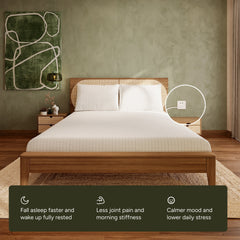
Late-night screen time and constant connectivity can overstimulate the nervous system, fragment sleep, and leave you wired but tired. Grounding for digital fatigue offers a simple counterbalance: by bringing your body to the Earth’s electrical potential, it may help calm overactivity and support a smoother transition into sleep. Many users report falling asleep faster and waking more restored when they incorporate grounding into their nightly routine.
When your skin maintains contact with a grounded surface, measurements typically show a marked drop in body voltage from ambient electric fields. Preliminary studies and real-world use suggest potential benefits of earthing for sleep quality, perceived stress, and morning comfort, though larger trials are still needed and results vary by individual. Think of it as a low-effort complement to established sleep hygiene, not a stand-alone cure.

For continuous overnight contact, earthing sheets for sleep or a grounded bed mat are practical solutions. Terra Therapy’s fitted grounding bedsheets and bed mats connect to a home’s grounding port or an outdoor ground rod and are designed for direct skin contact during the night. Use an outlet tester, place bare skin against the conductive area, and keep cords routed safely away from pillows and walkways.
Better sleep supports physical recovery by optimizing hormone rhythms, nervous system balance, and tissue repair. People who sit for long hours, gamers, or endurance athletes often notice calmer legs at night and less morning stiffness when they combine grounding with stretching and hydration. While experiences differ, the potential benefits of earthing make it a reasonable addition to a recovery-focused routine.
For best results, pair grounding with EMF protection methods and habits aimed at reducing digital eye strain:
- Dim screens and use blue-light filters 1–2 hours before bed; follow the 20-20-20 rule to rest your eyes.
- Keep phones on airplane mode overnight and charge devices outside the bedroom.
- Place routers away from sleeping areas and turn them off at night if feasible.
- Increase distance from electronics; use an external keyboard and wired connections when possible.
- Avoid placing power supplies or cords near your body while you sleep.
Some people notice a gentle tingling the first nights or need a gradual ramp-up (e.g., 1–2 hours before bed) to adjust. Ensure consistent skin contact, maintain clean, dry textiles for optimal conductivity, and launder grounded fabrics per instructions to preserve conductive fibers. If you’re curious, Terra Therapy’s Essential Grounding Starter Kits make setup straightforward, allowing you to explore this form of natural energy healing alongside your current sleep routine.
Conclusion: Restoring Balance in a Digitally Connected World
Our always‑on routines—late‑night scrolling, constant notifications, and high device use—can tax sleep, focus, and mood. This cumulative load often shows up as digital fatigue: eye strain, mental fog, and rest that doesn’t feel restorative. Grounding for digital fatigue offers a practical counterbalance, helping you reintroduce steady contact with the Earth’s surface both outdoors and through indoor solutions.
Early studies and user reports point to several benefits of earthing, including easier sleep onset, calmer mood, less perceived pain, and morning energy that feels more even. Mechanistically, direct contact with the ground equalizes electrical potential and helps dissipate surface charge; indoors, being grounded can also reduce the alternating electric fields measured on the body near wiring. While research is still developing, many people find that grounding complements good sleep hygiene and stress-management practices.
For a balanced approach, pair grounding with simple EMF protection methods and eye‑care habits you can keep:
- Increase distance: keep laptops an arm’s length away and don’t carry your phone against your body when not needed.
- Prefer wired: use Ethernet when practical, wired headphones, and airplane mode when you only need offline functions.
- Create a nighttime environment: put your phone in another room, schedule your router off with a timer, and avoid charging devices near the bed.
- Support vision: enable night or blue‑light–reduction filters, follow the 20‑20‑20 rule, raise text size, and use warm, indirect ambient lighting.
- Add daily grounding: spend 10–20 minutes barefoot on grass or soil; when that’s not feasible, consider earthing sheets for sleep or a grounded bed mat. Use a simple outlet tester to confirm a proper ground.
Integrating these steps is most effective when it’s consistent. For example, dim lights and go offline 30 minutes before bed, then sleep on an earthing sheet while practicing slow breathing. Track changes in sleep latency, nighttime wakeups, and morning alertness in a journal or wearable to see what’s working. Terra Therapy’s fitted grounding bedsheets, grounding bed mats, and Essential Grounding Starter Kits make it easy to start indoors without overhauling your routine.
This is a natural energy healing strategy, not a cure‑all. Start small, build habits you can sustain, and consult your healthcare provider if you have a medical device or specific conditions. By combining smart device hygiene with grounded rest, you create a realistic path to less overwhelm, steadier energy, and more restorative sleep.