


Introduction: Understanding Grounding Bedsheets and Sleep Quality
In the debate over grounding bedsheets vs traditional bedding, the core question is whether contact with the Earth’s electrons can meaningfully influence sleep quality. Grounding (or earthing) sheets integrate conductive fibers connected to a grounded outlet or rod, while conventional bedding focuses on comfort factors like weave, loft, and temperature regulation. This earthing vs conventional bedding perspective sets the stage for how different materials may affect rest, recovery, and morning alertness.
How grounding works: conductive silver or carbon threads allow your body to equalize with the Earth’s electrical potential, a mechanism proposed to reduce low-level static buildup and support calm, ready-for-sleep states. Early pilot studies and user reports cite earthing bedding benefits such as fewer nighttime awakenings and improved morning energy, though large-scale clinical trials remain limited. For wellness seekers prioritizing natural sleep solutions, the appeal is the non-pharmacological approach that layers onto existing sleep hygiene. This passive connection uses only the ground pin—no electricity powers the fabric—when set up correctly.
When conducting a grounding sleep products comparison, look beyond marketing claims and evaluate practical details. Focus on measurable aspects that influence comfort, safety, and durability over months of use. Consider the following differences:
- Mechanism: traditional fabrics are electrically insulating; grounding sheets use conductive threads to maintain contact with ground potential.
- Setup: requires a verified grounded outlet or ground rod and a continuity tester; conventional bedding needs no electrical setup.
- Feel and temperature: conductive fibers can feel slightly cooler; consistent skin contact matters more than thread count for performance.
- Maintenance and longevity: wash on gentle, avoid bleach and fabric softeners, and use low heat; conductivity can diminish over time with laundering and hard water.
- Compatibility: best results with bare-skin contact; options include fitted grounding mattress sheets, bed mats, or pads depending on sensitivity and bed type.
- Cost: higher upfront than standard cotton, offset by nightly use and multi-year durability when cared for properly.
For a balanced start, many sleepers test a fitted sheet before upgrading to a full kit. Terra Therapy offers grounded options—like the Terra Therapy grounding bedsheet—alongside grounding mattress sheets, mats, and starter kits to match different setups. If you’re managing stress, restless sleep, or desk-related soreness, trialing a grounded sheet against your current linens provides a clear, at-home comparison without overhauling your bedroom.
What Are Grounding Bedsheets: Overview and Technology
Grounding bedsheets are conductive textiles designed to connect your body to the Earth’s electrical potential while you sleep. In a grounding bedsheets vs traditional comparison, the key difference is function: conventional bedding focuses on comfort and insulation, while earthing fabrics intentionally conduct charge to help neutralize built-up body voltage. They’re part of natural sleep solutions often chosen by people seeking non-medicinal ways to unwind.
Most grounding mattress sheets are cotton or bamboo blends woven with fine conductive threads, commonly silver or carbon. A snap or port on the sheet connects via a cord to the ground of a properly wired outlet or to an outdoor grounding rod, creating a low-resistance path to Earth. The cord uses the ground prong only and does not draw power when correctly installed.
Typical setup looks like this:
- Verify the outlet is grounded with a simple outlet tester.
- Snap the cord to the sheet and plug the other end into the outlet’s grounding port (or attach to a rod).
- Ensure direct skin contact—e.g., bare legs or arms touching the sheet surface.
- Avoid insulating layers (thick mattress pads) between you and the conductive fabric.
- Route and secure the cord to prevent tripping.
Maintenance matters for performance: wash with mild detergent, avoid bleach and fabric softeners that can coat fibers, and dry on low heat. Conductivity can diminish over time as silver oxidizes; many users test continuity periodically and plan for replacement every 1–3 years, depending on use and care.
What do users report compared to earthing vs conventional bedding? Commonly noted earthing bedding benefits include calmer sleep onset, fewer nighttime awakenings, reduced muscle tension, and a more balanced mood on waking. While research is still emerging, a grounding sleep products comparison often centers on these experiential differences. Terra Therapy offers fitted grounding bedsheets and starter kits that are pre-tested for continuity and designed for straightforward setup.
If a sheet isn’t practical—say you prefer your current linens—a Terra Therapy grounding bed mat placed under a fitted sheet (with skin contact) provides a similar pathway to ground. As with any wellness tool, consult a healthcare professional if you use implanted medical devices or have specific health concerns.
Traditional Bedding Explained: Standard Sleep Solution Overview
Traditional bedding encompasses the sheets, pillowcases, duvet covers, and blankets most households use, typically made from cotton, linen, bamboo viscose, silk, or polyester blends. Its core job is to provide softness, warmth, and moisture management while protecting the mattress and pillows. Thread count, weave (percale vs sateen), and fiber type determine breathability and feel, but none of these materials are designed to conduct electricity or interface with the Earth’s electrons.
Standard sets focus on comfort, hygiene, and durability. Common performance features include:
- Temperature regulation through fabric choice (e.g., percale cotton for cool sleepers, flannel for warmth)
- Moisture-wicking to reduce clamminess and night sweats
- Hypoallergenic barriers and tight weaves to resist dust mites
- Easy care, with machine washing and colorfast dyes
- Durability from reinforced seams and long-staple fibers
What traditional bedding does not do is provide a conductive path for grounding. In an earthing vs conventional bedding discussion, conventional sheets are electrically insulating and may even build static charge in dry climates. For a grounding sleep products comparison, understanding this design gap helps frame grounding bedsheets vs traditional options: grounding mattress sheets introduce a conductive element, whereas standard bedding optimizes comfort without electrical properties.

Selection within traditional bedding can be tailored to needs. Hot sleepers often choose lightweight percale cotton or bamboo-viscose blends; those with allergies might use tightly woven microfiber covers and washable duvets. Care routines—weekly laundering at appropriate temperatures and rotating sets—extend lifespan and maintain cleanliness, while price ranges vary from budget microfiber to premium linen or Egyptian cotton.
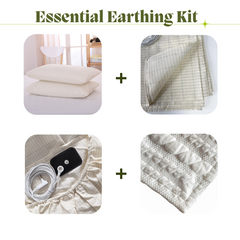
If you’re evaluating earthing bedding benefits as part of natural sleep solutions, consider complementing or replacing standard sets with conductive alternatives. Terra Therapy offers fitted grounding bedsheets, grounding bed mats, and Essential Grounding Starter Kits designed to enable indoor earthing, providing a clear, apples-to-apples path when weighing grounding bedsheets vs traditional bedding in your own sleep environment.
Comfort and Feel: Grounding Bedsheets vs Traditional Bedding
When evaluating comfort in grounding bedsheets vs traditional, the primary difference is the fabric composition. Most grounding mattress sheets use breathable cotton interwoven with conductive silver fibers, creating a surface that feels like quality cotton with a faintly smoother glide. Conventional options—percale or sateen cotton, linen, bamboo, or microfiber—span from crisp to silky, with microfiber often feeling plush but less airy.
Temperature and moisture management is where earthing vs conventional bedding can diverge. The conductive threads in earthing sheets help dissipate heat and static, which many hot sleepers interpret as a subtly cooler, drier feel, while dense microfiber tends to trap warmth. If you prioritize natural sleep solutions, cotton-based earthing textiles generally breathe like their non-conductive counterparts, without the slickness some synthetics have.
Because grounding depends on skin contact, the way the product interfaces with your body affects perceived comfort. Fitted grounding bedsheets hug the mattress and feel like regular cotton; bed mats placed under a standard sheet introduce a slightly firmer, grippier polymer surface and a localized feel under your torso or feet. Cord placement matters: route it toward the foot or side to keep the edge of the connector out of the way.
What you might notice on night one:
- A smooth, cool-to-touch sensation where your skin rests longest.
- Less static cling and fewer tiny “sparks” on dry nights.
- Comparable drape and rustle to cotton percale (not crinkly).
- Slight awareness of the lead snap/cord if not positioned thoughtfully.
- For mats: a firmer patch versus the uniform softness of a full sheet.
Care routines influence softness over time and the earthing bedding benefits you perceive. Grounding textiles typically avoid bleach, fabric softeners, and dryer sheets, which can coat fibers and reduce conductivity; washing with mild detergent and line drying preserves both hand feel and function. Silver’s antimicrobial properties help limit odor between washes, while traditional bedding often relies on softener cycles for a plush hand.
For sensitive skin and static-averse sleepers, the cotton-hand feel with reduced cling can be a comfort upgrade; metal sensitivities are rare but worth noting. Terra Therapy offers fitted grounding bedsheets and grounding bed mats designed to maximize contact without sacrificing breathability, and their Essential Grounding Starter Kits simplify setup for a clean, comfortable sleep surface. In a grounding sleep products comparison focused on feel, most users experience the familiarity of cotton with subtle cooling and stability that synthetics rarely match.
Health Benefits Comparison: Earthing Sleep Solutions vs Conventional Mattresses
When considering grounding bedsheets vs traditional bedding, the health benefits hinge on different mechanisms. Earthing products aim to provide a conductive path to the Earth’s surface charge, a proposed way to support relaxation and circadian balance. Conventional mattresses focus on ergonomic support, pressure relief, and temperature control—factors that meaningfully improve comfort-driven sleep quality.
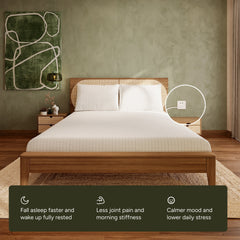
Preliminary research on earthing suggests potential improvements in perceived sleep quality, reduced morning stiffness, and calmer mood, alongside reported shifts in nighttime cortisol patterns. Users often describe falling asleep faster and waking with fewer aches, especially when using grounding mattress sheets or bed mats consistently. While these findings are promising, they are not yet definitive and should be viewed as part of a broader, natural sleep solutions toolkit.
Conventional mattresses, by contrast, deliver benefits through materials and design. High-quality foam or hybrid builds can reduce tossing and turning, support spinal alignment, and minimize partner disturbance—key drivers of better sleep for back pain, pregnancy, or athletic recovery. Many models also offer cooling features and hypoallergenic covers, which can help those sensitive to heat or dust mites.
- Sleep quality: Earthing may support relaxation and sleep onset; conventional beds improve comfort and pressure relief.
- Stress and anxiety: Grounding shows early evidence of influencing stress markers; mattresses help indirectly by lowering discomfort.
- Pain relief: Some users report reduced pain with earthing; ergonomic mattresses can ease pressure-related pain points.
- Energy and mood: Earthing users often note higher morning energy; comfort-driven sleep can also lift daytime alertness.
- Safety and compatibility: Use only properly grounded outlets; consult a clinician if you use implanted medical devices.
- Best fit: Earthing appeals to those seeking natural, non-medicinal support; conventional upgrades suit structural comfort needs.
For a balanced approach, many pair a supportive mattress with earthing bedding. Terra Therapy offers fitted grounding bedsheets, bed mats, and Essential Grounding Starter Kits designed for easy, indoor use—helpful if you can’t regularly access outdoor earthing. For best results, verify outlet grounding, use nightly, and evaluate changes in sleep and recovery over a few weeks.
Material Quality and Durability: Which Offers Better Long-Term Value
When weighing grounding bedsheets vs traditional options, long-term value starts with what they’re made from. Grounding mattress sheets typically blend breathable cotton with conductive threads (often silver, carbon-based, or stainless steel filaments) that must maintain conductivity over time. Grounding bed mats use carbon-infused layers that are less affected by washing, since they’re surface-cleaned rather than laundered. Conventional bedding relies on textile strength and weave quality—think long-staple cotton, linen, or bamboo viscose—without the added variable of electrical conductivity.

Durability for earthing sheets hinges on both fabric integrity and the lifespan of the conductive pathways. Frequent high-heat drying, bleach, and fabric softeners can accelerate wear or reduce conductivity, while body oils and lotions may also shorten performance intervals. Mats generally handle friction and moisture better because their conductive layer is embedded in durable polymers; a quick wipe-down often preserves function. In a grounding sleep products comparison, mats tend to outlast sheets under heavy use, while sheets offer the familiar hand-feel of traditional bed linens.
Traditional bedding durability varies by weave and fiber. Percale cotton (plain weave) usually resists pilling and holds up to frequent washing; sateen feels silkier but can snag more easily. Linen grows softer and tougher with use, making it a long-lived choice, while some microfiber and bamboo viscose fabrics can pill or thin faster, especially at higher heat settings. Thread quality and staple length matter more than advertised thread count when judging long-term value.
To maximize lifespan across earthing vs conventional bedding, prioritize care:
- Wash on gentle with pH-neutral detergent; avoid bleach and fabric softeners.
- Tumble dry low or line dry to reduce fiber stress.
- Keep lotions and oils off conductive surfaces when possible.
- Rotate sheets/mats and use a mattress protector to cut friction and moisture.
- For earthing bedding benefits, periodically verify conductivity with a simple tester.
If you want natural sleep solutions with durable construction, consider whether a mat’s ruggedness or a sheet’s textile comfort fits your routine. Terra Therapy offers fitted grounding bedsheets, grounding bed mats, and Essential Grounding Starter Kits, pairing breathable materials with clear care guidance so you can choose an indoor earthing setup that balances feel, function, and longevity.
Ease of Use and Installation: Setup and Maintenance Differences
When it comes to grounding bedsheets vs traditional, both are quick to put on the mattress, but earthing options add a simple connection step. Grounding mattress sheets install like a normal fitted sheet, then attach to a grounding cord that plugs into the ground port of a properly wired outlet or connects to a ground rod. Most people complete setup in a few minutes, and once connected, you can make the bed and sleep as usual. This small extra step is the main practical difference in this grounding sleep products comparison.
Basic setup for a grounding sheet or bed mat typically looks like this:
- Use an outlet tester to confirm a grounded outlet.
- Snap the cord to the sheet/mat and plug the other end into the outlet’s ground port.
- Route the cord behind the bed to avoid tripping and ensure slack for adjustable frames.
- Make sure bare skin contacts the conductive area during sleep and verify continuity if a tester is included.
Maintenance differs more noticeably than installation. To preserve conductivity, wash grounding sheets with mild detergent, avoid bleach, fabric softeners, and dryer sheets, and dry on low or line dry. Oils, lotions, and heavy detergent residue can insulate fibers, so occasional warm washes help remove buildup; periodic continuity checks catch issues early. Terra Therapy’s Essential Grounding Starter Kits include the core components and clear care instructions, making these natural sleep solutions easier to maintain long term.
Conventional bedding needs no electrical connection and tolerates typical detergents and softeners, so day-to-day care is more forgiving. However, it does not provide the earthing bedding benefits that motivate users to switch, such as indoor grounding without stepping outside. In an earthing vs conventional bedding context, the trade-off is a modest care routine in exchange for potential wellness support.
For special situations, bed mats offer flexibility: place a mat under the feet or calves for direct skin contact, or beneath a thin cotton sheet if specified by the manufacturer. If you live in an older home with ungrounded outlets, a dedicated ground rod kit is an option where permitted; otherwise, relocate to a grounded outlet. During electrical storms, follow manufacturer guidance—many users simply disconnect temporarily. Terra Therapy offers fitted sheets, bed mats, and support to help you choose and maintain the setup that fits your sleep environment.
Price Point Analysis: Investment in Grounding Bedding Solutions
Comparing grounding bedsheets vs traditional options starts with upfront price, but the real picture is total value over time. Conventional cotton or microfiber sets can be inexpensive, while high-thread-count cotton, linen, or silk can cost several hundred dollars. Grounding mattress sheets and bed mats generally sit between mid-range percale and premium linen, reflecting the added conductive materials and hardware.
Within grounding sleep products, fitted sheets typically cost more than bed mats because they use more conductive fabric and provide broader contact. Bed mats are a budget-friendly way to begin, especially if you prefer keeping your existing duvet and pillowcases. Terra Therapy’s Essential Grounding Starter Kits bundle the essentials so you can test earthing vs conventional bedding without committing to a full sheet set.
Consider total cost of ownership before deciding:

- Care requirements: grounding fabrics often recommend gentle cycles, no bleach or fabric softeners, and low-heat drying to preserve conductivity.
- Lifespan: conductive threads can lose effectiveness over time; longevity depends on laundering frequency, water hardness, and detergents used.
- Accessories: some buyers add continuity testers or a grounding rod if outlets aren’t properly grounded.
- Opportunity costs: if earthing bedding benefits your sleep, you may reduce spend on other natural sleep solutions (supplements, sleep apps, specialized pillows).
A simple cost-per-night view can clarify value. For example, a grounding bed mat used nightly for a few years often works out to cents per night, particularly because mats are washed less frequently. A premium traditional set that lasts several years can also deliver a low nightly cost, but it won’t offer the potential earthing effects that some users seek.
If you’re budget-conscious or new to earthing, start with a mat or a kit; upgrade to a fitted grounding sheet once you confirm benefits. Terra Therapy offers fitted sheets, bed mats, and kits so you can match your investment to your goals and compare grounding sleep products head-to-head with conventional bedding.
Customer Experiences: Real-World Results with Earthing Products
Customers comparing grounding bedsheets vs traditional cotton, bamboo, or microfiber sets often describe different sleep patterns and morning comfort. In Terra Therapy buyer surveys and support emails, many note that switching to grounding mattress sheets reduced nighttime restlessness and early-morning grogginess. Others highlight a calmer “wind-down” sensation when getting into bed, which they hadn’t felt with conventional bedding.
One wellness seeker who works remotely reported frequent 3 a.m. wake-ups on her high-thread-count cotton sheets. After two weeks on Terra Therapy’s Fitted Grounding Bedsheet, she recorded fewer overnight awakenings on her wearable and said she felt less “wired” at bedtime. She didn’t change her mattress or routine otherwise, which helped her isolate the difference.
Active customers also mention post-workout recovery as a practical test. A recreational runner who alternated between his usual set and a grounding bed mat beneath a standard sheet reported less morning calf tightness on the nights he grounded. He still used stretching and hydration, but credited earthing bedding benefits with making early runs feel more manageable.
Across a grounding sleep products comparison, common themes include:
- Sleep continuity: fewer mid-night awakenings and easier return to sleep on grounded nights.
- Morning feel: reduced stiffness or head “pressure” versus earthing vs conventional bedding.
- Temperature and static: less static cling and a subtly “cooler” feel with conductive fibers.
- Setup and care: proper connection to a grounded outlet or rod is essential; most brands advise washing without bleach or fabric softeners to preserve conductivity.
Not everyone notices immediate changes, and results may depend on consistent use and correct setup. For shoppers seeking natural sleep solutions without overhauling their mattress, Terra Therapy’s grounding mattress sheets, bed mats, and Essential Grounding Starter Kits simplify installation and troubleshooting. This practical path lets customers test benefits side-by-side and decide whether earthing bedding benefits justify replacing traditional bedding in their routine.
Conclusion and Recommendations: Choosing the Right Sleep System for Your Wellness Goals
Choosing between grounding bedsheets vs traditional bedding comes down to your wellness priorities and living setup. If you’re seeking natural sleep solutions that may help calm a busy nervous system, earthing can be a practical way to add gentle, non-invasive support to your routine. Conventional sets still excel in comfort, breathability, and style, so the best choice may involve blending both approaches.
For those dealing with restless sleep, stress, or unexplained aches, the earthing bedding benefits reported by users include more settled nights and refreshed mornings. In any grounding sleep products comparison, note the difference between fitted grounding mattress sheets (full-body contact) and bed mats (targeted contact beneath a fitted sheet). Apartment dwellers who can access a grounded outlet often find sheets straightforward, while frequent travelers might prefer a compact mat.
Conventional materials remain preferable if your primary needs are thermoregulation, hypoallergenic fibers, or a tight budget. Crisp percale cotton or linen dissipate heat well, and bamboo blends can reduce night sweats—advantages that earthing products won’t replace outright. In earthing vs conventional bedding decisions, many sleepers keep their favorite duvet and pillowcases while swapping only the bottom sheet or adding a mat.
Use these criteria to guide your choice:
- Main goal: relaxation, pain relief, or temperature control
- Contact time: full-night body contact vs targeted zones
- Home setup: access to a grounded outlet and outlet tester
- Care routine: willingness to follow specific washing guidelines
- Budget: start with a mat or kit before upgrading to a full sheet
If you’re curious to try earthing, start small and measure results. Terra Therapy’s Essential Grounding Starter Kits and fitted grounding bedsheets include clear setup steps; use an outlet tester, track changes for 2–4 weeks, and wash with mild detergent (no bleach or fabric softeners) to protect conductive fibers. As with any wellness change, grounding complements—not replaces—medical care; consult a professional if you have underlying conditions.