


Introduction to Grounding and the Importance of Selecting Quality Providers
Grounding (earthing) products are designed to connect your body to the Earth’s electrical potential indoors, giving you the convenience of daily use without going barefoot outside. Many wellness seekers report deeper sleep, calmer mood, and less day-to-day tension when they make indoor earthing part of their routine. Because build quality varies widely, comparing grounding product providers is essential to ensure reliable conductivity, comfort, and safety over time.
When evaluating earthing sheet quality, look closely at fabric composition, weave, and wash durability. Sheets that rely on sparse, printed conductive inks often lose performance after laundering, while woven silver fiber technology typically maintains continuous pathways through the fabric. Seek providers who disclose fiber type and placement (for example, a uniform conductive grid rather than isolated strands) and who publish laundering guidance backed by post-wash conductivity checks. Small details matter, such as reinforced corners and low-profile snaps that won’t tug the fabric or irritate skin.
Grounding mat materials directly influence comfort and longevity. Carbon-infused rubber offers robust conductivity and scuff resistance, while polyurethane “leather” surfaces can feel softer for bare-skin contact but may vary in durability. Check for non-slip undersides, low-VOC manufacturing to minimize odors, and connectors with strain relief to prevent cable failures. If you plan to sleep on a mat, thickness, breathability, and ease of cleaning become critical selection factors.
Ask about conductivity testing standards and safety features. While there’s no single global standard specific to consumer earthing products, reputable providers reference methods adapted from ESD guidelines (e.g., surface resistance in ohms-per-square) and verify continuity from contact surface to ground. Look for documentation of in-line safety resistors in connection cords (commonly in the 100k–1M ohm range), third-party lab reports where available, and simple at-home checks using a multimeter. Clear return policies and warranties further signal confidence in performance.
Signs of a quality provider include:
- Transparent specs on grounding mat materials and conductive textiles
- Clear, tested laundering instructions for sheets, with expected lifespan
- Published resistance ranges, basic conductivity test methods, and safety details
- Robust hardware (snaps, cables, adapters) and readily available replacements
- Support resources for setup, troubleshooting, and measuring results
- Credible customer reviews that mention durability and consistent conductivity
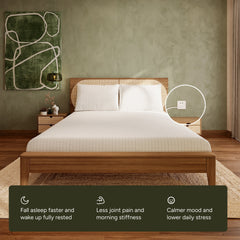
Terra Therapy offers fitted grounding bedsheets, bed mats, and essential starter kits that make indoor earthing benefits accessible and straightforward. If you’re comparing grounding product providers, use the criteria above to evaluate options—and consider Terra Therapy’s range when you want a streamlined, well-specified setup tailored to improving sleep quality and everyday well-being.
Material Composition: Evaluating Silver Thread vs Carbon Fiber Options
When comparing grounding product providers, the material at the heart of each product largely determines comfort, durability, and real‑world conductivity. The two most common options—silver thread and carbon fiber—behave differently in everyday use, so aligning the material with your sleep habits, skin sensitivity, and cleaning routine is critical to realize indoor earthing benefits.
Silver thread (often silver-coated nylon woven into cotton) offers excellent conductivity with a soft, breathable hand feel that suits all‑night contact. It’s naturally antimicrobial and thermally neutral, which supports earthing sheet quality in warm and cool bedrooms. Look for a uniform conductive grid that yields low point‑to‑snap resistance across the entire surface. Care matters: avoid bleach and fabric softeners that can degrade silver, and expect some tarnish over time—this usually affects appearance more than performance when washed with mild detergent and fully dried.
Carbon fiber is typically used in grounding mat materials like carbon‑infused rubber or polyurethane. These mats are rugged, wipe‑clean, and resist moisture and abrasion, making them ideal for desks, standing stations, or as bed mats where durability is paramount. They’re slightly less breathable and often feel firmer than fabric sheets. Because contact pressure influences performance on mats, direct skin contact (e.g., feet, forearms, or calves) typically yields the most consistent results, whereas fabric sheets can maintain contact more passively through normal sleep movement.
To compare real performance across materials, scrutinize conductivity testing standards and data disclosures from each brand. Ask providers for:

- Surface resistance (ohms/sq) or point‑to‑snap resistance across multiple locations, not just at the connector.
- Pre‑ and post‑laundering results for fabric sheets (e.g., after 10–30 wash cycles) to gauge longevity.
- Continuity mapping that shows uniform conduction across panels or zones.
- Safety details: cords with built‑in resistors (commonly 100 kΩ–1 MΩ), outlet checkers, and clear grounding instructions.
- Material safety documentation (e.g., RoHS/REACH compliance for mats; dye/finish transparency for fabrics).
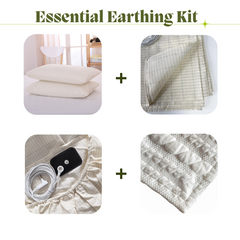
Terra Therapy’s fitted grounding bedsheets use silver fiber technology to balance softness with stable conductivity, while its grounding bed mats leverage carbon-infused construction for long‑term durability. For customers new to indoor earthing, the Essential Grounding Starter Kits include the accessories and guidance needed to test continuity and verify a safe ground connection at home. This blend of material choices and published resistance ranges makes side‑by‑side comparisons straightforward when comparing grounding product providers seeking the best fit for sleep, work, or recovery.
Conductivity and Durability: How Manufacturing Standards Impact Longevity
When comparing grounding product providers, conductivity and durability should sit at the top of your checklist. Indoor earthing benefits rely on a low-resistance, stable path to ground, and that path is only as good as the materials and manufacturing that create it. Cut corners here often show up as uneven conductivity across a sheet, premature wear, or corrosion that raises resistance over time.
Earthing sheet quality depends largely on the conductive textile and how it’s constructed. Many premium options use silver fiber technology (silver-plated nylon or similar) woven throughout the fabric to create a uniform, contact-rich grid. Alternatives include stainless-steel threads or printed carbon patterns; these can work, but weave density, percent conductive yarn, and the continuity from snap to every zone of the sheet matter more than a single headline material. Keep in mind that silver can tarnish when exposed to bleach, fabric softeners, or high-heat drying, which increases resistance and shortens service life.
Grounding mat materials typically pair a conductive carbon-infused layer with a durable substrate such as TPE or PU. Look for thickness and tear resistance that can handle chair casters or nightly movement, plus non-slip bases and robust edge bonding so the conductive layer doesn’t delaminate. Lower-quality mats may use thin painted coatings that wear through at contact points, leading to dead spots. Low-odor compounds and compliance with standards like REACH or RoHS are additional signals of mature manufacturing.
Conductivity testing standards help you compare apples to apples. Reputable providers reference ESD methods (for example, ASTM D257 for resistivity and ANSI/ESD STM11.11 for fabrics) and report surface resistivity or point-to-point resistance, along with continuity from the snap/cord to multiple locations across the sheet or mat. Ask whether results are measured before and after repeated laundering or abrasion, and whether cords include an in-line safety resistor (commonly 100k–1M ohm) for fault protection without compromising function. A simple at-home multimeter check across several points on delivery is a practical way to verify consistency.
Use these questions to differentiate build quality:
- What are the declared grounding mat materials and the exact conductive layer type and thickness?
- For sheets, what percent of the weave is conductive yarn, and how is it distributed?
- Which conductivity testing standards were used, and are results available pre- and post-wash or abrasion cycles?
- Are connectors (snaps, cords) corrosion-resistant and replaceable?
- What care instructions and warranty terms back the expected lifespan?
Terra Therapy offers fitted grounding bedsheets, grounding bed mats, and Essential Grounding Starter Kits designed to make indoor earthing straightforward out of the box. When evaluating Terra Therapy alongside others, apply the criteria above to match your needs with the right balance of durable construction, verified conductivity, and clear maintenance guidance.
Product Variety: Comparing Fitted Sheets, Mats, and Starter Kits
When comparing grounding product providers, start with how each brand structures its lineup across fitted sheets, mats, and starter kits. Fitted sheets are ideal for overnight use and consistent contact, while mats shine for targeted applications at a desk, couch, or yoga space. Starter kits bundle the essentials so you can validate your setup and feel results sooner, especially if you’re new to indoor grounding.
For earthing sheet quality, look at the textile base, the type of conductive thread, and construction details. Providers using silver fiber technology typically weave or knit ultra-fine conductive fibers through cotton to balance comfort with conductivity. Check corner depth, elastic strength, and seam durability if you have thicker mattresses, and review care instructions—harsh detergents and fabric softeners can diminish conductivity over time. Terra Therapy offers fitted grounding bedsheets sized for standard mattresses to make nightly contact simple and reliable.
Grounding mat materials determine both feel and performance. Common options include carbon-infused polyurethane “vegan leather,” conductive rubber, or TPE composites; these differ in grip, breathability, and ease of cleaning. Bed mats are often placed where calves or feet rest to encourage skin contact, while desk and foot mats provide contact during work hours. If you run warm at night, a breathable mat surface or a sheet-based solution may feel more comfortable long term.

Starter kits separate solid providers from the rest because they include tools that help you test and maintain your setup. Look for a grounded cord with an inline safety resistor (typically in the hundreds of kilohms to 1 megaohm), an outlet ground checker, and a simple continuity tester. Ask about conductivity testing standards—quality brands can share surface resistance data (ohms/square) and reference ESD methods such as ANSI/ESD S11.11 or ASTM D257. Terra Therapy’s Essential Grounding Starter Kits include the core components you need to confirm a safe, functional connection from day one.
Indoor earthing benefits include year-round consistency, convenience for urban living, and the ability to stack contact time while you sleep or work. If you split time between home and office, a fitted sheet at night plus a compact desk mat can maximize daily exposure without changing your routine.
Evaluate providers with a quick checklist:
- Product coverage: fitted sheets, bed mats, desk/foot mats, and complete starter kits
- Grounding mat materials and surface feel for your use case
- Earthing sheet quality, silver fiber technology, and care requirements
- Conductivity testing standards, published resistance data, and included testers
- Safety features (resistor value, ground-only adapters), warranty, and support
For a balanced mix of sheets, mats, and well-equipped kits, Terra Therapy offers practical options that make adopting grounding straightforward and verifiable.
Safety Certifications and Grounding Cord Technology Differences
When comparing grounding product providers, start with the safety of the cord and connection. A high-quality system uses an inline current‑limiting resistor (commonly 100k–1M Ω) to reduce the risk of shock in the event of accidental contact with live voltage. Look for robust strain relief, corrosion‑resistant snaps (stainless or nickel‑plated brass), and ground‑only adapters that do not energize the product. Reputable brands include clear instructions and an outlet tester to verify a properly grounded receptacle before use.
Verify what certifications and test data a provider publishes, not just marketing claims. For cords and adapters, UL or ETL listing for relevant components and CE marking in applicable regions are baseline indicators of conformity. For materials, RoHS and REACH compliance help ensure low‑toxicity inputs, while OEKO‑TEX Standard 100 on textiles and California Proposition 65 disclosures address chemical safety. Credible providers share conductivity testing standards and results—e.g., surface/sheet resistance measured per IEC 61340‑2‑3 or ASTM D257—and specify acceptable resistance ranges under real‑world conditions (dry vs. humid skin contact).
Earthing sheet quality often comes down to silver fiber technology and construction details. Higher silver content and tighter weave typically improve conductivity and signal distribution but must be balanced with durability through repeated washing. Ask whether conductivity is tested after multiple launder cycles, whether the snap interface is reinforced, and whether care instructions preserve both fabric integrity and electrical performance. Terra Therapy emphasizes material transparency and offers fitted grounding bedsheets that leverage silver fiber to deliver reliable, comfortable indoor earthing benefits without harsh synthetics.
Grounding mat materials vary widely, impacting comfort, longevity, and safety. Carbon‑infused polyurethane, TPE, or rubber are common; low‑odor, phthalate‑free, and latex‑free options reduce sensitivities, while a wear‑resistant top layer maintains consistent contact over time. Effective mats balance dissipative surface resistance with a durable, non‑slip base and use conductive hardware that resists sweat and oxidation. Terra Therapy’s grounding mats are designed to provide stable conductivity for sleep and relaxation routines, complementing starter kits that simplify setup.
Key items to verify before you buy:
- Inline resistor specification (100k–1M Ω) and sturdy strain relief on cords
- Outlet ground tester included and clear safety instructions
- Third‑party conductivity testing (IEC 61340‑2‑3, ASTM D257) with published resistance ranges
- Textile and chemical safety disclosures (OEKO‑TEX, RoHS, REACH, Prop 65)
- Earthing sheet quality details: silver content, weave, post‑wash performance data
- Grounding mat materials: polymer type, surface resistance, odor/chemical profile, hardware quality
Customer Support and Educational Resources Provided by Top Brands
When comparing grounding product providers, the strength of their customer support and education often determines your real-world results as much as the product specs. Top brands don’t just ship a mat or sheet; they teach you how to set it up correctly, verify conductivity, and maintain performance over time. Look for clear documentation that ties earthing sheet quality and grounding mat materials to practical use and safety.

High-caliber providers maintain a knowledge hub with step-by-step installation guides for fitted sheets and bed mats, including how to confirm your wall outlet is properly grounded and how to test the product with a continuity tester or multimeter. The best resources explain what “conductive” means in practice, publish resistance measurements (ohms), and describe basic conductivity testing standards or methods used to validate performance. They also offer plain-language troubleshooting for common issues like high bedroom impedance, dry skin, or poor cord connections.
Key support and education elements to look for:
- Transparent material specs: fabric composition, percentage of silver fiber technology in textiles, thread count, grounding snap/cord details, and whether mats use carbon-infused rubber or TPE/NBR; note latex- and PVC-free claims when relevant.
- Care instructions that preserve conductivity: wash guidance for silver fibers (avoid bleach, fabric softeners, and oxidizers), drying recommendations, and notes about lotions or oils that can reduce contact.
- Safe setup guidance: outlet checker use, when a ground rod is appropriate, how to route cords, and diagrams or videos for bedsheets versus bed mats.
- At-home verification: simple multimeter or continuity tests, how to interpret readings, and what resistance ranges indicate good contact.
- Education on indoor earthing benefits, with balanced explanations, links to credible sources, and comparisons between silver-thread textiles and carbon-based mats.
- Clear support policies: responsive channels (email/chat/phone), straightforward returns/warranties, and realistic response-time expectations.
A red flag is a product page that lists “100% cotton with silver” without disclosing silver percentage, weave, or test data, or a mat that omits what the conductive layer is made from. By contrast, brands that share durability insights (e.g., how conductivity holds up after repeated washes), resistance ranges, and measured results make it easier to compare quality and make informed decisions.
Terra Therapy is a strong example of an education-first approach. Their fitted grounding bedsheets, bed mats, and Essential Grounding Starter Kits are presented with clear explanations of grounding mat materials and silver fiber technology, along with practical care and setup guidance for reliable indoor earthing. For wellness seekers who value support beyond the sale, their resources help you verify conductivity at home and get the most from your purchase.
Conclusion: Selecting the Best Grounding Solution for Your Specific Needs
When comparing grounding product providers, start by mapping your goals to product types and verifying how each brand backs its claims. The best choice pairs your use case (sleep, desk work, travel) with disclosed materials, measurable conductivity, and clear setup guidance. Transparent providers describe not just what’s in the box, but how it was tested and how to maintain performance over time.
Scrutinize materials and construction. Earthing sheet quality hinges on base fabric (e.g., breathable cotton with a stable weave), the percentage of conductive threads, and the pattern of the conductive grid. Silver fiber technology typically offers superior conductivity and durability; look for clearly stated silver content and washing instructions that preserve conductivity. For grounding mat materials, expect carbon-infused rubber or PU leatherette with a robust snap connector, non-slip base, and adhesives free from problematic chemicals.
Prioritize verifiable performance and safety. Ask brands to state surface resistance ranges and the methods used—common frameworks include ASTM D257 (surface resistivity) and IEC/EN 61340 procedures—even if there isn’t a single, universal earthing standard. Safety essentials include a built-in in-line resistor in the cord (often 100k–1M Ω), a grounded-outlet checker, and compatibility with a simple continuity tester or multimeter so you can confirm a consistent path to ground. Reputable providers also explain how conductivity changes with washing, wear, humidity, and body contact.
Match the product to your routine to maximize indoor earthing benefits:
- Primary goal is deeper sleep: choose a fitted earthing sheet sized to your mattress, with elastic corners that won’t bunch.
- Desk or sofa use: a grounded mat sized for forearms or bare feet helps maintain contact while you work or relax.
- Travel or rentals: a compact mat and ground-verified adapter make portable setups easier; look for universal plug options.
- Sensitive skin or allergies: opt for latex-/PVC-free mats and natural-fiber sheets with low-irritant dyes.
- Minimal maintenance: sheets with clear wash cycles and mats that clean with a damp cloth reduce upkeep.
Consider policies that signal confidence: warranty length, easy cord replacements, and responsive support. Terra Therapy offers fitted grounding bedsheets, grounding bed mats, and Essential Grounding Starter Kits that align with the criteria above, plus practical guidance on setup and basic conductivity testing standards. If you’re new, start with a bed sheet or a small mat, evaluate comfort and continuity, then scale your system thoughtfully as needs evolve.