



Understanding Circulation and Swelling
Healthy blood flow delivers oxygen and nutrients while clearing waste. When circulation slows or fluids leak from tiny vessels into tissues, swelling (edema) appears—often in ankles, feet, hands, or around injuries. Understanding these dynamics makes it easier to choose non-invasive circulation swelling therapies that are practical and safe.
Swelling stems from shifts in pressure and permeability within capillaries, plus the capacity of veins and the lymphatic system to return fluid. Common triggers include:
- Prolonged sitting or standing, long flights, or tight clothing
- High sodium intake, dehydration, and heat
- Injury and acute inflammation (e.g., an ankle sprain)
- Venous insufficiency, varicose veins, or lymphatic congestion
- Hormonal shifts and certain medications
Evidence-supported, non-medicinal swelling solutions focus on restoring fluid balance and supporting vessel function. Examples you can use:
- Elevation: Raise legs or the affected limb above heart level for 15–20 minutes, 2–3 times daily.
- Movement: Do ankle pumps and calf raises; take 5–10 minute walks each hour to improve blood flow naturally.
- Compression: Graduated compression socks (often 15–20 or 20–30 mmHg) can reduce pooling in the lower legs. Ensure proper fit.
- Temperature strategies: For acute injuries, use cold packs 10–15 minutes at a time during the first 48 hours. For chronic stiffness, gentle warmth may help circulation.
- Manual techniques: Light massage toward the heart or professional manual lymphatic drainage can assist lymph flow.
- Breathing and posture: Diaphragmatic breathing and avoiding slumped sitting help venous return through pressure changes in the chest and abdomen.
- Nutrition and hydration: Reduce sodium, prioritize potassium-rich foods (e.g., leafy greens, avocado), and drink water regularly for holistic inflammation relief.
- Sleep and stress care: Rest supports tissue repair; stress reduction may ease sympathetic-driven vasoconstriction.
Grounding (earthing) is a natural swelling remedy some people incorporate for additional support. Preliminary studies have reported changes in heart rate variability and blood viscosity after grounding, suggesting potential grounding circulation benefits, along with self-reported improvements in stress and sleep. While larger, well-controlled trials are needed, indoor earthing options such as conductive mats or bedsheets offer a convenient way to explore this approach alongside other non-invasive circulation swelling therapies.
Seek prompt medical care for sudden one-sided leg swelling, calf pain, warmth, shortness of breath, chest pain, or swelling that is severe or unexplained. Persistent edema may indicate an underlying condition that warrants evaluation.
The Benefits of Non-Invasive Approaches
Non-invasive circulation swelling therapies offer meaningful benefits with minimal risk, making them a practical first line for many people. Because they work with your body’s own physiology—improving venous return, supporting lymph flow, and calming stress responses—they can deliver relief while fitting easily into daily routines.
These approaches are accessible and adaptable. You can layer several simple habits to improve blood flow naturally and address swelling from multiple angles without medication. Examples include:
- Movement breaks: Stand and walk for 2–3 minutes every 30–60 minutes; add 20 calf raises and ankle circles to activate the “muscle pump.”
- Leg elevation: Lie down with legs above heart level for 15–20 minutes, 1–2 times daily to reduce fluid pooling.
- Compression: Wear properly fitted 15–20 mmHg compression socks during long periods of sitting or standing.
- Hydration and minerals: Aim for steady water intake throughout the day; include potassium- and magnesium-rich foods to support fluid balance.
- Temperature strategies: Warm foot soaks followed by a brief cool rinse can gently stimulate microcirculation; avoid extreme temperatures if you have neuropathy or vascular disease.
- Breathwork: Practice 5–10 minutes of slow nasal breathing (about 4–6 breaths per minute) to reduce sympathetic tone, which can support vasodilation.
Grounding is a gentle, non-medicinal swelling solution that can be used indoors. By providing direct contact with the Earth’s surface charge, grounding aims to rebalance the nervous system and may support holistic inflammation relief. Early research reports changes in markers like heart-rate variability and blood viscosity, and many users note improved sleep and reduced stress—factors that can indirectly aid circulation. Practical options include sleeping on fitted grounding bedsheets nightly and using a grounding mat for 30–60 minutes while working or relaxing. These routines are simple to maintain and may provide grounding circulation benefits alongside other natural swelling remedies.
Non-invasive methods are also cost-effective, low on side effects, and sustainable over time. You can trial one change at a time, monitor your response, and build a personalized plan that fits your lifestyle.
If swelling is sudden, one-sided, painful, warm, or accompanied by shortness of breath, seek urgent medical care. Consult your clinician before starting new routines if you’re pregnant, have cardiovascular disease, neuropathy, or take anticoagulants, and discontinue any practice that causes discomfort.
Key Principles of Healthy Blood Flow
Healthy circulation depends on three core systems working together: the heart’s pump, the flexibility of blood vessels, and the “muscle pump” of the legs that pushes blood and lymph back toward the heart. Swelling occurs when fluid moves out of capillaries faster than it’s cleared by the venous and lymphatic systems, often after long periods of sitting or standing, excess heat, minor injury, or high-sodium meals.
Move frequently to activate the calf pump. Aim for brief movement every 30–60 minutes:
- 20–30 ankle pumps, heel-toe raises, and short hallway walks
- Gentle plantar flexion/dorsiflexion under a desk
- Leg elevation above heart level for 10–15 minutes after prolonged standing
These simple steps are effective non-medicinal swelling solutions that help fluid return and reduce heaviness in the legs.
Support the endothelium, the inner lining of blood vessels, which regulates dilation through nitric oxide. To improve blood flow naturally:
- Prioritize nitrate-rich foods (beets, arugula), cocoa flavanols, garlic, and omega-3s (fatty fish, flax)
- Keep sodium in check while meeting potassium needs (leafy greens, avocado, beans)
- Stay well hydrated; even mild dehydration thickens blood and stresses circulation
- Limit ultra-processed foods that promote oxidative stress
Manage stress to prevent unnecessary vasoconstriction. Slow nasal breathing (4–6 breaths per minute), brief mindfulness breaks, and consistent sleep support autonomic balance. Some people also explore grounding for potential stress modulation and better sleep. By maintaining skin contact with a conductive surface connected to the Earth, grounding may offer perceived relaxation and grounding circulation benefits for select users. Products that enable indoor earthing—such as conductive bedsheets or mats—provide a practical option as part of natural swelling remedies and broader holistic inflammation relief strategies.
Use temperature strategically. Gentle heat (warm bath, heating pad on low) promotes vasodilation and tissue pliability before mobility work. Brief cool applications can ease acute puffiness after minor strain. Contrast showers (warm 60–90 seconds, cool 20–30 seconds, 3–4 cycles) may stimulate microcirculatory adaptation.

Optimize biomechanics and external support:
- Avoid long static postures and leg crossing; change positions frequently
- Choose footwear with adequate toe space and arch support to encourage calf activation
- Consider light compression socks during travel or standing shifts if advised by a clinician
Layering these non-invasive circulation swelling therapies—movement, nutrition, stress regulation, temperature, and smart ergonomics—creates a durable foundation for healthier blood flow and steadier fluid balance.
Effective Natural Therapies for Swelling
Swelling often stems from fluid pooling in tissues after inactivity, travel, injury, or systemic inflammation. The most effective approaches are gentle, consistent habits that support circulation and lymph flow. Below are non-invasive circulation swelling therapies and natural swelling remedies you can integrate into daily life.
- Elevation and compression
- Elevate the affected area above heart level for 15–20 minutes, 2–3 times daily.
- Use graded compression socks or sleeves (proper fit matters) to improve venous return and reduce fluid buildup.
- Contrast hydrotherapy
- Alternate warm and cool water (about 3 minutes warm, 1 minute cool, repeat 3–5 cycles) to improve blood flow naturally and reduce stiffness. Avoid extremes if you have neuropathy or vascular disease unless advised by a clinician.
- Gentle movement and breathing
- Calf pumps, ankle circles, and short walks every hour stimulate the “muscle pump” that moves fluid back toward the heart.
- Diaphragmatic breathing (5–10 slow breaths, several times a day) supports lymph circulation via pressure changes in the chest and abdomen.
- Manual lymphatic techniques
- Light, skin-stretching strokes toward nearby lymph nodes can encourage fluid movement. Consider professional lymphatic drainage for persistent edema, especially after surgery. Avoid massage if infection, unexplained heat/redness, or suspected clot is present.
- Grounding/earthing for relaxation and recovery
- Spending time in direct contact with the Earth or using indoor grounding tools can help downshift stress and support rest—factors tied to swelling and discomfort. Preliminary studies suggest grounding may influence autonomic balance, sleep quality, perceived pain, and blood flow properties. For consistent practice, grounding bedsheets or mats can be used overnight or during desk time, offering practical grounding circulation benefits as part of non-medicinal swelling solutions.
- Anti-inflammatory nutrition and hydration
- Emphasize potassium-rich produce (leafy greens, avocado), omega-3 sources (salmon, chia), and polyphenols (berries, olive oil). Spices like turmeric and ginger may support holistic inflammation relief.
- Stay well hydrated and moderate excess sodium to limit water retention.
- Heat, rest, and positioning
- Warm baths can ease tight tissues; follow with brief cool rinse if swelling is prominent.
- When resting, place a pillow under calves to gently elevate legs without compressing knees.
Most swelling from routine causes responds to these approaches within days. Seek medical care promptly for sudden one-sided swelling, redness, warmth, severe pain, shortness of breath, chest pain, or if you have heart, kidney, or clotting conditions.

How Grounding Supports Circulation and Reduces Inflammation
Grounding—direct contact with the Earth’s electrical potential—fits naturally within non-invasive circulation swelling therapies. By allowing the body to equalize charge with the ground, it may influence blood flow and inflammatory activity without drugs or invasive procedures.
Emerging research suggests several mechanisms. Contact with the Earth appears to supply free electrons that can neutralize excess reactive oxygen species, potentially calming overactive immune responses and easing tissue irritation. Studies also indicate shifts in autonomic balance toward parasympathetic activity (reflected by heart rate variability changes), which supports vasodilation and can improve microcirculation. Small pilot trials have reported reduced blood viscosity after grounding, a factor linked to smoother flow in capillaries and less pooling that contributes to swelling.
These grounding circulation benefits are accessible indoors with conductive surfaces connected to a verified ground. For example:
- Overnight use of fitted grounding bedsheets or bed mats provides hours of exposure when the body is primed for repair.
- A grounding mat under the feet during desk work or recovery sessions offers practical, non-medicinal swelling solutions for sedentary days or post-travel fatigue.
- After a long flight, 30–60 minutes of foot-on-mat time paired with leg elevation can improve comfort as ankles and calves decompress.
People who may notice meaningful effects include:
- Professionals who sit or stand for long periods and want to improve blood flow naturally
- Active individuals seeking holistic inflammation relief after training
- Those with morning stiffness or stress-related muscle tightness
- Travelers managing occasional ankle or hand puffiness
Grounding works best alongside natural swelling remedies:
- Keep well hydrated and add light movement (calf raises, ankle circles, short walks)
- Elevate limbs above heart level when practical
- Support lymph flow with diaphragmatic breathing to further relax the nervous system
- Use gentle compression only if appropriate for your situation
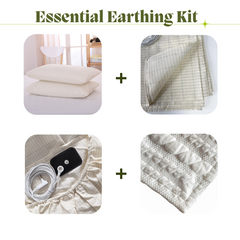
Products that enable indoor earthing—such as fitted grounding bedsheets, bed mats, and essential grounding starter kits—make daily use simple and consistent. As with any wellness practice, ensure your grounding connection is properly installed and consult a healthcare professional if you have implanted electronic devices or take medications that affect blood properties. Used regularly, grounding can be a practical component of natural swelling remedies within a broader, sustainable routine.
Lifestyle Adjustments for Optimal Blood Health
Small, consistent habits can meaningfully support circulation and help manage fluid retention without medications. Combine the practices below to build an effective routine of non-invasive circulation swelling therapies.
Move your calves often
- Walk 30–45 minutes most days; even 10-minute walks after meals help vascular function.
- Do ankle pumps and calf raises hourly if you sit or stand a lot (20–30 reps per leg).
- Elevate legs above heart level for 15–20 minutes to promote venous and lymphatic return.
- Avoid long stretches of stillness and crossing legs, which can impede blood flow.
Use compression and positioning
- Graduated compression socks (15–20 mmHg for daily use; 20–30 mmHg with provider guidance) can reduce ankle swelling and support venous return.
- When resting, place a pillow under calves (not knees) to keep heels light and promote drainage.
- Gentle self-massage toward the heart or light lymphatic strokes can aid fluid movement.
Leverage temperature and water
- Contrast showers (1 minute cool, 2 minutes warm, repeated 3–4 cycles) may stimulate vasodilation/constriction and support circulation.
- Warm foot soaks can relax tissues and provide comfort; adding Epsom salt is popular, though evidence for magnesium absorption is limited.
Optimize hydration and nutrition
- Aim for steady hydration across the day; include electrolytes if sweating or in hot weather.
- Favor an anti-inflammatory pattern: leafy greens, beets, citrus, berries, olive oil, nuts, fatty fish, turmeric/ginger, and adequate fiber.
- Emphasize potassium-rich foods (avocado, beans, spinach) and moderate sodium to support fluid balance.
- Limit smoking and heavy alcohol, both of which impair vascular health.
Manage stress and sleep
- Slow nasal breathing (4–6 breaths per minute) and brief mindfulness sessions can lower sympathetic arousal, which influences vessel tone.
- Consistent, high-quality sleep supports hormonal balance linked to swelling and inflammation.
Incorporate grounding
- Outdoor earthing—barefoot contact on grass, soil, or sand—may promote relaxation and recovery; some preliminary studies report improved sleep, changes in heart-rate variability, and reduced soreness.
- Indoor options like conductive fitted bedsheets and grounding mats allow contact while you sleep or work, offering practical non-medicinal swelling solutions. While more research is needed, many users report grounding circulation benefits such as ease of leg heaviness and calmer rest. Terra Therapy provides products designed for convenient, indoor earthing.
Safety and when to seek care
- Sudden, one-sided leg swelling, warmth, or pain; shortness of breath; or swelling with chest pain warrants urgent medical evaluation.
- If you have heart, kidney, or liver disease; are pregnant; or take blood thinners/diuretics, consult your clinician before starting new natural swelling remedies.
- If using grounded products, follow device instructions and verify outlet grounding for safe use.
These practical steps help improve blood flow naturally and support holistic inflammation relief when used consistently alongside appropriate medical guidance.

Dietary Choices for Swelling and Circulation
What you eat can meaningfully influence fluid balance, vessel health, and inflammation—key levers in non-invasive circulation swelling therapies. Focus on nutrients that regulate sodium-potassium balance, support nitric oxide production, and calm inflammatory pathways.
Prioritize these foods and habits:
- Potassium-rich choices to offset sodium and reduce fluid retention: leafy greens, avocado, beans, lentils, bananas, sweet potatoes, yogurt. Adults often target around 3,500–4,700 mg/day from food. If you have kidney disease or take potassium-sparing meds, check with your clinician.
- Nitrate-rich vegetables that help improve blood flow naturally through nitric oxide: beets, arugula, spinach, Swiss chard. Options include 1–2 cups cooked greens daily or 250–500 ml beetroot juice before activity if tolerated.
- Omega-3s for holistic inflammation relief: salmon, sardines, trout 2–3 times/week; plant sources like ground flax, chia, walnuts on most days.
- Polyphenols and flavonoids that aid endothelial function: berries, citrus, pomegranate, black/pinto beans, green tea, and cocoa (≥70% cacao) in modest portions.
- Anti-inflammatory aromatics: turmeric (with black pepper), ginger, garlic. Use in daily cooking. If you take anticoagulants or have surgery planned, discuss consistent, higher intakes with your provider.
- Magnesium for vascular tone: pumpkin seeds, almonds, cashews, legumes, whole grains, dark leafy greens.
- Hydration first: prioritize water and unsweetened herbal or green tea. Emphasize water-rich produce like cucumber, celery, and watermelon.
Limit items that exacerbate swelling:
- Ultra-processed foods high in sodium (soups, deli meats, snack chips), added sugars, refined carbs, and trans fats.
- Alcohol beyond moderate intake, which can impair vascular function and sleep quality.
Simple meal framework:
- Breakfast: oatmeal topped with chia, walnuts, and blueberries; green tea.
- Lunch: arugula–roasted beet salad with olive oil–lemon dressing and grilled salmon.
- Dinner: lentil–spinach curry with turmeric and ginger over brown rice; side of steamed broccoli.
- Snacks: plain yogurt with banana; hummus with carrots; a square of dark chocolate.
For natural swelling remedies that complement diet, pair these choices with gentle movement, elevation when needed, and consistent sleep. Non-medicinal swelling solutions such as indoor earthing practices may enhance relaxation and recovery; some early evidence suggests potential grounding circulation benefits related to autonomic balance and perceived inflammation. Together, these strategies align with non-invasive circulation swelling therapies and support steady, sustainable progress. If you use anticoagulants, have kidney or cardiovascular conditions, or follow a medically prescribed diet, personalize these recommendations with your healthcare team.
Integrating Therapies for Lasting Wellness
Building lasting wellness often means layering simple, non-invasive circulation swelling therapies so they reinforce each other. A consistent routine that blends movement, positioning, hydration, stress regulation, and gentle recovery practices can help improve blood flow naturally and manage day-to-day swelling without medication.
Anchor your plan with these pillars:
- Movement and positioning: Aim for 7,000–10,000 steps daily plus “micro-mobility” breaks every 30–45 minutes. Do 2–3 sets of 20 ankle pumps, heel-toe raises, and calf stretches. Elevate legs above heart level for 10–15 minutes in the evening to assist fluid return.
- Thermal and mechanical support: Try contrast showers (1 minute cool, 2 minutes warm, repeat 3 cycles) to stimulate circulation. Use 15–20 mmHg compression socks during long standing or sitting periods. Gentle foam rolling or lymphatic brushing toward the heart can support fluid movement.
- Hydration and nutrition: Hydrate to clear urine most of the day; add electrolytes if you sweat heavily. Emphasize potassium-rich produce (leafy greens, avocado), magnesium sources (pumpkin seeds, legumes), and omega-3s (salmon, sardines, flax). Use herbs like ginger and turmeric with black pepper as natural swelling remedies within a balanced diet. Reduce ultra-processed foods and excess sodium.
- Breath and stress regulation: 5–10 minutes of diaphragmatic breathing (4–6 breaths per minute), meditation, or gentle yoga can lower sympathetic arousal that contributes to fluid retention and tension.
- Grounding at home: To enable indoor earthing, use Terra Therapy Grounding Bed Mats under your desk while you work and Fitted Grounding Bedsheets overnight. Many users report deeper sleep, lower perceived stress, and less morning stiffness—factors associated with holistic inflammation relief. The Essential Grounding Starter Kits make it easy to begin. Emerging research continues to explore grounding circulation benefits and recovery support.
Example day that integrates non-medicinal swelling solutions:
- Morning: 10-minute walk, ankle pumps, glass of water with electrolytes.
- Workday: Grounding Bed Mat at your feet, compression socks, 2-minute movement break each hour.
- Evening: 30–45-minute walk, gentle foam rolling, leg elevation, contrast shower.
- Night: Wind-down breathing, sleep on a Terra Therapy Fitted Grounding Bedsheet for consistent relaxation and recovery cues.
Track what works: log steps, note leg heaviness on a 0–10 scale, and measure ankle circumference at the same time daily with a soft tape. Small, steady changes indicate progress.
Seek prompt care for sudden, one-sided, hot, or painful swelling, shortness of breath, or if you suspect a clot. Coordinate with your clinician before changing therapies if you have vascular, kidney, or heart conditions.
Embrace Your Path to Natural Relief
Finding what works for your body often means layering simple, non-invasive circulation swelling therapies you can sustain. Start by ruling out red flags: sudden one-sided swelling, warmth, redness, chest pain, or shortness of breath require medical attention. For routine puffiness from sitting, travel, heat, or long days on your feet, the following natural swelling remedies can help you improve blood flow naturally and feel lighter by evening.
- Movement micro-doses: Every 30–60 minutes, do 2–3 minutes of calf pumps (20–30 reps), ankle circles, or a brisk hallway walk. Add a 20–30 minute walk most days to promote venous return.
- Compression: Knee-high graduated compression (15–20 mmHg) can reduce leg heaviness during work or flights. For more persistent swelling, ask a clinician if 20–30 mmHg is appropriate.
- Elevation and breathing: Elevate legs 6–12 inches above heart level for 10–20 minutes, 2–3 times daily. Pair with slow nasal breathing (4–6 breaths/min) to support lymph flow.
- Contrast hydrotherapy: End showers with 30–60 seconds cool water after warm, cycling 3–4 rounds. Avoid if you have uncontrolled vascular disease or neuropathy.
- Hydration and minerals: Steady water intake and potassium-rich foods (leafy greens, beans, avocado) help balance sodium and support fluid regulation.
- Anti-inflammatory nutrition: Emphasize omega-3s (salmon, sardines, flax), colorful produce, olive oil, turmeric, and ginger for holistic inflammation relief.
- Gentle self-massage: Light, rhythmic strokes toward the groin and behind the knees can assist lymphatic return. Skip massage with suspected infection or DVT.
Grounding may complement these non-medicinal swelling solutions. By connecting your body to the Earth’s electrical potential, earthing aims to reduce accumulated charge. Preliminary studies report changes in heart rate variability, modest shifts in blood viscosity, and reduced perception of pain—signals consistent with potential grounding circulation benefits.
Practical ways to integrate grounding at home:
- Fitted Grounding Bedsheets: Maintain skin contact overnight to stack benefits with sleep.
- Grounding Bed Mats: Place under your feet when reading or at a standing desk.
- Essential Grounding Starter Kits: Test a daily 30–60 minute routine and scale up.
For best results, connect only to a properly grounded outlet, ensure bare-skin contact, and keep lotions or heavy fabrics between you and the conductive surface to a minimum.
Make it personal and measurable. Combine one movement habit, one recovery practice (elevation or contrast), and one grounding session. Track ankle circumference at the same time daily, note energy and sleep quality, and adjust over two weeks. Small, consistent steps create momentum toward steadier circulation and calmer, more comfortable legs.