
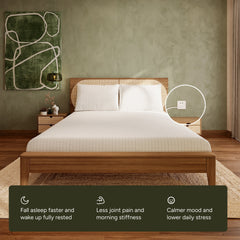

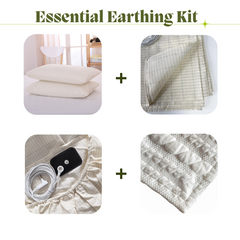

Introduction to Grounding Mats
Grounding mats are conductive surfaces that connect you to the Earth’s electrical potential through a grounded outlet or a dedicated grounding rod. Terra Therapy mats and bedsheets use a conductive layer and a cord with a built‑in safety resistor to gently equalize charge while you work, relax, or sleep. This grounding mat usage guide explains what they do and how to get started safely.
Many users turn to earthing for practical reasons: a calmer pre‑sleep state, fewer stress signals during the day, and relief from nagging aches that disrupt rest. While responses vary, a consistent earthing mat routine is key to noticing changes.
How to use grounding products:
- Verify your outlet ground first with a simple outlet tester.
- Plug the mat’s cord only into the ground port (or a grounding rod); avoid power strips and surge protectors.
- Aim for direct skin contact. Bare feet, calves, wrists, or forearms are common points. Light pressure improves contact.
- Start with 30–60 minutes while seated, then build up to several hours or overnight with a bed mat or fitted sheet.
Grounding mat placement matters:
- Under‑desk: Place the mat where your bare or socked feet rest while working.
- Desktop: Use as a wrist/forearm pad during computer use.
- Lounge: On a recliner or sofa where calves or lower back make contact.
- Bed: At the foot or under a fitted sheet for overnight exposure; Terra Therapy fitted bedsheets provide full‑body coverage.
Best practices for results:
- Consistency over intensity—daily contact typically outperforms occasional long sessions.
- Keep the surface clean; wipe with a mild, non‑oily cleaner to maintain conductivity.
- Avoid thick insulating layers between skin and mat; thin cotton is acceptable with bedsheets.
- If you’re electrically sensitive, introduce grounding gradually and note sleep, stress, and pain levels over 2–4 weeks.
Over time, the best way to use grounding mat setups is the one you’ll maintain: convenient placement, comfortable contact, and a routine that fits your day and supports better sleep at night.
The Science of Earthing
At its core, earthing is an electrical phenomenon. The Earth’s surface is at approximately zero volts. When your skin contacts a conductive surface that’s connected to ground—such as a grounded mat or fitted bedsheet—your body’s electric potential is equalized with the Earth. This reduces the alternating electric fields coupling onto your body from indoor wiring. You can verify the effect with a multimeter: measure body voltage relative to ground before and during contact with a mat and you’ll typically see a sharp drop.
The mechanism is primarily about charge balance and electric-field reduction, not “blocking EMF” in general. Grounding products don’t stop radiofrequency or magnetic fields. Quality mats include a built-in resistor (often around 100 kΩ) to limit current for safety while maintaining a conductive path to ground.
Early research, while limited and small-scale, points to plausible physiological effects. Pilot and randomized crossover studies have reported shifts toward parasympathetic dominance on HRV, improvements in self-reported sleep quality and sleep onset latency, and reductions in perceived stress and pain. One small study observed a trend toward more normalized overnight cortisol rhythms with grounding during sleep. These findings are preliminary and not a substitute for medical care, but they outline credible earthing mat benefits worth exploring.
What this means for your grounding mat usage guide:
- Grounding mat placement: Ensure direct skin contact. At a desk, place the mat under bare feet or wrists. In bed, a fitted sheet or bed mat positioned where legs/torso touch maximizes contact time.
- Earthing mat routine: Consistency matters. Many users aim for 30–60 minutes of daytime contact during high-stress periods and/or overnight contact for sleep support.
- Best way to use grounding mat: Test the outlet ground with a simple tester, connect only to the ground port (never to neutral or live), and keep the cord intact. Combine with good sleep hygiene to isolate effects.
- How to use grounding products safely: Do not use on damaged wiring or ungrounded adapters. Grounding reduces body voltage from AC fields; it is not an RF shield. If unsure about home grounding, consult an electrician.
These practical guardrails translate the underlying science into everyday use with Terra Therapy mats and fitted bedsheets.
Selecting Your Ideal Grounding Mat
Choosing a mat starts with your goal, space, and routine. Use this grounding mat usage guide to match product type, size, and placement to sleep, stress, or pain relief.
- For all-night sleep: Select a fitted grounding bedsheet or full-length bed mat. Fitted sheets with woven silver fibers provide direct skin contact across the body and are ideal if you toss and turn. Bed mats work well placed where your calves or torso naturally rest. Aim for 6–8 hours of consistent contact to maximize earthing mat benefits.
- For daytime stress and focus: A universal/desk mat sized for keyboard-and-mouse use is best. Place it under forearms or as a foot mat beneath your desk to calm the nervous system while you work.
- For targeted pain relief: A smaller universal mat lets you ground the exact area—feet for plantar discomfort, lower back on a couch, or knees post-activity.
Grounding mat placement basics:
- Ensure skin contact. Bare feet, calves, or forearms work best. Thin, damp cotton may conduct, but direct skin contact yields stronger results.
- Connect directly to a verified grounded outlet or a dedicated grounding rod. Avoid power strips and extension cords when possible.
- Test first. Use an outlet checker and a continuity tester included in many starter kits to confirm a safe ground.
Material and care:
- Silver-fiber sheets offer breathable comfort for hot sleepers and even coverage during the night.
- Carbon-infused mats are durable, easy to wipe clean, and ideal for high-use areas like desks.
- Avoid bleach and fabric softeners on silver fabrics; mild detergent extends conductivity.
Earthing mat routine examples:
- Sleep: Fitted sheet + nightly use; track sleep quality for 2–4 weeks.
- Work: Desk mat under forearms or feet for 3–6 hours/day.
- Recovery: 30–60 minutes on a universal mat after workouts or during evening wind-down.
Best way to use grounding mat: choose the format that matches your primary use, ensure reliable ground and skin contact, and use it consistently. If you have an implanted medical device or are on blood thinners, consult your clinician before starting.

Optimal Mat Placement for Effectiveness
Start where you spend the most continuous, stationary time. The grounding mat placement that delivers the biggest return is your bed and your workstation, followed by your couch or favorite reading spot. This grounding mat usage guide prioritizes skin contact, duration, and comfort.
Bed setup
- Grounding Bed Mat: Position it horizontally under your fitted sheet so your shoulders to hips make contact when you lie down. Side sleepers often benefit from upper‑torso placement; restless legs may call for lower‑body placement at calves/feet.
- Partner considerations: Place the mat on your side only if your partner isn’t using grounding products.
- Fitted Grounding Bedsheets: These offer full-body contact with minimal setup—the best way to use grounding mat technology overnight.
- Tip: Direct skin contact is optimal. A thin cotton sheet is acceptable, but thick mattress toppers or heavy blankets between skin and mat reduce conductivity.
Workstation setup
- Under‑desk foot mat: Place it where your bare feet rest naturally. If you must wear socks, choose thin, natural fibers.
- Desktop mat: Keep forearms/wrists in light contact while typing or mousing. Avoid resting only on thick sleeves.
Living room and recovery
- Couch: Slide a mat under calves or behind your lower back.
- Targeted relief: For localized discomfort (e.g., knee, shoulder, lower back), position the mat so it touches the area 30–60 minutes while reading or watching TV.
Connection and safety
- Plug the cord into the ground port of a properly grounded outlet or a verified grounding rod. Use an outlet tester to confirm grounding.
- Connect directly to the wall—not through a power strip or surge protector.
- Route the cord away from power bricks to reduce electrical noise. Keep the mat flat; don’t crease near the connector.
Common mistakes to avoid
- No skin contact (thick socks/blankets in the way)
- Placing under thick rugs or foam pads
- Using unverified outlets
Earthing mat routine
- Nightly sleep contact (6–8 hours) plus 1–3 hours daytime use under your desk typically maximizes earthing mat benefits. This is how to use grounding products consistently for sleep, stress, and pain support.
Proper Connection and Setup
A grounding mat usage guide starts with a safe, verified connection. Test the wall outlet with a three-light outlet tester to confirm a proper ground. Only use the ground (third) port via a grounding adapter; never connect to live or neutral slots. If your outlet isn’t grounded, use an outdoor grounding rod per instructions. Snap the cord onto the mat until it clicks, route the lead so it won’t be pinched or tripped over, and avoid daisy-chaining through ungrounded power strips or surge protectors.
Grounding mat placement depends on your goal. For sleep, position a bed mat where your calves and feet rest or across the torso zone under the fitted sheet; Terra Therapy fitted grounding bedsheets provide full-body contact when connected to ground. For daytime stress reduction, place a desk mat under bare feet or under your forearms while typing. For localized discomfort, sit with the mat under the targeted area (e.g., lower back) while reading or working. Direct skin contact provides the strongest connection; many users also experience benefits through a thin, natural-fiber layer. Slightly moist skin improves conductivity—use a light water spritz if feet are very dry.
The best way to use grounding mat products is consistent, daily contact. If you’re sensitive, begin with 30–60 minutes and increase to several hours or overnight as comfortable. A simple earthing mat routine might be: 1) 60 minutes under your feet during work, 2) evening wind-down with the mat under calves, 3) overnight connection with a bed mat or fitted sheet to support sleep quality and recovery.
Quick setup checklist:
- Test the outlet ground; if ungrounded, use a grounding rod.
- Connect the snap firmly; plug into the ground port only.
- Verify continuity with a tester (included in many starter kits).
- Keep cords away from heat, sharp edges, and foot traffic.
Care and maintenance:
- Unplug before cleaning.
- Wipe mats with a soft cloth and mild soap; avoid harsh chemicals.
- Wash conductive sheets with mild detergent; no bleach or fabric softeners; dry on low or air-dry.
- Inspect cords and snaps periodically; replace if damaged.
These steps help you capture core earthing mat benefits while keeping setup safe and reliable.
Recommended Daily Usage Duration
Consistency matters more than intensity. Based on our grounding mat usage guide, most people see the best results by building up time gradually and making contact part of a daily routine.
Suggested time frames

- New to grounding: Start with 20–30 minutes once or twice a day for 3–5 days. Assess how you feel before increasing.
- Daily maintenance: Aim for 60–120 minutes of total daytime contact (one longer block or several shorter sessions).
- Sleep goals: Use a Terra Therapy Fitted Grounding Bedsheet or Bed Mat overnight (6–8 hours) for the most sustained earthing mat benefits related to sleep quality.
- Stress or pain support (no overnight use): Target 2–4 hours total across the day, split into comfortable sessions.
Example earthing mat routine
- Morning: 30 minutes at your desk with bare feet on a Grounding Mat while checking email.
- Midday: 20 minutes during a break—hands resting on the mat while reading.
- Evening: 45–60 minutes while relaxing on the sofa; position the mat under calves or lower back.
- Overnight: Transition to a Grounding Bed Mat or fitted sheet for continuous contact.
Adjustments for sensitivity and sleep
- If you’re a light sleeper, test 30–60 minutes of evening use first. If you feel too alert, move longer sessions to daytime and keep overnight contact minimal for a few nights before extending.
- During pain flare-ups or after workouts, add a focused 45–90-minute session with the mat directly under the affected area while resting.
Grounding mat placement and contact
- Ensure direct skin contact for the most reliable connection.
- Use on a chair, under-desk, couch, or bed; avoid thick insulating layers between skin and mat.
- Connect to a properly grounded outlet or approved ground rod according to the product instructions.
The best way to use grounding mat products is the approach you can maintain daily. Whether you opt for several daytime sessions or overnight contact with Terra Therapy bedding, total daily time and consistency are key to realizing the full range of earthing mat benefits.
Integrating Grounding into Lifestyle
Think in routines, not one-off sessions. The grounding mat usage guide below shows how to layer earthing into typical dayparts so benefits accumulate for sleep, stress, and pain relief.
- Morning focus: Place a grounding mat under your bare feet at your desk while checking email. Start with 20–30 minutes and build to 2–4 hours of intermittent contact. This reduces sympathetic arousal early in the day and may support steadier energy.
- Midday reset: Use a mat on the floor or chair during lunch or a 10-minute breathing break. Pairing grounding with slow nasal breathing or a brief stretch amplifies relaxation.
- Evening wind-down: Sit with feet on a mat while reading or watching TV. Many users notice fewer muscle aches when they ground during the hours before bed.
- Nightly sleep: For continuous contact, use a fitted grounding bedsheet or bed mat. Bare skin contact yields the strongest connection; if using a standard mat, avoid thick socks or blankets between skin and surface.
Grounding mat placement matters. Aim for consistent skin contact wherever you naturally linger:
- Under-desk foot placement for work blocks
- Sofa footrest area for evening routines
- Bedside floor for pre-sleep relaxation
- On the mattress (bed mat) or as a fitted sheet for overnight use
How to use grounding products safely and effectively:
- Verify your outlet ground with the included tester before connecting.
- Connect only to the grounding port, never to live power.
- Unplug during electrical storms or if you suspect wiring issues.
- Keep the surface clean and dry; wipe with a damp cloth, then air-dry.
- If you have an implanted medical device, consult your clinician before use.
Best way to use grounding mat for measurable progress:
- Track sleep latency, nighttime awakenings, perceived stress, and pain scores weekly.
- Combine with sleep hygiene (regular schedule, dark room) to isolate earthing mat benefits.
- Stay hydrated; skin moisture improves conductivity.
Example earthing mat routine:
- Work: 90 minutes grounded, 15 minutes off, repeat twice.
- Evening: 30–60 minutes grounded during relaxation.
- Night: Terra Therapy fitted sheet or bed mat for 6–8 hours.
Cleaning and Care Guidelines
Proper care preserves conductivity, extends product life, and keeps your space hygienic. Use this grounding mat usage guide to maintain performance while protecting materials.
Routine care for mats
- After daily use, wipe the surface with a slightly damp microfiber cloth. For deeper cleaning (weekly or as needed), use a small amount of mild, dye‑free soap diluted in water, then wipe again with plain water to remove residue.
- Dry fully before reconnecting to power or touching the grounding cord/snap.
- Avoid bleach, oxidizing cleaners, ammonia, solvents, essential oils, abrasive powders, and disinfectant wipes that leave films. These can insulate the surface or degrade conductive coatings.
- Minimize buildup by keeping lotions, body oils, and cosmetics off the contact area when possible. If you apply skincare at night, let it absorb fully before contact.
Washing instructions for grounding sheets
- Machine wash on gentle with cold or warm water using a mild liquid detergent free of bleach, fabric softeners, whitening agents, and oils. Do not dry clean.
- Tumble dry low or line dry; avoid dryer sheets and high heat.
- Silver fibers may naturally dull over time; this doesn’t necessarily reduce conductivity if washing guidelines are followed.
Placement and protection
- For optimal grounding mat placement, keep the mat flat on a stable surface away from heaters, sharp edges, and direct sun. Use a desk pad protector or soft caster wheels if under a chair to prevent punctures.
- Avoid thick, insulating layers between your skin and the mat. A very thin, breathable cotton layer can be used for hygiene, but ensure consistent skin contact to maintain earthing mat benefits.
Inspection and testing
- Monthly, check the cord, snap, and outlet adapter for wear. Replace frayed cables immediately.
- Use a continuity or outlet ground tester periodically to confirm the system is properly grounded. This simple step is part of smart earthing mat routine maintenance.
Storage and travel

- Roll (don’t tightly fold) the mat, and loosely coil the cord. Store cool and dry.
- The best way to use grounding mat products long‑term is gentle cleaning plus regular inspections—central to how to use grounding products safely and effectively.
Addressing Common Usage Questions
Below are quick, practical answers drawn from our grounding mat usage guide to help you get consistent results at home, at work, or while traveling.
- How long should I use it? Start with 30–60 minutes daily, then extend to several hours or overnight as comfortable. Many users notice a calmer nervous system quickly, while sleep or discomfort changes can build over days to weeks.
- Best way to use grounding mat: Ensure bare skin contact whenever possible. Feet, calves, or forearms are ideal. For an earthing mat routine, pair usage with activities you already do—desk work, reading, or TV—so it becomes effortless.
- Grounding mat placement: Under your desk for feet, on a sofa/chair arm for forearms, or on the floor by the bed for morning/evening sessions. For bed mats or fitted sheets, direct skin contact is optimal; if placing a natural cotton sheet over a bed mat, keep layers thin and avoid synthetic mattress protectors that can insulate.
- Clothing and barriers: Bare skin conducts best. Thin, slightly moistened cotton can still conduct, but thick socks, rugs, or foam toppers reduce contact.
- Using electronics: Grounding works regardless, but avoid placing powered devices directly on the mat. If using a laptop, keep it on a desk and your feet on the mat, or run the laptop on battery to reduce electrical noise near the contact area.
- Safety basics for how to use grounding products: Plug into a properly grounded outlet or a dedicated grounding rod. Test outlets first. Only connect to the ground port—never hot or neutral. Terra Therapy cords include an in-line safety resistor. If you have an implanted electronic device, consult your clinician.
- Cleaning and care: Wipe mats with a soft cloth, mild soap, and water; avoid bleach, alcohol, or abrasives. Let air-dry. Oils and lotions can create an insulating film—apply after sessions. Roll for storage; don’t crease.
- Travel and pets: Mats are portable for hotels and offices. Pets can rest on them; protect cords from chewing.
Consistent use is key. Aligning daily habits with earthing mat benefits—better sleep routines, wind-down time, or focused work blocks—delivers the best results.
Unlocking Full Grounding Benefits
Consistent contact, correct setup, and a simple routine make the biggest difference. Use this grounding mat usage guide to turn occasional sessions into noticeable, cumulative results.
Grounding mat placement
- Desk: Place a mat under your bare feet while working. Aim for calves or soles touching the surface; route the cord away from chair wheels.
- Bed: Use a grounding bed mat at the foot of the bed or a fitted grounding bedsheet so your lower legs maintain contact overnight.
- Couch: Position a mat where your legs or hands naturally rest during reading or TV time.
- Wellness corner: Pair a mat with stretching, yoga, or breathwork sessions to stack earthing mat benefits with relaxation.
Earthing mat routine
- Start slow: 15–30 minutes daily for the first week if you’re new, then build to 60–120 minutes or overnight use on a bed mat or sheet.
- Habit cues: Use during predictable blocks—first hour at your desk, evening wind-down, or meditation—to maintain consistency.
- Sleep support: If sleep is the goal, prioritize pre-bed use or overnight contact to sync with your rest cycle.
Contact quality tips
- Bare skin offers the best way to use grounding mat surfaces; thin cotton socks can work but reduce conductivity.
- Keep skin clean and slightly hydrated; avoid thick oils or lotions right before use as they can insulate.
- For grounding bedsheets, ensure regular skin contact at legs, feet, or torso. Minimize extra layers between skin and the conductive fabric.
Setup essentials
- Plug into a properly grounded outlet; use an outlet tester first. Connect only to the ground port—avoid surge protectors or extension cords when possible.
- Inspect cords for damage and keep connectors dry and secure.
Care and maintenance
- Wipe mats and conductive fabric with a soft cloth and mild soap; avoid bleach, harsh chemicals, or abrasive pads.
- Air-dry fully before use; do not fold sharply or place on heaters.
Safety and comfort
- If you have an implanted medical device or specific health concerns, consult your clinician before use.
- Mild sensations can occur initially; reduce session length and increase gradually.
This practical approach to how to use grounding products—mats, bed mats, and fitted sheets—helps maximize comfort, consistency, and results.
Conclusion: Your Path to Natural Well-being
Lasting results come from a consistent plan, correct grounding mat placement, and simple tracking. Use this grounding mat usage guide to build a routine you’ll actually keep, then adjust based on your sleep and comfort data.
Practical next steps:
- Verify your outlet’s ground with a tester; plug the cord into the ground port only. Avoid power strips and ungrounded adapters.
- Skin contact matters. At a desk, place the mat under bare feet or forearms. In bed, run a mat lengthwise under calves or along the torso; with fitted sheets, ensure at least part of your skin touches the conductive surface.
- Start with 20–30 minutes daily and progress to 2–3 hours or overnight as comfortable. Hydrate normally and note how you feel during and after sessions.
- Track outcomes. Use a simple sleep diary (bedtime, wake time, disturbances), a wearable’s sleep stages if available, and a 0–10 pain or stress rating. Revisit your setup weekly and tweak duration or placement.
- Maintain your gear. Wipe mats with a mild soap solution; air-dry. Wash grounding sheets on gentle; avoid fabric softeners and bleach. Test continuity monthly.
- Safety first. If you have an implanted medical device or are pregnant, consult your clinician. Unplug during electrical storms if you prefer added peace of mind.
A sample earthing mat routine:
- Workday: 1–2 hours under-desk foot contact during focused tasks.
- Evening: 30 minutes while reading or meditating to wind down.
- Night: Sleep on a fitted sheet or bed mat for extended exposure.
Many users report earthing mat benefits like deeper sleep, calmer mood, and less day-to-day discomfort within 1–2 weeks, while persistent issues may take longer. The best way to use grounding mat products is the way you can sustain: simple, comfortable, and consistent.
Terra Therapy’s fitted grounding bedsheets, bed mats, and Essential Grounding Starter Kits make it easy to learn how to use grounding products at home. Start small, stay consistent, and refine your approach until your routine supports the well-being you’re seeking.