


Embrace Earthing for Wellbeing
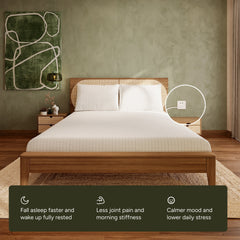
Earthing brings the experience of walking barefoot on natural ground into your bedroom. By providing a direct, low-resistance connection to the Earth’s surface, it can help calm an overactive nervous system and support the body’s natural rhythms. Many Terra Therapy customers use grounding bedsheets for a simple way to reduce stress naturally while creating a sleep environment that feels soothing and supportive.
At the core of earthing sheet technology is a soft, breathable fabric woven with conductive fibers that connect to a grounded outlet or earthing rod. When your bare skin touches the sheet, it equalizes electrical potential with the Earth. In practice, this can lower the body’s exposure to ambient electric fields from household electronics, a change some people notice as less restlessness at night and a steadier sense of relaxation. Early research and user reports point to earthing sleep benefits like easier sleep onset and fewer nighttime awakenings, though results vary by individual.
Comfort matters just as much as conductivity. The grounding fabric feel should be smooth, cool, and familiar—more like premium bedding than a gadget. Terra Therapy’s fitted options are designed to stay taut across the mattress, minimizing bunching so you can move freely. If you run warm, breathable natural fibers help wick moisture and maintain an even temperature. If you’re sensitive to texture, the conductive weave is engineered to be unobtrusive, so grounding bedsheets comfort integrates seamlessly with your existing bedding.
Practical ways to integrate grounding into your routine:
- Test the ground: Use a simple outlet tester to confirm the ground port is active before connecting.
- Set up the sheet: Attach the cord to the sheet’s snap, plug the other end into the grounded port, and route the cable so it isn’t strained or tripped over.
- Ensure skin contact: Expose ankles, calves, or another area of bare skin to the sheet. Thin, natural-fiber pajamas are usually fine; thick synthetics can reduce contact.
- Start consistently: Sleep grounded nightly for 2–3 weeks to notice patterns in how you feel.
- Maintain conductivity: Wash on gentle with mild detergent; avoid bleach, fabric softeners, and dryer sheets, which can coat conductive fibers.
- Validate results: If you’re curious, a body-voltage meter can show an immediate drop when you touch the sheet.
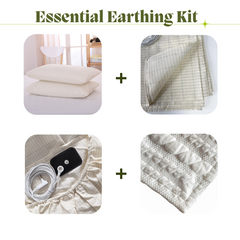
Different lifestyles can benefit. A high-stress professional may find the pre-sleep wind-down easier. An athlete might appreciate deeper rest and morning readiness. Shift workers often report more stable sleep timing when they stick to a grounding routine. Pairing sheets with Terra Therapy Bed Mats or an Essential Grounding Starter Kit can extend the effect to reading in bed or relaxing on the sofa.
While grounding is not a cure-all, many users say they improve sleep quality and wake with steadier energy. If you have a medical condition or implanted device, consult your clinician before use.
What are Grounding Bedsheets?
Grounding bedsheets are conductive linens that let your body connect to the Earth’s natural electrical field while you sleep. They look and drape like standard cotton sheets, but include a fine grid of conductive fibers—often silver—woven through the fabric. The goal is simple: deliver grounding bedsheets comfort alongside the potential earthing sleep benefits many users report.
Here’s how they work. A snap connector on the sheet attaches to a lead that plugs into the ground port of a properly wired outlet or to an outdoor grounding rod. The cord engages only the ground, not live electricity, and quality leads include an inline safety resistor (commonly 100kΩ–1MΩ). For effective grounding, your bare skin should touch the conductive area—calves, feet, or any part of your body in contact with the sheet.
Earthing sheet technology centers on creating a low-resistance pathway across your sleeping surface. Silver- or carbon-infused threads are spaced throughout the fabric so current can flow laterally, making contact reliable even as you move. Terra Therapy’s fitted sheets and bed mats use a snap-and-cord system compatible with standard three-prong grounded outlets and can be paired with an outlet tester to confirm proper grounding before use.
Why people try them: users often seek to reduce stress naturally, fall asleep faster, and wake feeling more restored. Preliminary studies and numerous user reports suggest grounding may help calm the nervous system, reduce nighttime awakenings, and improve sleep quality. Evidence is still developing and individual results vary, so consider grounding as a supportive wellness practice rather than a medical treatment.
Comfort matters as much as conductivity. The grounding fabric feel should mirror premium bedding—breathable cotton with a smooth percale or sateen finish—so you don’t notice the conductive grid. Silver threads are ultrafine and typically imperceptible to the touch, and the sheets are designed to regulate temperature and wick moisture for year-round comfort.
Getting started is straightforward:
- Verify your outlet is properly grounded with a tester.
- Snap the cord to the sheet and plug the ground pin into the outlet (or connect to a grounding rod).
- Ensure regular skin contact during sleep; avoid thick barriers between you and the sheet.
- Route the cord along the bed frame and floor to prevent trip hazards.
Care tips that preserve conductivity:
- Wash on gentle with mild detergent; avoid bleach, fabric softeners, and oxidizing agents.
- Tumble dry low or line dry.
- Keep silver threads away from skincare products containing oils, sulfates, or acids, which can accelerate tarnish.
For full-bed coverage, a fitted grounding sheet is the most seamless option. If you prefer targeted contact, a grounding bed mat at the foot of the bed or across the midsection works well and can be included in an Essential Grounding Starter Kit.
Science Behind Grounding Comfort
Grounding, or earthing, describes creating a direct conductive path between your body and the Earth’s natural electric potential. Indoors, this is achieved with earthing sheet technology woven into bedding, allowing electrons from the Earth to flow to your skin while you sleep. The proposed mechanism is simple: equalizing your body’s charge may dampen the effects of ambient electric fields and help moderate physiological processes related to stress, pain, and restfulness.

The materials matter. Terra Therapy’s fitted grounding bedsheets use natural cotton intertwined with fine conductive threads—commonly silver fibers—arranged in a grid. A low-profile snap connects the sheet to a grounded cord, which plugs into the ground port of a properly wired outlet or a dedicated grounding rod. For safety, the cord includes a built-in resistor to limit current in the event of a fault, while still maintaining conductivity for grounding. This design preserves grounding bedsheets comfort without compromising everyday bedroom safety.
What happens in the body? Preliminary studies on earthing report several potential earthing sleep benefits:
- Calmer nighttime cortisol patterns, which can support circadian rhythm and help improve sleep quality.
- Increases in heart rate variability (HRV), a marker associated with improved stress resilience.
- Reductions in self-reported pain and morning stiffness, possibly reflecting changes in local inflammation.
- Shorter sleep onset latency and fewer awakenings, contributing to more consolidated rest.
While research is still emerging and not a substitute for medical care, the direction of findings suggests grounding may help reduce stress naturally and promote deeper sleep in some individuals.
Comfort is also tactile and thermal. The grounding fabric feel blends the breathability of cotton with the smoothness of conductive fibers. Silver’s high thermal conductivity helps disperse heat across the sheet surface, contributing to a more stable sleep microclimate and fewer hot spots. Conductive fibers also reduce static buildup, which can make bedding clingy or irritating. As a bonus, silver has well-known antimicrobial properties, helping the fabric stay fresher between washes.
A practical example: in a typical bedroom with chargers, lamps, and extension cords near the bed, your body can become capacitively coupled to low-frequency electric fields. When you lie on a grounded sheet, your body voltage relative to Earth can drop measurably, which many users report feels like “settling” into the mattress with less nervous energy. Over days to weeks, common observations include easier sleep onset, quieter mind at night, and more refreshed mornings—subtle but meaningful shifts that align with the intent to improve sleep quality.
In short, the science behind grounding bedsheets comfort integrates material engineering with physiology: a safe, conductive path to Earth, a cooler and softer fabric experience, and potential regulatory effects on stress and sleep systems.
Enhanced Sleep and Stress Reduction
Falling asleep faster and staying asleep longer often starts with how calm your nervous system is at bedtime. Grounding bedsheets introduce gentle, continuous contact with the Earth’s potential while you rest. Small pilot studies and many user reports point to steadier overnight cortisol patterns and improved heart-rate variability—signals of a more relaxed state that can translate into deeper rest and fewer nighttime awakenings. For wellness seekers, this is a practical way to improve sleep quality and reduce stress naturally without adding another supplement or screen-based tool.
Comfort matters as much as the tech. Terra Therapy sheets are woven from breathable cotton with fine conductive threads, so the grounding fabric feel is soft, cool, and familiar—more like premium bedding than a gadget. The fitted design hugs your mattress to prevent bunching, while the low‑profile connection cord tucks out of the way. This pairing of grounding bedsheets comfort and reliable contact helps you drift off without noticing the hardware.
What users often notice first is a smoother transition to sleep and a calmer mind at lights-out. Those who wake at 2–3 a.m. may experience fewer spikes in alertness over time. If you’re a shift worker or a light sleeper, the steady, skin-level connection during the full sleep window can support more consistent circadian cues, enhancing earthing sleep benefits night after night.
Earthing sheet technology is straightforward. A conductive fabric panel connects through a grounded outlet or a verified ground rod, creating the same electrical reference as barefoot contact outdoors. Many systems include an inline safety resistor in the cord, and a simple continuity tester confirms your outlet ground and fabric conductivity in seconds.
To get the most from your setup:
- Ensure direct skin contact—bare legs or feet against the sheet or a Grounding Bed Mat.
- Test your outlet ground before first use; recheck after moving furniture.
- Start with nightly use for 2–3 weeks to let patterns stabilize.
- Keep bedding simple; a thin, natural-fiber layer on top is fine, but avoid thick synthetics between you and the sheet.
- Wash regularly to maintain conductivity; follow care tags to protect the fibers.
Results can be gradual. Some people feel calmer on night one; others notice changes after a week of consistent use. Track your progress with a sleep diary or wearable—look for shorter sleep latency, fewer awakenings, and a more refreshed morning mood. If a full fitted sheet isn’t practical, Terra Therapy’s Grounding Bed Mat offers targeted contact at the calves or torso, and the Essential Grounding Starter Kit is a simple entry point to explore earthing sleep benefits at home.
Integrating Grounding into Your Routine
Bringing grounding into daily life is easiest when it feels natural and comfortable. Aim for grounding bedsheets comfort first, then build consistency so your body associates bedtime with calm and recovery.
Get set up in minutes:

- Verify a properly grounded outlet using an outlet tester, or follow your kit instructions for an alternative ground connection.
- Attach the grounding cord to the sheet’s snap and the outlet’s ground port only. Do not plug into a powered slot.
- Place fitted grounding bedsheets directly on the mattress. Avoid insulating layers between your skin and the conductive area (waterproof mattress protectors and thick synthetic toppers reduce contact).
- For a bed mat, position it where your calves or torso rest. Use it on top of the mattress or under a thin natural-fiber sheet.
- Touch bare skin to the surface during sleep. Even partial contact (feet, calves, hands) can help you explore earthing sleep benefits.
Build a simple routine:
- Night: Use your sheet nightly. Keep your pre-sleep wind-down consistent—dim lights, reduce screens, and try 5–10 minutes of nasal breathing to reduce stress naturally before bed.
- Day: If nights are irregular, add 20–40 minutes on a grounding mat while reading, meditating, or working barefoot. This extends total contact time and may improve sleep quality over a week.
What to expect and how to personalize:
- The grounding fabric feel should be soft and breathable; conductive fibers are woven in and should not feel scratchy.
- In very dry climates, light skin moisture (normal lotion applied earlier in the evening) can improve contact.
- Sensitive sleepers can start with 1–2 hours and increase as comfortable.
- Partners: If only one partner wants grounding, use a bed mat on your side.
- Hot sleepers: Use a light top sheet or sleep directly on the earthing sheet for maximum airflow.
- Travelers: Pack a compact mat; verify grounding in hotels with a tester.
Care and upkeep:
- Disconnect the cord before washing.
- Wash in mild detergent; avoid bleach, fabric softeners, and oxidizing agents that can degrade conductive fibers.
- Tumble dry low or line dry. Store cords loosely coiled and inspect snaps and cables periodically.
Track your results:
- Log sleep onset, night awakenings, and morning energy for 2–4 weeks.
- If you use a wearable, watch for trends in total sleep time, deep sleep, and HRV as indicators of earthing sheet technology impact.
Safety and troubleshooting:
- If you feel mild tingling at first, reduce session time and build gradually.
- If storms are active in your area, unplug as a precaution.
- Individuals with implanted electronic medical devices should consult their physician before use.
- If you don’t notice changes right away, increase direct skin contact time and reassess sleep hygiene alongside grounding.
Choosing the Right Grounding Sheets
Finding the best fit comes down to balancing grounding efficiency with grounding bedsheets comfort, skin feel, and easy care. Start with the fabric. Most high-quality sheets use natural cotton or bamboo blended with fine silver fibers that conduct charge. Cotton percale feels crisp and cool for hot sleepers, while sateen drapes silkier and slightly warmer—two distinct grounding fabric feel profiles. A higher percentage of silver can improve conductivity but may change hand-feel and price; look for even, continuous silver threading across the sleep surface rather than focusing on thread count alone.
Choose a format that matches how you sleep. Fitted grounding bedsheets cover the full mattress, maximizing contact as you move and are ideal if you toss and turn or share a bed. Half-sheets and bed mats target specific zones and can be a budget-friendly way to test earthing sleep benefits. Check size and pocket depth so the sheet stays taut; split sizes help adjustable bases. If you co-sleep, a full-coverage fitted sheet avoids gaps so both partners remain grounded.
Connection and safety matter. Use cords with in-line safety resistors and connect only to a properly grounded outlet’s ground port. Verify your outlet with a simple tester, or use a dedicated ground rod if your home’s wiring is older. Keep the grounding cord routed away from power strips to minimize electrical noise. If you’re curious about performance, a basic multimeter or continuity tester can confirm the earthing sheet technology is carrying ground across the surface.
Care directly affects longevity and performance. Follow these basics:
- Wash regularly with mild detergent to remove body oils that can insulate the fibers.
- Avoid bleach, fabric softeners, and harsh oxidizers.
- Dry on low heat; high heat can degrade conductive threads.
- Skip heavy lotions or oils before bed to maintain skin-to-fabric contact.
Comfort and climate play a role. Warm sleepers often prefer lighter weaves or bamboo blends for breathability; cooler rooms pair well with sateen. If you have sensitive skin, choose a softer weave and look for encapsulated or finely knit silver fibers that aren’t detectable to the touch.
Set realistic expectations and track outcomes. Many users report they sleep deeper and reduce stress naturally within 2–4 weeks. To improve sleep quality and gauge changes, compare a few weeks of sleep tracker data or note differences in time-to-sleep and night awakenings. Pain and mood shifts can be more gradual.
Practical extras to consider:
- Warranty length and replaceable cords for long-term value.
- Independent material testing and safety compliance.
- Starter kits that include the sheet, outlet tester, and cord for a simpler setup.
If you want full-body contact with a smooth finish, a fitted sheet is a strong choice. If you’re testing or targeting a problem area, a bed mat can be effective and easy to move. Either way, choosing the right materials, fit, and care routine will help you experience the potential earthing sleep benefits comfortably.
Care and Maintenance Tips
Proper care preserves conductivity, extends lifespan, and keeps the grounding fabric feel soft and breathable. Follow these tips to maintain grounding bedsheets comfort while supporting earthing sleep benefits night after night.

Wash and dry the right way
- Frequency: Wash every 1–2 weeks, or more often if you use body lotions/oils. Regular washing removes residues that can insulate fibers.
- Detergent: Use a mild, liquid detergent free of bleach, “oxy/whitening” agents, fabric brighteners, or essential oils. These additives can coat or oxidize conductive threads.
- Water and cycle: Wash on warm (up to 40°C/105°F) with a gentle cycle. Avoid hot water.
- No softeners: Skip fabric softener and dryer sheets—both leave an insulating film that reduces conductivity.
- Drying: Tumble dry low or line dry. High heat can weaken fibers. Avoid ironing; if needed, use the lowest setting and avoid the conductive areas.
Protect the conductive fibers
- Lotions and oils: Apply creams, body oils, or magnesium lotions at least 30 minutes before bed so they absorb and don’t transfer to the sheet. Oils accelerate silver oxidation.
- Skin contact: For best results, ensure direct skin contact. If you prefer sleepwear, choose thin, natural fibers (like cotton) to maintain some conductivity.
- Rotate and cover: Rotate the sheet monthly to even wear. Consider a light cotton pillowcase or protector over the conductive pillow area if you use hair or face products.
Keep the connection secure
- Outlet check: Use a grounded-outlet tester to confirm the wall outlet is properly grounded before connecting the cord.
- Cord and snap: Ensure the snap is fully seated and the cord is intact (no kinks or pet chew marks). Replace damaged cords.
- Function test: Periodically verify conductivity with a continuity tester or multimeter. A simple body voltage test (before and after contact) can confirm connection quality.
Handle stains and discoloration
- Spot care: Treat stains promptly with a mild, dye-free detergent and cool water. Avoid chlorine or peroxide.
- Normal oxidation: Silver threads may darken over time. Light discoloration is normal and doesn’t necessarily impact performance.
- Freshen naturally: A wash with a tablespoon of baking soda in the drum and a vinegar rinse can help remove residues without harming fibers.
Daily-use habits that help
- Avoid eating or drinking in bed to prevent acidic spills.
- Keep sharp jewelry and pet claws off the sheet to prevent snags.
- Store clean, fully dry sheets in a cool, dry place; avoid plastic containers that trap moisture.
Consistent care supports earthing sheet technology so it continues to improve sleep quality and help reduce stress naturally. With simple upkeep, you’ll preserve conductivity and comfort—and get the most from your Terra Therapy setup.
Transform Your Sleep Environment
A calm, restorative bedroom starts with smart choices you can feel every night. Adding grounding bedsheets from Terra Therapy is a practical way to bring outdoor earthing indoors while preserving a clean, modern aesthetic. The result is grounding bedsheets comfort: a breathable, natural surface paired with discreet conductivity that may help improve sleep quality and reduce stress naturally.
Begin with the right product for your setup. Fitted Grounding Bedsheets anchor like standard linens and keep consistent skin contact across the night—helpful if you move often. Grounding Bed Mats sit beneath your fitted sheet or at the foot of the bed to target calves and feet. For first-time users, the Essential Grounding Starter Kits bundle the sheet or mat, grounding cord, and outlet tester so you can verify a safe connection on day one.
Pay attention to the grounding fabric feel and build. Terra Therapy sheets use soft, natural fibers woven with conductive threads so they look and drape like everyday bedding. This earthing sheet technology connects to your home’s ground via the outlet’s ground port or an outdoor ground rod. For best results:
- Confirm the outlet is properly grounded using an outlet tester.
- Connect the cord to the sheet and route it along the bed frame to avoid tripping.
- Ensure regular skin contact—calves, thighs, or hands touching the fabric. If you prefer a top sheet, choose a thin natural fiber to maintain conductivity.
Many people ease in to observe potential earthing sleep benefits. Try 30–60 minutes of relaxation or reading on the sheet before bed for a few nights, then move to full nights. Some users notice sensations like warmth or a gentle tingling initially; these typically pass. Pairing the sheet with core sleep hygiene—cool, dark room; consistent schedule; limited screens—can help improve sleep quality more reliably than any single tool.
Care preserves both comfort and conductivity:
- Wash every 1–2 weeks with mild detergent; avoid bleach, fabric softeners, and oxidizing agents that can degrade conductive fibers.
- Dry on low heat and avoid high-temperature ironing.
- Minimize lotions with petroleum or mineral oil before bed, which can leave insulating residues.
- Periodically check continuity with a simple tester; lifespan varies with use and laundering.
Practical examples make integration easy. Hot sleeper? Use the fitted grounding sheet with a lightweight duvet to stay cool while maintaining contact. Sharing a bed? Both partners can benefit as long as each has skin contact somewhere on the sheet. Sensitive to new routines? Place a Bed Mat at the foot of the bed and start with naps.
Grounding is not a medical treatment, but for many wellness seekers it’s a low-effort, indoor way to reduce stress naturally and support more consistent rest. With the right setup and care, earthing sheet technology blends seamlessly into your bedroom, adding tangible comfort and the potential for steadier, deeper sleep.