


Understanding Modern Stress and Anxiety
Stress and anxiety today are less about isolated crises and more about a steady, unrelenting load. The nervous system stays on high alert through constant notifications, long sitting, and late-night light exposure, while the body copes with shallow breathing, tight muscles, and irregular cortisol rhythms. Over time, this “always-on” state can flatten energy during the day, spike alertness at night, and make it harder to downshift into calm.
Physiologically, the stress response is designed for short bursts. The brain flags a threat, the hypothalamus triggers adrenaline and cortisol, and the body mobilizes. When this loop repeats hourly—email pings, news feeds, caffeine jolts—sympathetic activity dominates and recovery lags. Sleep fragments, inflammation can rise, and mood becomes more reactive, creating a feedback loop that sustains anxiety.
Common modern drivers include:
- Circadian disruption from blue light and irregular bedtimes
- Continuous digital stimuli and multitasking
- Sedentary, indoor routines with minimal nature exposure
- Blood sugar swings from refined foods and late eating
- Social isolation and reduced face-to-face support
It often shows up as:
- Racing thoughts, irritability, catastrophizing
- Neck and jaw tension, headaches, chest tightness
- GI discomfort, restlessness, trouble falling or staying asleep
Many people seek natural stress reduction before turning to stronger interventions. Sensory grounding—redirecting attention into the body and environment—can help interrupt rumination. Earthing for anxiety adds a specific angle: making direct skin contact with the Earth’s surface to align with its electrical potential. While barefoot time outside is the simplest approach, schedules, weather, and urban living make consistency difficult. That’s where wellness grounding solutions such as mats and fitted sheets come in, providing an indoor option for regular practice.
Interest in grounding mats stress anxiety relief has grown as users look for non-invasive, at-home tools. Proposed grounding mat benefits include facilitating relaxation, supporting more consistent sleep, and helping the body shift toward parasympathetic (rest-and-digest) balance. Early, small studies and user reports suggest improvements in sleep quality and perceived stress for some individuals, though larger, well-controlled trials are still needed. As with other anxiety relief products, results vary and these tools are best viewed as part of a broader routine rather than a standalone fix.
Practical ways to integrate them:
- Under-desk use while working to pair skin contact with slow breathing intervals
- Bedtime use via a sheet or mat while dimming lights an hour before sleep
- Combining sessions with outdoor daylight exposure, light movement, and a caffeine cutoff in the afternoon
Used consistently alongside foundational habits—sleep timing, movement, nutrition, and social connection—grounding can be a gentle, accessible complement to your stress-care toolkit.
What Are Grounding Mats?
Grounding mats are conductive pads that connect your body to the Earth’s electrical ground indoors. They typically plug into the ground port of a standard outlet (or a dedicated grounding rod) using a cord with an in-line safety resistor, allowing a gentle flow of electrons similar to standing barefoot on grass or soil. By equalizing your body to ground, these mats can reduce accumulated static charge and lower body voltage from indoor electromagnetic fields.
People choose grounding mats for stress and anxiety relief because the experience often feels calming and centering. Early peer‑reviewed studies have reported shifts consistent with relaxation, such as improved heart rate variability and more stable day‑night cortisol rhythms, alongside better perceived sleep quality. While not a medical treatment, earthing for anxiety is used as part of natural stress reduction routines—especially by those who prefer non‑pharmacological approaches.
Common grounding mat formats include:
- Desk or floor mats: Place under bare feet or forearms while you work to maintain contact for hours without changing your routine.
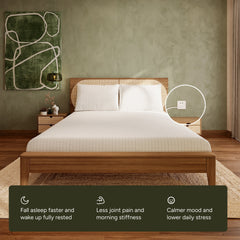
- Bed mats and fitted sheets: Create overnight contact to support deeper rest; many users start at the foot of the bed and then progress to full‑body contact.
- Meditation/yoga mats: Sit or lie on them during breathwork to reinforce a grounded state.
Key grounding mat benefits often reported by users include:
- A calmer baseline during high‑pressure work or screen time
- Easier wind‑down at night and fewer mid‑sleep awakenings
- Reduced muscle tension after long periods of sitting or intense training
- A more balanced mood upon waking
How to use:
1) Verify your outlet is properly grounded with an outlet tester.
2) Connect the cord to the mat and the outlet’s ground port only (no power to the mat).
3) Ensure skin contact—bare feet, hands, or calves work well; thin cotton socks may reduce but not eliminate conductivity.

4) Start with 30–60 minutes and extend to several hours or overnight, based on comfort.
5) Keep mats clean: wipe carbon/PU surfaces with mild soap and water; for silver‑thread fabrics, wash on gentle without bleach or fabric softeners.
Safety notes: Grounding mats do not energize you; they simply connect you to ground. Use only with properly grounded outlets. If you have an implanted medical device or are under active treatment, consult your clinician first. Discontinue use if you notice discomfort and troubleshoot your setup.
As anxiety relief products go, grounding mats are low‑effort wellness grounding solutions that integrate seamlessly into daily life. For many, grounding mats stress anxiety relief comes from the consistent, passive contact they provide—an accessible way to explore earthing for anxiety alongside sleep hygiene, movement, and breathwork.
The Science of Earthing for Well-being
Earthing, also called grounding, means making direct skin contact with the Earth’s electrical potential. Indoors, conductive bedsheets and mats connected to a grounded outlet replicate that contact so you can engage with the Earth’s charge while you sleep or work.
Why this might matter for stress and mood centers on the nervous system and inflammation. Two mechanisms are commonly proposed:
- Electrical equilibrium: Touching a grounded surface equalizes your body’s voltage and can reduce induced AC electric fields on the body. Lower electrical “noise” may help downshift sympathetic arousal.
- Antioxidant effect: The Earth’s surface carries free electrons that may help neutralize reactive oxygen species. Early studies have reported shifts in inflammatory markers and perceived pain, though larger trials are needed.
Preliminary research, including small randomized and crossover studies, suggests grounding can influence the autonomic nervous system. Findings have included increased heart rate variability (a sign of parasympathetic tone), quicker relaxation response, and more stable overnight cortisol patterns. Participants often report better sleep quality, less restlessness, and calmer mood—factors relevant to earthing for anxiety and natural stress reduction. These results are promising but not definitive; they warrant larger, well-controlled trials.
Sleep is a key pathway. When sleep improves, stress reactivity and anxious rumination typically decline. Some pilot work has shown shorter sleep onset latency and fewer nighttime awakenings with grounded sleep systems, along with morning cortisol patterns that better match a healthy diurnal curve. Users commonly describe waking more refreshed, which can support resilience throughout the day.
Grounding mat benefits also extend to circulation. Lab measures have shown changes in red blood cell zeta potential and viscosity, which may reflect smoother blood flow. This could help explain reductions in perceived pain and muscle tension that often accompany lower anxiety.
Practical ways to use wellness grounding solutions:
- Bed contact: A fitted grounding bedsheet or a bed mat maintains gentle, continuous contact all night—useful for cumulative effects on sleep and stress.
- Desk routine: A grounding mat under bare feet or resting wrists during high-pressure tasks can provide a steady cue for relaxation.
- Track and adjust: Note changes in sleep, HRV (if you use a wearable), mood, and muscle tension over 2–4 weeks.
Safety and setup matter. Always connect to a properly grounded outlet using an outlet tester. Quality products include built-in resistors for electrical safety and are designed for skin contact. Many people explore grounding mats stress anxiety relief as one of several anxiety relief products; they pair well with breathwork, morning light, movement, and a consistent bedtime. Grounding is supportive, not a medical treatment—consult your clinician for persistent anxiety.
How Grounding Reduces Stress Hormones
Chronic stress keeps your sympathetic nervous system switched on and elevates cortisol, the body’s primary “get up and go” hormone. Over time, a flattened or late-night cortisol curve can drive restlessness, anxious rumination, and wired‑but‑tired fatigue. Grounding aims to counter this by restoring parasympathetic balance and supporting a healthier daily cortisol rhythm.
When your skin makes conductive contact with a grounded surface, the body equilibrates with the Earth’s electrical potential. In small pilot studies, this has been associated with a shift toward parasympathetic dominance (as measured by heart rate variability) within minutes of grounding, suggesting a direct calming effect on the autonomic nervous system. A separate sleep-grounding pilot reported more normalized diurnal cortisol patterns and fewer reports of nighttime stress. While these studies are preliminary and involve small samples, they align with what many users notice: a quieter body and mind.
Why cortisol may trend down with regular earthing for anxiety and stress:
- Autonomic reset: Increased vagal tone and reduced sympathetic arousal can lower the “alarm” signal that drives cortisol production.
- Better sleep architecture: Grounding during sleep has been linked to fewer awakenings and deeper rest, which supports a healthier morning-peak/evening-low cortisol rhythm.
- Muscle relaxation: Contact with a grounding mat can ease muscle tension, reducing physical “noise” that perpetuates stress responses.
- Inflammation modulation: Some research suggests grounding may influence inflammatory signaling. Lower perceived inflammation often coincides with reduced stress load.
- Sensory grounding: The physical cue of contact provides a simple, repeatable tool for natural stress reduction during high-pressure moments.
Practical ways to use grounding for hormone-calming benefits:

- At your desk: Place a grounding mat under bare feet for 30–60 minutes during demanding work blocks. Many notice calmer breathing and steadier focus.
- Evening wind-down: Sit or stretch on a mat while reading or journaling to cue the parasympathetic system before bed.
- Overnight support: Sleep on a fitted grounded bedsheet or a bed mat to encourage more stable nighttime cortisol and more refreshing mornings.
- Habit stacking: Pair grounding with slow nasal breathing, light mobility, or a brief mindfulness practice to amplify effects.
- Consistency: Daily use tends to matter more than long, infrequent sessions.
For those comparing anxiety relief products, grounding mat benefits are most evident when integrated into an overall routine that prioritizes sleep, daylight exposure, movement, and hydration. Terra Therapy’s wellness grounding solutions—such as fitted grounding bedsheets and mats—offer an easy, indoor way to experiment. If you’re exploring grounding mats stress anxiety relief, start with short, regular sessions and track sleep quality, mood, and daytime calm for 2–4 weeks. Grounding is not a medical treatment, but it can be a practical, low-effort addition to a natural stress-reduction plan.
Grounding Mats for Anxiety Relief
An anxious mind is often a sign of an overactive stress response. Earthing brings the body into direct electrical contact with the Earth’s surface, which may help shift the nervous system toward a calmer, more parasympathetic state. People often turn to grounding mats for stress and anxiety relief because they offer a simple, non-pharmacological way to add natural stress reduction to everyday life—right at your desk, couch, or bed.
What the science suggests
- Small preliminary studies report improvements in heart rate variability (a marker of stress resilience) and more normalized daily cortisol patterns after grounding, both linked to a calmer mood and better sleep.
- Users commonly note fewer racing thoughts at night, less muscle tension, and an easier time winding down—outcomes that can support earthing for anxiety without introducing new medications or stimulants.
How to use a grounding mat for daily calm
- Morning focus: Place a mat under your bare feet while journaling or planning your day for 20–30 minutes. Pair with slow nasal breathing to reinforce relaxation.
- Workday reset: Keep a mat beneath your desk. During back-to-back calls, rest your feet or forearms on it to help counter cumulative stress.
- Evening wind-down: Sit with feet on the mat while reading or stretching. This consistent cue can signal your nervous system that it’s safe to relax.
- Overnight support: If nighttime worry is your main trigger, consider Terra Therapy’s Fitted Grounding Bedsheets or a Grounding Bed Mat to extend the benefits through sleep.
Grounding mat benefits you can feel
- Promotes a sense of physical ease by reducing muscle tightness that often accompanies worry
- Supports more settled breathing and heart rhythm during tense moments
- Complements other anxiety relief products like weighted blankets or magnesium—no timing conflicts or interactions
- Passive and effortless: once connected, it works while you do other things
Tips for best results
- Ensure skin contact. Bare feet, ankles, or forearms work well.
- Be consistent. Daily use over weeks generally outperforms occasional sessions.
- Combine with calming habits (box breathing, light stretching, or a short meditation).
- Use a properly grounded outlet or an outdoor ground rod. Test outlets with a simple tester before first use.
- Start slow if sensitive—10 minutes and build up.
- Avoid connecting the mat to ungrounded adapters; keep cords intact and undamaged.
Choosing a wellness grounding solution
- For all-day versatility: a Grounding Bed Mat that moves from desk to sofa.
- For sleep-first goals: Fitted Grounding Bedsheets to support overnight recovery.
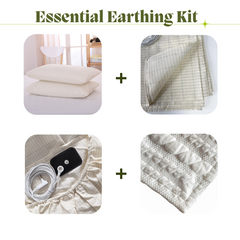
- For newcomers: the Essential Grounding Starter Kit to get set up quickly and safely.
Grounding isn’t a cure for clinical anxiety, but as part of a broader self-care plan, it can be a practical, low-effort tool for easing tension and supporting steadier moods.
Integrating Grounding into Your Daily Routine
Making grounding a habit is easier when you attach it to moments you already have. Aim for consistent daily contact and build from short sessions to longer ones as it feels comfortable. Many people use grounding mats for stress anxiety relief alongside breathwork and good sleep hygiene as part of a broader, natural stress reduction plan.
Simple ways to weave grounding into your day
- Morning reset: Place a Grounding Mat where you sit to journal, meditate, or sip coffee. Keep bare feet or palms on the mat for 10–20 minutes to set a calmer baseline.
- Focused work: Slide a mat under your desk for foot contact during emails or calls. Use 2–3 “grounded breaks” of 5 minutes with slow breathing to ease midday tension.
- Movement and mindfulness: During stretching or yoga, set hands or feet on the mat for poses like child’s pose or seated forward fold to combine earthing for anxiety with gentle movement.
- Evening wind-down: Read or practice NSDR while your feet rest on a mat to help downshift after screens.
- Overnight continuity: Use Fitted Grounding Bedsheets or a Grounding Bed Mat so contact continues while you sleep. Many users report calmer nights and fewer awakenings; track your own response.
A practical two-week integration plan
- Days 1–3: 10 minutes morning + 10 minutes evening on a mat.
- Days 4–7: Add under-desk contact during one work block.
- Week 2: Sleep on Fitted Grounding Bedsheets; keep the mat for daytime sessions.
- Track perceived stress (1–10), sleep onset time, and morning energy. Adjust duration based on comfort.
Setup and safety essentials
- Verify the outlet is properly grounded using an outlet checker before connecting any product.
- Plug the cord into the ground-only port; never into a “hot” or “neutral” slot.
- For best conductivity, maintain skin contact. Clean skin oils or lotions that can reduce contact; stay hydrated.
- Disconnect during electrical storms. If you have an implanted medical device or specific health concerns, consult your clinician before use.
Care and consistency tips
- Wipe mats weekly with a mild soap solution; avoid harsh cleaners and heavy folding.
- Rotate contact areas (feet, hands, calves) to keep sessions comfortable.
- If you notice tingling or restlessness, shorten sessions and build up gradually.
Choosing the right tools
- Grounding Mat: Versatile for desks, meditation, or yoga—an adaptable entry point among anxiety relief products.
- Fitted Grounding Bedsheets: Set-and-forget nightly contact for sleep support.
- Essential Grounding Starter Kits: Everything needed to get connected at home or when traveling, plus an outlet tester for peace of mind.
Grounding mat benefits can be subtle at first and cumulative with routine. As part of wellness grounding solutions, earthing complements lifestyle essentials—light movement, breathwork, and a regular sleep schedule—to support a calmer, steadier day.

Choosing the Right Grounding Product
Finding the best fit comes down to when stress shows up for you, how you live, and how much contact time you can realistically get each day. For many, grounding mats stress anxiety relief is about consistency—choosing a solution you’ll actually use.
If nighttime worry is your main challenge, consider Fitted Grounding Bedsheets. They provide hours of low-effort contact while you sleep, supporting earthing for anxiety that spikes after dark. Because the fabric is interwoven with conductive fibers, you don’t need bare-skin contact with a mat—your normal sleep setup stays intact. Pick the size that matches your mattress, and plan on simple care with mild detergent (no bleach or fabric softener) to protect conductivity.
If your tension builds at the desk, Grounding Bed Mats used as desk or foot mats can deliver natural stress reduction during work. Place one under your bare feet or wrists while typing, journaling, or meditating between meetings. Many users notice grounding mat benefits like a steadier heart rate and reduced muscle tightness during long sessions. Mats are easy to wipe down and move from workstation to couch, making them versatile anxiety relief products for daytime support.
If you’re unsure where to start, Essential Grounding Starter Kits help you test what feels best. A typical kit includes a conductive surface, cord, and outlet checker so you can confirm a safe ground connection at home. Try it at the computer, on the sofa during breathing exercises, or beside the bed for a nightly wind-down routine before committing to a whole-bed solution.
Use these decision points to narrow your choice:
- Goal and schedule: Overnight calm (bedsheets) vs. daytime composure (mat).
- Contact area: Full-body, passive exposure (bedsheets) vs. targeted hands/feet (mat).
- Skin contact: Sheets are conductive by design; mats require direct skin contact.
- Portability: Mats move room to room—good for households and travel.
- Maintenance: Sheets need gentle laundering; mats wipe clean.
- Household factors: Consider pets, shared beds, and cord management.
- Budget: Maximize total daily contact time within your price range.
Safety and setup tips:
- Plug into a properly grounded outlet; use the included tester before first use.
- Quality wellness grounding solutions include inline resistors for added protection.
- Route cords away from walk paths; disconnect during electrical storms as a precaution.
- Avoid lotions or oils on contact areas, which can reduce conductivity.
For many wellness seekers, a simple plan is: start with a mat at the desk for daytime steadiness, then add a fitted sheet to extend calm overnight. That combination offers broad grounding mat benefits while keeping your routine seamless.
Experience Natural Calm and Balance
Finding calm doesn’t always require another app or supplement. Many people use grounding mats for stress and anxiety relief as a simple, tactile way to settle the nervous system—especially when the day feels overstimulating. By connecting your body to the Earth’s electrical potential indoors, you create a neutral baseline that may help quiet excess “buzz,” similar to stepping barefoot onto grass.
What this can look like in daily life:
- Midday reset: Rest your bare feet on a Terra Therapy Grounding Bed Mat placed under your desk for 20–30 minutes to unwind between meetings.
- Evening wind-down: Lie on a Fitted Grounding Bedsheet while reading or practicing breathwork to signal your body it’s time to switch from “doing” to “resting.”
- Post-screen decompression: After long screen sessions, sit with a mat under your feet while doing a simple box-breathing routine (inhale 4, hold 4, exhale 4, hold 4) for 5–10 minutes.
Why people choose earthing for anxiety:
- Gentle, non-medicinal approach that pairs well with mindfulness, therapy, and sleep hygiene.
- Supports natural stress reduction habits by encouraging stillness and deeper breathing.
- May normalize cortisol patterns and improve heart rate variability, according to preliminary studies, which are both associated with better stress resilience.
Grounding mat benefits you may notice:
- A subtle drop in muscle tension and mental agitation
- Easier transitions into sleep or between daily tasks
- Reduced “tired-but-wired” feeling in the evening
- A steadier mood during high-pressure periods
Getting started with wellness grounding solutions:
- Choose your format: Overnight contact with Fitted Grounding Bedsheets for consistent support, or a versatile Grounding Bed Mat for feet, calves, or back during breaks. New to earthing? An Essential Grounding Starter Kit keeps setup simple.
- Ensure proper connection: Plug the cord into a grounded outlet or approved grounding point. Use an outlet tester to confirm a true ground before first use.
- Prioritize skin contact: Bare feet, ankles, or legs on the conductive surface work best. Even brief, regular sessions can be helpful.
- Build a routine: Aim for 20–40 minutes during the day, or use nightly for cumulative benefits.
- Pair with calm cues: Layer breathing exercises, soft lighting, or gentle stretches to reinforce relaxation.
A note on expectations: Grounding mats are anxiety relief products intended to complement—not replace—professional care. Responses vary; many feel immediate ease, while others notice gradual improvements in sleep quality and daytime calm over 1–3 weeks.
If you’re seeking natural stress reduction with minimal friction, grounding mats for stress and anxiety relief offer a practical, indoor way to reconnect with the steadiness of the Earth—integrating seamlessly into how you already rest, work, and recover.