
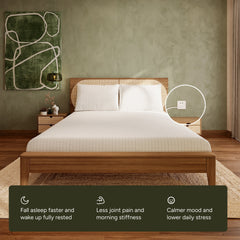


Understanding Insomnia and Restless Sleep
Falling asleep and staying asleep depend on two biological systems working in sync: your internal clock and your sleep pressure. The circadian rhythm, set largely by light exposure, times the release of melatonin at night and a rise in cortisol toward morning. Sleep pressure builds across the day as adenosine accumulates in the brain, creating a drive to sleep that resets after a solid night. When these systems are misaligned—or when the body is stuck in a state of hyperarousal—insomnia and restless sleep follow.
Clinically, insomnia involves difficulty falling asleep, frequent awakenings, early morning waking, or non-restorative sleep despite adequate opportunity, paired with daytime impairment. Restless sleep often shows up as light, fragmented sleep and 3 a.m. awakenings with a racing mind. Stress plays a central role: heightened sympathetic activity and elevated evening cortisol can override melatonin’s signal, making it hard to wind down.
Common triggers that undermine efforts to improve sleep naturally include:
- Psychological stress and anxiety, especially rumination at bedtime
- Irregular schedules, shift work, jet lag, or late-night light exposure
- Screens before bed; blue light suppresses melatonin and delays circadian timing
- Stimulants (caffeine, nicotine), and alcohol, which fragments sleep architecture
- Pain, inflammation, or discomfort from injury or chronic conditions
- Bedroom factors: heat, noise, light leaks, or an uncomfortable mattress
- Certain medications (e.g., decongestants, steroids, some antidepressants), and health issues such as sleep apnea, restless legs syndrome, thyroid dysfunction, or perimenopause
If you regularly wake around 2–4 a.m., circadian physiology may be part of the story. Cortisol naturally begins to rise in the early morning; when baseline stress is high or blood sugar dips overnight, that rise can feel like an internal alarm clock.
Natural remedies for insomnia work best when they target root causes: re-entraining circadian timing, easing hyperarousal, and addressing pain or discomfort. Daytime light exposure, consistent wake times, a calming pre-sleep routine, and nervous-system downshifting techniques (breathwork, gentle stretching, mindfulness) are examples of holistic sleep solutions that reduce stress for sleep.
Earthing, or grounding, is another approach some people use as part of a comprehensive plan. The concept involves direct skin contact with the Earth or conductive tools indoors. Preliminary studies and user reports suggest potential grounding benefits for restless sleep—such as feeling calmer at night, fewer awakenings, and reduced pain—possibly via shifts toward parasympathetic activity and more favorable cortisol patterns. While more large, rigorous trials are needed, earthing for better sleep is often incorporated alongside other lifestyle strategies to improve sleep naturally.
Persistent insomnia, loud snoring, gasping during sleep, or significant daytime sleepiness warrant medical evaluation to rule out underlying disorders before relying solely on natural methods.
Impact of Poor Sleep on Well-being
When sleep is fragmented or too short, almost every system in the body compensates—and not in your favor. Cortisol can drift higher and later into the night, heart rate variability drops, and the nervous system stays stuck in “alert” mode. The result is more nighttime awakenings, racing thoughts, and a longer time to fall back asleep.
Cognition is one of the first casualties. Even a single night of poor sleep impairs memory consolidation, attention, and reaction time. That shows up as lost productivity, mistakes, and greater accident risk. Over weeks, mood follows suit. Irritability, anxiety, and low motivation increase as serotonin and dopamine signaling becomes less efficient, creating a loop where stress fuels insomnia and insomnia fuels stress.
Metabolic health also takes a hit. Inadequate sleep disrupts appetite hormones, increasing ghrelin (hunger) and decreasing leptin (satiety). Cravings for refined carbs rise, blood sugar swings more widely, and evening snacking becomes harder to resist. Over time, this pattern can contribute to weight gain and sluggish daytime energy.
Pain sensitivity often intensifies with poor sleep. The brain’s pain modulation system becomes less effective, amplifying discomfort from old injuries or day-to-day tension. For people with restless sleep, addressing this pain-sleep cycle is essential to improve sleep naturally and feel restored in the morning.
Immune function is closely tied to sleep quality. Short or irregular nights are associated with higher inflammatory signaling and greater susceptibility to colds. That low-grade inflammation can also disturb sleep architecture, leading to lighter, less restorative stages.
Natural remedies for insomnia work best when they calm the nervous system and realign circadian rhythms. Simple changes—morning light exposure, consistent bed and wake times, a cooler, darker bedroom, and a caffeine curfew—form the foundation of holistic sleep solutions. Breathwork, gentle stretching, and a 10-minute wind-down routine can further reduce stress for sleep by shifting the body toward parasympathetic dominance.
Earthing for better sleep is an emerging tool within this toolkit. Preliminary studies and case reports suggest that making conductive contact with the Earth may help normalize nighttime cortisol patterns, improve heart rate variability, and reduce perceptions of stress and pain—grounding benefits for restless sleep that can shorten sleep latency and lessen nocturnal awakenings for some people. For those who can’t regularly walk barefoot outside, indoor options like conductive bedsheets or mats provide a practical way to incorporate grounding while you rest.
Consider a layered approach:
- Set a consistent sleep window and get 5–10 minutes of morning sunlight.
- Keep the bedroom 60–67°F, quiet, and dark; reserve the bed for sleep.
- Add a brief pre-sleep ritual: nasal breathing, progressive muscle relaxation, or journaling.
- Explore grounding during the evening or overnight to support relaxation alongside these habits.
- Limit alcohol and late heavy meals; finish vigorous workouts at least 3 hours before bed.
By addressing stress, pain, metabolism, and circadian timing together—and thoughtfully integrating grounding—you create multiple pathways to improve sleep naturally and wake with steadier energy.

Traditional Natural Sleep Aids
If you’re exploring natural remedies for insomnia, start with options that have been used for generations and are supported by emerging research. These approaches help you improve sleep naturally without relying on medication.
Herbal botanicals:
- Chamomile: Brew 1–2 tea bags 30–60 minutes before bed. Apigenin, a flavonoid in chamomile, may promote relaxation.
- Valerian root: 300–600 mg of standardized extract (about 0.8% valerenic acids) 30–120 minutes pre-bed. Some people experience next-day grogginess; avoid mixing with other sedatives.
- Passionflower: Tea or 250–500 mg extract may ease a busy mind. It’s often combined with valerian.
- Tart cherry: 8–16 oz juice or 1 tbsp concentrate twice daily can modestly raise melatonin levels in some individuals.
Nutrients and amino acids:
- Magnesium glycinate or citrate: 200–400 mg in the evening may ease muscle tension. Can cause GI upset at higher doses; consult your clinician if you have kidney issues.
- Glycine: 3 g 30–60 minutes before bed may lower core body temperature and support deeper sleep.
- L-theanine: 100–200 mg in the evening may promote calm by supporting alpha brain waves; non-sedating for most.
Aromatherapy and warm baths:
- Lavender essential oil: 2–3 drops in a diffuser or a light pillow spray has been linked to improved subjective sleep quality in small trials.
- Warm bath or shower: 60–90 minutes before bed can help your body cool for sleep afterward. Epsom salt soaks are a soothing ritual, even if magnesium absorption through skin remains debated.
Mind–body practices to reduce stress for sleep:
- Slow breathing: 4-7-8 or 6 breaths per minute for 5–10 minutes can calm the nervous system.
- Progressive muscle relaxation: Tense and release muscle groups from feet to head.
- Gentle yoga or stretches: 10 minutes in the evening can release physical tension.
Light and rhythm fundamentals:
- Morning daylight: 10–30 minutes outdoors anchors your circadian clock.
- Evening light hygiene: Dim lights after sunset; limit blue light 1–2 hours before bed.
- Consistency and environment: A regular sleep-wake schedule, a dark cool bedroom (around 60–67°F/15–19°C), and quiet or white noise support continuity.
Earthing and grounding:
- Barefoot time on grass, soil, or sand for 20–30 minutes can be a simple way to calm before bed. Preliminary research and user reports suggest earthing for better sleep may relate to normalized nighttime cortisol and reduced perceived stress—potential grounding benefits for restless sleep.
- Indoor options bring this practice to bed: grounded fitted bedsheets and bed mats connect you to the home’s grounding system, providing continuous contact overnight. These holistic sleep solutions pair well with the routines above.
Safety notes: If you’re pregnant, nursing, on medications (especially sedatives or SSRIs), or have health conditions, consult your healthcare provider. Start with one change at a time to see what truly helps.
The Science of Earthing and Grounding
Earthing—also called grounding—is the practice of making direct electrical contact with the Earth so your body shares the planet’s natural electric potential. In practical terms, this can be as simple as walking barefoot on grass or as consistent as sleeping on a conductive bedsheet that’s connected to a grounded outlet. For people exploring natural remedies for insomnia, earthing offers a low-effort, non-pharmacological way to influence the body’s stress response, pain perception, and night-time restlessness.
The physics is straightforward. The Earth’s surface carries a subtle negative charge. When you’re grounded, your body’s voltage drops toward zero, equalizing with the Earth. This can reduce the induced 50/60 Hz electric fields that accumulate on the body from indoor wiring and devices. Laboratory work also suggests that free electrons from the ground can act as antioxidants, potentially modulating oxidative stress—an upstream factor in inflammation and disrupted sleep biology.
Early human studies, while small, point to several sleep-relevant effects:
- Normalized cortisol rhythms: Pilot studies tracking salivary cortisol found that sleeping grounded supported a more typical diurnal pattern (higher in the morning, lower at night), a change associated with reduced nighttime arousal and better sleep continuity.
- Autonomic balance: Short grounding sessions (30–40 minutes) have been linked to shifts in heart rate variability toward parasympathetic (“rest-and-digest”) dominance, aligning with efforts to reduce stress for sleep.
- Perceived sleep improvements: Participants in sham-controlled sleep trials reported shorter sleep onset latency, fewer awakenings, and reduced morning fatigue, along with less musculoskeletal pain—key grounding benefits for restless sleep.
Mechanistically, these changes matter because insomnia often involves hyperarousal—elevated sympathetic activity, stress hormones peaking at the wrong time, and a body “on alert.” Earthing may help improve sleep naturally by nudging the nervous system toward calm and dampening pain signals that fragment rest. The evidence base is still developing and includes small samples; larger, high-quality trials are needed. But for those seeking holistic sleep solutions with minimal downside, the risk-benefit profile is favorable.
Practical ways to apply earthing for better sleep:
- Outdoors: 20–30 minutes of barefoot contact with grass, soil, or sand during the day.
- Indoors at night: Use a fitted grounding bedsheet or bed mat with direct skin contact while you sleep. These products typically use conductive silver or carbon fibers woven into cotton and connect to the ground port of a properly wired outlet via a safety resistor.
- Setup tips: Test outlets for a true ground, route cords away from pillows, and maintain clean skin-contact areas for reliable conductivity.
For best results, pair grounding with other natural remedies for insomnia—morning light exposure, a consistent sleep schedule, a cool dark bedroom, device-free wind-down, and caffeine timing. Together, these simple practices form a cohesive, non-drug strategy to improve sleep naturally and restore nighttime calm.
How Grounding Improves Sleep Quality
If you’re exploring natural remedies for insomnia, grounding (also called earthing) offers a practical way to improve sleep naturally by restoring contact with the Earth’s electrical potential. Modern life insulates us—rubber-soled shoes, high-rise living, synthetic flooring—while the body’s sleep systems rely on calm nervous system activity, stable circadian rhythms, and physical comfort. Reintroducing gentle, continuous contact with ground may help support those processes.
Early research and pilot trials suggest several sleep-relevant effects when people are grounded during rest. Participants have reported shorter time to fall asleep, fewer awakenings, and better morning restedness. Some studies also observed shifts toward more normal overnight cortisol patterns and improvements in heart-rate variability—physiological markers linked to relaxation. While larger, rigorous trials are still needed, these findings align with many users’ experiences of earthing for better sleep.

How grounding may support deeper rest:
- Calmer autonomic balance: Grounding has been associated with increased parasympathetic (“rest-and-digest”) activity, which can reduce stress for sleep and ease a wired-tired state at bedtime.
- Pain modulation: Preliminary studies note reductions in pain and soreness after grounding sessions. Less discomfort can translate into fewer nocturnal awakenings and reduced tossing and turning.
- Inflammation signaling: Small trials have reported changes in inflammatory markers after grounding. For those with irritated muscles or joints, this can be one of the grounding benefits for restless sleep.
Putting this into practice at home is straightforward. Terra Therapy’s fitted grounding bedsheets weave conductive fibers into breathable fabric and connect to a standard grounded outlet via a safety resistor. When your skin contacts the sheet, your body shares the same electrical reference as the Earth throughout the night. For best results:
- Confirm the wall outlet is properly grounded using an outlet tester.
- Ensure consistent skin contact (ankles, calves, or thighs are reliable points).
- Use nightly for 2–4 weeks; benefits often build with regularity.
- Wash as directed to maintain conductivity.
If nights are your toughest time, stack habits. A grounding mat under bare feet during a 30–60 minute wind-down—reading, gentle stretching, or breathwork—can help cue the nervous system before lights out. Many people find that a combined approach—grounding in the evening and during sleep—fits well among holistic sleep solutions like a cool, dark bedroom and consistent bed and wake times.
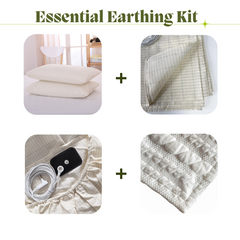
Traveling or starting from scratch? An Essential Grounding Starter Kit simplifies setup with the cables and testers you need to get connected quickly. Used thoughtfully and consistently, grounding can be a low-effort, at-home tool to support earthing for better sleep alongside other evidence-informed behaviors.
Simple Grounding Practices at Home
Grounding is a practical at‑home approach you can layer into your routine alongside other natural remedies for insomnia. The goal is simple: maintain gentle skin contact with a grounded surface to potentially calm the nervous system, support circadian balance, and help you improve sleep naturally. While research is still emerging, many people report falling asleep faster and waking less often when they make grounding part of their nightly rhythm.
An easy place to start is nighttime earthing for better sleep with a fitted grounding bedsheet or bed mat:
- Verify the wall outlet is properly grounded using the included outlet/continuity tester.
- Connect the cord to the sheet or mat and plug into the ground port (the round hole) only.
- Ensure bare skin contact. Common options: calves, thighs, or feet touching the sheet; or place a bed mat near the calves.
- Use natural-fiber bedding (cotton/linen) above you. Avoid thick synthetic mattress toppers between your skin and the grounded surface.
- Wash the sheet as you would cotton; avoid fabric softeners that can leave insulating residues.
If a full-night setup feels like a big change, create a grounded wind‑down routine first. Spend 20–30 minutes before bed reading, stretching, or journaling while your feet or calves rest on a grounded mat. Pair it with a simple breathing practice to reduce stress for sleep:
- Box breathing: inhale 4, hold 4, exhale 4, hold 4, for 5–10 minutes.
- 4‑7‑8 breathing: inhale 4, hold 7, exhale 8, for 4–8 cycles.
- Progressive muscle relaxation from toes upward.
Daytime “micro‑doses” help build consistency. Keep a grounding mat under your desk so your bare feet or forearms contact it during email, meditation, or a mid‑afternoon break. Many users find that daytime sessions make nighttime relaxation easier and may extend grounding benefits for restless sleep into the evening.
When weather allows, step outside for 10 minutes of barefoot contact on grass, soil, or unsealed stone in the morning. Combining natural light exposure with gentle movement (like a short walk) supports circadian timing and can complement your indoor setup.
Tips and safety:
- Consistency matters more than marathon sessions; aim for daily contact.
- Route cords safely; keep liquids away from connections.
- Use only properly grounded outlets; unplug during electrical storms.
- If you use implanted medical devices or have specific health concerns, consult your clinician before starting.
Track what changes. Note bedtime, time‑to‑sleep, awakenings, and morning energy for two weeks. Adjust your routine, then reassess. Grounding fits well with holistic sleep solutions like a cool, dark bedroom, a regular sleep/wake schedule, and a caffeine cutoff—an approachable way to improve sleep naturally without adding more to your to‑do list.
Choosing Quality Grounding Products
Grounding tools vary widely in quality, and the right choice can make a meaningful difference if you’re exploring natural remedies for insomnia. Focus on materials, safety, comfort, and verification so you can improve sleep naturally without guesswork.
Prioritize proven conductive materials
- Look for fabric sheets woven with silver fibers (often 8–15% silver) blended into cotton. The silver provides consistent conductivity across the sleep surface.
- For mats, seek carbon-infused rubber or polyurethane with a uniform conductive layer. Avoid paints or coatings that can flake and lose conductivity.
- Ask for surface resistance specs (typically in the 10^3–10^5 ohms range) and continuity testing documentation.
Ensure a safe path to ground
- Verify your wall outlet is actually grounded with a simple outlet tester before use. If it isn’t, consider a dedicated grounding rod kit rather than adapters.
- Choose cords with built-in safety resistors (commonly 100k–1M ohm) and ground-only plugs. Grounding products are not “powered” and should connect only to the earth pin.
- If you have a pacemaker or serious cardiac condition, consult your clinician before beginning any grounding regimen.
Match the form factor to your sleep habits
- Fitted grounding bedsheets are ideal if you prefer a traditional sheet feel and full-body contact.
- Bed mats work well for targeted contact under calves, shoulders, or torso. Side sleepers often place a mat where their legs or hips rest most of the night.
- For shared beds, consider a larger fitted sheet or two mats so both sleepers receive contact.
- For best results, maintain direct skin contact. If you use a layer, keep it thin and natural (e.g., a lightweight cotton top sheet), as thicker synthetics can insulate.
Check comfort and durability details

- Choose breathable, OEKO-TEX or similar certified textiles for skin contact. A 300+ thread count cotton blend with silver fiber balances softness and conductivity.
- Look for replaceable cords and sturdy snap connectors; these components see the most wear.
- Review wash instructions for silver fabrics: use mild detergents, avoid bleach and fabric softeners, and wash regularly to remove body oils that can impede conductivity.
Simplify setup and verification
- Starter kits that include a fitted sheet or mat, grounding cord, outlet checker, and clear instructions reduce setup errors. Terra Therapy’s Essential Grounding Starter Kits are an example.
- To confirm function, use a continuity tester or a body voltage meter to observe voltage reduction when you make contact—an objective way to assess earthing for better sleep.
Evaluate support and transparency
- Favor brands that publish test results, safety standards (e.g., RoHS/REACH compliance), and offer responsive customer support and warranties.
Selecting well-made grounding products can be a practical part of holistic sleep solutions. By emphasizing safe design, verifiable conductivity, and comfortable materials, you position grounding benefits for restless sleep alongside other strategies to reduce stress for sleep—without overpromising, and with tools built to last.
Embracing a Holistic Sleep Strategy
Lasting change comes from stacking small, evidence-informed habits that work together. Natural remedies for insomnia are most effective when you align your body clock, calm your nervous system, and create a sleep-conducive environment—then add practices like earthing for better sleep to enhance relaxation.
Anchor your circadian rhythm:
- Get 10–30 minutes of outdoor morning light within an hour of waking, even on cloudy days.
- Keep a consistent wake time, including weekends.
- Move your body most days; finish vigorous exercise at least 3 hours before bed. If you nap, keep it to 20–30 minutes before mid-afternoon.
Build a calming evening routine:
- Dim household lights 1–2 hours before bed; reduce screens or use warm/low-blue settings.
- Try a wind-down ritual: gentle stretching, reading, or 5–10 minutes of slow breathing (for example, 4‑second inhale, 6‑second exhale) to reduce stress for sleep.
- A warm shower 60–90 minutes before bedtime can help your core temperature drop, signaling sleepiness.
Optimize your bedroom:
- Cool the room to 60–67°F (16–19°C), keep it as dark as possible, and consider white noise if sound is an issue.
- Reserve the bed for sleep and intimacy. If you’re awake more than ~20 minutes, get up and do a quiet activity until drowsy.
Support sleep with smart timing:
- Finish dinner 2–3 hours before bed; avoid heavy, spicy meals late at night.
- Caffeine can linger 8–10 hours, so set an early cutoff. Limit alcohol close to bedtime, as it fragments sleep.
Use cognitive tools that improve sleep naturally:
- Jot down a brief to-do list or “worry list” earlier in the evening to prevent rumination at lights-out.
- Consider basic CBT‑I strategies such as stimulus control and a consistent sleep window to retrain your sleep drive.
Add earthing to enhance relaxation:
- Emerging research and user reports suggest grounding may help normalize nighttime cortisol and reduce sensations associated with restless sleep, which can support sleep quality.
- Indoors, products that connect you to a grounded outlet or rod make earthing simple. Terra Therapy Fitted Grounding Bedsheets provide skin contact overnight; Grounding Bed Mats can be placed under the feet during your wind-down; Essential Grounding Starter Kits include what you need to get set up.
- Practical tips:
- Verify your outlet is properly grounded with a tester.
- Ensure direct skin contact with the conductive surface.
- Use the mat during evening relaxation for 20–30 minutes, then sleep on the grounded bedsheet to extend the effect.
Measure and adjust:
- Keep a two-week sleep diary noting bedtime, wake time, nighttime awakenings, and daytime energy. Use these observations to refine your holistic sleep solutions and personalize what works best for you.