


Introduction to Natural Recovery Technologies: Grounding and Infrared
From sleep troubles to post-workout soreness, many people are exploring non-pharmaceutical ways to feel better. Two options often considered are earthing (grounding) and infrared therapy, and an earthing and infrared therapy comparison starts with how each interacts with the body. While both are positioned as natural pain relief technology, they work through very different mechanisms, time commitments, and costs.
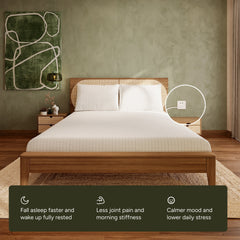
Earthing uses a conductive surface to connect your body to the Earth’s electrical charge, helping equalize the body’s voltage. In practice, that could mean sleeping on a fitted grounding bedsheet or resting your feet on a grounding mat while working. Early research and user reports suggest potential benefits of grounding mats include improving sleep with earthing, reduced stress, lower perceived pain, and faster recovery, with minimal lifestyle disruption. Safe use requires a properly grounded outlet or ground stake and adherence to manufacturer guidelines.
Infrared therapy delivers light and heat—via far-infrared saunas or near-infrared/red light panels—to increase circulation, support cellular energy, and relax muscles. Sessions typically run 10–40 minutes and may help with stiffness, delayed-onset muscle soreness, and mild joint pain, with growing but varied evidence across device types and protocols. Considerations include heat tolerance, space, and power needs; individuals with certain medical conditions or photosensitizing medications should consult a clinician.
Quick wellness device comparison for infrared vs grounding for recovery:
- Setup and space: Grounding sheets/mats are low-profile and bed- or desk-ready; infrared often requires dedicated space and ventilation.
- Time burden: Earthing works passively (e.g., all night); infrared is an active session several times per week.
- Operating costs: Earthing uses no power; infrared saunas and panels draw electricity and add heat to the room.
- Sensation and comfort: Earthing is neutral and non-heating; infrared delivers warmth or bright light, which some love and others find taxing.
- Use cases: Earthing suits all-day or overnight systemic support; infrared excels for targeted heat/light sessions and pre/post-activity recovery.
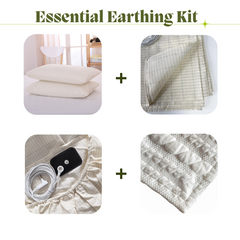
If your priority is daily consistency and sleep-focused recovery, earthing products are an accessible starting point. Terra Therapy offers fitted grounding bedsheets, grounding bed mats, and Essential Grounding Starter Kits that enable indoor earthing with minimal setup—an easy way to evaluate the benefits of grounding mats before committing to larger infrared equipment.
Understanding the Science Behind Earthing and Grounding Sheets
Grounding sheets are woven with conductive fibers (often silver or carbon) and connect to the Earth via a grounded outlet or a dedicated ground rod. When you lie on them, your body equalizes with Earth’s electric potential, allowing excess charge to dissipate and reducing AC-induced body voltage from nearby wiring. This is not EMF “shielding,” but rather a pathway that lowers your body’s induced voltage; in practice, a simple multimeter test often shows a drop from several volts to millivolts when grounded. Quality sheets include built-in resistors for safety and are designed for nightly, passive use.
What does the research say? Early pilot and randomized studies, while small, report trends toward improving sleep with earthing (shorter sleep-onset latency, better subjective sleep quality) and reduced pain or stress markers (such as shifts in cortisol rhythms). These findings are promising but preliminary, and larger, well-controlled trials are needed. Many users also report calmer nervous system tone and less morning stiffness—outcomes consistent with reduced sympathetic arousal and better recovery after day-to-day strain.
In an earthing and infrared therapy comparison, the mechanisms differ. Infrared provides photothermal and photobiomodulation effects—warming tissues, increasing circulation, and influencing mitochondrial activity—often felt as rapid relief during 20–40 minute sessions. Grounding, by contrast, is a low-intensity, long-duration input that you can maintain for 6–8 hours during sleep, potentially supporting autonomic balance and inflammation resolution over time. For infrared vs grounding for recovery, IR often shines for acute muscle tightness and post-workout soreness, while grounding may help with baseline stress load, sleep regulation, and steady-state discomfort.
Practically, the benefits of grounding mats and sheets tend to show up in everyday rhythms rather than dramatic single-session shifts. For example, office workers frequently exposed to indoor electric fields may notice fewer nighttime awakenings after several days of consistent grounding. Athletes sometimes pair IR sessions for targeted relief with nightly grounding to sustain recovery between workouts, a useful wellness device comparison when deciding on routine versus appointment-based modalities.
If you’re exploring natural pain relief technology with minimal upkeep, grounded bedding offers a simple entry point. Terra Therapy’s fitted grounding bedsheets, bed mats, and Essential Grounding Starter Kits are designed for safe indoor earthing/grounding, using durable conductive materials to maximize skin contact and comfort. For many wellness seekers, that combination of passive use, low ongoing cost, and whole-night exposure provides strong value alongside—rather than instead of—periodic infrared sessions.
Exploring the Mechanism of Far-Infrared and Ion Therapy
Far-infrared (FIR) therapy emits light in roughly the 3–100 µm range, with many consumer devices targeting 5–15 µm to gently warm tissues. The primary mechanism is thermal: heat increases peripheral circulation, promotes vasodilation, and can relax muscles and joints. This makes FIR a plausible natural pain relief technology for stiffness or post-exercise soreness, while also supporting relaxation through warmth and sweating. Unlike near-infrared photobiomodulation, FIR’s effects are largely heat-driven rather than light-absorptive at the mitochondrial level.
Ion therapy focuses on increasing airborne negative ions, which naturally occur near waterfalls or after storms, and can also be generated indoors. Small studies suggest high-density negative ions may modestly improve mood and alertness and can help aggregate airborne particles, indirectly improving air quality. Evidence on stress and anxiety is mixed, and devices must be vetted to avoid ozone production. Results depend on ion density, room size, and ventilation, so real-world outcomes can vary.

Grounding (earthing) works by conducting the Earth’s electrons to the body via a grounded surface, equalizing electrical potential and reducing induced AC electric fields from indoor wiring. Research is preliminary but reports include improvements in sleep quality, shifts toward a healthier cortisol rhythm, reduced delayed-onset muscle soreness, and perceived pain relief in some participants. The mechanism is often described as anti-static and antioxidant in nature, though more rigorous trials are needed. In practice, a grounded bedsheet used overnight delivers continuous exposure that may support improving sleep with earthing.
For a practical earthing and infrared therapy comparison, consider this wellness device comparison:
- Primary action: FIR = thermal vasodilation and muscle relaxation; Grounding = electrical potential equalization and reduced body voltage.
- Use case: Infrared vs grounding for recovery depends on goals—FIR for heat-mediated relief and flexibility; grounding for all-night, passive support targeting sleep, stress, and everyday inflammation.
- Time/comfort: FIR requires dedicated heated sessions; grounding mats or sheets work passively during sleep or desk time.
- Constraints: FIR heat may not suit heat-sensitive users; grounding requires a proper outlet ground or grounding rod and simple continuity checks.
For daily, low-effort benefits of grounding mats, Terra Therapy offers fitted grounding bedsheets, bed mats, and Essential Grounding Starter Kits that make indoor earthing simple and consistent. Many wellness seekers use these products to enhance rest and complement sauna or FIR sessions without adding time to their routine. If budget matters, grounding gear is typically lower cost and maintenance than full infrared set-ups, making it a pragmatic first step toward recovery and resilience. As always, consult a healthcare professional if you have medical conditions or are using implanted electronic devices.
Health Benefits Comparison: Sleep, Stress, and Pain Management
When it comes to an earthing and infrared therapy comparison, the two modalities support wellness through very different mechanisms. Grounding mats and bedsheets connect you to the Earth’s electrical potential, which may help balance the autonomic nervous system, while infrared devices deliver heat or light to tissues to promote circulation and relaxation. For sleep, stress, and pain, the choice often comes down to when and how you plan to use the tool, your sensitivity to heat, and the kind of symptoms you’re targeting.
For sleep, improving sleep with earthing is appealing because it works passively overnight. Small studies and user reports suggest grounding may normalize diurnal cortisol patterns and enhance heart-rate variability, both linked to deeper sleep and fewer nighttime awakenings. By contrast, infrared therapy can aid pre-sleep relaxation by loosening tight muscles and lowering perceived stress, but evening timing matters—some people find late sessions stimulating, making midday or early evening use a better fit.
Stress reduction overlaps with sleep benefits. Grounding has been associated with shifts toward parasympathetic (rest-and-digest) dominance and calmer skin conductance, which many users interpret as feeling “decompressed” after long, screen-heavy days. Infrared sessions can also ease stress via warmth-induced muscle relaxation and endorphin release, making them a good reset after intense exercise or prolonged sitting.
For pain, both qualify as natural pain relief technology, but they shine in different scenarios. Infrared is well known for localized relief—soothing stiff joints, tight traps, or a cranky lower back by improving blood flow and reducing muscle guarding. Preliminary earthing research points to reduced exercise-induced muscle soreness and lower perceived pain, which may stem from modulating inflammation and improving recovery across the whole body.
If you’re weighing value in this wellness device comparison, consider practicality and cost of ownership alongside outcomes:
- Grounding: low effort (works while you sleep), energy-free, typically lower upfront cost; ideal for daily, whole-body support.
- Infrared: time-bound sessions (20–40 minutes), uses power, higher cost; ideal for targeted, heat-responsive pain and post-workout recovery.
- Infrared vs grounding for recovery: infrared excels immediately post-exertion; grounding supports overnight restoration and calmer mornings.
- Safety: consult a clinician if you’re heat sensitive or have cardiovascular concerns (infrared), or if you use implanted medical devices (either modality).
For an easy on-ramp, Terra Therapy’s fitted grounding bedsheets and bed mats enable indoor earthing every night with minimal routine change. Many wellness seekers start with an Essential Grounding Starter Kit for sleep and stress, then add infrared later for spot pain when needed.
Portability and Ease of Use in Daily Wellness Routines
In an earthing and infrared therapy comparison focused on portability and ease, grounding mats and sheets generally integrate into daily life with fewer steps. They require no warm-up, make no noise, and can be used passively while you sleep or work. Infrared devices, by contrast, often demand scheduled sessions, dedicated space, and attention to temperature and timing.
Grounding products such as fitted bedsheets or bed mats connect to a grounded outlet or an outdoor grounding rod, then work simply by maintaining skin contact. This makes improving sleep with earthing straightforward—set it up once and benefit for hours overnight without changing your routine. Many wellness seekers appreciate that they can also place a mat under a desk to support consistent use during the workday.
Infrared therapy comes in many forms—portable red/near-infrared wraps, full-body mats, and sauna tents. Smaller wraps are travel-friendly but still require 15–30 minute sessions and battery charging; larger mats and sauna tents are bulkier, need floor or room space, and may involve heat-up and cool-down periods. For apartment living or shared households, the need for privacy, heat tolerance, and time blocks can be limiting.

Travel is another practical divider in this wellness device comparison. A grounding sheet or compact mat folds into a carry-on; the main requirement is a properly grounded outlet, which you can verify with a simple outlet tester. Portable infrared devices can travel, but using them discreetly in hotels or between meetings is less seamless than passively resting on a grounding surface.
Common daily-use scenarios highlight the benefits of grounding mats:
- Overnight use for consistent contact without altering bedtime habits
- Under-desk support during long screen sessions
- Recovery while reading, meditating, or watching TV—no session timer needed
- Light, packable option for trips, co-working spaces, or RVs
Maintenance and setup also favor grounding gear. Grounding sheets launder like regular bedding (following care instructions), and mats wipe clean; once connected, there’s little to manage. Infrared devices may require preheating, session timing, hydration planning, and post-session cool-down, which adds steps to busy days.
For portability and everyday ease, infrared vs grounding for recovery tilts toward grounding for most users who want set-it-and-forget-it consistency. Terra Therapy’s Fitted Grounding Bedsheets, Grounding Bed Mats, and Essential Grounding Starter Kits are designed to make indoor earthing simple, helping you explore natural pain relief technology and the benefits of grounding mats without reworking your schedule.
Cost-Effectiveness and Long-Term Value for Home Healing
When weighing an earthing and infrared therapy comparison for home use, total cost of ownership matters more than sticker price. Consider how often you’ll use the device, energy consumption, maintenance, and the number of “contact hours” you realistically get each week. The best value is often the option you can use consistently without extra scheduling or ongoing fees.
Grounding mats and fitted bedsheets typically range from about $60–$200 and require no electricity. Because you can sleep on them nightly, you can log 40–60+ contact hours per week with virtually zero incremental cost, making the cost per hour extremely low. Maintenance is minimal—wash a sheet with gentle detergent or wipe down a mat—and with normal care, conductive fabrics can last several years. For many wellness seekers focused on improving sleep with earthing and reducing everyday stress, passive overnight use is a strong value driver.
Infrared therapy devices vary widely in price and operating costs. Handheld or mid-size panels often run $150–$800, full‑body panels $800–$2,500, and portable saunas $500–$1,500, while cabin units can exceed $2,500. Electricity draw can range from roughly 150–1,000W for panels over 10–20 minutes to 1.5–3kW for saunas over 30–45 minutes (plus preheat), which adds small but real ongoing costs. Studio sessions typically cost $40–$80 each, so regular use adds up quickly compared with a one‑time purchase.
Your goals shape value. If you want natural pain relief technology for localized soreness or short, targeted recovery sessions, infrared’s heat and light can be compelling—especially post‑workout. If your priority is all‑night nervous system calm and daily baseline recovery, the benefits of grounding mats and sheets come from effortless, long-duration contact, which many users find supports sleep quality and stress management. For athletes, infrared vs grounding for recovery may not be either/or: daily earthing for baseline, infrared periodically for intensive sessions.
For a quick wellness device comparison, look at these drivers:
- Upfront cost: grounding mats/sheets lower; full‑body infrared higher.
- Ongoing costs: grounding near-zero; infrared uses electricity or studio fees.
- Time investment: grounding is passive; infrared requires scheduled sessions.
- Contact hours: grounding offers nightly, sustained exposure; infrared is short, targeted.
If you’re budget-conscious or new to at‑home modalities, starting with a grounding setup often delivers the most contact hours per dollar. Terra Therapy’s fitted Grounding Bedsheets, Bed Mats, and Essential Grounding Starter Kits make it simple to add daily earthing without changing your routine, and you can layer infrared later if you want more intensive, session-based recovery.
Choosing the Right Wellness Investment for Your Lifestyle
In this earthing and infrared therapy comparison, the best choice comes down to how you prefer to invest your time, money, and daily energy. As a wellness device comparison, both approaches are non-pharmaceutical and aim to support recovery and resilience, but they differ in how and when you use them. Think in terms of consistency, convenience, and what you’ll realistically keep up with week after week.
Cost and access often tip the scales. Infrared therapy can require dedicated space, reliable electricity, and higher upfront costs for saunas or panels, plus ongoing power use; studio sessions add recurring fees. Grounding mats and sheets are typically more affordable, low-maintenance, and require only a grounded outlet. Terra Therapy’s Essential Grounding Starter Kits, fitted bedsheets, and bed mats offer an accessible way to try earthing at home without overhauling your routine.

If your goal is improving sleep with earthing, passive overnight use is a key advantage. A fitted grounding bedsheet works while you rest, supporting consistent contact during your longest recovery window. For a busy parent, shift worker, or anyone who struggles to carve out session time, this “set-and-sleep” model can be easier to sustain than scheduled infrared sessions.
For soreness and training recovery, infrared vs grounding for recovery comes down to preference and response. Infrared’s gentle heat can feel soothing and is commonly used post-workout to support circulation and comfort, with a growing evidence base for reducing delayed onset muscle soreness. Grounding mats are used by some for the perceived benefits of grounding mats such as reduced tension and calm; early studies and many user reports suggest help with stress and discomfort, though research is still emerging.
Use these practical filters to choose your path with confidence:
- Choose grounding mats if you want passive, all-night use; have limited time; are heat-sensitive; or want a lower-cost, low-maintenance starting point you can travel with or use at a desk.
- Choose infrared therapy if you enjoy therapeutic heat; can commit 20–40 minutes per session several times a week; have space for equipment; or want targeted, session-based relief after workouts.
If earthing aligns with your lifestyle, Terra Therapy provides fitted Grounding Bedsheets, Grounding Bed Mats, and Starter Kits designed for seamless daily use. These options make it simple to incorporate indoor earthing into sleep and relaxation routines, helping you explore natural pain relief technology and everyday stress support without overcomplicating your wellness plan. As with any modality, consult a healthcare professional if you have medical conditions, are pregnant, or use implanted devices.
Conclusion: Finding the Balance Between Earth and Energy
In an earthing and infrared therapy comparison, the two modalities emerge as complementary rather than competitive. Grounding mats and bedsheets connect you to the Earth’s electric potential for a low-effort, daily practice that may calm the nervous system and support sleep-wake rhythms. Infrared therapy, by contrast, uses light and heat (near- to far-infrared) to warm tissues, increase local circulation, and support cellular energy, making it useful for targeted recovery.
From a value standpoint, grounding is accessible and low-maintenance. Quality grounding mats and fitted sheets typically range from about $80–$250, require no ongoing power, and can be used passively for hours during sleep or desk work. Infrared options range widely—$150–$600 for home pads and panels, and $1,000–$5,000+ for full saunas—plus electricity and dedicated session time (15–40 minutes). If you’re budget-conscious or time-limited, the all-day, low-friction nature of grounding offers strong day-to-day utility.
The benefits of grounding mats often center on improving sleep with earthing and easing perceived stress. For example, placing a grounding bed mat under a workstation for long desk days or using a fitted sheet nightly provides continuous, gentle input that some users find calming. Small studies and many user reports suggest potential help with natural pain relief technology by reducing discomfort associated with inflammation or tension, though results vary by individual.
Infrared vs grounding for recovery tilts toward infrared when you want targeted muscle and joint relief, a warm-up before mobility work, or post-exercise relaxation. Athletes and active individuals often appreciate the soothing heat for delayed-onset muscle soreness and stiffness. Those who are heat-sensitive, pregnant, have certain cardiovascular conditions, or use photosensitizing medications should consult a clinician before infrared sessions.
Use this quick wellness device comparison to guide next steps:
- Choose grounding if you want an all-day, low-cost habit for sleep, stress, and baseline recovery.
- Choose infrared if you need session-based, heat-driven relief for muscles/joints or circulation support.
- Combine both when you want daily grounding plus 2–4 infrared sessions per week for training blocks or acute flare-ups.
For a straightforward start, Terra Therapy’s fitted Grounding Bedsheets and Essential Grounding Starter Kits make indoor earthing simple—test your outlet, connect the cord, and sleep as usual. Their grounding bed mats are a versatile option under your desk or at the foot of the bed, adding consistent contact without changing your routine. Layering grounding as a foundation, you can then add occasional infrared sessions at a studio or with a home device to address specific recovery needs.
The best value balances consistency with specificity. Begin with a daily grounding setup, track outcomes like sleep quality, morning energy, pain scores, or HRV, and add infrared as your goals or training load demand. Revisit this plan every few weeks to keep your earth-and-energy strategy aligned with your wellness priorities.