


Introduction to Grounding Technologies and Modern Wellness Solutions
Modern grounding technologies fall into two distinct camps: passive earthing products that connect your body to the Earth’s electrical potential, and powered wellness devices that use heat or pulsed fields to promote relaxation. This matters for any grounding mat value comparison, because mechanism drives both outcomes and cost. Brands like Earthing and Terra Therapy offer passive, conductive mats and sheets, while HealthyLine is best known for heated gemstone mats with far-infrared (FIR) and optional PEMF functions.
Passive earthing solutions use a conductive surface (often carbon or silver fibers) and a grounded cord with a built-in safety resistor to reference Earth ground through a properly wired outlet. The key indoor earthing benefits are simplicity and continuous use: under your desk during the day or on the bed at night. Users can verify effect by measuring body voltage drop with a multimeter or a dedicated tester, making these practical sleep quality improvement products for people who prefer set-and-forget wellness habits.
Powered mats like HealthyLine provide FIR warmth via gemstones (e.g., amethyst, tourmaline) and may layer PEMF programs for session-based relaxation. These are not the same as being electrically grounded; they are a different category of wellness technology benefits that can feel soothing, especially for targeted, time-limited use. They require electricity, temperature controls, and session management, and their value often hinges on how much you’ll use the heat/PEMF features versus seeking ongoing, passive contact with Earth potential.
When weighing natural pain relief solutions and long-term results, compare by function, not just brand name. A concise framework for a grounding mat value comparison includes:
- Mechanism and measurability: passive earthing should lower body AC voltage; powered mats provide heat/PEMF sessions you can track by comfort, HRV, or sleep logs.
- Use pattern: all-night, low-effort grounding vs. 20–60 minute heated or PEMF sessions.
- Total cost of ownership: purchase price, electricity use (powered mats), replacement parts (cords, snap connections), and expected lifespan of conductive fabrics.
- Safety and materials: outlet-ground verification, in-line resistors, low-EMF design, and credible testing.
- Fit and versatility: under-desk or bed coverage, portability for travel, and how it integrates into your daily routine.
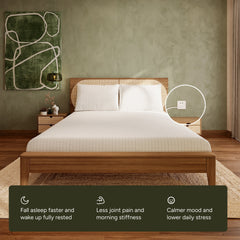
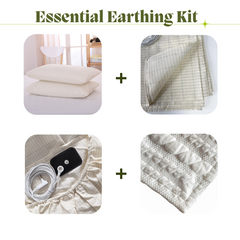
For customers prioritizing simple, indoor earthing benefits—especially overnight—Terra Therapy offers fitted grounding bedsheets, bed mats, and Essential Grounding Starter Kits designed for easy setup and measurable results. Many wellness seekers choose these as a practical health product investment to support better rest and everyday calm, while using trackers or a body voltage meter to gauge changes. If you’re comparing HealthyLine vs. Earthing-style products, start by deciding whether you want continuous, passive grounding during sleep or scheduled, powered sessions—and match your purchase to that goal.
Understanding the Technology: How Different Grounding Systems Work
When comparing HealthyLine and Earthing systems, you’re really looking at two different categories of wellness technology. Earthing-style products (including Terra Therapy’s fitted grounding bedsheets and desk or bed mats) are passive systems designed to connect your body to the earth’s electrical potential indoors. HealthyLine mats are active, powered devices that combine far infrared heat, PEMF (pulsed electromagnetic field), and negative ion emission—technologies that aim to stimulate or soothe tissues through externally generated signals.
Passive grounding works through conductive materials (often silver or carbon fibers) connected to a grounded outlet or grounding rod via a cord with an inline safety resistor. This setup equalizes your body’s electrical potential with the earth, which can reduce ambient AC electric field exposure around you. Practically, that means you can experience indoor earthing benefits while sleeping or working—two contexts where consistency matters for sleep quality improvement products. A simple multimeter body-voltage test typically shows a measurable drop when properly grounded.
Active HealthyLine mats generate therapeutic inputs rather than connecting you to ground. Embedded heating elements warm natural stones (such as jade or tourmaline) to produce far infrared heat, while a PEMF coil emits low-frequency magnetic pulses at selectable intensities and frequencies. Sessions often run 20–60 minutes, making these devices more like at-home therapy sessions for targeted comfort. They require power, have controllers, and involve more settings to manage.
From a grounding mat value comparison standpoint, consider how the mechanism aligns with your goals:

- Mechanism-to-outcome fit: For round-the-clock, low-effort indoor earthing benefits and sleep support, a conductive bedsheet or bed mat aligns directly with use. For time-bound relaxation or localized soreness, an active mat’s heat and PEMF may fit better as natural pain relief solutions.
- Safety and usage: Grounding sheets include resistors and should be used with a tested grounded outlet. PEMF and heated devices may have contraindications (e.g., pregnancy, implanted electronics) and require supervision of temperature and duration.
- Maintenance and durability: Grounding sheets are washable and lightweight; cords are replaceable. Active mats are heavier, wipe-clean, and have electronics that may entail repairs outside warranty.
- Total cost of ownership: Passive grounding typically has no ongoing electricity cost and supports overnight use. Active mats consume power and are generally a higher health product investment upfront.
If your priority is effortless, nightly contact with the earth’s potential for calmer nights and steadier energy, Terra Therapy’s fitted grounding bedsheets and Essential Grounding Starter Kits offer a straightforward, low-maintenance path. For those seeking multi-modality wellness technology benefits during focused sessions, HealthyLine’s powered approach may complement a passive grounding routine rather than replace it.
Initial Investment Breakdown: Comparing Entry-Level and Premium Pricing
A practical grounding mat value comparison starts with recognizing that HealthyLine and Earthing sell fundamentally different categories. HealthyLine’s mats package multiple wellness technology benefits—far infrared heat, PEMF, and negative ions—while Earthing focuses on passive, conductive grounding contact. That difference shows up at checkout: multi‑modality devices are capital equipment; passive grounding kits are lower-cost wear-and-sleep accessories designed for daily indoor earthing benefits.
For entry-level options, HealthyLine’s compact travel or chair mats typically start in the low hundreds, often around the $300–$700 range depending on size and features. By contrast, beginner Earthing mat kits that include a conductive mat, cord, and outlet checker frequently land near $80–$130, and basic fitted grounding sheets commonly fall around $150–$250. Terra Therapy’s Essential Grounding Starter Kits are priced competitively within the low-hundreds, making them accessible for first-time buyers who want sleep quality improvement products without a steep upfront spend.
At the premium tier, HealthyLine’s full-body mats that combine far infrared and PEMF can run from roughly $1,000 to over $2,000, especially for larger “Pro” configurations. Earthing’s higher-end options—such as full-bed coverage sheets or multi-room bundles—generally remain in the low-to-mid hundreds. Terra Therapy’s fitted grounding bedsheets and bed mats are similarly positioned for whole-night, whole-body contact at a fraction of the cost of heated or PEMF devices, which can be advantageous if your primary goal is natural pain relief solutions and better rest.
Beyond sticker price, factor in total cost of ownership and usage patterns:
- Power and upkeep: HealthyLine devices use electricity (ongoing, though modest), have controllers, and may require more cautious placement and storage; shipping/returns can be costlier due to weight.
- Accessories: Earthing-style products are passive, typically only needing an outlet tester and occasional replacement cords or adapters, which are inexpensive.
- Care: Grounding sheets with conductive fibers last longer with specific laundry practices (no bleach/softeners; gentle cycles), a minor but real maintenance consideration.
- Coverage time: Passive grounding is designed for hours-long nightly use; multi-modality mats are often used in shorter sessions, affecting perceived value per hour.
If you’re investing primarily for daily indoor earthing benefits—sleep, stress reduction, and broad wellness—passive kits from brands like Terra Therapy offer a budget-conscious health product investment with high time-on-body value. If you want targeted session-based modalities (infrared heat or PEMF) layered onto grounding, HealthyLine’s higher upfront price may be justified. Matching the tool to your top outcomes ensures you pay for benefits you’ll actually use.
Long-Term Value Assessment: Durability and Maintenance Requirements
When weighing long-term value, it helps to separate passive grounding products (like Earthing-brand sheets and mats) from powered systems (like HealthyLine’s heated/PEMF mats). This grounding mat value comparison pivots on materials, electronics, and daily upkeep—factors that drive durability, hidden costs, and overall usability over years of use.
Passive grounded textiles rely on conductive fibers (often silver) and simple cords that connect to a wall ground. With proper care—cold-water washes, gentle detergent, no bleach or fabric softener, and air drying—conductivity can remain stable, though abrasion, body oils, and harsh detergents gradually reduce performance. Grounding mats made from carbon-infused rubber or polyurethane are more resistant to laundering concerns and typically hold up well under desk or bedside use; high foot traffic can still abrade the surface over time. Replacement cords and snap connectors are low-cost wear items, and conductivity can be checked periodically with a simple tester for peace of mind.
Powered systems like HealthyLine introduce wellness technology benefits (FIR heat, PEMF) with multi-layer builds that include heating wires, coils, and control units. Exterior materials are often rugged, but thermal cycling and electronics add failure points and require careful handling: keep dry, avoid sharp folds, allow full cooldown, and wipe clean with a slightly damp cloth. Ongoing electricity use raises operating costs, which scale with temperature settings and session length; in contrast, passive indoor earthing benefits do not consume power. If a controller or cable fails, replacement is typically pricier than swapping a grounding cord.

Total cost-of-ownership considerations:
- Upfront price: powered mats usually cost more than grounded sheets or basic mats.
- Operating expense: electricity for heat/PEMF vs. no power draw for passive earthing.
- Maintenance: laundering grounded sheets vs. surface cleaning powered mats; risk is textile wear vs. electronics fatigue.
- Parts and service: inexpensive replacement cords/snaps vs. higher-cost controllers and potential service downtime.
- Warranty and lifespan: review brand policies closely; electronics often have different coverage than textiles.
- Performance checks: a continuity/ground tester helps verify function and avoid premature replacements.
If your priority is sleep quality improvement products and natural pain relief solutions with predictable upkeep, passive grounded options deliver durable, low-maintenance value. Terra Therapy’s Fitted Grounding Bedsheets, Grounding Bed Mats, and Essential Grounding Starter Kits include clear care guidance and replaceable components, making them a confident health product investment for reliable indoor earthing benefits. For users seeking heat or PEMF, factor in energy use, controller care, and potential service costs to understand the true long-term value.
Key Features and Health Benefits Impacting Consumer Choice
When making a grounding mat value comparison, the biggest split is between powered, multi-technology devices and passive, direct-to-earth systems. HealthyLine leans into wellness technology benefits like heating and PEMF, while Earthing focuses on simple conductive contact with the ground. Terra Therapy aligns with the latter, emphasizing everyday, indoor earthing benefits through sleep-friendly designs that maximize contact time.
- HealthyLine: Far-infrared heating, PEMF, and gemstone layers designed for session-based use (e.g., 20–60 minutes), with adjustable controllers and temperature settings.
- Earthing (brand): Conductive mats and sheets that connect to a grounded outlet or grounding rod; no active electronics or heat, intended for ongoing contact during work or sleep.
- Terra Therapy: Fitted grounding bedsheets, grounding bed mats, and essential grounding starter kits that enable passive, all-night contact with minimal setup, ideal as sleep quality improvement products.
The potential health effects also differ. Heating can temporarily ease muscle tension and support relaxation, which some users associate with natural pain relief solutions and faster recovery—though benefits typically occur during or shortly after sessions. Passive grounding has been associated in small studies and user reports with improved sleep quality, lower perceived stress, and calmer mood; the mechanism proposed is balancing electrical potential with the Earth, but evidence is still emerging and varies by individual.
Practical use matters. A HealthyLine mat is well-suited for time-bound wellness sessions—like a post-workout heat routine—where intentional, supervised use is feasible. Earthing-style solutions from Earthing or Terra Therapy excel at passive integration: a fitted sheet maintains contact throughout the night, and a desk mat lets you earth while typing, providing convenient indoor earthing benefits without altering your routine.
Cost and upkeep influence value. Multi-tech heating/PEMF mats generally cost more and consume electricity, which can make sense if you want targeted, on-demand heat. Conductive sheets and mats are typically lower upfront, require no power, and deliver many more contact hours per dollar—though conductive fabrics may need periodic replacement to maintain performance. For a balanced health product investment focused on sleep and stress support, Terra Therapy’s fitted bedsheets and bed mats offer a straightforward, budget-conscious path; for targeted heat therapy sessions, HealthyLine delivers advanced features at a premium.
Finding the Right Fit for Your Lifestyle and Wellness Goals
Choosing between HealthyLine’s technology-driven mats and simpler Earthing-style solutions comes down to how you want to feel better, where you spend your time, and how you’ll actually use the product day to day. In a grounding mat value comparison, think about whether you prefer passive, around-the-clock contact with the Earth’s charge, or scheduled sessions that add modalities like far infrared heat or PEMF. Both paths can fit a wellness routine, but the best value is the one you’ll use consistently.
If your primary goal is deeper, more consistent rest, sleep quality improvement products that work while you sleep often deliver the most practical wins. Fitted Grounding Bedsheets and Bed Mats from Terra Therapy provide indoor earthing benefits through continuous skin contact at night, without timers or setup. Many users favor this passive approach because it aligns with daily habits and requires virtually no extra time.
For targeted relief and versatility, HealthyLine’s mats layer wellness technology benefits—heat, far infrared, negative ions, and sometimes PEMF—on top of grounding. These can be helpful for localized discomfort and structured recovery sessions, especially after workouts or long desk days. The trade-off is a more active routine: you’ll need a dedicated block of time, an outlet, and comfort with adjustable settings.

Lifestyle and space also matter. If you share a bed, travel frequently, or live in a small apartment, a low-profile sheet or bed mat is easier to integrate and pack. Tech-enabled mats are better suited to a dedicated corner where heat and session-based use won’t be interrupted. Consider pets, kids, and cleaning too—washable bedding tends to be simpler than caring for a heated device.
Quick guide to matching goals with products:
- Prioritize nightly rest, minimal maintenance, and indoor earthing benefits: Terra Therapy Fitted Grounding Bedsheets or Bed Mats.
- Want session-based, tech-assisted natural pain relief solutions and targeted support: HealthyLine mats with far infrared/PEMF.
- New to grounding or unsure about routine fit: an Essential Grounding Starter Kit from Terra Therapy offers a low-friction entry point.
Finally, weigh your health product investment over months of use. Premium, multi-modal mats command a higher upfront cost and draw power; bedding-based grounding is typically lower cost, passive, and usable every night. Terra Therapy’s sheets, bed mats, and starter kits make it easy to test grounding in your real life first, then add advanced technology later if you find you want more targeted sessions.
Conclusion: Making an Informed Decision for Your Health Journey
Choosing between a multi-modality heated mat and a passive earthing system comes down to what you expect from your health product investment. In a grounding mat value comparison, HealthyLine’s heated gemstone mats deliver session-based wellness technology benefits (FIR heat, PEMF, occasional red light/ions) at a higher upfront cost and ongoing electricity use. Earthing-style products focus on continuous, passive contact with the Earth’s potential—especially overnight—prioritizing simplicity, low maintenance, and day-to-day consistency.
Think in terms of time-on-body and total cost of ownership. A 30-minute heated session a few times per week offers targeted relief and ritual-like use, while a grounded bedsheet can provide 6–8 hours of nightly contact, effectively multiplying exposure without adding time to your routine. Passive systems have minimal operating costs, fewer parts, and work while you sleep; powered systems add utility draw, temperature management, and more components to maintain.
Evidence and outcomes also differ. Heat and PEMF are frequently used for comfort, relaxation, and perceived natural pain relief solutions; many users report short-term easing of muscle tension and stress. Earthing research is early but suggests potential indoor earthing benefits such as improved sleep quality markers, lower perceived stress, and shifts in morning cortisol rhythms, with stronger anecdotal support in sleep quality improvement products used overnight. As with any wellness tool, individual response varies, so track results with a sleep app, HRV, or a simple symptom journal.
Use these guidelines to match fit and value to your goals:
- Prefer effortless, long-duration use and low upkeep: choose grounded bedsheets or bed mats you can sleep on nightly.
- Want targeted warmth, timed sessions, and a “spa-like” experience: choose a multi-modality heated mat.
- Sharing a bed or optimizing for partners: fitted sheets cover the whole sleep surface with no queueing.
- Traveling or multi-room use: look for compact mats and quick-setup kits.
- Budget sensitivity: consider cost per hour of use over 3–12 months, not just sticker price.
If you’re leaning toward passive, indoor earthing, Terra Therapy offers a practical entry point with fitted Grounding Bedsheets, Bed Mats, and Essential Grounding Starter Kits designed for nightly, set-and-forget use. These options align well with wellness seekers who value consistent routines, minimal complexity, and a balanced cost-to-benefit profile. Start with a bed mat or fitted sheet, measure your sleep and stress trends for a few weeks, and then decide whether layering other modalities adds incremental value for you.