


Introduction: Understanding Your Body's Electrical System
Your body runs on bioelectricity. Neurons signal through ion exchanges, your heart beats via electrical conduction, and every cell maintains a membrane potential that guides function. Modern indoor life, with synthetic flooring and continual device use, can foster static buildup and expose you to changing electric fields that influence body voltage. To balance body electrical charge in practical, natural ways, many people explore earthing for health and other strategies that emphasize body electrical balance.
The Earth is a vast electron reservoir; when you make direct, conductive contact, your potential equalizes—much like discharging static when you touch a doorknob. Grounding can be measured: a simple body-voltage meter often shows a drop from several volts to near zero when you’re connected to ground. Early studies and pilot trials report grounding benefits such as improved sleep quality, calmer nighttime cortisol patterns, and reduced perceived pain, though larger, controlled research is still needed. The working idea is to reduce excess charge and support steadier neuroelectric signaling.
If you want to reconnect with earth energy, natural grounding techniques are easy to test in daily life:
- Walk barefoot on damp grass, soil, or sand; moisture boosts conductivity.
- Sit or lie on unsealed concrete outdoors; avoid asphalt and sealed surfaces.
- Garden with bare hands in moist soil, or wade/swim in natural waters when conditions are safe.
- Indoors, use properly designed conductive pathways to ground, such as certified mats or bedsheets connected to a verified ground.
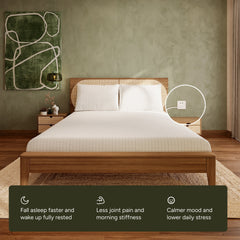
Consistency matters for outcomes like sleep and stress. For reliable, year-round access, Terra Therapy offers fitted grounding bedsheets, Grounding bed mats, and starter kits that enable gentle, prolonged contact while you rest or work. A bedsheet provides several hours of effortless nighttime earthing; a desk mat can keep you grounded during long computer sessions. Always follow safety guidelines—verify your outlet ground or use an approved grounding rod—and consult your healthcare provider if you have implanted medical devices. With a simple routine, you can systematically explore grounding’s potential and assess how it affects your sleep, stress, pain, and energy.
The Science Behind Electrical Charge in the Human Body
Your body runs on bioelectricity. Cells maintain voltage across their membranes using ions like sodium, potassium, calcium, and chloride, enabling nerve signaling, muscle contraction, and circadian regulation. Because tissues and fluids are conductive, your overall state of body electrical balance also reflects your voltage relative to the environment.
The Earth maintains an electrical potential close to zero. When you make direct conductive contact with ground, your body’s voltage rapidly equalizes, which can lower accumulated static charge and reduce coupling to ambient AC electric fields indoors. This is the basic physics behind “grounding” and a practical way to balance body electrical charge naturally.
What does this mean for health? Early peer-reviewed studies and small randomized trials report grounding benefits such as improved subjective sleep quality and reduced pain, along with measurable shifts like normalized nighttime cortisol rhythms, changes in heart-rate variability, and reduced body voltage during sleep. Some pilot research also notes changes in blood viscosity and inflammatory markers, though evidence remains preliminary and larger, well-controlled studies are needed. In short, earthing for health is plausible from a biophysical standpoint, with emerging—yet not definitive—human data.
Modern living can push the system off-kilter by increasing voltage build-up and limiting discharge opportunities:
- Insulated footwear and synthetic carpets reduce conductive contact with ground.
- Dry indoor air increases static accumulation.
- Extended exposure to strong indoor AC electric fields (near cords, ungrounded lamps, or devices) raises induced body voltage.
- Sedentary time on upper floors keeps you physically and electrically isolated from the Earth.
You can apply natural grounding techniques with simple habits: walk barefoot on moist grass, soil, or sand; swim in oceans or lakes; or touch grounded metal like a cold-water pipe. Indoors, conductive bedsheets and mats connected to a verified grounded outlet can help you reconnect with earth energy during work or sleep. Always confirm proper grounding with a tester and consult a professional if you use implanted medical devices.
For consistent, low-effort indoor options, Terra Therapy’s fitted grounding bedsheets and mats are designed to maintain skin contact overnight and reduce induced body voltage. If you’re new to this approach, their Grounding starter kits offer a practical way to get set up, understand safety, and track changes like sleep quality or body voltage over time.
How Modern Life Disrupts Natural Electrical Balance
Your body runs on bioelectricity: nerves signal through voltage changes, cells maintain ion gradients, and skin readily conducts charge. Historically, regular contact with soil, sand, or seawater helped balance body electrical charge by equalizing your potential with the Earth and dissipating excess static. Today, however, daily habits often sever that connection and introduce new electrical influences your biology didn’t evolve with.
Several common features of modern living can shift body electrical balance and make it harder to reconnect with earth energy in a meaningful way:

- Insulating barriers: Rubber-soled shoes, asphalt, sealed flooring, and high-rise living minimize direct ground contact, preventing simple discharge of static that would occur when barefoot on grass or beach.
- Synthetic materials and dry air: Polyester clothing and low indoor humidity increase triboelectric effects, so you accumulate more static during routine movement across carpets or car seats.
- EMF-dense environments: Electronics, Wi‑Fi, and power systems create electric fields; while health effects are debated, these fields can induce small currents and alter skin surface charge. Constant proximity means your baseline exposure is far higher than in natural settings.
- Electrolyte and stress load: Dehydration, low mineral intake, caffeine, and chronic stress affect autonomic tone and cellular ion balance, which can influence how electrical signals propagate through tissues.
- Travel and indoor routines: Long flights, office work, and gym sessions on rubberized floors keep you insulated for hours, making natural grounding techniques rare throughout the day.
The result can be a persistent charge buildup and altered skin conductance, alongside a sympathetic “wired” feeling. People often notice more restlessness, muscle tension, or sleep difficulties after long, insulated days or air travel. Even simple actions—like touching a doorknob and getting a zap—are clues your system isn’t discharging efficiently.
Reintroducing regular contact with the Earth helps restore body electrical balance. Practical options include barefoot time on natural ground, standing on a damp lawn after work, or touching grounded metal like a cold-water pipe for brief discharge. If you live in a city or extreme climate, scheduling short outdoor sessions around sunrise or after rain can amplify grounding benefits.
When outdoor access is limited or inconsistent, indoor earthing for health tools can bridge the gap. Terra Therapy provides fitted grounding bedsheets, grounding bed mats, and Essential Grounding Starter Kits that connect to a building’s ground, allowing you to maintain gentle contact while you sleep or work. Many users find this consistency makes it easier to balance body electrical charge, with reports of better sleep and reduced stress over time. If you’re exploring natural grounding techniques, these solutions make it practical to reconnect with earth energy daily.
The Connection Between Grounding and Electrical Harmony
Your body runs on bioelectric signals carried by ions moving across cell membranes. Everyday factors—static from clothing, synthetic flooring, and nearby electronics—can raise your skin voltage and add electrical “noise.” When that happens, you’re no longer at the Earth’s reference potential. Grounding seeks to balance body electrical charge by letting your system equalize with the planet’s stable reservoir of electrons.
The Earth functions as a vast sink for excess charge. Direct skin contact with conductive natural surfaces allows electrons to flow, nudging body electrical balance toward zero. Natural grounding techniques include walking barefoot on damp grass, wet sand, or soil, and spending time in seawater or mineral-rich lakes where conductivity is higher.
- Conductive surfaces: damp grass or soil, beach sand near the waterline, unsealed/unfinished concrete, natural bodies of water
- Insulating surfaces: asphalt, sealed or painted concrete, vinyl flooring, dry wood, thick rubber soles
The effect is measurable in real time. Using a simple multimeter referenced to ground, many people see their body voltage drop from several volts to near zero the moment they touch a grounded surface. While evidence on earthing for health is still developing, early studies and user reports describe grounding benefits like calmer mood, easier sleep onset, and less muscle tension—changes consistent with reduced static charge and lower electrical interference at the skin.
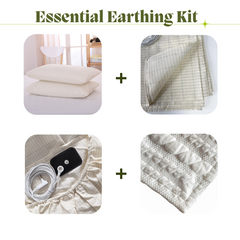
When outdoor access is limited, indoor solutions can help you reconnect with earth energy safely and consistently. Terra Therapy’s fitted grounding bedsheets and bed mats connect to the ground port of a properly wired outlet, providing gentle contact for hours, particularly overnight. The Essential Grounding Starter Kits include an outlet tester and cords so you can verify a true ground before use and set up with confidence.
Build a routine you can maintain. Aim for 15–30 minutes of barefoot time daily, sleep on a grounded sheet if outdoor time is scarce, and limit insulators like thick rubber soles when practical. Pair grounding with sleep fundamentals—regular bedtimes, darker evenings, and a cool bedroom—to support earthing for health and overall well-being.

Practical Methods to Balance Your Body's Electrical Charge
Modern life can leave excess static charge on the body through synthetic flooring, insulated footwear, and dry indoor air. To balance body electrical charge, the simplest approach is to make your body a mild conductor to the Earth so electrons can equalize. This is the essence of earthing for health: regular, safe contact with the ground to support body electrical balance without drugs or devices that add current.
Outdoors, prioritize contact with naturally conductive surfaces. Barefoot walking on damp grass, soil, or wet sand for 20–30 minutes can help you reconnect with earth energy; moisture increases conductivity, while asphalt and sealed wood do not conduct well. Gardening with bare hands in soil or swimming in natural bodies of water are practical natural grounding techniques. Always consider safety—avoid contaminated areas and extreme temperatures.
When outdoor time is limited, indoor options can extend grounding benefits into daily routines. Conductive sleep surfaces, like Terra Therapy’s fitted grounding bedsheets and bed mats, connect to the grounded port of a properly wired outlet to gently link you to the Earth while you sleep. Use an outlet tester, follow manufacturer instructions, and ensure the cord connects only to ground, not to live power. Consistent overnight contact often provides a longer window to notice changes in sleep and tension levels.
Simple habit changes can further reduce charge buildup and support balance:
- Maintain indoor humidity around 40–60% to limit static.
- Wear natural fibers (cotton, linen) rather than synthetics that hold charge.
- Choose leather-soled or conductive footwear when possible; avoid thick insulating soles.
- Before bed, touch a grounded metal object (e.g., a water pipe or grounded appliance chassis) to discharge surface static.
- Stay well hydrated and maintain electrolytes, which support tissue conductivity.
Track your response over two to four weeks, noting sleep quality, perceived stress, and muscle comfort. If you prefer a guided start, Terra Therapy’s Essential Grounding Starter Kits bundle the essentials for safe, consistent indoor earthing, with resources to help you set up correctly. Used alongside regular outdoor contact, these tools offer a practical, repeatable way to balance body electrical charge as part of a broader wellness routine.
Indoor Earthing Solutions for Daily Living
If going barefoot outside isn’t practical every day, you can still balance body electrical charge indoors with simple, low-profile tools. Indoor earthing connects your skin to a grounded conductive surface, allowing excess charge to dissipate to the Earth’s reference potential. This approach brings natural grounding techniques into your routine without changing your schedule, supporting earthing for health even while you sleep, work, or relax.
Overnight options are the most time-efficient. Fitted grounding bedsheets and bed mats create hours of contact while you rest, which many people find helpful for sleep quality and morning energy. For daytime use, desk and floor mats let you rest bare feet or forearms on a conductive surface during computer work, reading, or meditation. Terra Therapy offers fitted Grounding Bedsheets, Bed Mats, and Essential Grounding Starter Kits that make setup straightforward and consistent.
Practical ways to integrate indoor earthing:
- Sleep: Use a fitted grounding bedsheet connected to a properly grounded outlet; maintain skin contact at the legs, feet, or torso.
- Work: Place a grounding mat under your desk for bare feet or on the desk for forearms; aim for 30–60 minutes to start, then extend as comfortable.
- Relaxation: Sit with a mat on the couch while reading or practicing breathwork to pair grounding with stress-reduction habits.
- Movement: Incorporate a mat into gentle stretching or yoga to reconnect with earth energy during recovery and cooldowns.
- Travel: A compact mat fits into a carry-on so you can maintain body electrical balance in hotel rooms.
A few setup and care tips improve results and safety. Test the outlet first and connect only to the ground port; avoid ungrounded adapters or power strips. Ensure direct skin contact—thick socks or layers act as insulators—though slight skin moisture can enhance conductivity. Wash conductive fabrics with mild detergent and avoid bleach or fabric softeners, which can coat fibers and reduce performance. If you have an implanted electronic device or specific health concerns, consult your clinician before starting.
To gauge grounding benefits, track simple markers like sleep latency, nighttime awakenings, perceived stress, and afternoon energy for two weeks. Combine indoor tools with brief outdoor barefoot time when possible, morning daylight, and reduced evening blue light for compounding effects. Many users report steadier mood and fewer tension cues when they integrate these habits consistently. For a reliable, plug-and-play path to balance body electrical charge, Terra Therapy’s bedsheets, mats, and kits provide an accessible foundation.
Measurable Health Benefits of Electrical Balance
When you balance body electrical charge by making conductive contact with the Earth, you equalize your electric potential with the ground. In indoor environments with wiring, this often lowers “body voltage” caused by ambient electric fields; a simple multimeter or body-voltage meter typically shows a drop from several volts to a few millivolts when grounded. This body electrical balance is the foundation behind reported grounding benefits for sleep, stress, and pain.
Sleep tends to be where changes show up first. If you use a wearable, look for reduced sleep-onset latency, fewer nighttime awakenings, slightly higher heart-rate variability (HRV), and a lower resting heart rate after consistent earthing for health practices. Anecdotal logs and small pilot studies have noted improvements within 1–4 weeks when people adopt natural grounding techniques during the night.

You can quantify changes at home by tracking:
- HRV: 7-day rolling average; upward trends suggest improved autonomic balance.
- Sleep-onset latency: compare baseline minutes to after-grounding nights.
- Wake after sleep onset (WASO): total minutes awake should trend down.
- Perceived pain: 0–10 daily score and morning stiffness duration.
- Morning energy/mood: quick 1–5 check-in to capture subjective shifts.
- Body voltage: before/after grounding measurements to verify electrical equalization.
For stress physiology, several small studies report shifts toward a more optimal diurnal cortisol curve after nighttime grounding, aligning peak cortisol earlier and reducing late-evening levels. While lab tests like salivary cortisol or high-sensitivity C-reactive protein (hs-CRP) require professional kits, you can use proxies such as HRV, blood pressure, and recovery time from exercise soreness to infer changes. There is also preliminary evidence of reduced blood viscosity with grounding, which may support circulation, though clinical significance is still being studied.
Terra Therapy’s fitted grounding bedsheets and bed mats make it simple to reconnect with earth energy indoors and maintain body electrical balance while you sleep. For a practical test, record a 7-day baseline, then use a Terra Therapy sheet nightly for 14 days and compare trends in HRV, sleep latency, and pain scores. Their Essential Grounding Starter Kits include what you need to start safely and consistently, helping you determine whether grounding benefits are meaningful for you.
Creating a Sustainable Grounding Routine
Think consistency over intensity. To balance body electrical charge in daily life, aim for a reliable dose of skin-to-ground contact rather than occasional marathons. Start with 20–30 minutes outside on natural surfaces like grass, soil, or sand; moist ground conducts best, so mornings or after a light rain often feel more effective. Avoid wood, asphalt, and sealed surfaces, which tend to insulate rather than conduct.
Build the habit by stacking it onto routines you already do. If outdoor time isn’t feasible every day—or during winter—use indoor options that maintain body electrical balance without disrupting your schedule. Untreated concrete can work, and dedicated tools make it seamless.
- Morning: Stand barefoot on dewy grass or an unsealed concrete patio while you sip water and set intentions for the day.
- Work block: Use an indoor grounding mat at your desk to maintain contact while typing or on calls. Verify your outlet’s ground with a simple outlet tester before connecting any product.
- Evening wind-down: Read or stretch with your feet on a grounding mat to tap into natural grounding techniques as you transition to sleep.
- Overnight: Sleep on a fitted grounding bedsheet so you can reconnect with earth energy for hours without changing your routine.
Optimize the details to enhance grounding benefits. Ensure direct skin contact (hands, feet, calves) and remove insulating layers like thick socks or foam mats. Hydrated skin conducts better, so drink water regularly and moisturize dry, callused areas. For safety, connect only to a properly grounded outlet using the supplied cords, avoid use during thunderstorms outdoors, and consult your clinician if you have an implanted electronic medical device.
Track your response so you can personalize earthing for health. Keep a simple log of sleep quality, perceived stress, pain levels, and energy; many people notice changes after consistent practice over 2–4 weeks. If you’re sensitive or feel overstimulated initially, start with 10–15 minutes and increase gradually.
For dependable indoor earthing, Terra Therapy offers fitted grounding bedsheets, bed mats, and Essential Grounding Starter Kits designed to simplify setup and encourage a sustainable routine. These tools make it easier to balance body electrical charge even when outdoor time is limited. Integrate them with brief outdoor sessions for a practical, year-round plan.
Conclusion: Taking Steps Toward Natural Wellness
Finding ways to balance body electrical charge is less about a single fix and more about consistent, low-effort habits. Aim for small daily actions that restore body electrical balance while fitting your routine. Pay attention to how you sleep, recover after stress, and feel throughout the day to gauge what works best.
Natural grounding techniques are simple and accessible. Spend 20–30 minutes barefoot on conductive surfaces like grass, soil, or sand—especially when they’re slightly damp—to reconnect with earth energy. Many people prioritize this after air travel, long screen sessions, or workouts to help downshift the nervous system. Avoid asphalt and sealed concrete, and choose clean, safe areas to minimize exposure to debris or contaminants.
When outdoor time is limited, indoor earthing for health helps maintain consistency. Terra Therapy’s fitted grounding bedsheets and bed mats create a conductive surface that connects to a properly grounded outlet, making it easier to experience potential grounding benefits while you sleep or work. Use an outlet tester to confirm a true ground, follow manufacturer instructions, and keep bare skin contact (e.g., calves on a bed mat at a desk, or direct contact with a sheet overnight). If you’re new, Terra Therapy’s Essential Grounding Starter Kits provide the core components needed for a safe, straightforward setup.
Round out your routine with supportive practices that may enhance your results:
- Hydrate well and consider mineral-rich water or a pinch of sea salt to support electrolytes.
- Choose natural or thinner-soled footwear when practical, and go barefoot at safe opportunities.
- Build screen breaks into your day and consider a grounded desk mat during computer work.
- Align your circadian rhythm with morning daylight and dimmer evening lighting to support sleep.
- Keep indoor humidity between 40–60% to reduce static buildup and improve comfort.
- Track progress with a sleep diary or wearable metrics like HRV, and consult a healthcare professional for persistent concerns.
Start with one step you can keep doing, then layer in others as you notice changes in sleep quality, stress levels, or recovery. Tools from Terra Therapy make it easier to stay consistent indoors, helping you integrate natural grounding techniques into daily life and steadily move toward a more balanced, resilient you.