


Introduction to Earthing and Its Relationship with Sleep Quality
Earthing, also called grounding, is the practice of making direct contact with the Earth’s surface to equalize your body’s electrical potential. Because most of us sleep indoors and on insulated materials, earthing products for better sleep bring that connection inside using conductive materials that link you to a grounded outlet or a dedicated ground rod. The goal is a steady, gentle flow of electrons—similar to walking barefoot on grass—without changing your routine dramatically.
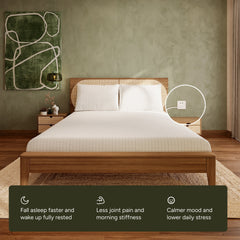
Sleep is where many people notice potential benefits first. Preliminary studies and user reports suggest the benefits of grounding at night may include shorter time to fall asleep, fewer awakenings, and a calmer pre-sleep state. One small pilot study also found shifts toward a more typical diurnal cortisol pattern, which may help explain why some people feel more rested in the morning. While results vary, grounding can be explored alongside other natural remedies for insomnia like consistent bedtimes and light management.
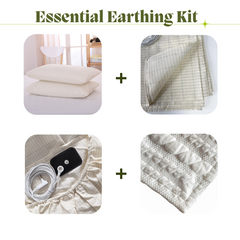
Most solutions use conductive bedding for wellness, such as silver-threaded fabric or carbon-infused mats that connect to ground. For example, a fitted grounding bedsheet or a bed mat placed under your regular sheet lets skin make light contact while you sleep. Terra Therapy offers fitted Grounding Bedsheets, Grounding Bed Mats, and Essential Grounding Starter Kits that simplify setup with cords and outlet checks, helping you get started without guesswork.
Common ways people integrate grounding into their sleep routine include:
- Use a fitted sheet or bed mat at night to support deeper rest; side-sleepers often position the mat where shoulders and hips touch.
- If soreness is a concern, grounding sheets for inflammation are used for targeted contact around the hips, lower back, or knees.
- Combine an earthing mat for stress relief under your feet while reading or journaling before bed to downshift the nervous system.
- When traveling, a portable mat can help create consistency across hotel stays, which many find helpful for jet lag.
Set up is straightforward: verify your outlet is properly grounded with a simple tester, attach the cord securely, and ensure regular skin contact with the conductive surface. Keep connections dry and intact, and avoid daisy-chaining through ungrounded adapters. As with any wellness practice, responses are individual, and grounding isn’t a medical treatment; however, many wellness seekers find it an accessible, low-effort addition to a sleep hygiene toolkit. If you’re curious, Terra Therapy’s starter kits provide an easy entry point to try nighttime grounding at home.
The Science Behind Grounding: How Connecting to Earth Affects the Body
Grounding, or earthing, is the practice of bringing your body to the same electrical potential as the Earth by direct contact or via conductive materials. Indoors, earthing products for better sleep use conductive fabric or mats connected to a verified ground, allowing charge on the body to dissipate and body voltage to drop. Many people notice this quickly with a simple multimeter: readings can fall from several volts to near zero when lying on a grounded sheet.
Researchers propose several mechanisms that may explain reported effects. A leading hypothesis is that the Earth serves as a vast reservoir of electrons that can help stabilize electrical activity at the skin surface and potentially modulate oxidative processes—ideas that remain under investigation. More established are measurable shifts in the autonomic nervous system: small trials have observed changes in heart rate variability consistent with increased parasympathetic (rest‑and‑digest) tone, which aligns with the benefits of grounding at night.
Evidence, while still preliminary, is encouraging. A small randomized study of grounded sleep found improvements in subjective sleep quality and a normalization of overnight cortisol rhythms, a hormone pattern closely tied to stress and alertness. Pilot studies have reported reduced self‑rated pain and changes in markers related to inflammation after use of grounding sheets for inflammation and mats, though larger, high‑quality trials are needed to confirm these findings.
If you’re exploring natural remedies for insomnia, consider how you might track responses over a few weeks:

- Log sleep onset time, awakenings, and morning alertness.
- Measure body voltage before and after contact with a grounded surface.
- Note changes in muscle soreness or morning stiffness.
- If you use a wearable, watch for trends in HRV and resting heart rate.
- During the day, try earthing mats for stress relief under your desk and compare focus or tension levels.
Safety and setup matter. Quality conductive bedding for wellness typically includes an inline safety resistor and connects to a grounded outlet or dedicated ground rod; always verify grounding with an outlet tester and follow manufacturer instructions. Grounding is not a cure‑all, but it can complement sleep hygiene, light exposure, and stress management.
Terra Therapy’s fitted grounding bedsheets, bed mats, and Essential Grounding Starter Kits are designed to make indoor earthing straightforward. Used consistently—sheets at night and mats during the day—they offer a practical way to test whether gentle nervous‑system downshifting and reduced body voltage translate into better sleep and calmer days for you.
Key Benefits of Using Earthing Products During the Night
Nighttime is when your body does its deepest repair work, which is why many people explore earthing products for better sleep. By connecting your skin to a grounded surface—such as a fitted sheet or bed mat—you equalize your body’s electrical potential with the Earth. Users often report steadier sleep and a calmer nervous system, pointing to practical benefits of grounding at night that complement standard sleep hygiene.
Commonly reported advantages include:
- More predictable sleep onset and fewer awakenings. Some small pilot studies and user diaries suggest that grounded sleepers experience improved sleep continuity compared with ungrounded nights.
- Reduced perceived stress and mental restlessness. Earthing mats for stress relief are often placed under the feet in the evening and then paired with grounded bedding overnight to support a smoother wind-down.
- Relief for soreness and morning stiffness. People who use grounding sheets for inflammation frequently note less discomfort after long workdays or workouts, aligning with preliminary research on muscle recovery and inflammatory indicators.
- A comfortable, low-effort option among natural remedies for insomnia. For those who prefer non-pharmacological approaches, conductive bedding for wellness offers a simple, passive addition to the bedroom routine.
Emerging research has observed changes in markers associated with inflammation and delayed-onset muscle soreness when participants slept grounded. While these findings are preliminary and not a substitute for medical care, they match what many users describe: waking up with less stiffness and more readiness to move. If you exercise late or sit for long hours, this potential edge in overnight recovery can be meaningful.
Stress modulation is another area of interest. Some small studies have reported shifts in measures related to relaxation, such as heart rate variability patterns, alongside subjective reports of calm. Practically, combining an evening foot mat with a grounded bedsheet may help you transition out of “go mode” and into rest, and it pairs well with light stretching or breathwork.
Terra Therapy’s fitted grounding bedsheets and bed mats make indoor earthing straightforward: the conductive cotton (woven with silver) connects to a verified grounded outlet or ground rod to maintain contact while you sleep. Many customers start with an Essential Grounding Starter Kit, then add a bed mat for travel or naps. As with any wellness change, track your own sleep duration, number of awakenings, and morning energy over 2–4 weeks to see if the benefits hold for you.
Types of Grounding Bedding: Sheets, Mats, and Starter Kits
Grounding bedding comes in three main formats—fitted sheets, bed mats, and complete starter kits—each designed to keep your skin in contact with a conductive surface while you sleep. As earthing products for better sleep, these options bring the concept of conductive bedding for wellness into the bedroom, making nighttime contact simple and consistent. By maintaining a low-level connection to ground, many people notice the benefits of grounding at night, including deeper relaxation and more settled rest.

Fitted grounding bedsheets look and feel like premium cotton sheets but are woven with conductive fibers (commonly silver) to create a continuous path to ground. They’re ideal if you want full-body contact from shoulders to feet and prefer a familiar bedding feel. For longevity, wash on a gentle cycle with mild detergent, avoid bleach and fabric softeners, and ensure some bare skin touches the sheet for consistent contact—an appealing option for those exploring grounding sheets for inflammation or muscle soreness.
Grounding bed mats are thin conductive pads that lie on top of or beneath your fitted sheet (skin contact is best, but many users place them under a light sheet). They’re durable, easy to wipe clean, and adaptable—position one at the foot of the bed if your calves or soles need targeted contact, or along one side if partners have different preferences. Because they pack easily, earthing mats for stress relief are also a practical pick for travel or guest rooms.
Starter kits bundle the essentials so you can begin safely and correctly. A typical set, like Terra Therapy’s Essential Grounding Starter Kits, includes a fitted grounding bedsheet or bed mat, a grounding cord, an outlet checker, and clear setup instructions. This removes guesswork for first-time users and helps you evaluate what works best before investing in additional pieces.
How to choose the right option:
- Coverage: Sheets offer full-body contact; mats enable targeted placement.
- Care: Sheets require laundering; mats wipe clean and are lower-maintenance.
- Sensitivity and sleep style: Side sleepers may prefer full-length sheet coverage; restless sleepers might benefit from a durable mat.
- Household needs: For shared beds, a mat on one side can keep grounding personal.
Setup is straightforward: test the wall outlet for a proper ground, connect the cord to the product and then to the grounded outlet, and ensure regular bare-skin contact during sleep. Start gradually if you’re sensitive—30–60 minutes before bed, then extend to overnight use—as you evaluate how grounding fits with natural remedies for insomnia and your sleep hygiene routine. Terra Therapy’s fitted sheets, bed mats, and curated kits make it simple to create a consistent, indoor grounding practice at home.
How to Integrate Grounding into Your Evening Wellness Routine
Start by pairing your wind‑down habits with earthing products for better sleep. Dim lights, silence notifications, and make skin contact with a grounded surface as you read, stretch, or journal. Many people notice benefits of grounding at night such as easier relaxation and fewer mid‑sleep wakeups, especially when it complements other natural remedies for insomnia like breathwork or a warm shower.
Ensure a proper setup so the connection is effective and safe. Connect your sheet or mat to the ground port of a properly wired outlet or to an approved grounding rod, following the manufacturer’s instructions. Bare skin contact works best; avoid thick pajamas, heavy mattress toppers above the sheet, and lotions right before bed, which can reduce conductivity. Wash conductive bedding for wellness with mild detergent, avoid bleach and fabric softeners, and dry on low to preserve the conductive fibers.
A simple evening sequence can make grounding effortless:

- 60–90 minutes before bed: Use earthing mats for stress relief where you unwind—under your feet at the couch while you read or do gentle stretches.
- 30 minutes before bed: Transition to your bedroom and sit on the bed, keeping calves or feet in contact with a grounded bed mat if you don’t yet use a fitted sheet.
- At lights‑out: Switch to a fitted grounding sheet so your torso and legs maintain consistent contact during sleep.
- Overnight: Keep the room cool and dark; pair grounding with a consistent wake time to reinforce circadian rhythm.
- Traveling: Pack a compact mat to maintain continuity when hotel sleep routines change.
Choose the format that fits your sleeping style. If you move a lot, a fitted grounding sheet offers full‑body contact and less shifting. If your partner isn’t ready to try grounding, a half‑sheet or bed mat placed at the lower third of the bed lets you keep soles or calves grounded without affecting their side. Some people exploring grounding sheets for inflammation place targeted mats near sore joints early in the evening, then sleep on a sheet for all‑night contact.
If you’re sensitive to new routines, start with 30–60 minutes nightly for a week and increase as comfortable. Recheck connections monthly, and use a continuity tester if supplied by the manufacturer to confirm conductivity. Combine grounding with foundational sleep hygiene—regular schedule, limited caffeine late day, and a tech‑free last hour—for a comprehensive, natural approach.
Terra Therapy makes integration straightforward with fitted grounding bedsheets, bed mats, and essential starter kits designed for indoor earthing. Their lineup lets you begin with a small mat during your pre‑bed routine and graduate to a full sheet for overnight coverage when you’re ready.
Frequently Asked Questions About Using Earthing Products Safely
- How do earthing products work, and are they safe at home? Earthing products for better sleep connect you to the Earth’s ground through a grounded outlet or a dedicated ground rod—not to live electricity. Quality cords include an in-line safety resistor that limits current in the unlikely event of a fault. Terra Therapy’s Essential Grounding Starter Kits include a socket tester so you can confirm your outlet is properly grounded before use.
- What should touch the sheet or mat for effective grounding? Direct skin contact is best, but thin natural fabrics like cotton can still conduct. Avoid thick foam, vinyl mattress protectors, or multiple synthetic layers between you and the conductive bedding for wellness. Place the fitted grounding bedsheet or bed mat as the top layer you lie on, then add blankets on top as usual.
- Can I use grounding with electric blankets, heated pads, or other devices? It’s generally best to avoid simultaneous use of powered bedding and grounding, or to heat the bed first, unplug, and then ground. If you do combine them, keep cords separate and consider a body-voltage test to verify reductions. When in doubt, choose the grounded sheet alone at night to minimize potential EMF exposure.
- Is it safe during thunderstorms or in older homes? Unplug during electrical storms as a precaution, and don’t use any grounded product if your outlet is ungrounded or miswired. Always verify with a socket tester before connecting. If your outlet isn’t grounded, use an outdoor ground rod kit according to instructions.
- What about implanted medical devices, pregnancy, or chronic conditions? People with pacemakers, insulin pumps, or other implanted electronics should consult their healthcare provider before grounding. Grounding is a very low-level connection akin to touching a metal faucet, but medical guidance is important for individual circumstances. Pregnant users often ground safely; if you notice sensitivity, shorten sessions and increase gradually.
- How soon might I notice benefits for sleep, stress, and pain? Some users feel calmer on night one, while others notice the benefits of grounding at night—like more stable sleep and morning freshness—within 2–4 weeks. For natural remedies for insomnia, aim for consistent nightly contact rather than short daytime sessions. Many also report reduced aches when using grounding sheets for inflammation over time.
- How do I clean and care for the materials without damaging conductivity? Wash in warm water with a mild, bleach-free detergent and skip fabric softeners and dryer sheets. Tumble dry low or line dry, and avoid whitening agents that degrade silver fibers. Terra Therapy’s care guides outline simple routines to preserve conductivity and longevity.
- Is grounding appropriate for kids, seniors, or pets? Yes, but ensure cords are secured and out of reach to prevent tripping or chewing. Start with shorter sessions for sensitive sleepers and increase as tolerated. A bed mat at the foot of the bed is a gentle way to begin.
- Can I ground at my desk or while traveling? Earthing mats for stress relief work well under bare feet at a workstation and can complement nighttime grounding. On the road, test hotel outlets before connecting, or use a portable ground rod where permitted. Terra Therapy’s compact mats and kits make it easy to maintain your routine away from home.
Conclusion: Achieving Restorative Sleep Through Natural Grounding Solutions
Bringing the outdoors in with earthing products for better sleep is a simple way to complement smart bedtime habits. When used consistently, many people report benefits of grounding at night, including shorter sleep onset and calmer wake-ups, though results vary and evidence is still emerging. Think of grounding as a gentle, low-effort input for your nervous system rather than a stand-alone cure.
For the bedroom, conductive bedding for wellness—such as a fitted sheet or bed mat—works best when your bare skin makes steady contact and the cord connects to a properly grounded outlet or a dedicated grounding rod. Small pilot studies have noted shifts in cortisol patterns and subjective pain ratings; some users also try grounding sheets for inflammation support, but larger, high-quality trials are needed. Daytime options, like earthing mats for stress relief under a desk or at a meditation spot, can extend contact beyond sleep.
To get the most from your setup:
- Verify your outlet is grounded using a tester, and connect only to the ground port (or use an outdoor grounding rod following product instructions).
- Start with 30–60 minutes and build up to overnight use, noting how you feel across 1–2 weeks.
- Maintain skin contact (feet, calves, or back), and avoid thick insulating layers between you and the fabric or mat.
- Track outcomes with a short sleep diary or wearable metrics (sleep latency, total sleep time, HRV, morning energy 1–10).
- Pair grounding with sleep hygiene: dim lights in the evening, keep the room cool, and limit late caffeine and screens.
- Wash conductive fabrics gently (no bleach or fabric softeners) and dry on low to preserve conductivity; periodically check cords and connections.
- If you’re pregnant, have a pacemaker, or manage a chronic condition, consult a clinician before starting.
If you’re ready to experiment at home, Terra Therapy offers fitted grounding bedsheets, grounding bed mats, and Essential Grounding Starter Kits that include the basics to get connected indoors. Their product guides make it straightforward to position, test, and care for your setup so you can fairly evaluate this approach among your natural remedies for insomnia. Give yourself several weeks of consistent use, and if sleep problems persist or worsen, seek advice from a healthcare professional.