


Navigating modern stress challenges
Modern stress rarely comes from one source. It’s a blend of late-night screens, constant notifications, indoor lifestyles, and fragmented sleep that keep the nervous system in a low-grade fight-or-flight state. Signs include tension in the neck and jaw, racing thoughts at bedtime, shallow breathing, and energy crashes. Addressing these patterns often requires a mix of natural stress reduction products and simple routine shifts.
Here’s a stress relief methods comparison to help you match tools to triggers:
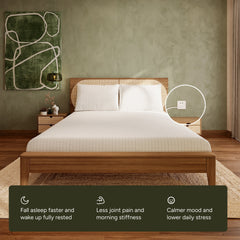
- If sleep is your weak link: Blue-light blocking glasses after sunset and warm, dim lighting can help your circadian rhythm. Terra Therapy’s fitted Grounding Bedsheets and Bed Mats add earthing for calm overnight; they connect to a grounded outlet and work through direct skin contact, offering a steady, low-level connection to the Earth’s electrical potential as you sleep.
- If desk time drives tension: A grounding mat under your keyboard or feet supports indoor earthing while you work. Pair it with an acupressure mat for 10–20 minutes post-work to release back and shoulder tightness.
- If anxiety spikes in quiet moments: Natural anxiety solutions include paced breathing (4–6 breaths per minute via a timer or app), a weighted blanket at 10% of body weight for calming deep pressure, and lavender or bergamot aromatherapy. Many people stack a 5-minute breath session with a grounding bed mat during a short evening wind-down.
- If you’re overstimulated by noise: Noise-cancelling headphones, brown noise, or nature soundscapes reduce sensory load, especially in open offices.
- If muscles stay tight: Magnesium bath flakes or topical magnesium, light stretching, and a foam roller can ease soreness that feeds the stress loop. Some users layer a Terra Therapy Bed Mat at night to support recovery and more restful sleep.
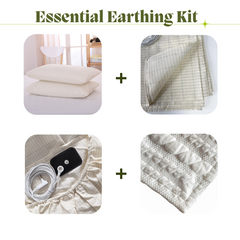
How grounding fits: Earthing products aim to gently synchronize your body with the Earth’s surface charge. Early studies and user reports suggest improvements in sleep quality, morning energy, and markers like heart rate variability, though larger trials are needed. Terra Therapy’s Essential Grounding Starter Kits are designed for simple setup: plug into a grounded outlet, ensure skin contact, and use consistently for 6–8 hours overnight or 1–2 hours during the day.
To choose the best stress reduction tools, consider:
- Consistency: Pick items you’ll use daily with minimal effort.
- Time of day: Evening tools (grounding bedsheets, weighted blankets) target sleep; daytime tools (grounding mats, noise reduction) tame work stress.
- Sensory preferences: Touch, sound, light, or breath—lean into what calms you quickest.
- Portability and budget: Start small, then layer.
For holistic wellness for stress, combine light exposure in the morning, movement, social connection, and indoor earthing. A simple routine might be 10 minutes of daylight and walking after breakfast, a grounding mat under your desk mid-day, breathwork before bed, and a grounded bedsheet overnight.
Introducing earthing and grounding
Earthing—also called grounding—is the practice of making direct skin contact with the Earth or with conductive materials that transfer the Earth’s natural electric potential indoors. Unlike many natural stress reduction products that work via scent, pressure, or supplements, grounding works electrically: it equalizes your body’s charge with the Earth’s surface. For wellness seekers exploring natural anxiety solutions, it offers a simple, low-effort way to add “earthing for calm” into daily routines.
How it may help: Preliminary research and user reports suggest grounding can nudge the autonomic nervous system toward a calmer, parasympathetic state, support more regular cortisol rhythms, and improve sleep quality—key pillars of holistic wellness for stress. In practical terms, people often notice easier wind-down at night, less “wired” tension after screen time, and a steadier mood. While more large-scale studies are needed, early findings on heart rate variability and perceived stress are encouraging.
To bring the outdoors inside, Terra Therapy offers conductive textiles and mats that connect to a verified grounded outlet via a safety resistor. Fitted Grounding Bedsheets weave conductive fibers (such as silver) into soft cotton, creating a comfortable sleep surface. Grounding Bed Mats use conductive carbon-infused materials for day or night use. Essential Grounding Starter Kits bundle the mat or sheet with a tester, cords, and adapters to simplify setup and ensure the outlet is truly grounded—an important step for both efficacy and safety.
Common use cases:
- Sleep: Replace or layer a fitted grounding bedsheet to maintain gentle contact for 6–8 hours.
- Work: Place a mat under your bare feet at a desk to counter daytime tension and support focus.
- Recovery: Sit or stretch on a mat after workouts to unwind while you rehydrate.
- Travel: Use a compact mat in hotels with a verified grounded outlet to keep routines consistent.
In a stress relief methods comparison, grounding complements tools like weighted blankets, breathwork, and sound machines rather than replacing them. It’s passive, non-pharmacological, and time-efficient—attributes many consider among the best stress reduction tools. As with any wellness practice, use a properly grounded outlet, follow product instructions, and consult a clinician if you have implanted medical devices or specific health concerns.
Grounding benefits for stress relief
Grounding fits naturally into the landscape of natural stress reduction products because it targets the body’s stress circuitry—particularly the autonomic nervous system—without adding tasks to an already busy routine. Early research and user reports suggest that skin contact with a grounded surface may support parasympathetic activity, improve heart rate variability (HRV), and help restore a more natural cortisol rhythm—all markers linked with calm and resilience.
Sleep is a key lever for stress control. By maintaining gentle, consistent contact with the Earth’s charge during the night, fitted grounding bedsheets offer a passive way to wind down an overactive stress response. Many users report fewer nighttime wakeups and easier morning wakefulness, which can translate into steadier mood and clearer thinking during the day.
Compared to other natural anxiety solutions, grounding stands out for being passive, frequent, and routine-friendly. Here’s a stress relief methods comparison to see where it fits alongside popular options:

- Weighted blankets: Helpful for immediate comfort via deep pressure; typically used only at rest. Grounding can work continuously overnight for cumulative effects.
- Breathwork/meditation apps: Excellent for skill-building but require time and discipline. Grounding supports calm in the background while you sleep or work.
- Magnesium supplements: Can aid relaxation but depend on dosing and individual tolerance. Grounding is non-ingestible and can be paired with dietary strategies.
- Aromatherapy: Offers short-term soothing; effects can be transient. Grounding provides ongoing input during long sessions (sleep, desk time).
- Massage/acupuncture: Effective but scheduling-dependent. Grounding mats bring daily access at home or office.
Practical ways to use Terra Therapy products for earthing for calm:
- Fitted Grounding Bedsheets: Create an all-night routine to support deeper rest and a more stable stress response.
- Grounding Bed Mats: Place under your feet while working to help soften tension during high-pressure hours. Aim for 30–60 minutes or more per day.
- Essential Grounding Starter Kits: A straightforward setup for those new to holistic wellness for stress; use the mat daily and add sheets for overnight continuity.
For many, changes are noticeable within days; for others, benefits build over several weeks. Grounding pairs well with the best stress reduction tools—breathwork, short walks, and consistent sleep schedules—without adding cognitive load.
As with any wellness practice, if you use implanted medical devices or have specific health concerns, consult a healthcare professional before starting.
Comparing grounding to meditation
Meditation and grounding sit in the same category of natural stress reduction products, but they work through different pathways. Meditation trains attention and emotion regulation; grounding introduces a steady, physical signal by connecting your body to the Earth’s electrical potential, which some early studies and many users report as calming.
Evidence snapshot:
- Meditation: Robust research, including randomized trials, shows mindfulness-based practices can reduce perceived stress and anxiety and improve sleep within 6–8 weeks of regular practice.
- Grounding: Smaller studies suggest potential shifts in autonomic balance (e.g., heart rate variability), more normalized cortisol rhythms, and improved sleep quality. While promising, the evidence base is earlier-stage compared to meditation.
Practice requirements differ:
- Skill and effort: Meditation requires consistency, guidance, and the ability to sit with thoughts. Many people drop off after a few weeks.
- Passive vs. active: Grounding is largely passive. A fitted grounding bedsheet at night or a grounding mat under your desk weaves stress relief into routines you already have.
Practical stress relief methods comparison:
- Time to benefit: Meditation often needs daily 10–20 minute sessions to build effect. Grounding can be used for hours without scheduling—sleeping on a grounded surface or resting feet on a mat.
- Adherence: If stillness is hard, grounding may offer an easier on-ramp. If you enjoy contemplative practice, meditation deepens resilience.
- Cost: Meditation can be free; paid apps add structure. Grounding products are a one-time investment with ongoing use.
- Portability: Meditation works anywhere. Indoor earthing becomes portable with compact mats and Essential Grounding Starter Kits.
- Safety: Both are generally low risk. If you have implanted electronic devices or specific medical concerns, consult a clinician before using conductive products. Neither approach replaces medical care.
Concrete ways to combine them:
- Use a Terra Therapy fitted grounding bedsheet nightly to support deeper rest, then do a 10-minute morning breathing meditation for focus.
- Place a grounding mat under your desk for earthing for calm during meetings, and add a 5-minute body scan between tasks.
- During evening wind-down, journal for three minutes, then sit on a grounded surface for a brief guided meditation.
Bottom line: For holistic wellness for stress, meditation builds mental skills while grounding supplies a steady, somatic calm. Many wellness seekers find the best stress reduction tools are a blend—natural anxiety solutions that pair a simple earthing routine with a sustainable meditation habit.
Grounding vs. aromatherapy solutions
Among natural stress reduction products, aromatherapy and grounding approach the nervous system through different pathways, which affects how and when they help.
Aromatherapy works via olfactory signaling. Inhaling essential oils such as lavender, bergamot, or cedarwood activates receptors that influence the limbic system, an area tied to emotion and arousal. Randomized trials show small, short-term reductions in self-reported anxiety and perceived stress, especially in settings like pre-procedure clinics or before sleep. Effects tend to be immediate but can fade within hours. Response depends on scent preference and concentration.
Grounding products, such as fitted grounding bedsheets or bed mats, aim to equalize the body’s electrical potential with the Earth through a conductive pathway. Preliminary studies report improvements in sleep quality, morning alertness, cortisol diurnal patterns, heart rate variability, and perceived stress over days to weeks of regular use. While larger trials are needed, the emerging evidence suggests cumulative benefits when used nightly—an approach aligned with holistic wellness for stress.
Stress relief methods comparison at a glance:

- Mechanism: Aromatherapy influences the olfactory–limbic system; grounding facilitates electron transfer and may reduce sympathetic arousal.
- Onset vs. duration: Oils offer rapid, short-lived calm; earthing for calm often builds with repeated sessions, especially during sleep.
- Consistency: Diffusion sessions vary by timing and scent tolerance; a grounding bedsheet provides passive, hours-long contact every night.
- Inputs and maintenance: Oils require ongoing refills, dilution, and safe storage; a sheet or mat is a one-time setup with routine laundering.
- Environment: Scents can trigger headaches, allergies, or pet sensitivities; grounding is scent-free and unobtrusive.
- Safety notes: Essential oils may irritate skin or interact with medications when applied topically; use proper dilution and ventilation. Grounding products should connect only to verified grounded outlets or grounding rods and include built-in resistors as designed; avoid use with damaged electrical systems.
- Evidence quality: Aromatherapy has more trials with modest effect sizes; grounding has fewer, small studies with promising—but still preliminary—outcomes.
Practical examples:
- Pre-meeting jitters: A 10-minute lavender diffusion may help downshift arousal quickly.
- Sleep-related stress: A grounding bed mat or fitted sheet used nightly can complement sleep hygiene to improve continuity and next-day mood.
- Daytime micro-breaks: A portable grounding mat at a desk offers quiet, scent-free calm where fragrances aren’t appropriate.
For natural anxiety solutions, many find the best stress reduction tools combine both: aromatherapy for situational relief and grounding products for steady, background support.
Exploring exercise and mindfulness
Exercise and meditation remain two of the most validated natural stress reduction products in practice, with decades of research showing benefits for mood, sleep, and overall resilience. For many people, pairing these active strategies with a passive option like indoor earthing creates a balanced routine that’s easier to stick with day to day.
Regular movement helps regulate cortisol, improve heart-rate variability, and release mood-lifting endorphins. Aim for 150 minutes of moderate activity weekly through brisk walks, cycling, or swimming. Short “movement snacks” also work: 10 minutes of stairs between meetings, a bodyweight circuit (squats, pushups, planks), or a gentle evening yoga flow to downshift before bed. Even a single session can deliver a measurable lift in calm and focus.
Mindfulness-based practices are similarly well supported. Brief daily sessions—5–10 minutes of breath awareness, a body scan, or mindful walking—can reduce perceived stress and anxious thinking. An 8-week mindfulness routine often yields the biggest gains, but micro-practices during transitions (three slow breaths before calls, a 60‑second eyes-closed reset) help maintain steadiness on busy days. Journaling and acceptance-based techniques can further quiet rumination.
Where does earthing fit? Products that enable indoor grounding—such as fitted grounding bedsheets, bed mats, or starter kits—offer earthing for calm without adding time to your schedule. By maintaining skin contact with a grounded surface during sleep or desk work, you get a passive, consistency-friendly input. Preliminary studies and user reports suggest potential improvements in sleep quality and subjective relaxation, making grounding a useful adjunct to other natural anxiety solutions.
Stress relief methods comparison:
- Onset of effects: Exercise offers an acute mood boost within 5–15 minutes; mindfulness can calm within a few minutes; grounding may feel relaxing immediately for some and often supports nighttime rest.
- Effort and adherence: Exercise and meditation require planning and skill-building; grounding is largely passive once set up, which supports daily consistency.
- Cost and equipment: Movement and meditation can be free or app-guided at low cost; grounding products are a one-time investment used for hours nightly.
- Risks: Exercise has injury risk if overdone; mindfulness can surface difficult emotions for a subset of users; grounding products should be properly connected to a verified ground and used as directed—consult a clinician if you have an implanted medical device.
For holistic wellness for stress, consider stacking the best stress reduction tools: sleep grounded at night, take a 20‑minute daylight walk, and add a 5‑minute breathing session post‑lunch. Track sleep, mood, and tension levels weekly to fine-tune what works.
Dietary approaches for calm
What you eat can modulate cortisol, blood sugar, inflammation, and neurotransmitters—core levers in feeling calm. Here are evidence-informed dietary strategies that pair well with other natural stress reduction products, including earthing for calm:
- Stabilize blood sugar. Build meals around protein, fiber, and healthy fats to avoid spikes that can trigger jitteriness. Example: salmon with quinoa, arugula, olive oil, and pumpkin seeds. If anxiety peaks mid-morning, swap a pastry for Greek yogurt, berries, and chia.
- Magnesium for relaxation. Leafy greens, cacao, nuts, and legumes are rich sources. If intake is low, magnesium glycinate or citrate (200–400 mg elemental at night) may support muscle relaxation and sleep. Avoid if you have kidney disease; start low to minimize GI upset.
- Omega-3s for mood and inflammation. Aim for 2–3 servings/week of fatty fish or consider 1–2 g/day EPA+DHA from fish or algae oil. Small to moderate benefits on anxiety have been seen in meta-analyses. Consult your clinician if you use anticoagulants.
- L-theanine for smooth focus. Naturally found in green tea, 100–200 mg supplemental L-theanine can promote calm without drowsiness and may blunt caffeine’s edge. Matcha offers a food-first route.
- Tryptophan and serotonin support. Pair tryptophan-rich proteins (turkey, eggs, dairy) with complex carbs at dinner to aid serotonin availability. Example: turkey, sweet potato, and sautéed spinach.
- Adaptogens used judiciously. Ashwagandha (300–600 mg/day of standardized extract) has reduced perceived stress and cortisol in several trials. Rhodiola (200–400 mg in the morning) may ease fatigue under stress. Not for pregnancy, certain thyroid or bipolar conditions; review medications with your provider.
- Gut–brain nourishment. Add fermented foods (yogurt, kefir, kimchi, sauerkraut) and prebiotic fibers (onions, garlic, oats). Specific strains like Bifidobacterium longum 1714 or Lactobacillus rhamnosus have early evidence for easing stress-related symptoms.
- Caffeine and alcohol boundaries. Cap caffeine at 1–2 cups before noon; switch to decaf or herbal tea after. Limit alcohol to improve sleep architecture and next-day calm.
- Hydration and electrolytes. Mild dehydration can nudge cortisol upward. Drink regularly; include potassium- and magnesium-rich foods.
How this compares in a stress relief methods comparison: dietary changes require planning and consistency, with benefits accruing over days to weeks. Grounding products like Terra Therapy fitted bedsheets or bed mats are passive, non-ingestible tools you can use nightly to complement nutrition—useful if supplements aren’t tolerated or you want a baseline calm while habits take hold. For a holistic wellness for stress plan, a practical routine might be: morning protein and omega-3, afternoon green tea for L-theanine, evening magnesium, and sleep on a Terra Therapy grounding bedsheet. This layered approach blends the best stress reduction tools and natural anxiety solutions for sustained, gentle support.
Choosing your natural stress aid
Start with what you need help with most. If your stress shows up as restless nights, muscle tension, or afternoon crashes, certain natural stress reduction products will fit better than others. A quick stress relief methods comparison can save you trial and error.
- Grounding/earthing sheets and mats: Designed to connect your body to the Earth’s electrical potential indoors. Preliminary studies suggest improved sleep quality, normalized diurnal cortisol rhythms, and increased parasympathetic activity in some users. Passive, works during sleep or desk work, and stacks well with other practices. Ensure you have a properly grounded outlet and use an outlet tester before plugging in.
- Weighted blankets: Deep-pressure stimulation can lower arousal and promote calm. Helpful for racing thoughts at bedtime. May feel too warm in hot climates; not ideal for people with respiratory issues.
- Aromatherapy (e.g., lavender): Small trials show modest reductions in state anxiety. Useful for acute moments and pre-sleep routines. Effects are short-lived; avoid certain oils around pets and in pregnancy.
- Magnesium (e.g., glycinate): Evidence supports benefits for sleep quality and mild anxiety in some individuals. Budget-friendly. Check with your clinician if you have kidney disease or take medications.
- Adaptogenic herbs (e.g., ashwagandha): Mixed evidence for anxiety and stress; quality varies by brand. Avoid during pregnancy and with thyroid conditions unless supervised.
- Breathwork and meditation apps: Strong support for lowering perceived stress and improving HRV. Free or low cost; require consistent practice and attention.
- Gentle exercise or yoga: Robust outcomes for mood and stress; also improves sleep. Requires time and habit-building.
How to choose the best stress reduction tools for you:

- Prefer passive support? Fitted grounding bedsheets or a grounding bed mat provide earthing for calm while you rest.
- Work long hours at a desk? An under-desk grounding mat offers indoor earthing/grounding without changing your workflow.
- Need fast, on-the-go relief? Pair a brief breathing protocol (e.g., 4-4-8) with a pocket aromatherapy inhaler.
- Sensitive to supplements or scents? Start with environmental tools (grounding, light, temperature) and breathwork.
Stack smart for holistic wellness for stress:
- Night: Grounding sheet + 10 minutes of paced breathing + dim lights 2 hours before bed.
- Day: Grounding desk mat + two 10-minute walks outdoors + caffeine cutoff by early afternoon.
Safety and fit matter. Test one change at a time for 1–2 weeks. If you have a pacemaker or other implanted device, or uncertain home wiring, talk to your clinician and an electrician before using grounding products. For persistent anxiety, pair natural anxiety solutions with professional care.
Embracing a holistic wellness path
A holistic approach treats stress as a system-wide issue—sleep, movement, nervous-system regulation, and environment all matter. Rather than betting on one tactic, combine evidence-informed practices and adjust based on your response. Here’s a stress relief methods comparison to help you choose and stack natural stress reduction products.
Grounding products: Fitted grounding bedsheets and desk or bed mats connect your body to the Earth’s electrical potential via a grounded outlet or grounding rod. Early studies suggest improvements in sleep quality, shifts toward normalized cortisol rhythms, and reduced self-reported stress and pain. They’re low-effort once installed and support earthing for calm, especially for indoor, screen-heavy lifestyles. People with implanted electronic devices should consult a clinician before use.
Breathwork and meditation: Techniques like box breathing (4-4-4-4) and 10-minute mindfulness sessions can quickly downshift sympathetic arousal. They’re free but require consistency.
Movement and yoga: 150 minutes per week of moderate cardio is linked to lower anxiety, while yoga melds mobility with vagal tone. Excellent for rumination and muscle tension.
Supplements: Magnesium glycinate, L-theanine, and adaptogens (e.g., ashwagandha) show promise as natural anxiety solutions. Quality, dosing, and interactions matter—check with your clinician.
Light, scent, and touch: Morning outdoor light anchors circadian rhythms; bright light therapy aids winter mood. Lavender and bergamot aromatherapy can lower perceived stress. Weighted blankets provide soothing deep pressure for some.
Digital CBT and biofeedback: App-based CBT and HRV biofeedback carry solid evidence and teach transferable skills.
How to combine the best stress reduction tools into one day:
- Morning: 10 minutes of outdoor light exposure; 5 minutes of box breathing.
- Work block: Use a grounding mat under hands or feet; take a 10-minute walking break at lunch.
- Evening: Gentle yoga or a 15-minute walk; limit bright screens 60 minutes before bed.
- Night: Sleep on a fitted grounding bedsheet; keep a cool, dark room. Discuss magnesium glycinate with your provider if appropriate.
Track outcomes for 2–4 weeks:
- Sleep: time to fall asleep, night awakenings, total sleep time.
- Physiology: resting heart rate or HRV if you use a wearable.
- Mood: a simple 1–10 stress rating or the Perceived Stress Scale.
For holistic wellness for stress, start with one anchor habit (e.g., nightly grounded sleep) and one active skill (e.g., daily breathwork). Iterate based on what measurably improves your energy, mood, and sleep.