


Understanding Chronic Pain Challenges
Chronic pain is not a single diagnosis but a spectrum that includes nociceptive pain (e.g., osteoarthritis), neuropathic pain (e.g., sciatica, diabetic neuropathy), and nociplastic pain (e.g., fibromyalgia). Beyond the ache itself, it often involves central sensitization—where the nervous system becomes hyper‑reactive—and persistent, low‑grade inflammation that keeps pain pathways “turned on.” These biological drivers are intertwined with stress hormones and sleep quality, which is why poor rest can amplify pain sensitivity the next day.
The lived experience is multifaceted. People report pain “moving around,” unpredictable flare-ups, and fatigue that limits activity. The challenges typically include:
- Overlap of symptoms that complicates diagnosis and treatment
- Sleep disruption that heightens next‑day pain and anxiety
- Medication trade‑offs (tolerance, GI upset, brain fog, or dependency risk)
- Activity avoidance that weakens muscles and worsens stiffness
- Stress and autonomic imbalance (sympathetic overdrive) that perpetuate pain loops
Because of these barriers, many seek natural pain management solutions to complement standard care like physical therapy, targeted exercise, and cognitive behavioral strategies. This is where interest in grounding therapy for pain has grown. Grounding, or earthing, involves direct skin contact with the Earth or using conductive tools indoors to maintain that connection. The rationale centers on modulating stress responses, improving sleep, and potentially influencing inflammatory processes.
Early studies and pilot trials are small but suggest potential earthing benefits for pain, such as improved sleep quality, reduced muscle soreness, and changes in markers related to inflammation and autonomic tone. While more rigorous research is needed, some individuals report that consistent use of grounding mats pain relief practices—such as a conductive mat under the desk for wrist, forearm, or low‑back discomfort, and fitted grounding bedsheets to support deeper sleep—can make daily pain more manageable. For people aiming to reduce chronic inflammation grounding routines may complement gentle movement, hydration, and adequate protein intake.
In practice, many wellness seekers explore grounding products chronic pain strategies as an adjunct, not a replacement, for their clinician‑guided plan. When paired with better sleep hygiene, pacing activities, and stress reduction, indoor earthing tools offer a low‑effort option that may support comfort and energy across the day.
Introduction to Earthing and Grounding
Earthing—also called grounding—refers to making direct skin contact with the Earth’s surface or with a conductive system that connects you to ground. The idea is simple: by equalizing your body’s electrical potential with the Earth, you may influence biological processes linked to pain, sleep, stress, and recovery. For people evaluating grounding products, chronic pain relief is often the goal.
Why pain may be affected has several proposed explanations:
- Inflammation: Preliminary studies and case reports suggest grounding may modulate inflammatory responses, which could translate to less soreness and stiffness over time. Researchers have explored whether grounding can help reduce chronic inflammation, though larger, high-quality trials are still needed.
- Nervous system balance: Some small studies indicate shifts in autonomic balance and cortisol rhythms with grounding, factors tied to pain perception and stress resilience.
- Sleep quality: Better sleep is consistently associated with lower pain intensity. Overnight earthing may support deeper rest, indirectly aiding pain management.
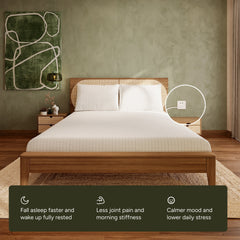
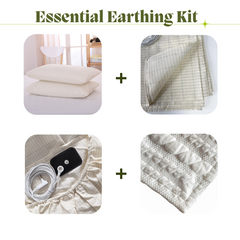
Grounding products make indoor earthing practical. Terra Therapy’s fitted grounding bedsheets and grounding bed mats use conductive fabric connected to a verified ground, allowing contact while you sleep or rest. Essential Grounding Starter Kits provide the cables and outlet testers required to set up safely at home.
Examples of how people use them as natural pain management solutions:
- Place a grounding bed mat under your fitted sheet to maintain skin contact overnight if you experience back or hip discomfort.
- Use a grounding mat under your desk to keep bare feet or forearms grounded during long work sessions when neck or shoulder tension builds.
- Combine a fitted grounding bedsheet with gentle mobility work to support recovery after activity-related knee or foot pain.
Evidence to date is promising but not definitive. Small randomized and pilot studies have reported reduced pain scores, improved sleep, and changes in physiological markers, while larger, independent trials are limited. Grounding mats for pain relief and grounding therapy for pain should therefore be viewed as complementary—not replacements for medical care. If you have an implanted medical device or a complex condition, consult your clinician and always use an outlet tester to confirm a proper ground before connecting.
The Science Behind Grounding's Benefits
Chronic pain is often sustained by low‑grade inflammation, poor sleep, and autonomic nervous system imbalance. Grounding—electrically connecting your body to the Earth—aims to address these mechanisms by equalizing body voltage and potentially supplying electrons that can neutralize excess free radicals. In practice, grounding products connect to a grounded outlet or rod, offering a simple, indoor way to maintain contact for sustained periods.
What the research suggests so far is preliminary but intriguing. Small randomized, blinded, and pilot studies have reported changes relevant to pain:
- In sleep studies, participants who slept grounded showed normalized diurnal cortisol rhythms alongside self‑reported improvements in sleep quality and pain. Better sleep is a known lever for lowering pain sensitivity.
- Experiments using grounding patches after exercise‑induced muscle soreness found reductions in perceived pain and shifts in inflammatory and immune markers compared to sham conditions.
- Short sessions of grounding have been associated with improved heart rate variability, indicating greater parasympathetic (rest‑and‑digest) activity—important for downshifting stress that amplifies pain.
- Acute grounding has been linked to lower blood viscosity and reduced red blood cell aggregation, which may support microcirculation and tissue oxygenation—factors tied to discomfort and recovery.
These findings do not constitute definitive evidence, but they outline plausible pathways by which grounding therapy for pain could help reduce chronic inflammation. For many wellness seekers, this positions grounding as one of several natural pain management solutions to consider.
How this translates to daily use:
- Overnight: A fitted grounding bedsheet or bed mat provides hours of contact when the body repairs most. Users with back or joint discomfort often prefer this set‑and‑forget option.
- Daytime: A grounding mat under the desk for 30–60 minutes can be used during computer work. Some place a mat under bare feet or a forearm near an area of tension for targeted sessions.
- Starter approach: Combine overnight contact with short daytime sessions for two to four weeks and track changes in sleep quality, morning stiffness, and activity‑related soreness.
While results vary, consistent use of grounding products for chronic pain may complement other non‑pharmacologic strategies. If you’re exploring earthing benefits for pain, start gradually, observe your response, and integrate alongside movement, sleep hygiene, and clinician‑guided care.

How Grounding Reduces Inflammation and Pain
Grounding connects your body to the Earth’s surface electrons through a conductive path, which may help neutralize excess free radicals and dampen the cascade that sustains inflammation. Early human studies and lab models suggest this electron transfer can modulate inflammatory signaling and oxidative stress—factors closely linked to persistent musculoskeletal pain.
Another pathway involves the nervous system. Contact with a grounded surface has been shown in small trials to shift the autonomic balance toward parasympathetic activity, improve heart‑rate variability, and smooth the daily cortisol rhythm. Calmer stress physiology can translate into less muscular tension, fewer pain flare‑ups at night, and better sleep quality—key earthing benefits for pain management.
Circulation matters too. Preliminary research indicates grounding can reduce red blood cell clumping and lower whole‑blood viscosity, potentially improving microcirculation. Better tissue perfusion can ease ischemic discomfort and support recovery in conditions like low back pain or arthritic stiffness.
How to put this into practice with grounding therapy for pain:
- Overnight recovery: Use a Terra Therapy fitted grounding bedsheet to maintain gentle, continuous contact while you sleep. Many people with back, hip, or shoulder discomfort find nighttime grounding helps them wake with less stiffness.
- Daytime relief: Place a grounding mat under your feet at a desk to encourage relaxed posture and calm the nervous system. Users seeking grounding mats pain relief often start with 30–60 minutes and build up.
- Targeted sessions: For localized issues (e.g., knee or elbow soreness), rest the area on a conductive surface during relaxation or mobility work.
For individuals exploring grounding products chronic pain support, a simple routine can help:
- Track pain scores and sleep quality for 2–4 weeks.
- Combine with natural pain management solutions like gentle movement, hydration, and stress-reduction techniques.
- Keep expectations realistic; responses vary, and grounding complements—not replaces—clinical care.
While more rigorous trials are needed, the converging mechanisms—oxidative balance, autonomic regulation, and microcirculation—offer a plausible rationale for using earthing to reduce chronic inflammation grounding practices. For most people, it’s a low-effort adjunct that can integrate easily into daily life. If you have implanted electronic devices or take anticoagulants, consult your clinician before starting.
Effective Grounding Products for Pain Relief
For wellness seekers evaluating grounding products chronic pain management, match the product to your pain pattern and daily routine to maximize contact time and comfort.
Fitted Grounding Bedsheets are ideal for full-body, overnight exposure—useful if you wake with stiffness from arthritis, fibromyalgia, or back pain. Terra Therapy’s fitted designs maintain continuous skin contact through conductive fibers woven across the sleep surface. Overnight use leverages one of the most cited earthing benefits for pain: better sleep quality alongside reduced morning discomfort. Care matters for performance—wash on gentle, avoid fabric softeners (they can insulate), and ensure skin makes direct contact.
Grounding Bed Mats help with targeted coverage. Place a mat where pain concentrates—under the lower back, hips, or shoulders on the mattress, or at the foot of the bed so calves and feet remain connected. Many customers also use a mat under the desk to keep ankles or forearms grounded during long sitting sessions, supporting grounding mats pain relief routines throughout the day. Look for durable, carbon-infused or silver-threaded surfaces, non-slip backing, and snap-on cords rated for strain relief.
Essential Grounding Starter Kits bundle a mat or sheet with a tester, cord, and outlet adapter so you can verify a true ground before use. Testing consistency is important if you’re using grounding therapy for pain in different rooms or when traveling.
How to choose:
- Aim for the longest practical contact window—overnight sheet if pain is widespread, mat for targeted or desk-based relief.
- Confirm proper grounding with a tester; connect only to the ground port or a dedicated grounding rod.
- Prioritize skin contact and a snug fit; moisture from clean skin improves conductivity.
- Consider maintenance: machine-washable sheets for daily use, wipe-clean mats for shared spaces.
How to use safely and effectively:
- Start with nightly sessions; many users notice cumulative effects over 2–4 weeks.
- Stay hydrated, and avoid heavy lotions before bed (they can impede conductivity).
- If you have implanted medical devices, consult your clinician before starting.
Early studies and pilot trials suggest earthing may help reduce chronic inflammation; grounding by providing a path for electron flow could modulate inflammatory processes and sleep-related cortisol rhythms. While larger trials are still needed, these natural pain management solutions are low-burden and easy to integrate at home.
Integrating Grounding into Your Daily Life
Making grounding a consistent habit is more effective than occasional use. For those exploring grounding products chronic pain management, think in terms of brief touchpoints throughout the day plus an overnight routine.

Start your morning by standing barefoot on a grounding mat while you stretch, read, or sip coffee. Fifteen to 20 minutes of direct skin contact is a simple way to ease into the day. At your desk, place a mat under your feet or forearms. Many office workers use this setup for several hours to offset stiffness from prolonged sitting; grounding mats pain relief is most often reported when there is uninterrupted skin contact.
Post-activity recovery is another practical window. After a walk, workout, or a pain flare, sit with calves, hands, or the lower back in contact with a mat for 30–60 minutes. Pairing grounding with breathwork or gentle mobility can amplify relaxation and may support earthing benefits for pain.
Overnight use delivers the longest exposure. Fitted grounding bedsheets or a bed mat provide continuous contact that aligns with the body’s natural repair cycles. Small clinical studies and user reports suggest better sleep quality and reduced morning soreness, making this a cornerstone for grounding therapy for pain.
Quick-start plan with Terra Therapy essentials:
- Essential Grounding Starter Kit: outlet tester, cord, and mat to begin safely at home.
- Grounding Bed Mat: under-desk by day; recliner or sofa recovery by evening.
- Fitted Grounding Bedsheets: 6–8 hours of consistent contact while you sleep.
Set up and safety basics:
- Use only a properly grounded three-prong outlet; confirm with the included outlet tester.
- Ensure direct skin contact; thin cotton socks reduce, but do not eliminate, conductivity.
- Connect products directly to the outlet—avoid power strips and surge protectors.
- Inspect cords regularly; discontinue use if damaged. Consult your clinician if you have an implanted medical device or are pregnant.
Care and maintenance:
- Wash grounding sheets in cool water with mild detergent; avoid bleach and fabric softeners.
- Wipe mats with a damp cloth; keep connectors snug. Periodically test continuity to verify performance.
Track outcomes to personalize your routine. Log pain scores, morning stiffness, sleep duration, and recovery time after activity. Many people explore reduce chronic inflammation grounding practices alongside natural pain management solutions like movement, stress reduction, and an anti-inflammatory diet. Consistency over weeks, not days, is key to evaluating results.
Real-Life Success Stories and Testimonials
Across thousands of orders, we hear consistent, self-reported outcomes from people using grounding therapy for pain as part of natural pain management solutions. While individual results vary, these accounts illustrate how integrating fitted sheets or mats into daily routines may support comfort, sleep, and function for those exploring grounding products chronic pain relief.
Elena, 45, a project manager with long-standing sciatica, added a Terra Therapy Fitted Grounding Bedsheet. She connected it to a grounded outlet and logged pain and sleep nightly. Within two weeks, her morning pain scores dropped from 6/10 to 3/10, and her sleep tracker showed 26 more minutes of deep sleep on average. After four weeks, she reported fewer “pain-flare” days and was able to resume 30-minute walks most evenings.
Marcus, 62, dealing with knee osteoarthritis, used a Grounding Bed Mat under his desk in the morning and on the sofa in the evening (about 3–4 hours total). He noted gradual improvements over a month: less stiffness on standing, a pain range shifting from 5–7/10 to 3–5/10, and the ability to climb stairs without pausing. He described the effect as subtle but cumulative, aligning with his goal to reduce chronic inflammation—grounding practices complemented his exercise and weight management plan.
Priya, 39, a teacher with plantar fasciitis, placed a Grounding Bed Mat at the foot of her bed and rested her calves and heels on it while reading 45 minutes before sleep. By week three, her first-step morning pain decreased from 7/10 to 4/10, and she reported fewer nighttime wake-ups. She kept the routine for two months and maintained the gains, adding gentle calf stretching.
Common patterns customers report with grounding mats pain relief and earthing benefits for pain:
- Consistency: 6–8 hours overnight with a fitted sheet or 2–4 daytime hours with a mat.
- Skin contact: Bare skin on the conductive area improves results.
- Sleep benefits first: Better sleep and lower morning stiffness often precede daytime pain changes.
- Stacking habits: Hydration, light movement, and regular sleep schedules may amplify effects.
- Tracking: A simple 0–10 pain scale and sleep logs help quantify changes.
Many Wellness Seekers use Terra Therapy’s Fitted Grounding Bedsheets, Bed Mats, or Starter Kits to explore grounding therapy for pain. These stories are anecdotal and not medical advice, but they show practical ways people integrate earthing into daily life while working with their healthcare providers.
Choosing Your Ideal Grounding Solutions
Selecting grounding products for chronic pain starts with matching your daily routine, pain pattern, and environment to the right form factor. Because consistency matters for grounding therapy for pain, choose options you can use for hours without effort.

- Nighttime pain or restless sleep: A fitted grounding bedsheet offers the longest, most effortless contact and is ideal if you wake with back, hip, or widespread body aches. Terra Therapy’s conductive sheets maintain skin contact across large surface areas, helping you capitalize on potential earthing benefits for pain while you sleep.
- Localized daytime pain: Grounding mats target specific regions and are easy to use at a desk, sofa, or standing workstation. For example, place a mat under your feet for plantar fascia discomfort or beneath your forearms to ease shoulder and neck tension from computer work. Many users find grounding mats pain relief more noticeable when the painful area has direct skin contact.
- Unsure where to start: An Essential Grounding Starter Kit simplifies setup with the core components you need and an outlet tester to confirm a safe ground connection. It’s a practical path for natural pain management solutions without overbuying.
Consider these selection factors:
- Time-in-contact: Overnight sheets deliver 6–8 hours of passive use; mats fit shorter but frequent sessions.
- Target area: Choose full-body coverage for diffuse pain; choose a mat for knees, feet, hands, or lower back.
- Fabric and fit: For sheets, match your mattress size; look for soft, breathable cotton with woven conductive fibers to maintain comfort and continuity.
- Home setup: Use a properly grounded outlet only; avoid connecting through surge protectors. Test before first use.
- Maintenance: Wash conductive fabrics without bleach or fabric softener and tumble dry low to preserve conductivity.
- Sensitivity: If you’re electrically sensitive, begin with shorter sessions (30–60 minutes) and build up.
- Medical devices: Consult your clinician if you use implantable or wearable medical devices.
Examples:
- Chronic low back stiffness: Fitted grounding bedsheet overnight, optionally add a bed mat under the fitted sheet for extra contact at the lumbar region.
- Knee osteoarthritis flare after activity: Couch mat during recovery while reading or watching TV.
- Desk-related neck and shoulder pain: Forearm mat plus a foot mat to increase contact time during work.
While research on grounding to reduce chronic inflammation is still emerging, early studies and user reports suggest improvements in pain perception and recovery. Choose the solution that fits your lifestyle so you can use it consistently.
Embracing a Grounded Lifestyle for Wellness
Creating a grounded lifestyle is about consistency. When used daily and combined with healthy routines, grounding products for chronic pain can support broader wellness goals without relying solely on pharmaceuticals.
Make grounding part of your day in predictable windows. At night, a fitted grounding bedsheet maintains contact for hours while you sleep—an easy way to build regular exposure. During the day, a grounding bed or desk mat under your feet provides a simple touchpoint while you work, read, or meditate. Many users find grounding mats pain relief more noticeable when they’re stationary and the skin contact is direct.
Practical steps to integrate grounding safely and effectively:
- Start gradually: Begin with 30–60 minutes and increase as comfortable, noting changes in pain, sleep, or mood.
- Verify your connection: Use a simple outlet tester to confirm a properly grounded outlet, or follow instructions for a dedicated grounding rod if provided.
- Prioritize skin contact: Bare feet, calves, or forearms on the conductive surface improve conductivity. A thin cotton layer is acceptable but may reduce intensity.
- Maintain conductivity: Wash conductive sheets with mild detergent; avoid bleach, fabric softeners, and dryer sheets. Oils and lotions can reduce contact efficiency—clean mats periodically with a damp cloth and mild soap.
- Stack with supportive habits: Pair grounding with gentle stretching, breathwork, hydration, and an anti-inflammatory diet to create comprehensive, natural pain management solutions.
- Track outcomes: Keep a brief journal of pain scores, sleep quality, morning stiffness, and energy. Wearables can add data on sleep and heart rate variability.
- Stay safe: People with implanted electronic devices or complex medical conditions should consult their healthcare provider before starting grounding therapy for pain.
Expect gradual changes rather than instant results. Early pilot studies and user reports point to earthing benefits for pain, sleep, and perceived stress, though larger trials are still needed. Some research suggests grounding may influence autonomic balance and inflammatory markers; if you aim to reduce chronic inflammation, grounding should complement—not replace—clinically recommended care.
For practical adoption, many start with an Essential Grounding Starter Kit to test placement and routine, then expand to a Fitted Grounding Bedsheet for overnight use and a Grounding Bed Mat for daytime sessions. Consistent use, thoughtful tracking, and realistic expectations help you evaluate whether grounding aligns with your pain-relief plan.
Conclusion: A Natural Path to Relief
If you’re exploring natural pain management solutions, earthing offers a simple, low-barrier practice that can complement a comprehensive plan. Early studies and user reports point to meaningful earthing benefits for pain—improved sleep quality, less morning stiffness, and calmer nervous-system activity—while acknowledging that evidence is still developing and individual responses vary.
Research to date is small but suggestive: pilot trials have reported decreases in self-reported pain, shifts toward healthier cortisol rhythms, improved heart-rate variability, and changes in biomarkers associated with inflammation after regular grounding. These findings don’t make grounding a standalone treatment, but they support its role as an adjunct alongside movement, physical therapy, stress reduction, and good sleep hygiene. In short, grounding therapy for pain is low-risk, inexpensive over time, and easy to integrate.
Practical ways to start:
- Overnight contact: Use fitted grounding bedsheets to maximize contact time during sleep—often the most convenient window for consistent use.
- Workday support: Place grounding mats under your desk or by a favorite chair for daytime sessions; many users experiment with 30–120 minutes to explore grounding mats pain relief.
- Verify your setup: Connect to a properly grounded outlet or a dedicated grounding rod, and use an outlet tester to confirm ground.
- Ensure skin contact: Bare skin against the conductive surface yields the most reliable results.
- Track outcomes: Log daily pain scores, sleep duration/quality, morning stiffness, and activity tolerance for at least 2–4 weeks.
- Stay coordinated: Discuss changes with your clinician, especially if you’re on pain medications, have implanted medical devices, or manage complex conditions.
For those who prefer ready-to-use options, Terra Therapy’s fitted Grounding Bedsheets, Grounding Bed Mats, and Essential Grounding Starter Kits make indoor earthing simple and consistent—key for evaluating real-world benefits. Searches like “grounding products chronic pain” reflect growing interest in accessible tools that fit daily routines without side effects or downtime.
It’s reasonable to expect incremental improvements first—such as fewer nighttime awakenings or modest reductions in pain intensity—with some individuals noticing benefits within days and others over several weeks. While the literature on how to reduce chronic inflammation grounding is not definitive, the risk profile is low. With regular use, clear tracking, and medical guidance where appropriate, grounding products can be a practical part of a broader, evidence-informed approach to relieving persistent pain.