



Understanding Inflammation and Soreness
Inflammation is your body’s repair signal. When tissues are stressed or injured, immune cells release chemical messengers (like cytokines and prostaglandins) that increase blood flow and sensitivity to pain. Soreness is the sensation you feel as those processes unfold. Understanding what’s happening under the surface helps you choose natural inflammation soreness relief that matches the cause.
There are two broad patterns. Acute inflammation follows a workout, sprain, or infection and usually resolves as the tissue heals. Delayed-onset muscle soreness (DOMS), for example, peaks 24–72 hours after unfamiliar or intense exercise due to tiny muscle fiber disruptions. Chronic, low-grade inflammation is different—it smolders for months or years, often fueled by poor sleep, persistent stress, smoking, excess visceral fat, and highly processed diets. Over time, it can amplify everyday aches and fatigue.
Common contributors you can modify include:
- Sleep debt: even a few nights short on sleep can raise inflammatory markers like CRP.
- High-glycemic, ultra-processed foods and low omega-3 intake.
- Sedentary time punctuated by occasional overexertion.
- Dehydration and electrolyte imbalance after long days or workouts.
- Ongoing psychological stress that keeps the nervous system “on.”
Seek medical care for red flags such as severe swelling, warmth and fever, sudden inability to bear weight, numbness/tingling, or pain that worsens despite rest.
Evidence-based, natural muscle soreness remedies you can start today:
- Smart movement: gentle walking, mobility work, or cycling increases circulation without adding damage.
- Sleep hygiene: 7–9 hours in a cool, dark room supports repair and helps reduce chronic inflammation.
- Nutrition: emphasize colorful plants, legumes, nuts, fish, olive oil; consider tart cherries, turmeric/ginger, and omega-3–rich foods; discuss supplements with a clinician.
- Hydration: water plus electrolytes around strenuous activity.
- Temperature and touch: brief cold exposure, heat for stiffness, contrast showers, compression, and light massage can ease discomfort.
Some people also explore holistic inflammation solutions like mindfulness, breathwork, nature exposure, and grounding. Preliminary research on earthing for pain suggests potential benefits for perceived soreness and autonomic balance, though larger trials are needed. For those curious, indoor options—such as conductive mats or bedsheets connected to a verified ground—offer a practical way to try grounding inflammation relief as part of a broader plan centered on sleep, nutrition, movement, and stress care.
Root Causes of Chronic Discomfort
Chronic discomfort rarely comes from a single source. It’s usually the result of overlapping factors—low-grade inflammation, mechanical strain, nervous-system sensitivity, and recovery gaps. Understanding these root drivers helps you target natural inflammation soreness relief with strategies that match your life.
Common contributors to ongoing soreness and stiffness include:
- Overuse and under-recovery: Repetitive workloads create microtears and delayed-onset muscle soreness. Skimping on sleep or protein slows tissue repair. Example: a “weekend warrior” jumps into intense workouts after a sedentary week and stays sore for days.
- Sedentary posture: Long hours at a desk can inhibit glutes, tighten hip flexors, and overload the neck and shoulders. Forward-head posture increases strain on the cervical spine, often causing tension headaches.
- Sleep disruption: Poor sleep sensitizes pain pathways and increases inflammatory signaling. Stabilizing circadian rhythms helps reduce chronic inflammation and supports overnight tissue repair.
- Chronic stress: Persistent sympathetic “fight-or-flight” activation elevates cortisol, drives muscle guarding, and can amplify pain perception. Gentle breathwork and microbreaks help reset the nervous system.
- Nutrition and hydration: Diets high in refined sugars and industrial seed oils can be pro-inflammatory, while inadequate protein, omega-3 fats, magnesium, and vitamin D may slow recovery. Blood sugar swings and dehydration also worsen cramps and fatigue.
- Gut and immune factors: Food intolerances and microbiome imbalances can fuel systemic inflammation that shows up as widespread aches.
- Mechanics and footwear: Limited ankle mobility, weak feet, or stiff footwear alter gait and load joints and fascia. Varying terrain and movement patterns can offload hotspots.
- Central sensitization: After an injury or period of stress, the nervous system can become hypersensitive, keeping pain “turned up” even as tissues heal.
- Medical conditions and meds: Arthritis, autoimmune issues, thyroid dysfunction, or medication side effects can contribute. Persistent or unexplained pain warrants medical evaluation.
For holistic inflammation solutions, start with the fundamentals—sleep quality, progressive strength and mobility, protein and omega-3 intake, stress regulation, and gentle natural muscle soreness remedies like walking, light stretching, heat/cold exposure, and massage or self-myofascial release.
Many people also explore grounding for additional support. Early studies suggest earthing for pain may improve sleep, calm the autonomic nervous system, and influence markers tied to inflammation and delayed-onset muscle soreness. While research is still developing, indoor practices—such as conductive bedsheets or mats—offer a convenient way to try grounding inflammation relief as part of a comprehensive plan. Combined with movement, nutrition, and recovery, this layered approach can help reduce chronic inflammation and ease everyday soreness naturally.
Dietary Changes for Inflammation Control
Food choices set the baseline for natural inflammation soreness relief. Aim for a consistent, whole‑food pattern that supplies antioxidants, fiber, and healthy fats while minimizing blood sugar spikes and highly processed ingredients. This creates a quieter inflammatory environment so muscles can recover and joints feel less irritated.
A Mediterranean-style plate is a proven foundation. Center meals on plants, prioritize omega‑3s, and use extra‑virgin olive oil as your primary fat.
Focus on:
- Colorful produce (berries, cherries, leafy greens, broccoli, peppers) for polyphenols and vitamin C
- Fatty fish (salmon, sardines, mackerel) 2–3 times weekly for EPA/DHA
- Nuts and seeds (walnuts, chia, flax) for additional omega‑3 precursors
- Legumes and intact whole grains (lentils, chickpeas, oats, quinoa) for fiber to feed a healthy microbiome
- Fermented foods (yogurt, kefir, sauerkraut) to support balanced immune signaling
- Extra‑virgin olive oil instead of butter or shortening
Limit or replace:
- Ultra‑processed snacks and sweets, refined grains, and sugar‑sweetened beverages
- Processed meats and frequent deep‑fried foods
- Excess alcohol; keep to moderate intake if you choose to drink
- Large amounts of refined oils common in packaged foods, which can skew the omega‑6 to omega‑3 balance
Strategic additions can help reduce chronic inflammation and ease post‑exercise soreness:
- Turmeric and black pepper: add 1/2–1 tsp turmeric to soups, eggs, or smoothies; piperine in pepper boosts curcumin absorption
- Ginger: fresh in stir‑fries or tea; linked to less DOMS after workouts
- Tart cherry juice: 8–12 oz in the evening may support sleep and natural muscle soreness remedies
- Green tea: 2–3 cups daily for catechins that support holistic inflammation solutions
- Hydration and electrolytes: drink water consistently; include potassium‑rich foods (bananas, potatoes, beans, yogurt) to support muscle function
Cover protein at each meal (about 20–30 g) to repair tissues, and include magnesium‑rich choices (pumpkin seeds, almonds, spinach, dark chocolate) to relax muscles.
Sample day:
- Breakfast: oatmeal with berries, chia seeds, and cinnamon; green tea
- Lunch: salmon salad with mixed greens, tomatoes, olives, and olive oil–lemon dressing
- Snack: kefir with walnuts and a few tart cherries
- Dinner: turmeric‑ginger lentil stew with spinach; side of roasted broccoli
Nutrition pairs well with gentle lifestyle practices. Many people find that combining these dietary steps with indoor earthing—such as grounding bedsheets or mats—for grounding inflammation relief and earthing for pain creates a complementary approach to comfort and recovery.
Lifestyle Habits for Pain Relief
Lasting relief starts with daily choices that calm the body’s inflammatory response. For natural inflammation soreness relief, build a simple routine that supports sleep, movement, nutrition, recovery, stress balance, and contact with nature.

- Prioritize sleep
- Aim for 7–9 hours on a consistent schedule; keep the room dark, cool, and quiet.
- Finish meals and intense workouts 2–3 hours before bedtime; limit alcohol and late caffeine.
- A brief wind-down (light stretch, reading, or breathwork) lowers arousal that can amplify pain.
- Move consistently, recover smart
- Low-impact activity (walking, cycling, swimming) 30–45 minutes most days helps reduce chronic inflammation.
- Strength training 2–3 times weekly maintains joint support; include an easy recovery day after hard sessions.
- For natural muscle soreness remedies, try 5–10 minutes of gentle mobility, foam rolling, or a warm shower before stretching.
- Eat to quiet inflammation
- Emphasize colorful plants, legumes, nuts, whole grains, and herbs; include fatty fish (salmon, sardines) twice weekly for omega‑3s.
- Use spices with evidence for soreness support—turmeric with black pepper, ginger, and tart cherry juice (about 8–12 oz) around strenuous activity.
- Reduce ultra‑processed foods high in refined sugars and trans fats; aim for steady blood sugar with protein and fiber at each meal.
- Hydrate well; add electrolytes if training or working in heat.
- Use heat, cold, and compression judiciously
- Heat can relax tight tissues before mobility; cold may ease acute soreness. Apply 10–20 minutes based on comfort.
- Light compression sleeves or wraps can decrease swelling after activity.
- Manage stress reactivity
- Try 6 breaths per minute for 5 minutes, twice daily; brief mindfulness or nature exposure lowers perceived pain.
- Short, frequent “microbreaks” during desk work help prevent tension build‑up.
- Ground with the Earth
- Earthing for pain is a low-effort tool: spend 10–20 minutes barefoot on grass, soil, or sand when possible.
- For grounding inflammation relief indoors, use grounded surfaces during high‑touch times—sleep and desk work. Terra Therapy fitted grounding bedsheets and bed mats connect to a grounded outlet or rod to maintain gentle contact overnight or while you work.
- Preliminary studies report improved sleep quality, calmer nighttime cortisol patterns, and less perceived soreness—making earthing a practical addition within holistic inflammation solutions.
Start with one or two habits, track how you feel for two weeks, and layer from there. Consistency, not intensity, drives meaningful change.
The Healing Power of Grounding
Grounding—also called earthing—is the practice of making direct skin contact with the Earth or using conductive systems indoors to equalize your body’s electrical charge. For many wellness seekers, it’s a simple, low-effort strategy that may support natural inflammation soreness relief by easing nervous system arousal, improving sleep quality, and enhancing recovery.

What the research suggests:
- Small pilot and crossover trials have reported reduced delayed-onset muscle soreness after exercise, improved heart rate variability (an indicator of stress resilience), shifts toward more normalized daily cortisol rhythms, and changes in markers associated with inflammation following grounding sessions.
- While evidence is still emerging and not definitive, these findings align with how better sleep and lower stress can help reduce chronic inflammation over time.
How it may help:
- Downshifts stress: Calming sympathetic “fight-or-flight” activity can ease muscle tension and perceived pain intensity.
- Supports sleep: More consolidated sleep is linked with faster recovery and fewer inflammatory flare-ups.
- Post-exercise recovery: Some individuals report less stiffness and quicker return to training—useful among natural muscle soreness remedies.
Practical ways to try grounding inflammation relief at home:
- Overnight: Sleep on conductive fitted grounding bedsheets to maintain gentle contact for 6–8 hours, when the body naturally repairs.
- Workday: Place a grounding bed mat under your feet at a desk to lower stress load during sedentary hours.
- Recovery sessions: After a workout, sit or stretch on a grounded mat for 30–60 minutes to explore earthing for pain and stiffness.
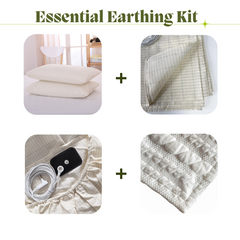
- Starter approach: Use an essential grounding starter kit to test different settings—bedroom, sofa, or workspace—and see where you notice the greatest benefit.
Make it systematic:
- Combine with hydration, protein-rich meals, and light mobility work for holistic inflammation solutions.
- Track outcomes for 2–4 weeks: sleep duration, time-to-sleep, soreness ratings (0–10), morning energy, and daytime calm. Consider simple HRV tracking if available.
Safety and setup tips:
- Verify your outlet is properly grounded or use a dedicated grounding rod per product instructions.
- If you have implanted electronic devices, are pregnant, or have a complex medical condition, consult a clinician before starting.
- Grounding complements care; it doesn’t replace diagnosis or treatment.
Used consistently, indoor earthing tools offer a convenient way to explore natural inflammation soreness relief and potentially reduce chronic inflammation as part of a broader, lifestyle-based plan.
Grounding's Impact on Inflammation
Inflammation is your body’s repair signal, but when it lingers, it fuels soreness, stiffness, and fatigue. Many people look for natural inflammation soreness relief that fits into daily life. Grounding—making direct skin contact with the Earth or conductive surfaces connected to Earth—offers a simple, low-effort practice that may support the body’s recovery processes.
The leading theory is electrical: the Earth’s surface holds a surplus of free electrons. When you’re grounded, these electrons may help neutralize excess reactive oxygen species involved in inflammatory responses. Grounding is also associated with shifts toward parasympathetic (“rest-and-digest”) activity and more stable cortisol rhythms—both relevant to calming inflammatory pathways.
Early studies, while small, are encouraging. Pilot trials report:
- Less delayed-onset muscle soreness after strenuous exercise and faster return of normal skin temperature patterns on thermal imaging.
- Improvements in heart rate variability, suggesting reduced stress load, which can help reduce chronic inflammation over time.
- Lower blood viscosity in some participants, a factor tied to circulation and tissue recovery.
These findings don’t replace medical care, but they position grounding as a promising option within holistic inflammation solutions.
Practical uses:
- Post-workout recovery: Try earthing for pain and stiffness after weight training, long runs, or hikes.
- Desk-related aches: Ground your feet during computer work to ease neck, shoulder, or low-back tightness.
- Travel recovery: Use grounding to help reset after flights and heavy walking days.
Terra Therapy makes indoor grounding accessible so you can integrate it consistently—the key to results.
How to apply it at home:
- Overnight: Fitted Grounding Bedsheets create hours of uninterrupted contact while you sleep, supporting repair processes aligned with your circadian rhythm.
- Daytime: Place a Grounding Bed Mat at your desk or couch with bare feet or calves in contact for 30–60 minutes.
- Starter approach: Essential Grounding Starter Kits pair a mat for daytime sessions with a sheet for nighttime coverage.
Tips for best results:
- Ensure bare skin contact with the conductive surface.
- Stay hydrated to support circulation.
- Use a grounded outlet with a tester or a dedicated grounding rod, following product instructions.
- Track changes in soreness, range of motion, and sleep quality over 2–4 weeks.
Safety notes:
- Consult your clinician if you use implanted medical devices, have open wounds, or a complex health condition.
- Use only properly grounded connections; follow all product guidance.
Grounding won’t fix every issue, but paired with movement, restorative sleep, and an anti-inflammatory diet, it can be a practical part of natural muscle soreness remedies to gently reduce chronic inflammation and support everyday comfort.
Integrating Earthing into Your Routine
Earthing fits naturally into a daily routine and can complement other holistic inflammation solutions. The goal is consistent, low-effort contact with a grounded surface to support natural inflammation soreness relief, better sleep, and calmer stress responses over time.
Practical ways to start:

- Overnight grounding: Make sleep your anchor. Use a Fitted Grounding Bedsheet so bare skin (calves, thighs, or torso) contacts the conductive fabric for several hours. Longer nightly sessions tend to be more impactful than brief daytime sessions. Many users notice changes in sleep continuity and morning stiffness within 1–3 weeks.
- Desk setup: Place a Grounding Bed Mat under your feet while working or reading. Aim for 30–90 minutes daily. This simple habit can support grounding inflammation relief during sedentary periods and pairs well with micro-breaks and mobility drills.
- Post-workout recovery: For natural muscle soreness remedies, sit with feet or calves on a mat for 20–30 minutes after training while you hydrate and do light stretching. Gentle compression plus grounding may help you wind down and shorten the “wired” feeling after intense sessions.
- All-in-one beginner option: If you’re new to earthing for pain and recovery, an Essential Grounding Starter Kit simplifies setup and helps you build a consistent practice without guesswork.
Get the setup right:
- Confirm the outlet is properly grounded and follow the product instructions; avoid extension cords, power strips, or ungrounded adapters.
- Ensure skin contact with the sheet or mat. Thin sleepwear is fine, but direct skin contact is most efficient.
- Care matters: Wash conductive fabrics as directed; typically avoid bleach and fabric softeners to preserve conductivity. Inspect cords and connectors periodically.
Track what matters:
- Keep a simple log of sleep quality, perceived stress, soreness (0–10), and energy levels. Review after 2–4 weeks to see trends.
- If you’re trying to reduce chronic inflammation, combine grounding with proven basics: consistent sleep and wake times, hydration, fiber-rich and omega-3 foods, gentle mobility, and breathwork.
Safety and expectations:
- Earthing is not a substitute for medical care. If you have an implanted electronic device, are pregnant, or have a dermatologic condition, consult your clinician before use.
- Start gradually if you’re sensitive—15–30 minutes daily—then build up to overnight use as tolerated.
Used consistently, earthing can be a practical layer in a broader plan to support grounding inflammation relief and natural inflammation soreness relief while you address root causes with sustainable lifestyle changes.
Herbal Support for Natural Wellness
Thoughtfully chosen herbs can complement movement, sleep, and grounding practices to deliver natural inflammation soreness relief. Many botanicals modulate pathways like COX/LOX and NF-κB, which influence pain and swelling, and can be used as teas, capsules, or topicals.
Targeted options to consider:
- Turmeric/curcumin: 500–1,000 mg/day of a standardized extract (often 95% curcuminoids) with piperine or a bioavailable form may support joint comfort. Add to meals with fat and black pepper. Avoid with blood-thinning medications or gallbladder disease unless medically cleared.
- Ginger: 1–2 g/day (capsules or tea) has evidence for exercise-induced muscle soreness and osteoarthritis. Grate fresh ginger into hot water; add lemon. May aggravate reflux; use caution with anticoagulants.
- Boswellia serrata: 300–500 mg, 2–3 times daily (standardized to ~65% boswellic acids) is studied for knee pain and stiffness. Occasional GI upset can occur.
- Willow bark: Provides 120–240 mg salicin/day for analgesic support. Avoid if you’re sensitive to aspirin, on anticoagulants, or have peptic ulcer disease.
- Devil’s claw: Standardized to 50–100 mg harpagoside/day, researched for low back pain. Use caution with ulcers or blood thinners.
- Tart cherry: 8–12 oz juice or 1 oz concentrate twice daily around strenuous activity may lessen delayed-onset muscle soreness due to anthocyanins.
- Topicals: Arnica gel (per label, typically 2–3 times daily) and capsaicin cream (0.025–0.075%) can ease localized aches; avoid broken skin with arnica.
Simple routines that work:
- Golden ginger tea: Simmer 1 tsp turmeric, 1 tsp grated ginger, and a pinch of black pepper in 10–12 oz water for 10 minutes. Optional honey and lemon.
- Post-workout protocol: Tart cherry concentrate + protein, brief stretching, arnica on tender spots, then quiet time on a grounding mat for added comfort.
For holistic inflammation solutions, pair botanicals with consistent sleep and stress regulation. Preliminary research suggests grounding practices may help with grounding inflammation relief and improved recovery. Many users also report earthing for pain as a complementary approach. Terra Therapy fitted grounding bedsheets, bed mats, or Essential Grounding Starter Kits make it easy to integrate these habits nightly—better rest can help reduce chronic inflammation over time.
Quality and safety matter. Choose third-party tested supplements, follow label dosing, and speak with your healthcare provider if you’re pregnant, on medications, or managing chronic conditions. Natural muscle soreness remedies can be powerful, but personalization and consistency drive results.
Achieving Lasting Comfort Naturally
Lasting comfort starts with habits that calm the nervous system, support tissue repair, and limit inflammatory triggers. Think in layers: sleep, movement, nutrition, stress regulation, and smart recovery tools. When combined, these create reliable, natural inflammation soreness relief.
Prioritize sleep quality. Deep sleep releases growth hormone and regulates cytokines involved in inflammation. Aim for a consistent bedtime, a dark room, and a cool temperature (around 60–67°F). If appropriate for you, consider magnesium glycinate (200–400 mg elemental magnesium in the evening); consult your clinician if you have kidney issues or take medications.
Use movement to circulate nutrients and clear metabolites. On sore days, choose active recovery: 10–20 minutes of easy walking or cycling, light mobility, and gentle stretching after tissues are warm. For acute strains with swelling, try 10 minutes of cold followed by rest and elevation. For stiff, non-acute soreness, use heat for 15–20 minutes, then perform range-of-motion exercises. These simple, natural muscle soreness remedies can curb overreliance on pain meds.
Nourish with an anti-inflammatory plate. Build meals around omega-3-rich fish, extra-virgin olive oil, colorful produce, nuts, legumes, and herbs. Evidence-backed add-ons:
- Curcumin (from turmeric): 500–1,000 mg/day with black pepper or a bioavailable form
- Ginger: 1–2 g/day for exercise-related soreness
- Tart cherry: 8–12 oz juice in the evening may aid recovery
Hydrate well, adding 300–500 mg sodium per hour of heavy sweating. Limit ultra-processed foods and excess alcohol to reduce chronic inflammation drivers.
Downshift stress to quiet pain signaling. Try slow nasal breathing (4–6 breaths per minute with longer exhales) for 5 minutes, 1–2 times daily. Morning light exposure and brief nature time also support autonomic balance.
Consider grounding as part of holistic inflammation solutions. Direct skin contact with the Earth—or grounded conductive products—may help lower static charge on the body and promote parasympathetic activity. Small preliminary studies report less delayed-onset muscle soreness and improved sleep, suggesting potential grounding inflammation relief. To make earthing for pain practical indoors:
- Sleep on a fitted grounding bedsheet to maintain contact overnight
- Use a grounding mat under your desk or by the sofa for 30+ minutes of daily contact
- Verify a properly grounded outlet with a tester and ensure bare skin contact with the conductive surface
For a simple routine, combine overnight grounding with a daytime session while working. If you have an implanted medical device, are pregnant, or have specific health conditions, consult your clinician first.
Track what works. Note soreness (0–10), sleep quality, and morning stiffness for 2–4 weeks as you layer these strategies. The goal is steady, sustainable progress in natural inflammation soreness relief—not quick fixes.