


Introduction: The Quest for Daily Vitality
Most people try to boost energy and mood naturally with quick fixes—extra coffee, a sugary snack, a supplement—only to crash later. Daily vitality is a systems issue, shaped by circadian rhythm, nervous system balance, blood sugar stability, nutrient status, sleep quality, and exposure to nature. Small, consistent inputs across these levers work better than sporadic overhauls.
Light and sleep anchor everything. Morning sunlight helps set your body clock, supporting a healthy cortisol awakening response and steadier energy throughout the day. Dimmer light at night preserves melatonin, which improves sleep depth and next-day mood. You’ll feel the difference more from regular timing than from any single late-night “hack.”
Movement is one of the most reliable natural energy boosters. Not just workouts—frequent light activity boosts circulation, mitochondrial function, and focus. Short walks after meals improve glucose control, helping you avoid the mid-afternoon slump. Gentle breathwork can calm an overactive stress response and improve mood naturally without sedation.
What you eat and drink matters for holistic wellness for energy. Protein- and fiber-forward meals blunt glucose spikes that drain energy. Hydration, especially with electrolytes, supports nerve and muscle function. Caffeine is useful, but timing it 60–90 minutes after waking and stopping by early afternoon preserves sleep and keeps anxiety in check.
Practical daily vitality tips you can start now:
- Light: 5–10 minutes of outdoor light within an hour of waking; dim lights/screens after sunset.
- Blood sugar: A savory, protein-rich breakfast (eggs, Greek yogurt, tofu scramble) and a 10–15 minute post-meal walk.
- Hydration: 500 ml water on waking with a pinch of sea salt or an electrolyte blend; sip consistently.
- Movement: Two or three 5–10 minute movement breaks (stairs, mobility, bodyweight exercises) plus a brisk 20-minute walk.
- Natural stress reduction: 5 minutes of 4-6 breathing (inhale 4 seconds, exhale 6), a short body scan, or a quiet outdoor pause.
- Caffeine: Delay the first cup; cut off by 2 p.m. to protect sleep.
Connection to the Earth is another emerging tool. Earthing—direct skin contact with grass, soil, or sand—has been studied for effects on sleep, stress, and recovery, with some research noting changes in heart-rate variability and circadian cortisol patterns. For consistent, indoor access, Terra Therapy enables grounding during everyday routines with fitted grounding bedsheets for nighttime and grounding mats for workspaces. Many users find that better sleep and a calmer nervous system translate into steadier daytime energy and a more resilient mood.
This guide explores the evidence, routines, and practical products that make natural energy sustainable—so you can feel clear, calm, and capable, every day.
Understanding Energy and Mood Connection
Energy and mood rise and fall together because they share the same biology. Neurotransmitters that shape outlook and motivation—serotonin, dopamine, norepinephrine—depend on sleep quality, stable blood sugar, inflammation levels, micronutrient status, and how your stress system (the HPA axis) is regulated. When those inputs skew, the brain interprets it as low energy and low mood. When they align, you can boost energy and mood naturally.
Sleep and circadian rhythms are foundational. Deep sleep restores cellular energy systems and supports tissue repair, while REM helps process emotion. Morning light prompts a healthy cortisol peak and nighttime darkness triggers melatonin, priming both daytime vitality and an even mood. Late-night bright light, heavy meals, and alcohol fragment sleep architecture, leaving you fatigued and irritable the next day.
Cellular energy production is another lever. Mitochondria require steady fuel and specific cofactors—B vitamins, iron, magnesium, CoQ10—to generate ATP efficiently. Large glucose swings can feel like mood swings; stabilizing meals smooth both. Hydration and electrolytes maintain nerve signaling and blood flow. The gut-brain axis also matters: fiber-rich, diverse diets support metabolites that influence mood and inflammation.
Stress tilts the autonomic nervous system toward “fight or flight,” draining energy and narrowing cognitive bandwidth. Natural stress reduction practices that increase parasympathetic tone—slow nasal breathing, time in nature, and grounding—can help. Early research and user reports suggest that contact with the Earth’s surface may downshift stress and improve sleep quality. Indoor options, such as Terra Therapy fitted grounding bedsheets or desk mats, make earthing accessible at night or while you work, offering a simple addition to holistic wellness for energy.
Daily vitality tips and natural energy boosters to improve mood naturally:
- Get 5–10 minutes of outdoor morning light and a short walk.
- Anchor meals with protein (25–35 g), colorful produce, and fiber to steady glucose.
- Front-load caffeine before noon; avoid it within 8 hours of bedtime.
- Hydrate early; add a pinch of minerals if you sweat or exercise.
- Take a 1–3 minute breath reset: 4–5 second nasal inhales, longer exhales.
- Use ultradian rhythms: 90-minute focus blocks followed by a 5–10 minute break.
- Schedule 20 minutes in green space; even a balcony plant break helps.
- Ground indoors: sleep on a fitted grounding sheet or place a desk mat under your bare feet.
- Create a wind‑down hour: dim lights, warm shower, no heavy meals or alcohol.
- Keep the bedroom cool, dark, and quiet to protect deep and REM sleep.
Prioritize Sleep for Sustained Energy
Quality sleep is the most reliable way to boost energy and mood naturally. Deep sleep restores your body and glycogen stores for next-day stamina, while REM supports emotional processing and motivation. When sleep is short or irregular, cortisol rises, cravings increase, and daytime focus drops—making every task feel harder than it should.
Anchor your sleep-wake rhythm first. Keep the same bedtime and wake time daily, get natural morning light soon after waking, and dim lights in the evening to cue melatonin. Keep your bedroom cool (about 60–67°F/15–19°C), quiet, and dark to minimize arousals that fragment sleep and sap vitality.
Daily vitality tips you can implement tonight:

- Aim for 7–9 hours in a consistent window; protect the last hour as a wind-down.
- Get 5–15 minutes of outdoor light within an hour of waking; at dusk, lower overheads and use warm lighting.
- Limit caffeine after midday; its half-life is ~5–6 hours, so late cups can delay sleep.
- Avoid heavy meals and alcohol within 3 hours of bed; both disrupt deep sleep.
- Move daily (20–30 minutes of moderate activity); finish intense training at least 3 hours before bedtime.
- Nap wisely: 10–20 minutes before 3 p.m. to avoid grogginess and keep bedtime intact.
- Practice natural stress reduction in your wind-down: box breathing (4-4-4-4), 4-7-8 breathing, light stretching, or a brief gratitude journal.
- Optimize your sleep setup: blackout curtains, a comfortable mattress and pillow, and white or pink noise if your environment is loud.
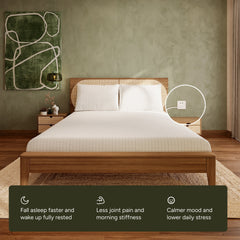
Grounding can be a helpful layer. Preliminary research and user reports suggest that earthing—direct skin contact with the Earth or a grounded surface—may help calm the nervous system and normalize nighttime cortisol patterns, supporting sleep onset and continuity. For indoor convenience, fitted grounding bedsheets or bed mats (such as those from Terra Therapy) enable contact throughout the night.
To use them effectively:
- Connect the cord to the ground port of a properly grounded outlet; verify with an outlet tester.
- Ensure bare-skin contact (hands, feet, or legs) with the conductive surface.
- Start gradually and pair with your wind-down routine for a compounded effect.
Track progress with a simple sleep log or wearable: note bedtime, wake time, awakenings, and next-day energy and mood. Small, consistent changes are powerful natural energy boosters that improve mood naturally and support holistic wellness for energy over the long term.
Manage Stress Naturally for Better Mood
Chronic stress drains motivation, disrupts sleep, and blunts the body’s natural energy rhythms. Supporting your nervous system with simple, repeatable habits helps stabilize cortisol so you can boost energy and mood naturally without relying on stimulants.
Use fast-acting calm techniques you can do anywhere:
- Breathwork: Try a “physiological sigh” (two short inhales through the nose, long exhale through the mouth) for 1–3 minutes to reduce acute stress. Box breathing (4-4-4-4) also helps steady your heart rate.
- Muscle release: Progressive muscle relaxation from toes to forehead eases tension you don’t notice you’re holding.
- Sensory reset: Step outside for two minutes of daylight, or splash cool water on your face to activate the dive response and calm the vagus nerve.
Prioritize natural light and movement. Morning sunlight for 5–10 minutes anchors circadian rhythms that influence mood. Light activity—like a brisk 10-minute walk after meals—dampens stress hormones and supports steady energy.
Earthing/grounding is another tool for natural stress reduction. Outdoors, that means direct contact with soil, grass, or sand. Indoors, Terra Therapy’s solutions make it practical daily:
- Fitted Grounding Bedsheets: Sleeping grounded may help improve sleep quality; preliminary studies suggest potential normalization of cortisol rhythms and reductions in perceived stress over time.
- Grounding Bed Mats: Place one where you read, stretch, or work; many users report feeling calmer after 20–30 minutes of contact.
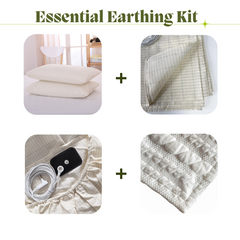
- Essential Grounding Starter Kits: A simple way to begin an at-home practice and explore how earthing fits your routine.
Nutrition can improve mood naturally by stabilizing blood sugar and supporting neurotransmitters:
- Build meals with protein, fiber, and healthy fats (eggs with greens and avocado; lentils with salmon).
- Favor magnesium-rich foods (pumpkin seeds, almonds, cacao) that support relaxation.
- Choose gentle natural energy boosters like green tea (L-theanine plus moderate caffeine) instead of high-sugar drinks.
Create a daily vitality routine:
- Morning: Sunlight, hydration, light movement, and a protein-rich breakfast.
- Midday: 3-minute breathing break every 90 minutes; short outdoor walk if possible.
- Evening: Digital “sunset” an hour before bed, warm shower, then wind down on a Terra Therapy grounding sheet.
Small, consistent practices compound. By lowering baseline stress, you free up physical and mental bandwidth to sustain holistic wellness for energy and a brighter mood throughout the day.
Nutrition and Hydration for Optimal Function
What you eat and drink sets the foundation for how steadily you feel throughout the day. Strategic nutrition and hydration can boost energy and mood naturally by stabilizing blood sugar, supporting neurotransmitter production, and maintaining fluid and electrolyte balance.
Start with hydration. Even a 1–2% fluid loss can reduce alertness and worsen mood. Aim for roughly 30–35 ml of fluids per kilogram of body weight daily (adjust up with heat or exercise). Use urine color as a guide—pale yellow is ideal. If you sweat or train, add electrolytes: sodium for fluid retention, potassium for nerve function, and magnesium for muscle relaxation. A simple option is water with a pinch of sea salt and a squeeze of citrus. Prioritize potassium-rich foods like leafy greens, beans, potatoes, and bananas.
Build plates that keep blood sugar steady. Pair 20–30 g of protein with high-fiber carbohydrates and healthy fats at each meal. Protein supplies amino acids for dopamine and serotonin pathways; fiber slows glucose absorption; fats support satiety and hormone production. Choose low-glycemic carbs (oats, quinoa, legumes, berries) over refined grains and sweets to avoid spikes and crashes that drain energy and affect mood.
Cover micronutrient basics tied to fatigue and mood. Iron and vitamin B12 support oxygen transport and energy metabolism; low levels can feel like persistent tiredness. Omega-3s (EPA/DHA) from salmon, sardines, and anchovies support brain health. Vitamin D influences circadian and immune signaling; get safe sun exposure and consider testing in low-sun seasons. Magnesium from pumpkin seeds, almonds, cacao, and leafy greens aids relaxation and sleep quality.
Feed your microbiome. Gut bacteria produce and modulate neurotransmitters that influence how you feel. Aim for 25–38 g of fiber daily from beans, oats, vegetables, fruit, and nuts. Include fermented foods—yogurt, kefir, sauerkraut, kimchi—several times per week to improve mood naturally via gut-brain pathways.

Use stimulants and depressants wisely. Caffeine at 1–3 mg/kg in the morning can enhance focus; prefer coffee with food or choose green tea for a gentler lift from L-theanine. Avoid caffeine late in the day. Limit alcohol, which fragments sleep and blunts next-day energy.
Practical daily vitality tips:
- Morning: Water plus electrolytes; Greek yogurt with berries and chia; green tea.
- Lunch: Quinoa salad with salmon, olive oil, chickpeas, and mixed greens.
- Snack: Apple with almonds or hummus with carrots.
- Dinner: Lentil and vegetable stir-fry with brown rice; herbal tea.
- Throughout: Sip fluids regularly; include water-rich foods like cucumbers, citrus, and melon.
For a holistic wellness for energy approach, pair nourishing meals and smart hydration with calming practices such as breathwork, brief outdoor walks, or grounding. These natural energy boosters support natural stress reduction and help you sustain steady, resilient energy across your day.
Movement and Outdoor Connection
Consistent movement and time outside are reliable ways to boost energy and mood naturally. Light to moderate activity increases circulation, releases feel‑good neurochemicals, and supports attention and motivation. When you take that movement outdoors, daylight and natural scenery add extra benefits that help improve mood naturally and steady your sleep–wake rhythm.
“Green exercise” is a powerful yet simple approach. Research links about 120 minutes per week in nature with higher well‑being and lower stress. Even a short 20‑minute walk in a park can shift your nervous system toward relaxation. Morning light exposure—ideally within an hour of waking—helps anchor circadian timing, a foundation for daytime energy and easier sleep at night.
Daily vitality tips to pair movement with outdoor connection:
- Take a 10‑minute morning light walk before checking email.
- Schedule one walking meeting or phone call outside.
- Add a 15–20 minute lunchtime park loop; sit where you can see trees or sky.
- Use micro‑workouts: 1–2 sets of squats, push‑ups, or stairs each hour.
- Try a weekly “ruck” (walk carrying a light backpack) for strength and cardio.
- Do 2–3 “mobility snacks” (hips, ankles, thoracic spine) during screen breaks.
- Practice nasal breathing on walks to promote calm focus.
- Wind down with a short, tech‑free sunset stroll.
Earthing is another way to deepen outdoor connection. When safe, stand or walk barefoot on grass, soil, or sand for 10–20 minutes. Many people notice natural stress reduction and a calmer mood. Early studies suggest potential shifts in autonomic balance (e.g., heart rate variability) that may support relaxation as part of holistic wellness for energy.
When weather, schedules, or urban living limit barefoot time outside, indoor options can help. Terra Therapy’s fitted grounding bedsheets and grounding bed mats enable contact while you sleep—supporting rest, which can boost energy and mood naturally the next day. Desk‑friendly mats bring grounding to your work hours, and Essential Grounding Starter Kits make setup straightforward.
A simple day plan:
- Morning: 5 minutes of mobility + 10 minutes of daylight walking.
- Midday: 20‑minute green walk; eat outdoors if possible.
- Afternoon: 3‑minute stair burst + 2‑minute stretch.
- Evening: 20‑minute stroll; relax on a grounding mat; sleep on a grounding bedsheet.
Stay hydrated, use sun protection, progress gradually, and choose safe surfaces—especially if going barefoot. If you have medical or orthopedic conditions, check with your clinician before changing activity levels.
Mindfulness and Mental Well-being Practices
Mental well-being practices are among the most reliable ways to boost energy and mood naturally. When your mind is less burdened by stress and rumination, your body frees up resources for focus, motivation, and steady energy. Even a few minutes of mindful attention can shift your nervous system toward balance.
Start with your breath. Slow, deliberate breathing signals safety to the brain and supports natural stress reduction.
- Box breathing: Inhale 4 seconds, hold 4, exhale 4, hold 4. Repeat for 2–4 minutes before meetings or workouts.
- 4-7-8: Inhale 4 seconds, hold 7, exhale 8. Do 4 cycles before bed to calm a racing mind.
- Extended exhale stroll: Walk at a relaxed pace, inhale 3 steps, exhale 5 steps for 5–10 minutes.
Use micro-practices to interrupt stress loops:
- One-minute check-in: Name one sensation, one emotion, one thought. Noticing without fixing builds regulation.
- Five senses reset: Identify 5 things you see, 4 feel, 3 hear, 2 smell, 1 taste. Great during mid-afternoon dips.
- Body scan break: Starting at the feet, soften one area per breath for 60–120 seconds between tasks.
- Gratitude cue: After lunch, note one thing that went well and why you influenced it. This trains optimistic attention and can improve mood naturally.
- Nature microdose: Look at the sky or a tree canopy for 60 seconds; research links brief nature contact to lower perceived stress.
Integrate mindful grounding. Earthing—making skin contact with conductive surfaces linked to the Earth—can serve as a calming anchor. Many users report better sleep and less tension when they include indoor earthing in their routine. For a simple start:
- Morning focus: Stand barefoot on a Terra Therapy Grounding Mat while doing 3 minutes of box breathing and setting one intention.
- Workday steadiness: During a call, rest your feet on the mat and practice relaxed exhalations.
- Evening wind-down: Journal for 5 minutes while lying on Terra Therapy Grounding Bedsheets to support a consistent pre-sleep ritual.
Preliminary studies suggest grounding may influence markers related to relaxation and sleep; experiences vary, and it’s not a medical treatment. Still, paired with mindfulness, it can be one of your most practical natural energy boosters.

Make it stick with habit stacking: attach one practice to an existing cue (coffee, commute, shutdown routine). Track energy and mood in a simple log to spot what delivers the biggest lift. These daily vitality tips create holistic wellness for energy without adding complexity—just consistent, gentle inputs that compound over time.
Embrace Natural Tools for Enhanced Well-being
Lasting vitality comes from stacking simple, consistent practices with supportive tools. When your daily environment reduces stress load and reinforces healthy rhythms, you naturally experience steadier energy, brighter mood, and deeper rest.
Start with circadian anchors. Get 5–10 minutes of outdoor morning light within an hour of waking to nudge your body clock. In the evening, dim overheads and favor warm lamps for at least 60 minutes before bed to promote melatonin.
Make hydration and nourishment effortless. Begin the day with 12–16 oz of water; add a squeeze of lemon or a pinch of mineral-rich salt if you’ve been sweating. Aim for a protein-forward breakfast (20–30 g) with fiber and healthy fats to minimize mid-morning crashes.
Layer in movement and breath. Short “movement snacks” beat long sedentary stretches: stand and walk briskly for 2–3 minutes every hour, or do a set of air squats or calf raises. For natural stress reduction, try 5 minutes of slow breathing (about 5–6 breaths per minute) or box breathing (4-4-4-4), which can help calm the nervous system.
Bring nature indoors with grounding. Terra Therapy’s products enable indoor earthing so you can boost energy and mood naturally while you sleep or work:
- Fitted Grounding Bedsheets: Use nightly with skin contact. Connect the cord to a properly grounded outlet per instructions. Many people find more restful sleep translates into improved daytime energy.
- Grounding Bed Mats: Place under your feet while reading or at your desk. Bare feet or thin socks work best for contact during 30–60 minute sessions.
- Essential Grounding Starter Kits: A streamlined way to begin indoor earthing, making setup straightforward for a consistent routine.
Practical daily vitality tips to improve mood naturally:
- Delay caffeine 60–90 minutes after waking to support natural cortisol rhythms.
- Take a 10-minute outdoor walk at lunch; green spaces are reliable natural energy boosters.
- Build a “midday reset”: water + light movement + 5 slow breaths + 20–30 minutes on a grounding mat.
- Protect focus with 45–90 minute distraction-free work blocks; check notifications between blocks.
- Create a wind-down ritual: dim lights, light stretch, grounded reading in bed, consistent sleep and wake times.
This holistic wellness for energy approach pairs evidence-informed habits with accessible tools so you can feel steady, clear, and uplifted—day after day. If you use medical devices or have health concerns, consult your clinician before starting new wellness practices.
Conclusion: Sustainable Energy, Elevated Mood
Sustainable vitality comes from simple practices done consistently, supported by tools that fit your life. When you align sleep, light, movement, nourishment, nervous-system care, and nature connection, you boost energy and mood naturally without relying on quick fixes.
Anchor your day with a repeatable rhythm:
- Morning (0–60 minutes): Get 5–10 minutes of outdoor daylight, hydrate with water plus a pinch of minerals, and eat a protein-forward breakfast (20–30 g) to steady blood sugar.
- Midday: Take movement “snacks” (2–3 minutes of brisk walking or mobility every hour), keep caffeine before early afternoon, and prioritize whole foods.
- Afternoon slump: Step outside for sunlight, do 10–20 deep breaths (long exhales), and try a brief cold-water face rinse for a gentle reset.
- Evening: Dim screens, stretch for 5 minutes, and aim for a consistent lights-out. Magnesium-rich foods (pumpkin seeds, leafy greens) may help you wind down.
Earthing can serve as one of your natural energy boosters, especially when outdoor barefoot time isn’t practical. Terra Therapy offers indoor options designed to enable grounding at home or work:
- Fitted Grounding Bedsheets: A passive way to integrate earthing overnight while you sleep.
- Grounding Bed Mats: Place under your desk or at the foot of your bed to support calm focus and natural stress reduction during the day or evening.
- Essential Grounding Starter Kits: A streamlined way to begin; ensure your outlet’s ground is functional before use.
Pair these with low-effort habits to improve mood naturally:
- Two minutes of box breathing (4-4-4-4) before meetings.
- A 10-minute walk after meals to support glucose control and afternoon alertness.
- A “posture reset” timer every 45 minutes: stand, open your chest, and take three slow breaths.
- A brief gratitude note or quick message to someone you appreciate—small social connections lift mood measurably.
Track what works. Rate energy and mood once daily on a 1–10 scale, note sleep and light exposure, and adjust one variable at a time. This data-driven approach turns daily vitality tips into a personalized plan and supports holistic wellness for energy that lasts.
When you build small, reliable systems and layer in practical tools like indoor grounding, you create an environment where steady energy, resilient mood, and calmer days become your default.