


Understanding Earthing and Grounding
Earthing (also called grounding) is the practice of connecting your body to the Earth’s electrical potential. Outdoors, that’s as simple as standing barefoot on grass, soil, or sand. Indoors, grounding mats and bedsheets use conductive materials to create a path to ground via a properly grounded outlet or a dedicated grounding rod. The goal is to equalize your body’s voltage with the Earth, which can reduce the buildup of induced electric fields from household wiring.
A quality mat or sheet is typically made from conductive carbon-infused polyurethane or silver fiber fabric and connects through a cord that includes a built‑in safety resistor (commonly 100k–1M ohm). This resistor limits current in the unlikely event of a fault. Correct setup requires a grounded outlet verified with an outlet tester, or an outdoor ground rod. Grounding products may lower body voltage from AC electric fields; they do not block magnetic fields or high‑frequency RF signals.
Research on grounding mat health effects is emerging but not definitive. Small controlled studies have reported improvements in sleep onset and quality, normalized diurnal cortisol patterns (a stress marker), better heart rate variability, reductions in self‑reported pain, and decreased skin conductance linked to sympathetic nervous system activity. These findings suggest plausible earthing mat benefits—particularly earthing for better sleep and stress reduction—yet larger, blinded studies are needed to confirm magnitude and consistency of effects. Grounding is not a substitute for medical care.
In a grounding mats comparison review, the most helpful criteria include:
- Conductivity and surface area: full‑body contact (e.g., fitted grounding bedsheets) vs targeted use (under‑desk or bed mats).
- Safety features: in‑line resistor, robust cords, and verified grounding adapters.
- Materials and durability: abrasion resistance for floor mats; washability and fiber longevity for sheets.
- Connection options: outlet vs ground rod, cord length, and strain relief.
- Independent testing: third‑party conductivity/continuity checks and clear documentation.
- Fit and size: twin/queen/king sheets, full‑length bed mats, or compact foot mats for desks and travel.
- Maintenance: cleaning protocols that preserve conductivity (avoid fabric softeners and harsh detergents).
- Support and warranty: responsive customer service and transparent grounding product reviews.
Practical examples: A fitted grounding bedsheet benefits side sleepers who move at night, maintaining continuous contact. An under‑desk mat helps remote workers reduce daytime stress while barefoot or in thin socks. An essential grounding starter kit is a simple way to test personal response before investing in a whole‑bed solution when you choose the best grounding mat for your routine.
Why Use a Grounding Mat?
A grounding mat provides a convenient way to connect your body to the Earth’s electrical potential indoors. In a grounding mats comparison review, this matters because the “why” informs what to buy: a desk mat for daytime use, or a bed mat or fitted sheet for all-night contact.
How it works: mats are made with conductive materials that attach to a grounded outlet or ground rod. When your skin touches the surface, your body equalizes with Earth’s charge. This can lower the induced voltage from nearby electrical fields and may help discharge static buildup. It does not “block EMFs,” but it can reduce body voltage relative to ambient electric fields.
Common earthing mat benefits reported in grounding product reviews include better sleep, calmer mood, and less discomfort. Early studies and pilot trials suggest:
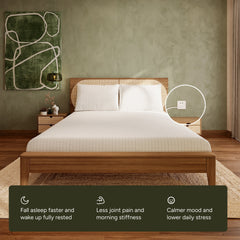
- Sleep and circadian support: Some participants fall asleep faster and wake less often. Small studies report shifts in cortisol rhythms associated with stress reduction, supporting earthing for better sleep.
- Stress and anxiety: Short-term grounding has been linked to changes in heart-rate variability indicative of parasympathetic activation, aligning with users’ reports of feeling more relaxed.
- Pain and recovery: Preliminary evidence points to reduced perceived pain and muscle soreness after activity, with faster return to normal range of motion.
- Energy and mood: Many users describe steadier daytime energy, likely secondary to improved sleep quality and reduced stress load.
Real-world examples:
- At the desk: A mat under bare feet or resting wrists provides consistent contact during long computer sessions.
- In bed: A fitted grounding sheet or bed mat offers 6–8 hours of uninterrupted earthing without changing your routine.
- For travelers or apartment dwellers: A portable mat enables indoor grounding when outdoor barefoot time isn’t practical.
Practical notes on grounding mat health effects and safe use:
- Connect only to a verified grounded outlet; use an outlet tester before first use.
- Direct skin contact is required; avoid thick insulating layers on top.
- Most quality cords include an in-line resistor for safety.
- If you have an implanted electronic device or a specific medical condition, consult your clinician before use.
Understanding these benefits will help you choose best grounding mat features—surface area, material (silver-fiber fabric versus carbon-infused), durability, and ease of cleaning—in the detailed comparison that follows.
Key Features to Look For
Material and construction
- Conductive surface: Look for carbon-infused rubber/PU mats for durability and easy wipe-down, or silver-threaded cotton for soft, bed-friendly contact. Silver offers high conductivity but needs gentler care; carbon rubber is more rugged for desks and floors.
- Backing and texture: A non-slip base keeps the mat stable on hard floors or under sheets. Slightly textured tops resist wear without irritating skin.
Conductivity and safety
- Grounding cord: Quality cords include an in-line safety resistor (commonly 100k–1M ohm) and a secure 3/8" snap. Replaceable cords extend product life.
- Outlet interface: The plug should connect only to the ground pin (no live or neutral). Region-specific adapters (US/EU/UK/AU) matter if you travel.
- Verification: A kit that includes an outlet tester and continuity checker helps confirm a proper ground. In a grounding mats comparison review, models that are easy to test reduce guesswork and support safe use.
Fit and form factor
- Size options: Desk pads for typing/mouse work, bed mats for under fitted sheets, and fitted grounding bedsheets for direct skin contact. For earthing for better sleep, a fitted sheet or full-length bed mat ensures overnight contact.
- Placement flexibility: Cords with 15 ft length and low-profile snaps route under beds and desks neatly.
Care and durability

- Cleaning: Carbon mats clean with mild soap and water. Silver-threaded fabrics require non-bleach detergents, no fabric softener, and air drying to preserve conductivity.
- Wear resistance: Reinforced snap areas, abrasion-resistant surfaces, and stitched edges prevent early failure—details frequently flagged in grounding product reviews.
Testing and documentation
- Specs: Clear conductivity data, user guides, and setup diagrams reduce setup errors that can blunt earthing mat benefits.
- Compliance: Look for RoHS/REACH compliance and latex- and phthalate-free materials. A 1–3 year warranty signals build quality.
Comfort and usability
- Thickness: 2–4 mm mats balance cushioning with firm contact. Softer tops feel better for bare feet; smooth surfaces suit mice and keyboards.
- Skin contact: Direct skin contact maximizes effect; some carbon mats work through thin fabrics but less efficiently. If you run cool at night, a fitted grounding bedsheet offers warmth plus contact.
Evidence and expectations
- Grounding mat health effects and sleep/stress outcomes vary by person. Choose best grounding mat candidates with transparent testing, strong warranties, and real-world reviews, and consider starting with an essential grounding starter kit before upgrading.
Types of Grounding Products
Grounding products come in several formats, each designed for different routines and comfort preferences. Understanding these types will help you choose best grounding mat or sheet for your goals in this grounding mats comparison review.
- Universal grounding mats: Flexible, carbon-infused mats sized for desks, floors, or under-keyboard use. Ideal for daytime contact while working, meditating, or watching TV. Typical kits include a cord with an in-line safety resistor (about 100k–1M ohms) and an outlet checker. Maintenance is simple—wipe clean; they’re durable but less soft than fabric.
- Grounding bed mats: Larger mats placed on top of or under a fitted sheet to maintain contact during sleep. They prioritize coverage and are easy to clean, making them a practical option for couples or those who prefer a non-fabric surface. If your goal is earthing for better sleep, these offer consistent overnight contact without changing your bedding.
- Fitted grounding bedsheets: Cotton or bamboo fabrics woven with conductive silver threads for a traditional sheet feel. They’re breathable and comfortable, and many users choose them when skin sensitivity or nighttime comfort is paramount. Care requires gentle washing and avoiding bleach/fabric softener to preserve conductivity.
- Pillowcases and small overlays: Target the head, neck, or localized areas. Useful add-ons if you run warm and prefer less surface contact at night, or as a travel option.
- Wearables and patches: Wrist/ankle bands and adhesive patches offer targeted contact for specific areas (e.g., a sore calf) or for people on the go. Limited surface area, but flexible and portable.
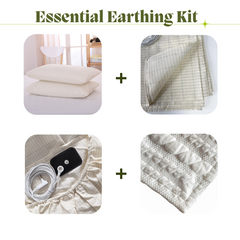
- Essential starter kits: Bundles that combine a mat or sheet with cords, outlet tester, and instructions. Good entry point if you’re new to earthing and want a straightforward setup.
- Accessories and connections: Outlet checkers verify ground, splitter cords let two people share one outlet, and continuity testers confirm your product’s conductivity. In homes with ungrounded outlets, a dedicated grounding rod (installed outdoors) is an alternative connection method.
Earthing mat benefits reported by users include more restful sleep, calmer mood, and less muscle tension. Early studies also explore grounding mat health effects on sleep quality, cortisol rhythms, and inflammation markers, though more research is needed. Grounding product reviews often highlight this trade-off: fabric sheets for comfort and feel, versus mats for durability and easy care. For sleep-focused use, a fitted sheet or bed mat is typically the most effective; for daytime stress relief, a desk mat keeps you connected for hours.
Top Grounding Mat Comparisons
If you’re scanning a grounding mats comparison review to decide what fits your routine, start by matching mat type to use-case, then look at materials, safety hardware, and maintenance. The right choice depends on whether you want earthing for better sleep or daytime stress reduction at a desk.
Best use-cases at a glance:
- All-night sleep: Full-length bed mats offer the greatest skin contact area and fewer position changes overnight.
- Targeted sleep support: Half-size bed mats placed at the torso or calves are more budget-friendly and easier to position.
- Workday grounding: Desk or under-desk foot mats enable continuous contact during sitting, helping you accumulate time grounded even if sleep use isn’t practical.
- Travel and flexibility: Compact roll-up mats fit carry-ons and hotel rooms.
Material and build:
- Conductive surface: Carbon-infused PU mats are wipe-clean and durable; silver-thread cotton sheets feel more like bedding but can require gentler care. PU mats tend to tolerate lotions and sweat better; silver textiles may lose conductivity faster if washed with bleach or fabric softener.
- Backing and grip: Non-slip bases keep desk and foot mats in place. For beds, low-profile, soft surfaces minimize pressure points.
- Connections: A 3-snap or 1-snap lead with an in-line safety resistor (typically 100k–1MΩ) is standard. Ensure the cord length reaches your outlet without tension.
Safety and verification:
- Grounding path: Use an outlet ground checker to confirm a properly grounded receptacle. Periodically verify continuity with a multimeter or a dedicated tester.
- Compliance: Look for materials tested to RoHS/REACH and low-VOC manufacturing. Clear instructions for safe use are essential.
Maintenance and lifespan:
- Cleaning: Wipe PU surfaces with mild soap and water; avoid harsh chemicals. Wash silver-thread sheets on gentle, no bleach or softeners.
- Longevity: PU/carbon mats often maintain conductivity for years with basic care; silver textiles’ performance depends on wash habits and detergents.
Choosing confidently:
- Prioritize surface area for sleep-focused earthing mat benefits; prioritize convenience for desk use.
- Compare warranties and return windows in grounding product reviews.
- Starter kits simplify setup if you’re new to grounding and want to choose best grounding mat with everything in one box.
Terra Therapy offers bed mats and kits designed for indoor grounding, helping you evaluate grounding mat health effects where you live and work.
Performance and Material Differences
Not all mats conduct or wear the same, and those differences show up in real‑world results. In this grounding mats comparison review, two variables dominate performance: the conductive material and how your body makes contact with it.
Conductive layer

- Carbon-infused PU “leather”: Common in multi‑use mats. Flexible, wipe‑clean, and stable under sweat and lotions. Good durability and consistent conductivity across the surface.
- Carbon rubber: Slightly firmer with high abrasion resistance; great for floors and under-desk use. Less plush for bed contact unless paired with a topper.
- Silver-fiber textiles (e.g., fitted sheets): Highest skin conformity, excellent for overnight use. They’re breathable and feel like regular bedding, which supports earthing for better sleep.
Contact efficiency
- Larger, uninterrupted contact area generally reduces body voltage faster. A fitted sheet or full bed mat usually outperforms a small pad.
- Bare skin contact is ideal. Thin, natural fibers (cotton) between you and the mat still work, but thick synthetics can insulate and slow discharge.
Electrical characteristics
- Most quality mats use a 100kΩ–1MΩ in-line safety resistor in the cord. This limits current while maintaining a path to ground.
- Look for stable surface conductivity across the mat, not just near the snap. In user testing, consistent readings translate to more reliable earthing mat benefits throughout the night.
Comfort and noise
- Surface texture matters. Micro‑textured PU helps with grip (great for desks), while smooth textiles feel better for sleeping.
- Thicker foam backings dampen floor vibration and are kinder to joints. On beds, thinner profiles prevent heat buildup.
Durability and care
- Carbon surfaces: Wipe clean with mild soap; resist staining. Ideal for high‑traffic, pet, or gym settings.
- Silver fabrics: Machine washable on gentle; avoid bleach and fabric softeners to prevent silver oxidation that can reduce conductivity.
- Hardware: Stainless or nickel‑plated snaps resist corrosion; flimsy snaps loosen and create intermittent contact.
Safety and build quality
- Prefer cords with strain relief and outlet checkers. Certifications like RoHS/REACH on materials are a plus.
- Longer cords (12–15 ft) increase placement options without adding trip hazards when routed under furniture.
Who benefits from what
- Overnight sleepers with sensitive skin: silver-fiber fitted sheets.
- Desk workers and gamers: carbon PU desk or mouse mats.
- Whole‑bed coverage without laundering fabric: carbon rubber/PU bed mats.
These material and build choices drive the grounding mat health effects people report in grounding product reviews. Use them to choose best grounding mat for your routine and environment.
Benefits for Sleep and Stress
If you’re reading a grounding mats comparison review to address sleep and stress, focus on how each product maintains consistent skin contact and a safe connection to ground. Users commonly report faster sleep onset, fewer awakenings, and calmer mornings; others note reduced midday tension when grounding during desk work. Evidence remains preliminary, but the trend across self-reports is improved rest and a steadier mood when use is consistent.
Early research suggests several grounding mat health effects that may influence sleep and stress. Small studies have observed improvements in subjective sleep quality, shifts toward lower nighttime cortisol, and enhanced heart rate variability—markers associated with relaxation. Proposed mechanisms include neutralizing body charge and reducing low-grade inflammation via electron transfer when in contact with the Earth. While not a medical treatment, these findings align with common earthing mat benefits reported by wellness seekers.
Matching product type to your goal matters:
- Fitted grounding bedsheets: Maximize overnight skin contact, making them strong options for earthing for better sleep. For example, a side sleeper may notice fewer awakenings when the torso and legs maintain contact through a cotton-silver fabric.
- Grounding bed mats: Placed under a fitted sheet or at the foot of the bed, they suit hot sleepers or those who want targeted contact at calves and feet. Many use them to reduce leg restlessness without changing bedding.
- Universal/desk mats: Daytime use can help downshift stress before bed. Keeping a hand or forearm on a mat during computer work often feels subtly calming, which may set the stage for easier nighttime wind-down.
To choose best grounding mat for sleep and stress, consider:
- Contact area and placement: more skin contact typically yields stronger effects.
- Materials and durability: conductive silver thread vs. carbon-infused mats; cleaning and wear.
- Safety and verification: built-in 100kΩ safety resistor, outlet ground tester, proper cable routing.
- Consistency: use nightly for 2–4 weeks; track sleep onset, awakenings, and morning energy.
When scanning grounding product reviews, look for specifics on changes in sleep latency, nocturnal awakenings, stress reactivity, and morning alertness rather than only general satisfaction. Grounding isn’t a cure-all, but for many, it’s a low-friction habit that supports better sleep and a calmer baseline.
Choosing the Right Mat
Start with your use case. A grounding mats comparison review is most useful when you match the product to where and how you’ll use it—sleeping, working at a desk, or targeting sore areas.
Key decision factors:

- Purpose: For earthing for better sleep, a fitted grounding bedsheet or full-length bed mat provides maximum contact. For daytime stress relief and focus, a desk or foot mat is more practical.
- Size and coverage: Larger surface area supports more consistent contact. A queen/king fitted sheet can benefit couples; a 24" x 16" mat suits under-desk feet or chair seating.
- Material and feel: Surfaces range from carbon-infused leatherette (durable, wipeable) to silver-thread textiles (soft, breathable). If you run hot, breathable cotton-silver fabrics are better than vinyl.
- Conductivity and hardware: Look for robust snap connectors, replaceable cords, and an inline safety resistor (commonly 100–1,000 kΩ). A continuity checker is helpful to verify conductivity over time.
- Connection options: Grounded outlet adapters are convenient; a dedicated outdoor grounding rod is useful if you’re unsure about outlet grounding. Always test outlets with a ground checker.
- Maintenance: Wipe-clean mats are low-maintenance for offices; textile sheets require gentle washing (no bleach or fabric softeners) to protect conductive fibers.
- Fit and movement: Restless sleepers do well with fitted sheets or mats secured under the fitted sheet to prevent shifting. Corner straps help on slick mattresses.
- Sensation and comfort: If direct skin contact feels cool, place a thin cotton layer between you and the mat; avoid thick foam toppers that reduce conductivity.
Examples:
- Light sleeper with back pain: Choose a full-length bed mat beneath the fitted sheet to maintain contact even when you move. Pair with a grounded outlet adapter and outlet tester.
- Apartment worker at a laptop: A small desk mat under the keyboard for hand contact plus a foot mat under the desk can deliver steady contact during long sessions.
- Partner use: A queen/king fitted grounding bedsheet ensures both sleepers benefit without juggling cords.
Quality signals to look for:
- Documented third-party testing for surface conductivity and safety
- RoHS/REACH-compliant materials
- Clear instructions on setup and grounding verification
- Warranty and accessible customer support with transparent grounding product reviews
What to expect: Reported earthing mat benefits include improved sleep quality, reduced stress, and localized pain relief. While individual responses vary, many users note subtle grounding mat health effects within days to weeks. To choose best grounding mat options, start with a Starter Kit for simple setup, then scale to a fitted sheet or bed mat if sleep is your primary goal.
Setup and Care Guidelines
Proper setup and care make more difference than most grounding mats comparison review summaries acknowledge. Done right, you’ll maximize conductivity, comfort, and longevity—key to realizing earthing mat benefits like more restful nights and calmer days.
Set up correctly
- Verify a true ground: Use an outlet ground tester before plugging in. Only connect to a properly grounded, three-prong outlet or to a dedicated grounding rod per manufacturer guidance. Avoid surge protectors, power strips, or ungrounded adapters.
- Place with purpose: For desks, position the mat under bare feet or wrists while working. For beds, use a fitted grounding bedsheet for full-body contact or a bed mat where skin will touch (calves, torso, or feet). Direct skin contact is best; if placing a mat under a thin natural-fiber sheet, expect reduced conductivity—confirm with a simple continuity tester.
- Connect cleanly: Snap the cord firmly to the mat or sheet and route the cable along baseboards to reduce trip hazards. Inspect that the cord is not pinched under furniture.
- Start gradually: Begin with 30–60 minutes daily and build toward overnight use. If you notice tingling or sensitivity, shorten sessions and increase slowly.
- Track outcomes: To choose best grounding mat for your needs, log sleep duration, wake-ups, perceived stress, and energy for 2–4 weeks. This helps separate real grounding mat health effects from placebo and aligns with what careful grounding product reviews recommend.
Care and maintenance
- Mats (carbon-infused): Wipe weekly with a soft cloth dampened with water and a drop of mild soap. Fully dry before use. Avoid alcohol, bleach, oils, and harsh cleaners—they can degrade conductive surfaces. Store rolled, not folded.
- Sheets (silver-thread fabric): Machine wash cold on gentle with pH-neutral detergent. No bleach, fabric softeners, whitening agents, or dryer sheets. Tumble dry low or line dry. Wash with similar fabrics to reduce abrasion, and avoid high heat to preserve conductivity.
- Skin products: Heavy lotions and oils can transfer to surfaces and reduce contact quality. Apply after use or allow to absorb fully.
- Inspect regularly: Check snaps, cords, and connectors monthly. Replace worn cables or visibly degraded surfaces. Test conductivity periodically if you have a meter.
Safety basics
- Disconnect during electrical storms if using an outlet ground. If you have an implanted medical device or specific health concerns, consult your clinician before starting earthing for better sleep.
Attention to these details keeps performance consistent across brands and models, giving any grounding mats comparison review more reliable, real-world context.
Reconnecting for Better Health
Modern life keeps us insulated—from nature and from the subtle electrical rhythms that help regulate our bodies. Grounding products bridge that gap by connecting you to the Earth’s potential indoors. In a grounding mats comparison review, the goal isn’t hype; it’s clarity on what different formats offer and how they can support sleep, stress reduction, and daily comfort.
What the research suggests: Small controlled studies and many grounding product reviews report changes associated with better sleep and calmer physiology. Findings include shorter sleep onset, fewer nighttime awakenings, lower night-time cortisol, improved heart-rate variability, and reduced perceived pain or muscle soreness. While more large-scale trials are needed, these grounding mat health effects align with what many users notice: deeper rest, steadier mood, and less tension.
Matching format to needs:
- For earthing for better sleep: Fitted grounding bedsheets provide full-body contact for 6–8 hours. They’re ideal if you toss, turn, or wake frequently.
- For multitaskers: A grounding bed mat or universal mat at the desk supports contact during work, meditation, or TV time—great for consistency if you’re not in bed long enough.
- For targeted relief: A smaller mat under bare feet or calves can localize contact after workouts or long commutes.
- For new users: Essential grounding starter kits bundle a versatile mat, cord with inline safety resistor (typically 100 kΩ–1 MΩ), and an outlet tester so you can verify a proper ground.
How to choose best grounding mat:
- Contact area and placement: Larger surfaces improve consistency; decide between full-sheet exposure vs. under-feet or desktop setup.
- Materials and feel: Conductive carbon or silver-infused fabrics differ in texture, breathability, and warmth. Choose what you’ll actually touch nightly.
- Safety and build: Look for an inline resistor, secure snap connectors, and quality cords. Verify your outlet ground with the included tester or consider a dedicated grounding rod if permitted.
- Cleaning and durability: Removable, machine-washable covers or wipeable rubberized mats simplify upkeep.
- Verification: Seek third-party conductivity checks and clear setup instructions.
Example setups:
- Poor sleeper: Fitted sheet + pillow connector for maximum overnight contact.
- High-stress workday: Desk mat under forearms and a foot mat to encourage relaxed posture.
- Budget entry: Starter kit with a universal mat that moves from chair to bed to couch.
Choosing the right format increases contact time without changing your routine—making earthing mat benefits more consistent and noticeable.