


Introduction to the Rise of Non-Medicinal Pain Management
Concerns about side effects, dependence, and long-term efficacy have accelerated interest in drug-free pain management. People are adopting natural pain relief techniques not just to reduce discomfort, but to support sleep, mood, and daily function as part of holistic well-being strategies. Clinical guidelines for common conditions like low back pain increasingly recommend non-pharmacologic options as first-line care, reflecting a broader shift in how we approach persistent pain.
Pain is rarely just a tissue problem; it’s shaped by the nervous system, inflammation, stress, and sleep. Approaches that calm the stress response, restore movement confidence, and improve recovery often reduce pain sensitivity over time. This makes lifestyle, behavioral, and environmental interventions powerful complements to clinical care.
Common categories include:
- Movement and mobility: walking, physical therapy, yoga, tai chi, Pilates, and graded exposure to activity to rebuild tolerance.
- Mind–body tools: mindfulness meditation, paced breathing, biofeedback, and cognitive behavioral strategies to lessen pain-related anxiety.
- Manual and self-care: massage, myofascial release, heat/cold therapy, topical analgesics, TENS, and acupuncture.
- Lifestyle foundations: sleep hygiene, regular sunlight, consistent schedules, ergonomic setups, and anti-inflammatory nutrition patterns.
- Nature-based practices: time outdoors and grounding for chronic pain, which aim to reconnect the body with natural environments.
Grounding (or earthing) involves direct skin contact with the Earth’s surface or with grounded conductive systems indoors. Early research and pilot studies suggest potential benefits for perceived pain, stress, and improving sleep quality naturally, though larger, high-quality trials are still needed to clarify effects. For those curious about earthing benefits for health but with limited outdoor access, indoor solutions can make experimentation practical.
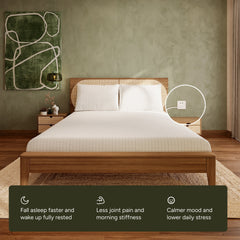
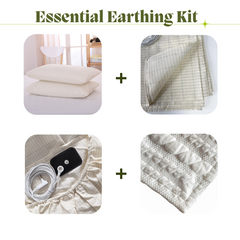
Terra Therapy offers fitted grounding bedsheets, bed mats, and Essential Grounding Starter Kits designed to enable indoor earthing while you rest or work. These products provide a simple way to explore grounding as part of broader, natural pain relief techniques, without disrupting your routine. Many people start at night, when consistent use is easiest, and combine grounding with gentle movement and sleep-supporting habits.
As you build your plan, begin with one or two changes, track pain, sleep, and energy for several weeks, and adjust based on your response. Consult a healthcare professional, especially if you have complex conditions or use implanted medical devices. A personalized blend of strategies often delivers the most durable relief.
The Biological Connection Between Inflammation and Chronic Pain
Inflammation is the body’s alarm system, useful in the short term but problematic when it persists. In chronic pain conditions, inflammatory molecules like prostaglandins, TNF-α, and IL-6 sensitize nociceptors, lowering the threshold at which nerves fire and amplifying pain signals. This peripheral sensitization shows up in common issues such as osteoarthritis, low back pain, and tendinopathies, where swollen, irritated tissues continuously “feed” the nervous system with distress signals.
Over time, the spinal cord and brain can become hyper-responsive, a process called central sensitization. Microglia in the central nervous system contribute to neuroinflammation, sustaining pain even when tissue damage is minimal. Stress and poor sleep further intensify this loop via HPA-axis dysregulation and elevated cortisol, while circadian disruption increases inflammatory markers like CRP—one reason improving sleep quality naturally often reduces pain intensity.
Several natural pain relief techniques target inflammatory pathways and help interrupt this cycle:

- Regular movement: Low-impact aerobic activity and strength training boost anti-inflammatory cytokines and reduce stiffness; even 30 minutes of brisk walking most days can help.
- Anti-inflammatory nutrition: Emphasize omega-3s (EPA/DHA), extra-virgin olive oil, colorful produce, and spices like turmeric and ginger while limiting ultra-processed foods high in refined oils and sugars.
- Sleep optimization: Consistent sleep-wake times, a cool dark room, and evening light management support immune balance and pain thresholds.
- Stress regulation: Breathwork, mindfulness, and gentle yoga lower sympathetic overdrive linked to inflammation and pain.
- Thermal and mechanical therapies: Alternating heat and cold, or targeted mobility work, calms inflamed tissues and modulates nociceptor input.
- Grounding/earthing: Emerging research suggests contact with the Earth’s surface electrons may influence autonomic balance and perceived pain, with potential earthing benefits for health when used alongside other holistic well-being strategies.
For those exploring grounding for chronic pain as part of drug-free pain management, Terra Therapy offers practical tools to enable indoor earthing/grounding. Their fitted grounding bedsheets and grounding bed mats integrate with your existing routine so you can sleep or rest while grounded, and Essential Grounding Starter Kits make entry simple. Many users pair grounding with sleep hygiene to support deeper rest, a cornerstone of reducing neuroinflammation.
As with any plan, individual responses vary. Track pain, sleep, and function over 4–6 weeks, and coordinate with a clinician—especially if you have implanted devices or complex conditions—to tailor these strategies into a safe, sustainable program.
Benefits of Reconnecting with Earth's Natural Energy
Among natural pain relief techniques, reconnecting with the Earth’s natural energy—often called grounding or earthing—offers a simple way to support the body’s own recovery processes. When your skin makes direct contact with the Earth, or with a grounded conductive surface indoors, it helps equalize electrical charge. Preliminary research and user reports associate this with calmer sympathetic activity, reduced perceived stress, and changes in inflammatory signaling—factors relevant to persistent discomfort.
Although larger trials are still needed, small clinical and pilot studies have documented outcomes consistent with drug-free pain management. Reported effects include less soreness after strenuous activity, shorter time to fall asleep, fewer nighttime awakenings, improved heart-rate variability, and lower evening cortisol patterns. For many, grounding for chronic pain complements physical therapy, gentle mobility, and breathwork rather than replacing them.
The nighttime window is particularly powerful for improving sleep quality naturally. Sleeping in contact with a grounded surface may support deeper, more continuous rest, which in turn can reduce pain sensitivity and daytime fatigue. People managing back tension, joint stiffness, or stress-related headaches often find that better sleep and lower arousal translate to steadier energy and mood the next day.
Practical ways to tap earthing benefits for health—at home and at work—include:
- Use a fitted grounding bedsheet so bare legs or feet stay in contact through the night; Terra Therapy’s Fitted Grounding Bedsheets make this effortless while you sleep.
- Place a grounding bed mat or under-desk mat where your calves, feet, or forearms can touch it during reading, computer work, or recovery sessions; Terra Therapy offers options sized for beds and workstations.
- Start with an Essential Grounding Starter Kit if you’re new, then track changes in sleep, soreness, and mood for 2–4 weeks alongside other holistic well-being strategies like breath training, light morning movement, and consistent sunlight exposure.
To ground safely indoors, follow product instructions, confirm you’re using a properly grounded outlet with a tester, and consult your clinician if you have an implanted medical device. Combining earthing with other natural pain relief techniques—gentle mobility, heat/cold contrast, mindfulness, and anti-inflammatory nutrition—creates a resilient, whole-person plan. Terra Therapy’s home-friendly tools make regular practice realistic, turning small daily moments into steady support for comfort and vitality.
Daily Habits for Sustained Pain Relief and Reduced Stress
Small, repeatable routines create the conditions for natural pain relief techniques to work. Focus on holistic well-being strategies that calm the nervous system, reduce inflammation, and restore quality sleep. Track how you feel week to week and adjust; persistent or worsening symptoms warrant guidance from a qualified clinician.
Move often, gently, and consistently. Aim for 20–30 minutes of low-impact activity daily—walking, yoga, swimming, or cycling—plus brief mobility breaks every hour to ease stiffness. Add two to three short strength sessions weekly (e.g., bodyweight squats, rows, and bridges) to support joints and improve drug-free pain management.

Regulate your stress response with breath and body awareness. Try 4-6 breathing: inhale for 4 seconds, exhale for 6 seconds, five minutes at a time, two to three times daily to activate the parasympathetic system. Layer in simple self-care like a warm shower, a heating pad for tight muscles, or a brief cold pack for acute flare-ups, and finish with two minutes of gentle self-massage or foam rolling.
Protect your sleep window because sleep and pain sensitivity are tightly linked. Set a consistent bedtime/wake time, dim lights 90 minutes before bed, and keep the room cool, dark, and quiet to support improving sleep quality naturally. Get morning daylight for 5–10 minutes, limit late caffeine and alcohol, and reserve the bed for sleep only.
Reconnect with the ground to calm the body’s stress load. When possible, spend 20 minutes barefoot on natural surfaces; many people exploring grounding for chronic pain report less tension and better rest. For an indoor option, Terra Therapy’s Fitted Grounding Bedsheets and Grounding Bed Mats enable year-round earthing, and their Essential Grounding Starter Kits make it easy to begin. Emerging research and user feedback point to potential earthing benefits for health, including deeper sleep and reduced perceived discomfort.
Support recovery with food and hydration. Center meals on colorful plants, lean proteins, omega-3 sources (salmon, sardines, walnuts), and spices like turmeric and ginger, while minimizing ultra-processed foods and added sugars. Drink water through the day, and consider adding a pinch of salt or electrolytes during hot weather or after sweating.
Try a simple daily rhythm:
- Morning: 10 minutes of sunlight, 5 minutes of mobility, hydrate.
- Midday: 5-minute walk, 2 minutes of 4-6 breathing, posture reset.
- Evening: light stretching, warm shower, screens off 60 minutes before bed, sleep on grounding sheets if you use Terra Therapy.
Integrating Earthing Mats and Sheets into Your Routine
Earthing mats and sheets can be folded into your day as practical, natural pain relief techniques that complement holistic well-being strategies. These conductive textiles connect to a grounded outlet or grounding rod, allowing gentle equalization of electrical potential when your skin makes contact. Early studies and user reports suggest potential benefits for grounding for chronic pain, perceived stress, and improving sleep quality naturally, though results vary and more rigorous research is needed.
Choose formats that match your lifestyle. Fitted grounding bedsheets from Terra Therapy offer full-body, overnight contact with minimal routine change, while a Grounding Bed Mat targets specific areas like calves, lower back, or shoulders. If you’re new to earthing, Terra Therapy’s Essential Grounding Starter Kits simplify setup with the cords and accessories you need to get started indoors.
Here’s a simple way to build consistency without overhauling your day:

- Night: Sleep on a fitted grounding sheet with direct skin contact (hands, legs, or torso touching the conductive area). Start with several nights per week and work up to nightly use to support drug-free pain management and better sleep continuity.
- Workday: Place a small mat under your desk and rest bare feet or skin on it for 30–90 minutes during emails or calls.
- Wind-down: Sit or stretch on a mat for 20–30 minutes while reading or meditating to reinforce relaxation cues.
- Travel: Pack a portable mat to maintain your routine on the road.
Set up and maintenance matter. Verify your outlet is properly grounded with an outlet tester, or use a dedicated grounding rod per product instructions. Keep cords tidy, disconnect during electrical storms as a precaution, and avoid using bleach or fabric softeners when laundering conductive sheets to preserve performance. If you have an implanted medical device or specific health concerns, consult your clinician before beginning. Track tangible markers—pain scores, sleep latency, awakenings, daytime energy, or HRV—so you can evaluate earthing benefits for health over time.
Expect a gradual, individualized response. Some people notice changes within days; for others, it may take several weeks of steady use. For a comprehensive approach, combine grounding with movement, breathwork, heat/cold exposure, and sunlight—complementary habits that strengthen natural pain relief techniques. When you’re ready to begin, Terra Therapy’s fitted bedsheets, bed mats, and starter kits make integration straightforward and sustainable.
Conclusion: Reclaiming Your Vitality Through Natural Wellness
Reclaiming daily vitality rarely comes from one silver bullet. It comes from consistently practicing natural pain relief techniques that address your body’s systems, stress levels, sleep, and movement patterns. Used alongside professional guidance when needed, these approaches support drug-free pain management and help you function better, not just feel better.
A practical path forward blends modalities. Build a foundation with gentle, regular movement (such as 20–30 minutes of walking, mobility drills, or restorative yoga), breathwork to calm the nervous system, and an anti-inflammatory eating pattern rich in omega‑3s, colorful produce, and magnesium. Layer in heat before activity and brief cold exposure after, and sharpen sleep hygiene to keep your rhythm steady—powerful, holistic well-being strategies that compound over time.
Grounding or earthing is another tool worth considering. Preliminary studies and many user reports suggest potential earthing benefits for health, including calmer physiology, less perceived stress, and help improving sleep quality naturally—factors that may translate into less pain for some people. If you’re exploring grounding for chronic pain, aim for consistent, low-effort exposure and discuss any medical conditions or devices with your clinician first.
For an easy, indoor option, Terra Therapy offers Fitted Grounding Bedsheets, Grounding Bed Mats, and Essential Grounding Starter Kits designed to bring the outdoors’ charge to your bedside. Because they work passively while you sleep, they can fit seamlessly into a recovery routine without adding daytime tasks. Follow the included outlet-safety and setup instructions to ensure proper use and to maximize comfort and consistency.
To turn insights into action, try a simple 30‑day plan:
- Establish a baseline. Track pain levels, sleep duration/quality, mood, and activity for one week so you can measure change.
- Choose two to three keystone habits. For example, a daily 25‑minute walk, 5 minutes of diaphragmatic breathing, and a fixed bedtime/wake time.
- Add passive supports. Consider a grounding bedsheet at night and a heating pad before mobility work to reduce friction and encourage adherence.
- Review and adjust weekly. Note triggers, relief patterns, and barriers; refine intensity, timing, or tools accordingly with your clinician’s input if needed.
Progress is rarely linear, but small, steady wins add up. Keep the focus on what you can do today—one walk, one breathing session, one better night’s sleep—and let consistency do the heavy lifting. If earthing fits your routine, explore Terra Therapy’s grounded sleep solutions to make consistency easier while you build a sustainable, drug-free pain management toolkit.