


Understanding Grounding and Earthing
Grounding, also called earthing, refers to making direct skin contact with the Earth’s conductive surface—think bare feet on grass, sand, or soil—or using a conductive product indoors that connects you to ground. The goal is to equalize your body’s electrical potential with the Earth, which some people use as a natural way to calm the nervous system. For many wellness seekers, grounding for stress relief is appealing because it’s simple, accessible, and can be paired with existing routines.
How it may help with stress:
- Autonomic balance: Small studies suggest grounding may shift the body toward parasympathetic (rest-and-digest) dominance and improve heart rate variability (HRV), a marker linked with resilience to stress.
- Cortisol rhythm: Preliminary research has noted changes in diurnal cortisol patterns, which could relate to feeling calmer and sleeping more soundly.
- Inflammation and tension: Contact with the Earth’s surface may provide electrons that help neutralize free radicals, potentially influencing inflammatory pathways and muscle tension that exacerbate stress.
The evidence base is still limited, with small sample sizes and methodological gaps, so outcomes vary. That said, many people explore earthing as a way to reduce stress naturally alongside other stress relief solutions.
Practical options:
- Outdoors: 20–30 minutes barefoot on natural ground can be a simple daily reset, especially late afternoon to align with your wind-down routine.
- Indoors: Conductive sheets or mats connect to the grounded port of a wall outlet via a safety resistor, allowing earthing while sleeping or working. For example, fitted grounding bedsheets or bed mats are designed for overnight use when the body’s recovery processes are active.
What users often report in grounding mat reviews:
- Calmer pre-sleep mindset and fewer “racing thoughts”
- Easier sleep onset and fewer nighttime awakenings
- Lower perceived stress upon waking
- Reduced jaw clenching or muscle tightness after desk work
- A mild warmth or tingling at first contact that typically fades
Earthing product effectiveness can depend on:
- Consistency: Nightly use or scheduled daily sessions
- Direct contact: Bare skin on the conductive surface; avoid thick layers
- Environment: Properly grounded outlet (use an outlet tester), avoiding daisy-chained power strips
- Safety: Do not use during electrical storms; consult your clinician if you use implanted medical devices
Grounding is not a cure-all, but it can complement evidence-based practices like breathwork, cognitive-behavioral strategies, light exposure in the morning, and regular movement. If you’re researching “earthing benefits stress,” start with a simple routine, monitor your sleep and mood for several weeks, and adjust based on your response.
The Link Between Grounding and Stress
Chronic stress keeps the nervous system in a heightened “fight or flight” state. Grounding for stress relief aims to counter that by creating gentle electrical equilibrium with the Earth through a conductive surface. Users often describe a shift toward calm, and emerging research suggests why this may occur, while acknowledging that evidence is still preliminary.
What science and early studies point to:
- Autonomic balance: Pilot studies report improvements in heart rate variability (HRV) after grounding, indicating reduced sympathetic arousal and increased parasympathetic activity, both linked to relaxation.
- Cortisol rhythm and sleep: Small controlled trials have found more normalized diurnal cortisol patterns and better self-reported sleep when grounded at night—important because stable sleep-wake hormones underpin stress recovery.
- Inflammation and pain: Preliminary findings show changes consistent with reduced inflammation and perceived pain. Less pain can indirectly lower stress load and reactivity.
- Mood states: Participants in early research and case reports commonly note less irritability and tension, though results vary.
What people say in grounding mat reviews aligns with these mechanisms. Users frequently mention:
- Calmer evenings and easier “wind-down” when lying on a grounded bed mat before sleep.
- Fewer mid-night awakenings and less racing mind with fitted grounding bedsheets.
- A steadier mood during work when feet rest on a grounded mat under the desk, especially during high-pressure tasks or long screen time.
For those looking to reduce stress naturally with earthing products, consistency matters:
- Nighttime: Sleep on fitted grounding bedsheets or a grounding bed mat for continuous, low-effort contact that may support cortisol rhythm and sleep quality.
- Daytime: Use a mat under bare feet or forearms for 30–60 minutes during peak stress windows (post-lunch slump, pre-deadline hours).
- Placement: Ensure direct skin contact and a proper ground via a grounded outlet or verified grounding rod. Some users feel a mild warmth or tingling at first, which typically subsides.
- Combine with other stress relief solutions—breathwork, light movement, and outdoor daylight—for complementary benefits.
Earthing product effectiveness differs by individual. Some notice changes within days; others need several weeks of regular use. If you rely on implanted medical devices or have specific health concerns, consult a healthcare professional before beginning a grounding routine.
Exploring Grounding Products for Wellness
Grounding products bring the experience of earthing indoors, offering a practical way to explore grounding for stress relief without changing your routine. Terra Therapy focuses on everyday items—like bedsheets and bed mats—that make consistent contact easy, which is often where users see the most benefit.
These products use conductive materials connected to a grounded outlet or grounding rod. When your skin touches the surface, electrons from the Earth can flow to your body, mimicking outdoor earthing. In practice, that means you can lie down or rest your feet and potentially calm the nervous system as you unwind, work, or sleep. For safety and performance, use the included outlet checker and continuity tester before first use and after moving setups.
Which option fits your wellness goals:
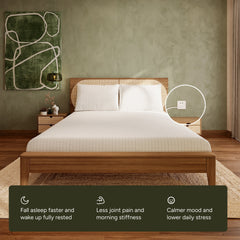
- Fitted Grounding Bedsheets: Best for overnight use if your primary goal is better sleep and lower nighttime tension. They stay in place and offer full-body contact.
- Grounding Bed Mats: A flexible choice you can lay over or under your existing sheet. Also useful for daytime sessions while reading or meditating.
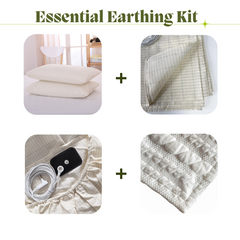
- Essential Grounding Starter Kits: Ideal for first-time users; typically include the connection cord(s), outlet checker, and a mat or sheet to start quickly and correctly.
What real users commonly report in grounding mat reviews:
- A steadier, calmer mood during high-pressure workdays
- Easier wind-down before bed and fewer night awakenings
- Less muscle tightness after long hours at a desk
- A subtle warmth or tingling initially that fades with regular use
Experiences vary, but these patterns align with earthing benefits for stress noted across many testimonials. Some users feel no obvious sensation yet still observe improved sleep quality over a few weeks—highlighting that earthing product effectiveness often depends on consistency.

To reduce stress naturally with grounding, focus on contact and routine:
- Aim for 30–60 minutes of daytime contact and/or overnight use
- Ensure bare-skin contact where possible; avoid thick insulating layers
- Stay hydrated and minimize dry skin for better conductivity
- Re-test connections if you change rooms or outlets
Grounding is not a medical treatment, but it can be part of broader stress relief solutions including breathwork, movement, and sleep hygiene. If you use implantable medical devices, are pregnant, or have specific health concerns, consult your clinician before starting. Terra Therapy’s fitted sheets, bed mats, and starter kits make it simple to test whether this approach supports your stress management goals.
Analyzing User Reviews on Stress Reduction
Across verified customer feedback, a consistent theme emerges: people exploring grounding for stress relief often describe a calmer baseline, fewer racing thoughts at night, and smoother mornings. Many frame the shift as indirect—better sleep quality leads to less reactivity the next day—rather than an immediate sedative effect. Reviewers of Terra Therapy’s fitted grounding bedsheets and bed mats frequently pair their comments with context about lifestyle stressors and routines, which helps clarify where earthing benefits stress may show up.
Common example patterns include:
- Nighttime use: A user switches to a grounded fitted sheet, notes fewer 2 a.m. wake-ups within one to two weeks, and reports feeling less “tired but wired” on waking.
- Daytime use: A desk worker places a grounding mat under the keyboard, describing less jaw clenching and fewer afternoon tension spikes, especially during back-to-back calls.
- Mixed routines: Some alternate between a bed mat and a sheet, aiming for consistent skin contact for at least 6–8 hours per day.
In grounding mat reviews, users who quantify change commonly reference wearable data (sleep staging or HRV trends) alongside subjective calm. While individual numbers vary and aren’t universal, these reviews suggest that tracking can make earthing product effectiveness easier to judge over time.
The strongest results in stress relief solutions tend to align with:
- Consistency: Daily or nightly contact, not sporadic use.
- Correct setup: Outlet/ground verification and direct skin contact with the conductive surface.
- Sleep hygiene: Pairing grounding with dimmed lights, regular bedtimes, and reduced caffeine.
- Expectation setting: Looking for gradual shifts in reactivity and sleep, not a single-use transformation.
Not all feedback is positive. A subset of customers report minimal change after two to four weeks. When details are provided, common factors include limited skin contact (thick clothing or blankets), an ungrounded outlet, inconsistent use, or stressors that overwhelm any single intervention. Some note a mild tingling or warmth initially that fades with continued use; others report no sensations at all yet still judge outcomes by sleep and mood.
If you’re evaluating earthing benefits for stress and trying to reduce stress naturally, prioritize reviews that include:
- Baseline symptoms (e.g., rumination, early waking, afternoon tension)
- Usage specifics (product type—fitted bedsheet, bed mat, or starter kit—hours of contact, setup steps)
- Objective markers (wearable metrics, journaling) and timeframe to first noticeable change
Overall, user feedback points to incremental but meaningful support for grounding for stress relief when products are set up properly and used consistently, with the most commonly cited gains tied to improved sleep and day-to-day calm.
Real-Life Experiences: Stress Relief Stories
Customers who turn to Terra Therapy often describe grounding for stress relief as a steadying influence during hectic weeks. In verified reviews and community feedback, the most common theme is a calmer evening mindset: fewer spirals of worry, easier wind‑down, and less “wired but tired” energy before bed.
One ICU nurse shared that after two weeks on a Fitted Grounding Bedsheet, her sleep felt noticeably more restorative even on back‑to‑back shifts. She tracked simple markers with a wearable and reported falling asleep faster and waking up less tense. The change wasn’t dramatic overnight, but she described it as “the first time in months my body felt like it could exhale.”
Daytime users echo similar stress relief. A remote software engineer placed a Grounding Bed Mat under his desk and used it during 60–90‑minute work blocks. Within a week, he noted fewer anxious “doom‑scroll breaks” and a more even focus through mid‑afternoon, when he normally hit a wall. He also mentioned less jaw clenching and fewer tension headaches on high‑pressure sprint days.
Parents in the Terra Therapy community frequently mention the transition from evening chaos to sleep. One new mom used the Essential Grounding Starter Kit during a 15‑minute pre‑bed routine with breathwork. Night wakings didn’t vanish, but she reported an easier return to sleep and fewer 3 a.m. adrenaline spikes.
What shows up repeatedly in grounding mat reviews and bedsheet testimonials:
- Consistency matters. Nightly or daily use builds cumulative calm.
- Direct skin contact improves the experience; thinner, natural fibers between skin and product feel more effective.
- Pairing with a simple routine (stretching, reading, or breathwork) deepens the sense of ease.
- Environmental tweaks help: a properly grounded outlet, distance from power strips, and a tidy cable route.
- Expectations set the tone. Most users describe gradual changes over 3–14 days rather than instant results.
A few users mention a mild “buzzing” or tingling when near strong electronics; moving the mat, turning off unused devices, or checking outlet grounding typically resolves it.
Individual results vary, and earthing product effectiveness depends on usage and environment. Still, across dozens of stories, many customers view Terra Therapy sheets, mats, and kits as practical tools to reduce stress naturally and complement other stress relief solutions—without adding another app or supplement to the list.

Scientific Perspectives on Grounding Benefits
Research on grounding for stress relief is growing but still early-stage. Small clinical and laboratory studies suggest earthing may influence physiological markers tied to stress—such as cortisol patterns, heart rate variability (HRV), perception of tension, and sleep quality—yet sample sizes are modest and methods vary. Many trials are short, sometimes not fully blinded, and often involve industry-affiliated investigators. That means findings are promising but not definitive.
Cortisol and sleep. In a pilot study of adults with sleep and pain complaints, sleeping on grounded bedding was associated with improved sleep quality, reduced perceived stress and pain, and a shift toward a more typical diurnal cortisol curve. Normalized cortisol rhythms are consistent with lower stress system activation. However, the study’s small size and limited blinding constrain generalizability.
Autonomic balance. Short laboratory sessions comparing grounded versus sham conditions have reported HRV shifts indicating increased parasympathetic (rest-and-digest) activity and reduced sympathetic dominance. Because HRV is a sensitive proxy for stress reactivity, these results support earthing benefits for stress, but the trials were brief and require replication in larger, longer studies.
Pain and recovery. Grounding has been linked in small trials to reduced muscle soreness after strenuous exercise and lower self-reported pain. Some exploratory work also reports changes in blood viscosity and inflammatory markers. These mechanisms could indirectly reduce stress by lowering pain burden, though they don’t establish causality for anxiety relief.
Electrical environment. Measurements consistently show that connecting the body to ground can reduce induced body voltage from indoor AC fields. While health implications of this reduction remain debated, it offers a plausible pathway by which grounding mats and bedsheets might help some people feel calmer and sleep more soundly.
What grounding mat reviews can and can’t tell you. Many users report falling asleep faster, less nighttime rumination, and steadier energy. These real-world reports are valuable but subjective. Expectation effects, improved sleep routines, or concurrent lifestyle changes can contribute to outcomes.
How to evaluate earthing product effectiveness for stress relief solutions:
- Track a 1–2 week baseline, then 3–4 weeks grounded, using the PSQI for sleep and a stress/anxiety scale you trust.
- Monitor HRV with a wearable at the same time each day.
- Use products consistently (overnight bedsheets or 30–60 minutes daily with a mat).
- Verify a safe ground connection and correct outlet wiring.
- Keep other habits stable; if curious, try a personal sham test.
- Pair with proven ways to reduce stress naturally, such as breathwork or light evening movement.
Bottom line: Evidence suggests earthing can help some individuals reduce stress and sleep better, but larger independent trials are needed. For wellness seekers exploring earthing product effectiveness, high-quality fitted grounding bedsheets and bed mats enable convenient, indoor practice with a generally low risk profile when used properly.
Making Informed Grounding Product Choices
Choosing the right setup for grounding for stress relief starts with matching the product to how, when, and where you’ll use it—then validating that it’s working as intended.
Consider contact and routine
- Overnight focus: Fitted Grounding Bedsheets and Grounding Bed Mats maximize skin contact while you sleep, the time most users say they notice calmer nights and fewer “wired” awakenings.
- Daytime support: A small mat under bare feet at a desk helps people who feel keyed up during work hours reduce stress naturally without changing their schedule.
- Whole-body vs. targeted: Sheets offer broad coverage; mats can target feet, calves, or lower back while reading or meditating.
Evaluate materials and build
- Look for conductive fibers (e.g., silver) woven into breathable cotton for sheets, or carbon-infused surfaces for mats. These materials balance comfort with durability.
- Cords should include an inline safety resistor (commonly 100kΩ) and connect to a verified grounded outlet.
- Check that the product includes or supports compatibility with an outlet tester and, ideally, a simple continuity tester so you can confirm conductivity.
Installation and care specifics
- Verify the outlet ground first. Many returns trace back to ungrounded outlets or power strips without a ground pin.
- Ensure direct skin contact. Thick mattress toppers, synthetic pajamas, or socks can reduce contact.
- Wash conductive sheets with mild detergent; avoid bleach and fabric softeners, which can degrade conductive fibers. Air dry or use low heat per manufacturer guidance.
- Disconnect cords before cleaning; keep cords routed to prevent tripping.
What real users mention most
- Grounding mat reviews often cite faster sleep onset, fewer 2–4 a.m. wakeups, and a calmer mood upon waking within 3–14 nights. Some notice a mild tingling the first few uses that fades.
- Common issues: no change because the outlet wasn’t grounded, contact was intermittent, or sessions were too short. Many users aim for 30–60 minutes of skin contact during the day or all night in bed.
- Earthing benefits for stress are described as subtle but cumulative: steadier heart rate, less jaw clenching, and easier “downshifting” after work.
Assess earthing product effectiveness
- Track baseline vs. after with simple metrics: sleep latency, wake-after-sleep-onset, morning tension rating, or a wearable’s HRV trend.
- Expect variability; grounding is one of several stress relief solutions. Pair it with consistent sleep timing, light exposure, and breathwork for a fair test.
Fit the product to your life
- Hot sleepers often prefer a breathable fitted sheet; those with sensitive skin may like the smooth surface of a mat at the feet.
- Apartment dwellers without grounded outlets can explore grounded adapters installed by an electrician.
- For first-time users, Essential Grounding Starter Kits simplify setup by bundling core components so you can focus on routine, not sourcing parts.
Safety and expectations

- Avoid using ungrounded extension cords. If you have an implanted medical device, consult your clinician.
- During electrical storms, some users choose to disconnect as a precaution.
- Grounding is not a medical treatment, but many people use it to complement their plan to manage stress and improve sleep.
Terra Therapy offers fitted bedsheets, bed mats, and streamlined starter kits so you can start with the form factor that best supports your stress and sleep goals.
Integrating Grounding into Daily Life
For many customers, grounding for stress relief works best when it’s woven into existing routines. Consistency matters more than marathon sessions. Start small, keep skin contact comfortable, and build up as you notice changes in mood, sleep, and focus.
Practical ways to integrate earthing throughout your day:
- Morning: Place a Terra Therapy Grounding Mat under your feet while you journal or breathe for 10–15 minutes. Users seeking to reduce stress naturally often report a calmer baseline to start the day.
- Work: Keep a mat under your desk for steady, passive contact. Grounding mat reviews frequently note smoother focus and fewer “edge-of-seat” moments during busy stretches.
- Midday reset: Step outside barefoot if possible, or rest hands on a mat for 5 minutes. Short micro-sessions can help interrupt mounting tension.
- Evening unwind: Use a couch mat during reading or stretching. Pairing grounding with slow nasal breathing can compound earthing benefits for stress reduction.
- Overnight: Switch to Terra Therapy Fitted Grounding Bedsheets or a Grounding Bed Mat to maintain contact while you sleep, the longest and easiest window for cumulative benefits.
Getting started: begin with 30–60 minutes daily and progress to longer use, including overnight. If you’re electrically sensitive, start with shorter sessions or indirect contact (thin socks) and increase as tolerated.
Setup fundamentals: connect only to a verified grounded outlet or approved ground point. Use an outlet ground checker before attaching cords. Ensure bare skin contact with the conductive surface, avoid running cables under chair casters, and inspect cords periodically.
To evaluate earthing product effectiveness, track:
- Daily perceived stress (1–10) and mood
- Sleep metrics (time to fall asleep, nighttime awakenings, sleep quality)
- Focus or irritability during work blocks
- Optional: HRV trends from a wearable
Care basics keep performance consistent. For sheets, machine wash cold on gentle and avoid bleach and fabric softeners; tumble dry low or air dry. Wipe mats with a mild soap solution and dry thoroughly. Keep liquids away from connectors.
Combine grounding with complementary stress relief solutions: light morning movement, brief breathwork, caffeine cutoff times, and digital breaks. For travel, a Terra Therapy Essential Grounding Starter Kit provides a portable mat; always test hotel outlets before use. If using an outdoor ground rod, avoid use during thunderstorms. If you have a medical implant, consult your clinician before beginning.
Unlock Natural Stress Management
Chronic tension keeps the nervous system stuck in “on.” Grounding for stress relief offers a simple way to nudge it back toward rest-and-digest. By equalizing electrical charge at the body’s surface, earthing may support autonomic balance—often reflected as calmer heart-rate variability and quieter mind states.
What the research suggests: small, preliminary studies have observed shifts compatible with relaxation, including modest improvements in nocturnal cortisol patterns and subjective sleep quality when participants were grounded during sleep. While more rigorous trials are needed, these findings align with common self-reports that grounding helps reduce stress naturally.
Themes that appear frequently in grounding mat reviews and customer feedback:
- Faster evening wind-down after screen-heavy days
- Less muscle clenching in the jaw, neck, and shoulders
- Fewer 3 a.m. wakeups and easier return to sleep
- A calmer baseline mood during high-pressure work
- More mental clarity in the morning
Practical ways to integrate earthing product effectiveness into daily routines:
- Under-desk support: Place a grounding mat beneath your feet during calls. Many users notice a quieter stress response within a single work session.
- Post-commute reset: Sit with palms or bare feet on a mat for 20–30 minutes to transition out of “go mode.”
- Overnight recovery: Use a fitted grounding bedsheet for passive, all-night exposure that may help smooth cortisol rhythms and support deeper sleep.
- Breathwork pairing: Combine a 5-minute box-breathing session with grounding to amplify relaxation cues.
To get the most from indoor earthing:
- Ensure your outlet is properly grounded using a tester before connecting.
- Prioritize direct skin contact—bare feet or palms on the conductive surface.
- Start with 30 minutes daily, then progress to overnight use if desired.
- Track outcomes with simple metrics: a 1–10 stress rating, HRV from a wearable, or a sleep app.
- Be consistent for at least two weeks; some benefits are immediate, others accrue with routine.
Terra Therapy options make adoption straightforward:
- Fitted Grounding Bedsheets for effortless, overnight support
- Grounding Bed Mats for on-top or under-sheet placement
- Essential Grounding Starter Kits for desks, sofas, or travel
Grounding is not a cure-all, but as part of sensible stress relief solutions—sleep hygiene, movement, light exposure, and mindful breathing—it’s a low-effort practice that can complement a modern wellness plan.