


Understanding Chronic Insomnia
Chronic insomnia is more than a few bad nights. Clinically, it’s difficulty falling or staying asleep at least three nights per week for three months or longer, with daytime effects like fatigue, irritability, or impaired concentration. It often stems from a mix of biological, psychological, and environmental factors that disrupt both the body’s sleep drive and its circadian timing system.
Two mechanisms matter most. The homeostatic sleep drive builds “sleep pressure” across the day; late naps, low activity, and excess caffeine blunt it. The circadian clock, set by morning light and regular routines, can drift later from evening screens or irregular schedules. Layered on top is hyperarousal—heightened sympathetic nervous system activity and stress hormones—that keeps the brain “on” at night even when tired.
Common contributors include:
- Irregular bed/wake times, shift work, jet lag
- Evening light and device use that suppress melatonin
- Late-day caffeine, nicotine, or alcohol
- Pain, reflux, asthma, menopause, and some medications (e.g., steroids, certain antidepressants)
- Anxiety, rumination, and clock-watching
- Hot, bright, or noisy bedrooms
- Low daylight exposure and sedentary days
Insomnia often persists because of well-intended habits that backfire. Going to bed earlier “to catch up,” sleeping in, and daytime napping reduce sleep pressure. Extended time in bed trying to force sleep teaches the brain that the bed is for wakefulness and worry.
Start with a brief assessment. A two-week sleep diary reveals patterns in timing, duration, and awakenings. Consider actigraphy for objective estimates. Ask about snoring, witnessed apneas, restless legs, and mood symptoms; these conditions may need targeted care alongside behavioral strategies.
Evidence-based, natural ways to improve sleep emphasize conditioning the brain to sleep on cue:
- Stimulus control: bed only for sleep and intimacy; get up if awake >20 minutes and return when drowsy.
- Sleep scheduling: set a consistent wake time; restrict time in bed to actual sleep, then expand as efficiency improves.
- Light management: 10–30 minutes of morning daylight; dim lights and screens 1–2 hours before bed; use night-shift modes.
- Temperature and environment: keep the room cool (60–67°F), dark, and quiet; consider white noise.
- Lifestyle: finish exercise 3–8 hours before bed; limit caffeine after noon; moderate alcohol.
Stress reduction techniques can lower hyperarousal: slow breathing (4–6 breaths/min), progressive muscle relaxation, mindfulness, or brief worry journaling earlier in the evening. These practices support sleep quality improvement and daytime resilience.
Some natural sleep aids have modest evidence. Low-dose melatonin (0.5–1 mg) can shift circadian timing; magnesium glycinate (200–400 mg) and glycine (3 g) may help relaxation; herbal options like valerian or lavender show mixed results. Discuss supplements with a clinician, especially if pregnant or on medications.
Grounding or earthing—direct skin contact with the Earth or via conductive indoor products like grounding bedsheets and mats—has emerging research. Small studies report improved subjective sleep, reduced night-time cortisol, and decreased pain in some participants. While more rigorous trials are needed, early findings on earthing benefits sleep are promising, and these tools can be integrated with behavioral strategies for chronic insomnia relief.
Optimizing Your Sleep Environment
Your bedroom can either cue your body to power down or keep it on high alert. Focusing on the physical space is one of the most effective natural ways to improve sleep, especially when dealing with stubborn patterns. Small, specific changes add up to meaningful sleep quality improvement.
Control light first. Keep evenings dim with warm bulbs (≤2700K), switch lamps on instead of overheads, and enable night modes on devices. Blackout curtains and an eye mask reduce early-morning light that fragments the last sleep cycles. In the morning, open blinds promptly to reinforce your circadian rhythm.
Cool the room. A sleep-friendly range is 60–67°F (15–19°C). If you run warm, use a breathable mattress topper and sheets made from cotton or linen, and consider a light duvet you can layer. A pre-bed shower or bath, then stepping into a cooler room, can speed sleep onset.
Tame noise. If you can’t eliminate sound, mask it. Consistent white or brown noise at a low volume helps your brain ignore sporadic disruptions. Soft silicone earplugs are a non-pharmacologic option that often outperforms “natural sleep aids” in noisy environments.
Improve air quality. Maintain 40–60% humidity to keep airways comfortable. Wash bedding weekly in hot water, use dust-mite covers if you’re sensitive, and vacuum regularly with a HEPA filter. A cleaner breathing space reduces micro-awakenings from congestion or irritation.
Choose supportive bedding. Align pillow height with your sleep position—thinner for back sleepers, medium for side sleepers, minimal for stomach sleepers—to reduce neck strain that causes night-time awakenings. Replace sagging mattresses that create pressure points.

Minimize bedroom stimulation. Keep work gear and clutter out of sight. Opt for calmer color palettes and soft textures. Place chargers outside the room or at least across the room to reduce late-night scrolling. If you need a clock, choose one with red digits, which are less alerting than blue or white.
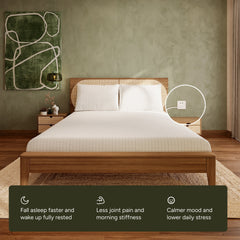
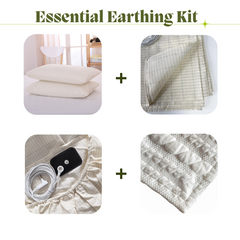
Consider earthing to bring nature indoors. Many modern homes insulate us from the ground’s electrical potential, and some people find that reconnecting helps with stress reduction techniques and deeper rest. Grounding bedsheets and bed mats—such as Terra Therapy’s fitted grounding bedsheets, grounding bed mats, or Essential Grounding Starter Kits—allow bare-skin contact while you sleep. Users commonly report easier wind-down and fewer awakenings; emerging research also explores potential earthing benefits sleep may offer. Use them nightly by connecting to a verified grounded outlet and ensuring consistent skin contact.
Quick wins tonight:
- Dim lights two hours before bed; use an eye mask.
- Set thermostats to 65°F (18°C); add a breathable sheet.
- Add white noise; keep volume steady and low.
- Clear bedside clutter; move your phone out of reach.
- Test a calming scent like lavender if you enjoy aromatherapy.
If chronic insomnia relief remains elusive after optimizing your space and routine, consult a clinician to rule out underlying conditions such as sleep apnea, restless legs, or mood disorders.
Establishing a Consistent Sleep Schedule
Your body’s internal clock craves predictable cues. A fixed wake-up time—seven days a week—is the single most powerful lever for sleep quality improvement. Start by choosing a wake time you can maintain even on weekends. If your current schedule is far off, shift gradually by 15–30 minutes every few days. Protect this anchor time for at least two weeks before adjusting bedtime.
Reinforce your wake time with light and movement. Within 30 minutes of getting up, get bright light exposure (outdoor daylight is ideal) and a brief activity burst, like a 10-minute walk or mobility routine. Morning light advances your circadian rhythm, while light at night delays it. Dim overhead lighting 1–2 hours before bed and shift to warmer, low-intensity lamps to support melatonin release.
Give your clock consistent signals throughout the day:
- Meals: Keep breakfast, lunch, and dinner within regular windows. Avoid heavy meals within 3 hours of bedtime.
- Caffeine: Cut off by early afternoon (about 8–10 hours before sleep).
- Alcohol: Limit and avoid within 3 hours of bedtime; it fragments sleep.
- Naps: If needed, aim for 10–20 minutes before 3 p.m.
- Exercise: Train at roughly the same time daily; vigorous evening workouts can delay sleep for some.
Use a wind-down window—20 to 60 minutes—at the same time nightly. Keep it simple and repeatable:
- Lower lights, lower screens (or use blue-light filters).
- Gentle stretching, breathwork, or a brief journal entry.
- A warm shower or bath 1–2 hours pre-bed to aid natural cooling.
- Indoor earthing: lie quietly on a grounding bedsheet or mat to cue relaxation. Many people report that earthing benefits sleep by easing tension and settling pre-bed restlessness.
For those pursuing natural ways to improve sleep, think of schedule as the foundation and natural sleep aids as optional accents. Herbal teas, magnesium, or calming audio can complement your routine, but consistency beats novelty. If you’re dealing with chronic insomnia relief, pair a strict wake time with stimulus control: go to bed only when sleepy; if you can’t sleep after ~20 minutes, get up, do a quiet activity under low light, then return when drowsy.
Travel and social plans happen; minimize “social jet lag” by keeping wake time within 30–60 minutes of your target and front-loading daylight exposure on return. If shifting time zones, adjust bedtime and wake time by 15–30 minutes per day ahead of travel.
Finally, make your schedule frictionless. Set alarms for wind-down, lay out sleepwear, and keep your bedroom cool, dark, and quiet. Terra Therapy’s grounding bedsheets or bed mats can serve as a nightly cue within this routine, offering a simple, low-effort way to blend stress reduction techniques with your consistent schedule.
Nutrition and Exercise for Better Sleep
What you eat and how you move are powerful, natural ways to improve sleep. Together, they help align circadian rhythms, lower evening arousal, and support the hormones that regulate sleep pressure—key levers for chronic insomnia relief.
Prioritize meal timing. Finish dinner 2–3 hours before bed to reduce reflux and nighttime awakenings. Heavy, high-fat meals late at night can delay gastric emptying and fragment sleep. A light, balanced evening meal supports sleep quality improvement.
Use carbs strategically. A small portion of complex carbohydrates at dinner can help tryptophan cross the blood–brain barrier, supporting serotonin and melatonin production. Pair quality carbs with protein and fiber to steady blood sugar overnight.
Choose food-based, natural sleep aids:

- Magnesium-rich foods: pumpkin seeds, almonds, spinach, black beans.
- Tryptophan sources + complex carbs: turkey with quinoa, eggs on whole-grain toast, Greek yogurt with oats.
- Tart cherries or kiwi: research suggests modest improvements in sleep onset and efficiency.
- Omega-3s: salmon, sardines, walnuts to support overall sleep architecture.
- Fermented foods: kefir, yogurt, kimchi to support gut health linked to sleep regulation.
Limit stimulants and sleep disruptors. Stop caffeine by early afternoon (earlier if sensitive), and avoid nicotine entirely near bedtime. Alcohol may help you doze off but suppresses REM and deep sleep; if you drink, keep it light and early. Front-load hydration and taper after dinner to reduce bathroom trips overnight.
Simple evening snack ideas (if hungry):
- Oatmeal with banana and a spoon of almond butter.
- Greek yogurt with tart cherries and a sprinkle of pumpkin seeds.
- Whole-grain toast with turkey and a few kiwi slices.
Exercise acts as a body clock signal and a potent stress regulator. Aim for:
- 150–300 minutes per week of moderate aerobic activity (brisk walking, cycling, swimming).
- 2–3 sessions of resistance training to improve sleep depth and metabolic health.
- Vigorous workouts earlier in the day; finish high-intensity exercise at least 3+ hours before bedtime.
- Gentle evening movement—stretching, restorative yoga, or a relaxed walk—to downshift the nervous system.
Anchor your day with morning light exposure during or after a walk to strengthen circadian cues. Post-exercise cooldowns with slow nasal breathing (about 6 breaths per minute) amplify stress reduction techniques and prepare the body for recovery.
Consider integrating earthing during calming routines. A barefoot stroll on grass or using an indoor grounding mat while you stretch may promote relaxation; emerging evidence suggests earthing benefits sleep for some people by influencing autonomic balance. Products like grounding sheets and mats can make indoor practice accessible as part of an overall plan.
Combine consistent meal timing, smart food choices, and a sustainable movement routine. This layered approach supports sleep quality improvement in a safe, practical way—and often delivers incremental gains that add up for chronic insomnia relief.
Stress Reduction Techniques for Sleep
Stress and arousal keep the brain on alert, making it harder to fall and stay asleep. These stress reduction techniques offer natural ways to improve sleep by calming the nervous system and creating a predictable pre-bed routine.
- Breathwork to downshift: Try box breathing (inhale 4, hold 4, exhale 4, hold 4) or the 4‑7‑8 pattern for 5 minutes. Slow, paced breathing can reduce heart rate and promote parasympathetic activity, easing sleep onset.
- Progressive Muscle Relaxation: Starting at your feet, tense each muscle group for 5–7 seconds, then release for 10–15 seconds. A 10-minute PMR sequence before bed often lowers somatic tension and worry.
- Mindfulness or NSDR: Ten minutes of mindfulness meditation or a non-sleep deep rest (yoga nidra) audio can decrease pre-sleep cognitive rumination. Meta-analyses suggest modest sleep quality improvement for adults with insomnia symptoms.
- Schedule worry time: Set a 15-minute “worry window” late afternoon. Write concerns and one next action for each. Before bed, do a 3-minute “brain dump” and a short, specific to-do list. This cognitive offloading has been linked to faster sleep onset.
- Light and tech boundaries: Two hours before bed, dim overhead lights, use warm-tone lamps, and enable blue-light filters. Set a “wind-down alarm” 60 minutes pre-bed for stretching, reading on paper, or gentle music—no email or news.
- Thermal cue: Take a warm shower or bath 1–2 hours before bedtime. The post-bath drop in core body temperature signals sleep readiness.
- Sound and scent: White or pink noise can mask environmental disturbances. Aromatherapy with lavender or bergamot may promote relaxation for some; consider these as gentle natural sleep aids if you tolerate fragrances.
- Daytime decompression: Insert 2–3 five-minute “micro-resets” during the day—brief walks, breathwork, or eyes-closed breaks—to keep baseline stress lower by bedtime.
- Earthing/grounding: Connecting skin to the Earth (barefoot on grass, soil, or sand for 20–30 minutes) is reported by many to enhance calm. Preliminary studies have noted improvements in subjective sleep, perceived stress, and morning alertness, though research is still emerging. If outdoor time isn’t feasible, indoor grounding options—such as Terra Therapy’s Fitted Grounding Bedsheets, Grounding Bed Mats, or Essential Grounding Starter Kits—can make earthing part of your nightly wind-down. Follow setup instructions carefully, and consult a clinician if you use implanted medical devices. For some, earthing benefits sleep by supporting relaxation and regular overnight cortisol patterns.
Consistency amplifies these effects. Anchor a regular wake time, keep caffeine before early afternoon, and reserve the bed for sleep. If symptoms persist beyond a few weeks, consider cognitive behavioral therapy for insomnia (CBT‑I)—a first-line, non-drug approach for chronic insomnia relief that pairs well with the practices above.
Exploring Herbal Remedies and Supplements
Herbal and nutrient-based options can complement behavioral strategies, offering natural ways to improve sleep without relying solely on pharmaceuticals. Their effectiveness varies by person, so start low, add one change at a time, and track your response for two weeks.
Evidence-backed natural sleep aids and how to use them:
- Melatonin: Best for circadian rhythm issues (jet lag, delayed sleep phase). Try 0.3–1 mg 60–90 minutes before bed; higher doses aren’t necessarily better and can cause grogginess.
- Magnesium (glycinate or citrate): Supports relaxation and muscle comfort. Typical dose is 200–400 mg in the evening. Avoid if you have significant kidney disease.
- L-theanine: An amino acid from tea that calms without sedation; may reduce pre-sleep mind racing. Use 100–200 mg 30–60 minutes before bed; can combine with magnesium.
- Glycine: May lower core body temperature and improve sleep quality. Use 3 g mixed in water 30–60 minutes before bed.
- Valerian root: Traditional herb for sleep latency; evidence is mixed but promising for some. Standardized extract 300–600 mg 1 hour before bed. May interact with sedatives.
- Chamomile: Mild anxiolytic; tea or extract can aid sleep onset. Brew 1–2 bags for 5–7 minutes after dinner; note potential interaction with blood thinners.
- Passionflower: Supports calm and reduces restlessness. Tea or 250–500 mg extract 30–60 minutes pre-bed; avoid with other sedatives.
- Lavender: Aromatherapy (diffuser or pillow spray) has shown modest sleep quality improvement. Consider a few drops of true lavender (Lavandula angustifolia) in a diffuser for 20–30 minutes before lights out.
- Tart cherry: Natural source of melatonin; may help with sleep duration. 8–16 oz (240–480 mL) of tart cherry juice 1–2 hours before bed or 500 mg concentrate capsules.
- Ashwagandha: Adaptogen that may support stress reduction techniques and lower nighttime cortisol in some individuals. 240–600 mg of a standardized extract (e.g., KSM-66 or Sensoril) earlier in the evening.
Stack examples for sleep quality improvement:
- Calm-and-cool combo: Magnesium glycinate + glycine + lavender aroma.
- Rhythm reset: Low-dose melatonin + morning bright light exposure; avoid nightly long-term use if not addressing circadian issues.
- Stress-first approach: L-theanine after dinner + passionflower tea before bed during high-stress weeks.
Quality and safety tips:
- Look for third-party testing (USP, NSF, Informed Choice) to ensure purity and accurate dosing.
- Introduce one new supplement at a time to isolate effects.
- Avoid kava due to liver safety concerns. Use caution with ashwagandha in pregnancy, hyperthyroidism, or autoimmune disease. 5-HTP and tryptophan can interact with SSRIs/SNRIs—consult your clinician.
- If you have chronic insomnia relief needs, medications, pregnancy, or complex health conditions, discuss supplements with a healthcare professional.
Complementary support with grounding:
- Some preliminary studies and user reports suggest earthing benefits sleep by promoting calm and supporting healthy nighttime cortisol patterns. If outdoor barefoot time isn’t feasible, indoor solutions like grounding bedsheets or bed mats can be integrated into your wind-down routine. Pairing gentle herbal support with grounding can create a consistent, non-stimulating pre-sleep ritual that reinforces your body’s readiness for rest.
The Restorative Power of Earthing and Grounding
Earthing—also called grounding—is the practice of bringing your body into direct electrical contact with the Earth’s surface, either by going barefoot outdoors or using conductive materials indoors. For many wellness seekers, it’s one of the most practical natural ways to improve sleep because it targets the systems that govern arousal, stress, and pain—key barriers to deep rest.

Preliminary research and small clinical studies suggest grounding may help:
- Shift the nervous system toward parasympathetic (“rest and digest”) balance, reflected in improved heart-rate variability.
- Support a healthier cortisol rhythm across the 24-hour day, which is associated with easier sleep onset and fewer nighttime awakenings.
- Reduce perception of pain and muscle tension, factors that commonly fragment sleep and complicate chronic insomnia relief.
- Calm pre-sleep anxiety, complementing other stress reduction techniques such as breathwork or gentle stretching.
Outdoors, aim for 20–30 minutes of skin contact with conductive surfaces like grass, soil, or sand. Many people notice benefits with daily practice, especially in the evening to prepare for bed.
Indoors, grounding technology extends these effects into your normal routine:
- Overnight: A fitted grounding bedsheet provides continuous skin contact while you sleep, supporting sleep quality improvement without changing your bedtime habits.
- At rest: A grounding bed mat can be placed under your legs or torso if you prefer your existing linens.
- Throughout the day: A mat under your feet while working helps lower baseline tension, making it easier to unwind at night.
Practical tips to get started:
- Confirm a proper ground. Use an outlet tester to verify the ground before connecting any grounding product.
- Ensure direct skin contact. Bare legs, feet, or arms should touch the conductive surface for reliable connection.
- Start gradually. If you’re very wired at night, begin with 1–2 hours in the evening for a few days, then move to all-night use.
- Keep it consistent. Nightly grounding pairs well with morning light exposure, a cool sleep environment, and a regular wind-down ritual.
- Combine with gentle natural sleep aids. A magnesium-rich dinner, 4-7-8 breathing, or a warm shower 60–90 minutes before bed can amplify results.
Safety notes: Do not use during electrical storms. If you have an implanted electronic medical device or specific health concerns, consult your clinician before grounding.
For an easy entry point, Essential Grounding Starter Kits simplify setup. If all-night contact is your priority, Fitted Grounding Bedsheets are the most seamless option. If you want flexibility, Grounding Bed Mats are versatile for bed, couch, or under-desk use. Many users report fewer awakenings and calmer nights within 1–2 weeks, making grounding a practical addition to a holistic plan for chronic insomnia relief.
Embracing a Holistic Approach to Sleep
Lasting change starts with foundations. If you’re seeking natural ways to improve sleep, address multiple systems at once—body clock, stress response, environment, and behavior—so they reinforce each other rather than compete.
Start with circadian timing. Go to bed and wake up at consistent times, even on weekends, to reduce social jet lag. Anchor your morning with 10–20 minutes of outdoor daylight within an hour of waking, and dim household lights 2–3 hours before bed. Limit caffeine after late morning, and avoid alcohol within 3–4 hours of bedtime; both can fragment sleep and suppress REM.
Shape a low-friction sleep environment. Keep the room cool (around 65°F/18°C), dark, and quiet. Use blackout shades or an eye mask, and a fan or white-noise machine if needed. Reserve the bed for sleep and intimacy—if you’re awake for more than 20 minutes, get up and do a calm activity in low light until sleepiness returns.
Build an evening wind-down that calms the nervous system:
- 5 minutes of diaphragmatic breathing or the 4-7-8 technique
- Progressive muscle relaxation or gentle stretching
- A brief “worry download” in a notebook, followed by a to‑do list for tomorrow
- A warm shower or bath 1–2 hours before bed to assist natural cooling
For many people, chronic insomnia relief requires retraining sleep patterns. Cognitive Behavioral Therapy for Insomnia (CBT‑I) is the first‑line, evidence‑based approach and addresses unhelpful thoughts and habits that perpetuate sleeplessness. If your insomnia lasts 3 months or more, occurs at least 3 nights per week, or coexists with loud snoring, gasping, restless legs, depression, or anxiety, speak with a clinician about CBT‑I and screening for conditions like sleep apnea.
Movement and nutrition matter, too. Aim for 150 minutes of moderate exercise weekly, preferably earlier in the day. Prioritize balanced meals and a consistent eating window; finish large meals 3–4 hours before bed. If you use natural sleep aids, do so strategically: low‑dose melatonin (0.3–1 mg) can help circadian timing for jet lag or shift work; magnesium glycinate (200–400 mg) may support relaxation. Evidence for herbs like valerian or chamomile is mixed. Consult your healthcare provider, particularly if you’re pregnant, on medications, or have kidney or liver disease.
Earthing is another gentle practice to consider. Connecting your body to the Earth—outdoors barefoot or indoors with conductive products—may help downshift stress and support sleep quality improvement. Early studies suggest potential benefits for perceived sleep and morning alertness, along with more stable overnight cortisol patterns; research is still emerging. For practical integration, indoor options like Terra Therapy’s fitted grounding bedsheets or bed mats enable earthing while you sleep. Use a verified ground connection and follow device guidelines; those with implanted electronic medical devices should consult a clinician first.
Combined, these stress reduction techniques, environmental tweaks, and behavioral strategies create a holistic framework that supports natural sleep aids rather than relying on any single tool. Over time, the pieces work together to deliver sustainable sleep quality improvement.