


Introduction to Grounding and Earthing
Grounding, or earthing, is the practice of bringing your body to the same electrical potential as the Earth. Outdoors, that happens naturally when bare skin touches soil, grass, or sand. Indoors, conductive products connected to a grounded outlet or a dedicated ground rod provide a similar effect by allowing excess charge on the body to dissipate safely.
Many people explore grounding for sleep, stress, and pain because modern lifestyles keep us insulated from the ground—think rubber shoes, high-rise living, and synthetic flooring. Early research and user reports suggest potential benefits: improvements in sleep quality and morning fatigue, a more stable cortisol rhythm associated with stress, and reductions in perceived pain and inflammation. While larger studies are needed, the low-effort nature of indoor grounding makes it a practical wellness experiment for many.
Two of the most common solutions are mats and sheets. Grounding mats are typically carbon-infused pads you can place under your feet at a desk, beneath your hands while typing, or at the foot of a bed. Grounding sheets are cotton or bamboo fabrics woven with conductive silver fibers, designed for full-body contact during sleep. Both connect via a cord to the ground port of a three-prong outlet (or to a ground rod), and neither is “powered”—they simply link you to the building’s ground.
When comparing grounding mats vs sheets, the biggest differences are contact area and routine. A sheet offers broad, consistent skin contact for 6–8 hours nightly—ideal if your primary goal is grounding for sleep. A mat offers targeted, flexible contact you can use throughout the day—helpful if you want to reduce stress via earthing during work, address localized discomfort, or start with a smaller footprint.
Grounding mat benefits:
- Versatile placement at a desk, couch, or under a keyboard/mouse to support daytime calm and focus
- Targeted use for localized pain points (e.g., feet, calves, lower back while seated)
- Easy to travel with and simple to wipe clean
- Works for households where sharing a bed sheet isn’t practical
Grounding sheet benefits:
- Full-body, overnight exposure aligned with your natural recovery window
- Seamless habit formation—once fitted, no daily setup
- Suitable for side, back, and stomach sleepers; skin contact through normal bedding
- Can support couples with one shared solution
Setup is straightforward: confirm your outlet is properly grounded with a tester, connect the cord, and ensure direct skin contact (bare feet, legs, or torso). Slight humidity improves conductivity; dry skin may benefit from a light, water-based moisturizer before bed. Care matters too—mats wipe clean; silver-thread sheets should be washed gently to preserve conductivity. If you use medical implants or have specific health conditions, consult your clinician before starting. This earthing products comparison will help you align product choice with your routines and goals.
What Are Grounding Mats?
Grounding mats are conductive pads that connect you to the Earth’s electrical potential indoors. They’re typically made from carbon-infused polyurethane or rubber with a non-slip backing, a stainless-steel snap, and a cord that plugs into the ground port of a properly wired outlet or a dedicated ground rod. There’s no electricity “running” through the mat; the cord includes an in-line safety resistor and uses only the grounding pathway to mimic the effect of standing barefoot on natural earth.
You use a mat by maintaining direct skin contact. Place bare feet on a foot mat under your desk, rest forearms on a desktop mat while typing, or lie on a full-length mat while reading or sleeping. Thin, dry fabrics insulate, so skin contact is ideal for consistent results.
Common formats include:
- Desktop/keyboard mats (e.g., 10 x 26 in) that double as mouse pads
- Under-desk foot mats (e.g., 24 x 16 in) for seated work
- Full-length bed mats (e.g., 24 x 72 in) placed across the lower half of the bed
- Multi-use “universal” mats for couches, yoga, or standing desks
For grounding for sleep, a bed mat can be positioned under your calves or torso, or across the width of the mattress for shared use. During the day, a foot mat helps maintain contact for hours at a desk to support reduce stress earthing routines. Some users also target localized discomfort by resting the mat under the area of concern after workouts or long commutes.
In a grounding mats vs sheets earthing products comparison, mats stand out for versatility, durability, and easy cleaning. They’re portable, work in rentals or offices without changing bedding, and allow one person to ground without affecting a partner. Grounding sheet benefits center on full-body, all-night contact that can promote consistency for sleep-focused routines, while mats offer flexible, multi-surface use.
Basic setup and care:
- Verify your outlet is grounded with a simple tester before use
- Connect the cord only to the ground port; avoid power strips and surge protectors
- Keep the contact surface clean and dry; wipe with mild soap and water
- Avoid lotions or oils right before use, which can reduce conductivity
- Inspect for wear; replace if the conductive surface cracks or peels
People who sit for long hours, use standing desks, travel frequently, or share a bed often find mats a practical entry point into earthing products comparison shopping. Many users report improvements in sleep quality, stress, and everyday aches; as with any wellness tool, individual results vary. If you use implanted medical devices or have specific health conditions, consult your clinician before starting.
What Are Grounding Sheets?
Grounding sheets are bed linens woven with conductive fibers that connect your body to the Earth’s electrical potential while you sleep. Unlike a standard cotton sheet, they include a grid of silver or carbon-infused threads and a snap connector that attaches to a grounding cord. The cord plugs into the grounding port (the round pin) of a properly wired outlet or to a dedicated grounding rod, creating a low-resistance path to ground indoors.
You’ll find several formats:
- Fitted grounding bedsheets: elasticized to wrap your mattress for full-body contact across the night.
- Flat or half sheets: placed across the lower half of the bed to target legs and feet.
- Pillowcases: add contact at the head and neck.
For grounding for sleep, fitted sheets are the most seamless option. You make the bed as usual, connect the cord, and maintain direct skin contact—through bare legs, arms, or back—without changing your routine. This continuous, passive exposure is the core of grounding sheet benefits.
Construction matters. Quality sheets use a breathable cotton or bamboo base with a durable silver fiber weave. A denser conductive pattern and strong snap connector improve conductivity and longevity. Many users test their setup with an outlet checker and a simple continuity check or multimeter to confirm the sheet is grounded before first use.
In the grounding mats vs sheets discussion, sheets are optimized for overnight, full-body contact, while mats excel at targeted or daytime use (under feet at a desk, on a yoga setup, or as a small bed pad). If you toss and turn, share a bed, or want set-it-and-forget-it indoor earthing across the largest skin surface, a fitted sheet is often the most convenient choice in an earthing products comparison.
Who benefits most from sheets:
- Restless sleepers who change positions and need consistent contact across the night
- Couples who want easy, shared grounding without cords moving around
- Hot sleepers who prefer breathable fabric over rubberized mat textures
- People seeking to reduce stress earthing by layering grounding into an existing bedtime ritual
Care directly affects performance. Wash regularly to remove body oils that insulate the fibers; conductivity can improve after the first few washes. Use mild detergent, avoid bleach, fabric softeners, and dryer sheets, and dry on low heat. Skincare products containing oils can reduce contact—apply earlier in the evening or use lower-oil formulas.

Safety best practices include verifying your outlet is properly grounded and connecting only to the ground port. Properly used, sheets carry no power from the outlet—only a path to ground.
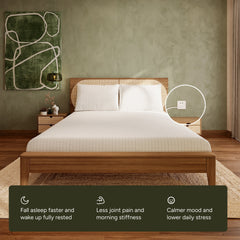
Users commonly report improved sleep quality, less morning stiffness, and calmer mood on waking. While individual results vary, the comfort, coverage, and ease-of-use make grounding sheets a strong option alongside grounding mat benefits for those prioritizing nighttime recovery and pain relief.
Comparing Mats and Sheets
When deciding between grounding mats vs sheets, think about how, where, and for how long you want contact with a conductive surface. This earthing products comparison boils down to coverage, routine, and care.
- Coverage and contact
- Sheets: Fitted grounding bedsheets offer full-body contact for hours, making them ideal for grounding for sleep. You’re connected whenever skin touches the sheet (exposed ankles, calves, or torso work well).
- Mats: Grounding bed mats or desktop/foot mats provide targeted contact. They’re effective if your feet, calves, or hands rest on them consistently, but total contact time may be shorter.
- Best use cases
- Sleep quality: Grounding sheet benefits shine overnight with consistent, whole-body connection.
- Daytime stress: Grounding mat benefits stand out at a workstation—place a mat under your feet or wrists to help reduce stress earthing while you work.
- Localized discomfort: A mat at the foot of the bed can target leg or foot pain; a desk mat can help wrists, forearms, or shoulders via continuous contact during computer use.
- Travel and flexibility: Mats pack small and set up anywhere there’s a grounded outlet.
- Materials and feel
- Sheets: Typically cotton or similar fabric woven with conductive threads. Breathable and familiar feel.
- Mats: Usually carbon-infused or conductive rubber. More durable and easy to wipe clean, but with a firmer, grippier texture.
- Care and durability
- Sheets: Require gentle washing (no bleach or fabric softeners) to protect conductive fibers. Over many washes, conductivity can diminish.
- Mats: Resist sweat, lotions, and spills; clean with a damp cloth and mild soap. Generally longer-lived with minimal maintenance.
- Setup and consistency
- Both connect to a grounded outlet or grounding rod using a cord with a built-in resistor. Use an outlet tester if you’re unsure about your ground.
- Skin contact yields the most consistent results. With sheets, keep at least part of your skin exposed. With mats, position bare feet or hands directly on the surface.
- Cost and value
- Mats are often the most affordable entry to indoor earthing.
- Sheets cover the full sleep window, offering maximum time connected—valuable if sleep is your top priority.
Examples:
- Choose a fitted sheet if you’re a hot sleeper seeking all-night grounding and a fabric feel.
- Choose a bed or desk mat if you want targeted relief for feet or wrists, easy cleaning, or a portable setup to reduce daytime stress.
- Combine a sheet at night with a mat under your desk for around-the-clock support.
Installation and Usage Differences
Choosing between grounding mats vs sheets often comes down to how you want to install and use the product day to day. Both connect to the same grounded pathway, but they differ in placement, contact area, care, and portability.
Common setup for both

- Verify your outlet is properly grounded with an outlet tester (included in many starter kits). If not, use a dedicated grounding rod as directed.
- Snap the cord to the product, then connect to the ground-only port of the outlet adapter.
- Ensure regular skin contact with the conductive surface for best results.
Fitted sheets (grounding for sleep)
- Install like standard bedding: slide the fitted grounding bedsheet over your mattress and route the cord to the outlet.
- Aim for direct skin contact—exposed legs, feet, or shoulders typically touch the sheet beneath a duvet or blanket.
- Ideal if you want passive, full-night exposure without changing bedtime routines. This is one of the key grounding sheet benefits: full-body coverage while you sleep.
Mats (flexible, targeted use)
- Place a grounding mat where you spend time: under a desk for bare feet, on a sofa for the backs of legs, or at the foot of the bed for feet and calves.
- Use during the day while working or relaxing; keep hands or feet in contact. At night, a bed mat can be placed on top of the mattress at the foot area.
- Practical grounding mat benefits include portability, easy repositioning, and targeted contact for specific areas (e.g., wrists while typing, feet during meditation).
Usage examples
- Desk setup: a mat under your desk chair lets you ground barefoot during work, supporting reduce stress earthing routines without changing your schedule.
- Sleep-focused: a fitted sheet requires no extra steps each night and provides consistent contact hours for those prioritizing grounding for sleep.
- Shared beds: sheets support couples more easily; mats tend to be single-user unless placed widthwise.
Care and maintenance differences
- Sheets: machine wash cold, gentle cycle; avoid bleach, fabric softeners, and oxy-based cleaners that can degrade conductive fibers. Tumble dry low or air-dry. Washing before first use removes manufacturing residues and can improve conductivity.
- Mats: wipe with a damp cloth and mild soap; air-dry. Avoid oils and lotions immediately before use, which can create an insulating film. Don’t fold sharply at the snap; coil cords loosely.
Troubleshooting and safety
- If you don’t feel consistent contact, test continuity with a simple conductivity checker and confirm the outlet ground.
- In older homes with questionable grounding, use an approved ground rod as instructed.
- Manage cords to prevent tripping and keep mats away from pets that chew.
In this earthing products comparison, sheets favor effortless, full-night exposure, while mats offer versatile, on-demand use. Your routine will determine which delivers the most practical value.
Benefits of Earthing Products
When looking at grounding mats vs sheets, the core benefit of both is the same: providing a conductive path that connects your body to the Earth’s natural electrical charge indoors. Many users report better sleep quality, a calmer stress response, and less day-to-day discomfort when they maintain regular contact, and small pilot studies have observed shifts in nighttime cortisol patterns, improved HRV, and reductions in self-reported pain with consistent earthing.
Grounding for sleep is where product choice really matters. Fitted grounding bedsheets create full-body, stable contact across the entire night, which can be helpful if you move a lot during sleep or wake frequently. By maintaining continuous skin contact through multiple sleep cycles, sheets are designed to support more consistent overnight earthing without having to think about positioning.
Grounding bed mats can also be used on the bed, but they typically provide targeted contact (for example, the calves and feet). This can be a good fit if you sleep hot and prefer less coverage, or if your primary goal is to ground a specific area. A practical setup is placing a bed mat where your legs naturally rest so you stay connected even if you shift positions.
Stress and mood benefits often come from extending grounding time beyond the bedroom. A desk or under-desk mat lets you place bare feet on a conductive surface during work, a simple way to incorporate reduce stress earthing into long seated periods. Combining a day mat with a nighttime sheet increases total daily exposure, which many wellness seekers find supports a steadier mood and fewer afternoon energy dips.
For pain relief, grounding mat benefits include targeted placement under the heels, calves, or lower back while sitting, or across the legs at night if morning stiffness is your main complaint. Grounding sheet benefits are broader, better for people with generalized aches who want head-to-toe coverage without adjusting a mat’s position.
Comfort, care, and durability also differ:
- Sheets are breathable cotton with silver fiber. They feel like regular bedding, wash like linens (avoid fabric softeners/bleach), and offer the most natural sleep experience.
- Mats are carbon-infused and wipe clean. They’re versatile, durable, and easy to move between bed, sofa, and home office.
- In an earthing products comparison, mats are often a lower upfront cost and highly flexible, while sheets maximize overnight consistency but will gradually wear like any textile.
Quick guide:
- Choose a mat if you need daytime use at a desk, want targeted relief, sleep warm, or prefer a lower-cost entry point.
- Choose a sheet if your priority is grounding for sleep with full-body contact, you toss and turn, or you want a set-and-forget nightly routine.
- Combine both (or a starter kit) to cover day and night for the most total grounding time.
How to Choose the Right Product
Choosing between grounding mats vs sheets comes down to how, when, and where you want to be grounded, plus how much maintenance you’re willing to take on. Use this earthing products comparison to match the product to your routine and goals.
- Primary goal:
- Grounding for sleep: A fitted grounding sheet provides full-body, all‑night contact with minimal behavior change. Ideal if you want to improve sleep quality without adding steps.
- Daytime stress or desk use: A grounding mat shines for workstations, couches, or standing desks to help reduce stress earthing throughout the day. You can still move a mat to the bed for targeted contact at night.
- Contact time and coverage:
- Grounding sheet benefits: Broad contact across the torso, legs, and feet helps maintain continuous connection even if you toss and turn.
- Grounding mat benefits: Focused contact under feet, calves, or hands; useful for localized discomfort (e.g., placing a mat under knees or lower back while resting).
- Sleeping arrangements:
- Couples and larger beds: A fitted sheet can ground both partners consistently. A single mat grounds only the body part touching it; consider a larger bed mat if sharing.
- Active sleepers: Sheets maintain contact better than a small mat that your feet might slide off.

- Sensory preferences:
- Sheets feel like standard cotton with conductive fibers woven in.
- Mats have a smooth, leatherette/carbon surface. If you prefer bare‑foot or bare‑leg contact, a mat is straightforward; if you dislike the feel, a sheet is more fabric‑like.
- Maintenance and durability:
- Sheets need gentle laundering and no bleach or fabric softeners to protect conductive fibers; expected lifespan depends on care and wash frequency.
- Mats are wipe‑clean and typically more durable against sweat and lotions; good for households with pets or frequent spills.
- Setup and safety:
- Both require a properly grounded outlet or a grounding rod. Use an outlet tester before plugging in.
- Look for cords with a built‑in safety resistor and follow manufacturer instructions. If you’re unsure about your home’s grounding, consult an electrician.
- Budget and portability:
- Mats are usually the most affordable entry point and travel well (roll up for hotels).
- Fitted sheets cost more but deliver “set‑and‑forget” nightly grounding.
- Lifestyle fit:
- Minimal‑routine change: Choose a fitted grounding sheet.
- Hybrid home/office earthing: Choose a mat you can use at your desk and move to the bed as needed.
- Comprehensive setup: Use a sheet for nights and a mat for daytime—extra contact doesn’t make you “more grounded,” but it increases the likelihood of consistent connection.
Examples:
- You wake up often and run warm: A fitted sheet keeps contact without adding noticeable heat.
- You sit 8+ hours for work and want to reduce stress and tension: Place a mat under your desk for daily use; add it at the foot of the bed on busy weeks.
- You share a queen bed: A fitted grounding sheet is the simplest way to keep both sleepers grounded.
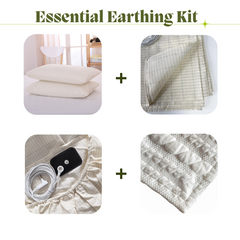
Terra Therapy offers fitted Grounding Bedsheets for all‑night ease, Grounding Bed Mats for targeted versatility, and Essential Grounding Starter Kits if you want to begin simply and expand over time.
Making Your Best Earth Connection
Choosing between grounding mats vs sheets starts with how and when you want contact with the Earth’s potential. For an earthing products comparison aimed at better sleep, less stress, and pain relief, consider contact time, surface area, and lifestyle fit rather than one-size-fits-all claims.
Grounding sheet benefits
- Best for grounding for sleep. A fitted sheet creates broad, consistent skin contact for 6–8 hours, ideal if your main goal is deeper, more restful nights.
- Passive and effortless. Once installed, you don’t have to remember to use it; toss, turn, and you’re still grounded.
- Full-body coverage. Useful if discomfort is diffuse (e.g., whole-body tension) rather than localized.
- Practical tips: Choose the correct bed size; place the conductive side up; use direct skin contact or only thin natural-fiber layers over it; wash per care guidelines to preserve conductivity.
Grounding mat benefits
- Versatile, portable contact. Use at a desk, sofa, meditation spot, or the foot of the bed—great for daytime reduce stress earthing.
- Targeted relief. Place under bare feet or against specific areas (e.g., calves, lower back) if discomfort is localized.
- Shareable and discreet. Helpful if a partner isn’t interested in overnight grounding or if you travel frequently.
- Practical tips: Ensure bare-skin contact on the conductive surface; anchor the cord safely; wipe clean regularly.
Which one aligns with your goals?
- Primarily sleep quality: A fitted sheet typically delivers the longest, most consistent grounding window overnight. Many users who struggle to fall or stay asleep start here.
- Stress and focus during the day: A mat under your keyboard hand or beneath your feet creates intentional breaks that can feel calming, especially in screen-heavy routines.
- Pain that flares in specific areas: A mat allows targeted sessions (e.g., 45–90 minutes while reading or working), and pairing it with a nighttime sheet increases total contact time.
Home setup and safety basics
- Verify a grounded outlet with an outlet checker, or use a dedicated ground rod if appropriate for your space. Connect only to the grounding port—never to live or neutral.
- Route cords along baseboards to avoid trip hazards; keep connectors dry; discontinue use if a cord is damaged.
- If you have an implanted medical device or a specific medical condition, consult your clinician before starting any new wellness practice.
Budget and progression
- Start with a mat if you want a low-commitment trial you can use anywhere.
- Choose a fitted sheet if you want maximum nightly contact with minimal behavior change.
- Combine both for around-the-clock coverage: sheet at night, mat under your desk by day.
Terra Therapy offers fitted Grounding Bedsheets for overnight use, Grounding Bed Mats for targeted or portable sessions, and Essential Grounding Starter Kits that bundle the core pieces so you can test and scale what works for you.