
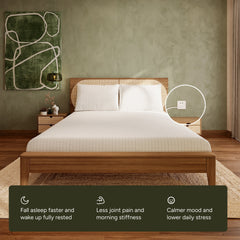

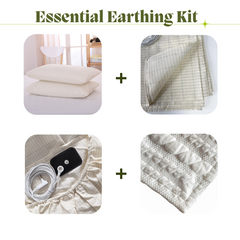

Introduction to Grounding and Pain
Grounding (also called earthing) is the practice of connecting your body to the Earth’s electrical surface—traditionally by walking barefoot on grass or soil, or indoors via conductive materials linked to a grounded outlet. For many, the appeal is simple: a non-drug, body-first approach that may complement existing natural pain management solutions.
People explore grounding for pain relief across a range of scenarios, from morning stiffness and lower back tension to post-exercise soreness and flare-ups associated with long hours at a desk. Common goals include sleeping more deeply, calming an overactive stress response, and feeling less achy upon waking—factors tightly intertwined with pain perception.
What does the evidence say? Research is early but intriguing:
- Pilot and controlled studies have reported improvements in self-reported pain and sleep when participants slept grounded, alongside more normalized overnight cortisol patterns—important because dysregulated stress hormones often amplify pain.
- Double-blind experiments using localized grounding patches after exercise-induced muscle soreness observed reduced discomfort and faster recovery markers compared with sham conditions.
- Infrared imaging case series have shown decreases in heat over painful areas after grounding sessions, consistent with a dampening of local inflammation.
- Additional small studies note shifts in autonomic balance (heart rate variability) and blood viscosity, both relevant to tissue oxygenation and recovery.
These findings suggest several potential pathways:
- Inflammation modulation: Early data indicate grounding may help the body resolve inflammatory activity more efficiently.
- Nervous system balance: Calmer sympathetic activity and improved HRV can lower pain sensitivity.
- Sleep and stress: Better sleep quality and steadier cortisol rhythms can reduce next-day pain intensity.
- Circulation: Changes in red blood cell aggregation may support microcirculation, aiding tissue repair.
Practical examples make the approach accessible:
- Overnight: Fitted Grounding Bedsheets or a Grounding Bed Mat create contact for hours while you sleep—when repair processes and pain modulation are active. Many users report less tossing, fewer nighttime awakenings, and easier mornings.
- Daytime: A grounding mat under your desk or by the couch provides contact during computer work or recovery time, a popular setup for those seeking grounding mats for pain relief in the neck, shoulders, or lower back.
- Trial first: Essential Grounding Starter Kits let you test different contact points (feet, calves, or forearms) and routines to see what feels most effective.
Important notes: Evidence on earthing benefits for chronic pain is promising but not definitive. Results vary, and grounding should complement—not replace—medical care. Use properly grounded outlets and follow safety guidelines, especially if you have implanted electronic devices. For many Wellness Seekers, though, adding earthing products for well-being is a low-effort way to explore whether grounding can help reduce inflammation with grounding practices and support a broader pain-relief strategy.
How Earthing Impacts Body Pain
Body pain is often driven by a cluster of factors—local inflammation, heightened nervous system arousal, muscle tension, poor circulation, and fragmented sleep. Grounding for pain relief targets these pathways simultaneously by allowing the body to equalize its electrical potential with the Earth. Early clinical research and pilot studies have reported reductions in pain intensity, faster recovery from exercise-induced soreness, improved heart-rate variability, and better sleep when participants were grounded during rest.
Inflammation is a key amplifier of chronic discomfort. While more robust trials are needed, small controlled studies using thermal imaging and symptom tracking have observed decreased redness, heat, and perceived pain in grounded participants. The prevailing hypothesis is that contact with the Earth may help neutralize excess positive charge, supporting the body’s ability to manage reactive oxygen species. In practical terms, many people notice fewer morning aches and stiffness after consistent nighttime grounding, aligning with reported earthing benefits for chronic pain.
Grounding also appears to influence the stress–pain connection. When the sympathetic “fight-or-flight” response stays elevated, pain sensitivity increases. Grounding has been associated with shifts toward parasympathetic activity, calmer mood, and more stable cortisol rhythms—changes linked to reduced pain perception. As a natural pain management solution, it complements relaxation, breathing work, and gentle movement.
Circulatory changes may play a role as well. Preliminary evidence suggests grounding can lower blood viscosity and support microcirculation, which may help tissues clear metabolites and ease swelling. For people with desk-bound routines or repetitive strain, this can translate into less tightness in the forearms, neck, or lower legs.
Sleep is another lever. Deep, consolidated sleep improves pain thresholds and tissue repair. Using a fitted grounding bedsheet nightly is a simple way to layer grounding into the hours when the body is already prioritizing recovery. Consistent users often report shorter sleep onset, fewer awakenings, and less next-day soreness.
Practical ways to apply grounding mats for pain relief:
- Fitted Grounding Bedsheets: Full-body contact for widespread discomfort, such as persistent back or hip aches.
- Grounding Bed Mats: Target a specific area—under calves for plantar fascia tension, or beneath the lower back for lumbar tightness.
- Essential Grounding Starter Kits: Keep a mat under your desk to offload neck and shoulder strain during long computer sessions, then move it to the sofa for evening recovery.
To maximize earthing products for well-being, use them daily, hydrate well, stretch gently, and pair with anti-inflammatory habits. Grounding is not a medical treatment and individual results vary. Those with implanted medical devices or specific conditions should consult a healthcare professional before use.

Understanding the Science of Grounding
Grounding, also known as earthing, refers to direct skin contact with the Earth’s surface or to using conductive materials indoors that connect you to the Earth’s electrical potential. The aim is simple: equalize the body’s charge to stabilize internal electrical activity. For people exploring grounding for pain relief, the rationale centers on how this electrical connection may influence inflammation, nervous system balance, and circulation—factors closely tied to pain.
How it may work
- Inflammation modulation: A leading hypothesis is that contact with the Earth provides a reservoir of electrons that can help neutralize reactive oxygen species. By potentially buffering oxidative stress, grounding may help reduce the inflammatory cascade associated with soreness and chronic pain. This mechanism is still under investigation, but aligns with reports of reduced swelling and tenderness in pilot studies.
- Autonomic nervous system balance: Small controlled studies have observed shifts toward parasympathetic activity and improvements in heart rate variability (HRV) during grounding. Participants have also shown more normalized cortisol rhythms, which are often disrupted in chronic stress. Because stress, sleep quality, and pain perception are intertwined, these shifts may explain earthing benefits chronic pain in some users.
- Blood flow and viscosity: Preliminary research has reported changes in blood viscosity and zeta potential after grounding, suggesting improved red blood cell flow. Better microcirculation may support tissue recovery and discomfort relief, though larger trials are needed.
- Electrical noise reduction: When grounded, measured AC body voltage typically drops. While the health implications of this reduction are not fully established, it offers a plausible pathway for nervous system calming in sensitive individuals.
What the studies suggest
- Double-blind and pilot trials have documented reductions in delayed onset muscle soreness, improvements in sleep quality, and declines in self-reported pain when subjects slept grounded or used localized patches.
- Thermography case series have shown decreased heat patterns consistent with reduced inflammation in grounded participants.
- These findings are encouraging, but most studies are small, sometimes single-center, and not all are fully blinded. More rigorous research is needed to confirm effects and clarify who benefits most.
Practical takeaways
- Consistency matters. Nighttime contact—via fitted grounding bedsheets or an under-sheet bed mat—provides hours of effortless exposure that many users prefer for natural pain management solutions.
- Daytime options such as a desk or foot mat can add contact time, especially for people with sedentary jobs or localized discomfort in the lower legs and feet.
- Combine grounding with foundational habits: adequate sleep, movement, hydration, and nutrition. Synergy often yields better results than any single intervention.
Safety and expectations
- Grounding is generally considered low-risk and akin to touching a grounded appliance. If you use medical devices, have a pacemaker, or take blood-thinning medications, consult your clinician before starting.
- Some notice better sleep or calmer mood first, followed by changes in discomfort over days to weeks. Others may feel a gentle warmth or tingling initially.
- Use grounding mats pain relief strategies and bed products as supportive tools, not replacements for medical care.
For those seeking to reduce inflammation grounding may offer a simple, accessible adjunct. Earthing products well-being benefits are promising, especially for sleep and stress, with a growing—though still preliminary—evidence base.
Terra Therapy User Success Stories
Customers using Terra Therapy products often describe tangible, day-to-day improvements that align with their goals for grounding for pain relief, better sleep, and calmer moods. While experiences vary, these stories show how consistent indoor earthing can complement natural pain management solutions.
- A 42-year-old graphic designer with years of neck and shoulder tightness set a Grounding Bed Mat under her desk. She kept forearms and bare feet in contact during work blocks and noticed fewer afternoon tension headaches within two weeks. By month two, she reported less reliance on OTC pain relievers and easier range of motion after long design sessions—practical grounding mats pain relief she could feel during her workday.
- A 58-year-old walker with knee osteoarthritis switched to a Fitted Grounding Bedsheet to address morning stiffness. After confirming her outlet was properly grounded and maintaining nightly skin contact, she noted shorter “warm-up” times when getting out of bed and longer, more comfortable neighborhood walks by week six. She also slept more soundly, which she believes amplified the earthing benefits for chronic pain by reducing nighttime tossing and turning.
- A 35-year-old new parent managing lower-back strain from lifting and disrupted sleep started with the Essential Grounding Starter Kit. She rested her feet on the mat during evening feeds, then added a Grounding Bedsheet for overnight use. Within three weeks, she observed fewer sharp twinges when getting up from the floor and a calmer baseline mood. The combination helped her create a steady, low-effort routine that supported natural pain management without medication.
- A 29-year-old marathon trainee dealing with Achilles irritation placed a Grounding Bed Mat on the couch post-run and used a Fitted Grounding Bedsheet at night. He reported that perceived swelling subsided faster on heavy training days and that morning step-off pain dropped from “about a 5 to a 2” over one month. He attributes this to better recovery and the possibility of reduce inflammation grounding effects, alongside stretching and smarter mileage.
- A 67-year-old retiree coping with sciatic discomfort layered a Grounding Bed Mat where her calves touch the mattress and later upgraded to a full Bedsheet for more skin contact. She described fewer nighttime leg cramps, steadier energy on morning walks, and less lingering soreness after gardening. She appreciated that earthing products supported overall well-being while fitting easily into her existing sleep setup.
These accounts share common threads: daily contact (especially overnight), simple setups that encourage consistency, and stacking grounding with supportive habits like gentle mobility and hydration. Terra Therapy’s fitted bedsheets, bed mats, and starter kits make indoor earthing accessible, which many customers say helps them manage pain, sleep better, and feel more resilient. Individual outcomes differ, and grounding isn’t a cure-all, but across these cases users found workable, low-friction ways to integrate it into daily life.
Scientific Evidence Supporting Pain Relief
A growing body of peer‑reviewed research suggests that grounding for pain relief has measurable physiological effects that may help the body calm inflammation, improve sleep, and reduce perceived pain—especially when contact is maintained for hours at a time via conductive sheets or mats.
In acute muscle soreness models, double‑blind, sham‑controlled pilot trials have grounded participants after strenuous exercise using conductive patches or sheets. Compared with sham grounding, grounded groups reported lower pain scores over the following 24–72 hours and showed objective signs of faster recovery, including smaller rises in creatine kinase and fewer neutrophils. These findings point to a possible anti‑inflammatory effect relevant to everyday aches and post‑activity discomfort.
Sleep studies using grounded mattress pads across several weeks have reported improved sleep quality alongside reductions in pain and stress ratings. In one frequently cited trial, participants also demonstrated a more normalized 24‑hour cortisol rhythm. Because poor sleep and dysregulated stress hormones can amplify pain perception, these results help explain earthing benefits chronic pain sufferers often describe.
Circulatory changes may be another contributor. Laboratory studies have found that grounding can improve red blood cell “zeta potential,” translating into lower blood viscosity and reduced clumping. Better microcirculation supports tissue oxygenation and waste removal—two factors implicated in musculoskeletal pain. Thermal imaging case series further document rapid cooling of hot, inflamed areas at grounding patch sites, consistent with an inflammation‑modulating effect.
Autonomic balance matters, too. Short‑term experiments show increased heart rate variability (HRV) and a shift toward parasympathetic (rest‑and‑digest) activity during grounding. By dampening sympathetic arousal, grounding may reduce central sensitization and help the body reduce inflammation; grounding can therefore complement other natural pain management solutions.

What to look for when evaluating the science:
- Use of sham mats/sheets to blind participants and reduce placebo effects
- Objective outcomes (e.g., HRV, blood viscosity, thermography, inflammatory markers) alongside pain scales
- Sufficient grounding duration (hours per night or repeated daily sessions)
- Consistency of benefit across acute soreness and chronic pain populations
Practical implications: Many studies employed conductive bedding or floor contact similar to Terra Therapy’s fitted grounding bedsheets and grounding bed mats, enabling indoor earthing with minimal lifestyle change. For individuals seeking grounding mats pain relief without medication, daily or nightly use offers a low‑barrier approach that can be paired with movement, sleep hygiene, and anti‑inflammatory nutrition to support overall recovery.
It’s important to note that most trials to date are small, and larger, multi‑center studies are needed to confirm magnitude of effect and define best practices. Still, the convergence of subjective pain relief with objective physiological shifts makes earthing products well‑being tools worth considering—especially for those exploring non‑drug strategies to ease chronic and recurrent pain. As always, consult a healthcare professional for personalized guidance.
Maximizing Relief with Terra Therapy Products
Achieving the most from grounding for pain relief comes down to consistent contact, correct placement, and a clean, verified connection to Earth. Terra Therapy designs each item to make this easy in real life, whether you want all-night support or targeted daytime sessions.
Fitted Grounding Bedsheets
- Aim for nightly use. The more time you’re grounded during sleep, the more opportunities your body has to recalibrate stress responses and recover from daily strain.
- Maximize skin contact. Bare legs or torso on the sheet increase conductivity. Natural cotton sleepwear works; thick synthetics can reduce contact.
- Good for whole-body discomfort, arthritis flare-ups, and morning stiffness. Many users seeking earthing benefits for chronic pain choose sheets as their foundation.
- Care tips: Wash regularly with mild detergent, skip fabric softeners and bleach, and dry on low to preserve conductive fibers.
Grounding Bed Mats
- Use for targeted relief. Place under calves for restless legs, beneath the lower back while reading, or under feet at a desk or couch.
- Practical protocols: 30–60 minute sessions, 1–3 times daily, plus a longer evening session. For plantar fasciitis, stand or rest bare feet on the mat while working. For wrist or elbow discomfort, rest forearms or hands directly on the surface.
- This approach supports grounding mats pain relief when you need location-specific contact without changing your bedding.
Essential Grounding Starter Kits
- Ideal if you’re new and want a simple, proven setup. Kits typically include a mat plus outlet and continuity testers so you can confirm a safe, grounded connection before use.
- If an outlet isn’t properly grounded, use an outdoor grounding rod as directed.
Setups for common goals
- To reduce inflammation grounding: prioritize overnight sheets for extended contact; add a daytime mat session after activity or long periods of sitting.
- For stress-related tightness: pair a mat under your feet during deep breathing or gentle stretching.
- For back or hip discomfort: position the mat so the affected area rests directly on it during evening wind-down.
Tracking and safety
- Track a daily 0–10 pain score, morning stiffness, and sleep quality to see trends over 2–4 weeks. Many people integrate grounding as part of natural pain management solutions alongside movement, hydration, and clinician-guided care.
- Always test outlets, inspect cords, and avoid use with damaged equipment. If you have implanted electronic devices or complex medical conditions, consult your clinician first.
Small habits add up. Consistent contact with Terra Therapy’s earthing products—well-being essentials like sheets, mats, and kits—can support everyday comfort and complement your broader plan for natural, non-pharmacologic relief.
Integrating Grounding into Daily Life
Grounding for pain relief is most effective when it becomes part of your daily routine. Start small, build consistency, and choose touchpoints where contact is easy and uninterrupted.
Nighttime routine
- Use Terra Therapy Fitted Grounding Bedsheets or place a Grounding Bed Mat beneath your fitted sheet where calves or thighs touch. Direct skin contact is ideal.
- Verify the outlet is properly grounded using the included tester, and connect the cord as instructed.
- Aim for nightly use. Many people report more comfortable mornings and less stiffness after consistent overnight grounding, which aligns with preliminary studies suggesting potential earthing benefits for chronic pain and sleep quality.
Daytime contact

- Place a Grounding Mat under your desk for your feet or forearms while you work. Even 2–4 hours of daytime contact can complement overnight use.
- Keep a mat by the couch or reading chair for passive sessions during calls, journaling, or TV.
- If you stand for long periods, alternate feet on a mat to reduce lower-body tension.
Movement and recovery
- After walks, workouts, or extended travel, sit or stretch on a mat for 15–30 minutes. Early research has noted reduced muscle soreness and faster recovery in some participants; results vary, but many users consider this a helpful addition to natural pain management solutions.
- Pair grounding with gentle mobility work, breathwork, or heat/cold therapy if these are part of your routine.
Getting started with a kit
- Terra Therapy Essential Grounding Starter Kits include the basics to begin at home or in a home office.
- For travel, pack a compact mat and outlet tester. Use only grounded outlets and follow local electrical standards.
Timing and progression
- If you’re sensitive, begin with 30–60 minutes daily and build toward overnight use. Some people notice changes quickly; for longer-standing issues, allow 2–4 weeks of consistency.
- Track a simple 0–10 pain score, morning stiffness, range of motion, and sleep quality to gauge personal outcomes.
Care and maintenance
- Wash grounding sheets in cold water with mild detergent; avoid bleach and fabric softeners. Tumble dry low or line dry.
- Wipe mats with a damp cloth and mild soap. Avoid harsh cleaners to maintain conductivity.
Safety and practical notes
- Use only as directed, connecting to a verified grounded outlet or approved grounding point. Keep cords tidy to prevent tripping.
- If you have an implanted medical device, are pregnant, or use anticoagulant medications, consult your healthcare provider before use.
- Discontinue if skin irritation occurs.
Why integrate grounding?
- Customers frequently cite grounding mats pain relief, calmer stress responses, and deeper sleep as part of their wellness journey.
- While findings are still evolving, some studies suggest grounding may support relaxation and help reduce inflammation; grounding may also contribute to overall well-being when combined with movement, sleep hygiene, and an anti-inflammatory lifestyle.
By weaving earthing products into everyday moments—overnight, at your desk, and during recovery—you create steady opportunities that may support comfort and resilience over time.
Embrace Natural Pain Management
If you’re exploring natural pain management solutions, grounding offers a low-effort, non-pharmacological practice that can be incorporated into daily life. The idea is simple: maintain skin contact with a grounded surface to allow a flow of free electrons from the Earth, which may help calm overactive inflammatory processes. While large-scale clinical trials are still limited, early research and user reports point to potential grounding for pain relief across common complaints like joint stiffness, back discomfort, and muscle soreness.
Preliminary studies provide context. A small randomized trial on delayed-onset muscle soreness found grounded participants reported less pain and recovered function sooner than controls. Observational research on sleep and cortisol rhythms noted improved rest quality and reductions in perceived pain among grounded sleepers. Thermography case series have also shown localized cooling of inflamed areas during and after grounding sessions. These findings are not definitive, but they align with the proposed mechanism that an abundant supply of electrons could neutralize reactive oxygen species and downshift inflammatory signaling—an avenue consistent with attempts to reduce inflammation through grounding.
Translating evidence into practice is where Terra Therapy’s earthing products can help indoors, consistently:
- Fitted Grounding Bedsheets: For people who wake with joint stiffness or back aches, overnight contact provides hours of low-effort exposure. Customers commonly use these for arthritis flare-ups, tension after desk work, or post-exercise soreness and report easier mornings after 2–4 weeks of nightly use.
- Grounding Bed Mats: Ideal if you prefer your own linens or want targeted placement. Position a mat at calf level to relax hamstrings and lower back, or under the shoulders for upper-back tension. Many users keep a mat under their feet while reading or meditating to support grounding mats pain relief during evening wind-down.
- Essential Grounding Starter Kits: Combine a sheet and a versatile mat. Start with 30–60 minutes of daytime sessions under bare feet, then add overnight grounding. This layered approach helps those assessing earthing benefits for chronic pain without changing their entire routine at once.
For best results:
- Ensure direct skin contact and a verified ground connection (grounded outlet or grounding rod, as instructed).
- Use daily; consistency matters more than intensity.
- Pair with gentle mobility, hydration, and sleep hygiene to support whole-body recovery.
- If you have implanted medical devices or complex conditions, consult your healthcare provider before starting.
Grounding is not a cure-all, but as part of a broader wellness plan it can be a practical, low-risk addition aimed at easing discomfort. For many wellness seekers, earthing products support well-being by making daily, convenient contact with the Earth possible—indoors and year-round.