


Introduction to Grounding Benefits
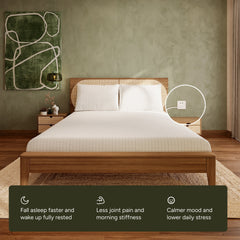
For anyone weighing grounding solutions cost effectiveness, start with what the practice aims to deliver and how reliably you can incorporate it into daily life. Grounding (or earthing) connects your body to the Earth’s electrical potential, traditionally by barefoot contact outside. Indoors, conductive products—such as Terra Therapy’s fitted bedsheets and mats—route that connection through a grounded outlet or grounding rod so you can maintain contact for hours without changing your routine.
Potential benefits commonly sought include better sleep, reduced stress, pain relief, and more consistent daytime energy. Evidence is preliminary but notable. Small controlled studies and pilot trials have reported:
- Improvements in sleep quality and next-day alertness
- Reductions in self-reported pain and soreness after activity
- Shifts toward a calmer autonomic state (e.g., changes in heart rate variability)
- More normalized diurnal cortisol patterns, which can relate to stress resilience
Because consistency matters, products that work while you sleep or sit can raise earthing product value by increasing total contact time without extra effort. Examples:
- Fitted Grounding Bedsheets: Passive, all-night exposure for sleepers with irregular schedules or frequent awakenings
- Grounding Bed Mats: An alternative for those who prefer their existing linens
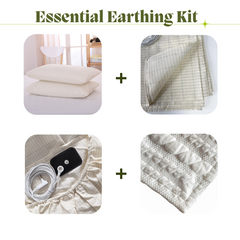
- Essential Grounding Starter Kits: Desk or sofa setups for remote workers managing screen time, tension, and midday fatigue
Cost and durability depend on materials and use:
- Materials: Woven silver fibers (soft, conductive, higher upfront cost) vs. carbon-infused mats (durable, easy to clean)
- Surface area and hardware: Larger bed sizes and included testers can affect price
- Care: Gentle washing and occasional continuity checks support multi-year lifespans
To frame grounding therapy cost against common wellness spend, consider typical market ranges: a grounding mat often falls around the price of a single massage or a month of premium supplements, while a high-quality sheet can be comparable to a wearable device or several therapy copays. If nightly use improves sleep enough to reduce reliance on sleep aids, or if regular desk use eases tension that might otherwise prompt extra bodywork sessions, the health investment grounding profile improves.
Long-term earthing benefits are most likely when products fit seamlessly into your routine. For many wellness seekers, that makes sleep-focused options the highest-return starting point, with a mat for daytime reinforcement where posture, stress, and screen exposure converge.
Types of Grounding Products Available
Grounding products fall into a few practical categories, each designed for different routines and budgets. Understanding what you’ll use most often is key to grounding solutions cost effectiveness.
- Fitted grounding bedsheets: Woven with conductive silver fibers, these convert your entire sleep surface into a contact point. They’re ideal for consistent, overnight use. Typical market ranges are about $100–$250 depending on size and silver content. Care involves gentle washing to preserve conductivity. If a $150 sheet is used 300 nights a year, the cost is roughly $0.50 per night, which can offer strong earthing product value over time.
- Grounding bed mats: Made from carbon-infused rubber or polyurethane, these sit on top of or under your regular sheet. They’re easy to wipe clean and often more durable than textiles. A common grounding mats price range is $60–$150. For households with pets or frequent spills, mats can be a practical alternative to fabric sheets.
- Universal/desk/foot mats: Versatile pads for under a keyboard, mouse, or feet while working or relaxing. Prices commonly run $25–$80. For remote workers logging many hours at a desk, the cost per use can be very low.
- Pillowcases and throws: Targeted nighttime contact if you prefer not to change your full bedding setup. Expect around $40–$120.
- Patches and bands: Adhesive patches or elastic bands for localized contact (e.g., a sore calf). These are consumables, typically $15–$40 per pack, and can increase ongoing grounding therapy cost compared to reusable options.
- Essential Grounding Starter Kits: Bundles that include a mat or sheet plus cords and outlet checker. Kits can simplify setup and improve earthing product value through bundling, often landing around $80–$180.
- Accessories: Outlet safety checkers, continuity testers, and replacement cords usually range from $10–$30 and help verify proper connections for safety and performance.
Material and maintenance influence lifespan. Silver-thread textiles may gradually lose conductivity with frequent washing, while carbon-based mats generally tolerate heavier use. Verifying conductivity periodically with a tester can extend long-term earthing benefits by catching worn components early.
To gauge health investment grounding, calculate cost per hour or night and compare it to alternatives like spa visits or one-time wellness gadgets. A $70 desk mat used 5 days a week for a year can cost well under $0.30 per day. Choose formats that match your routine—sleep-focused users often benefit from fitted sheets or bed mats, while desk-bound users may get more value from a universal mat and a simple starter kit.
Initial Cost of Earthing Solutions
Upfront pricing for earthing gear varies based on product type, materials, and bed size, and it’s the first lever in judging grounding solutions cost effectiveness. Expect higher prices for larger sleep surfaces and for fabrics woven with higher percentages of silver, which provides conductivity.
Typical ranges you’ll see in the market:
- Universal grounding mats (desk/foot/bedside): $35–$80 each. A practical entry point to test earthing product value without committing to a full sleep setup.
- Bed mats (placed under a fitted sheet): $90–$160. Durable carbon-infused mats that cover more surface area for overnight use.
- Fitted grounding bedsheets (twin–king): $120–$260. Pricing rises with bed size and silver content, which can enhance conductivity and feel more like conventional bedding.
- Essential Grounding Starter Kits: $100–$200. Bundles typically include a mat or sheet, coil cord, and an outlet checker, often offering better per-item value than buying à la carte.
What’s usually included and what’s extra:
- Included: connection cord(s) and a U.S. outlet ground checker are common in kits and many standalone items.
- Possible add-ons: international adapters ($8–$25), replacement cords ($8–$20), continuity testers ($20–$40), or a ground rod kit if your outlets aren’t grounded ($20–$50).
- Shipping and returns vary by retailer and can affect total grounding therapy cost.
Cost-per-use can clarify health investment grounding decisions:
- A $160 fitted sheet used nightly for 18 months (~540 nights) is about $0.30 per night; shared by two sleepers, that’s roughly $0.15 per person per night.
- A $70 desk mat used 5 days a week for two years (~500 uses) averages $0.14 per workday.
Factors that influence lifespan—and thus long-term earthing benefits per dollar—include care practices (gentle wash, no bleach or fabric softeners), water hardness, and frequency of use. Mats often tolerate wear differently than textiles, while fabrics with higher silver content may maintain conductivity longer if cared for properly.

Budgeting tips:
- Start small with a universal mat to assess comfort and routine fit before upgrading to a bed mat or sheet.
- Choose the right bed size rather than upsizing—coverage you won’t use adds cost without added value.
- Look for kits when outfitting multiple areas (bed and desk) to improve earthing product value through bundle pricing.
- Check warranty length and return windows to mitigate trial risk.
Grounding mats price and sheet pricing can be aligned with your goals: short daily sessions, all-night use, or whole-home setups, letting you stage the investment over time.
Measuring Health Returns on Investment
To evaluate grounding solutions cost effectiveness, treat earthing like any other health investment: define outcomes, track changes, and calculate cost per benefit over time. A structured, 90-day trial provides enough data to judge earthing product value without long commitment.
What to measure before and during use
- Sleep: time to fall asleep, wake-ups, total sleep time, sleep efficiency (from a wearable), and a weekly Pittsburgh Sleep Quality Index (PSQI) score.
- Stress: daily resting heart rate and HRV (wearable), and a weekly Perceived Stress Scale (PSS) score.
- Pain: a simple 0–10 pain rating once or twice per day, plus activity tolerance (e.g., minutes walking without discomfort).
- Energy and mood: a 1–10 morning energy score; note afternoon slumps.
- Spending and productivity: monthly spend on sleep aids, pain relievers, caffeine, and bodywork; sick days or missed workouts.
Total cost of ownership
- Grounding mats price typically ranges from about $60–$150; fitted grounding bedsheets often range from $120–$250, depending on size and materials. Starter kits fall in between for a low-friction trial.
- Lifespan is commonly 1–3 years with normal care. At $180 used 300 nights per year for two years, a bedsheet runs roughly $0.30 per night.
- Ongoing costs are minimal: no electricity consumption, occasional outlet tester ($10–$15) to confirm a proper ground, and standard laundering.
Context vs. alternatives
- Sleep supplements: $30–$60 per month, ongoing.
- Massage/acupuncture: $80–$120 per session, often monthly.
- Over-the-counter sleep or pain aids: $10–$40 per month.
- New mattress: $800–$1,500+ with multi‑year horizon.
Grounding therapy cost is front-loaded and low per use, which can make the long-term earthing benefits attractive if measurable improvements persist.
Example ROI frame
- Initial purchase: a fitted grounding bedsheet at $180 or a bed mat at $120.
- If your tracked changes mean you reduce sleep supplements by $30/month and cut one massage per quarter ($90), you net $210 saved in six months—paying back the product while still using it nightly.
- Add intangible gains: fewer afternoon slumps, improved training consistency, or better focus—all observable in your logs.
Evidence considerations
Early studies and user reports suggest potential improvements in sleep quality, stress markers, and perceived pain with indoor earthing. Results vary by individual, so rely on your metrics. If you don’t observe meaningful changes by 8–12 weeks, reassess fit, setup quality (proper grounding), or alternative approaches.
Practical next steps
Begin with an Essential Grounding Starter Kit to minimize upfront risk, measure diligently for 90 days, then scale to a fitted bedsheet or bed mat if the data justify the upgrade.
Comparing Grounding to Alternative Therapies
When you compare grounding to other wellness options, the key variable is grounding solutions cost effectiveness: a modest, one-time purchase you can use nightly versus recurring fees that add up.
For context, grounding mats price and sheets typically sit in an accessible range relative to big-ticket wellness gear. Example: if a fitted earthing sheet costs $150 and you sleep on it 300 nights per year for two years, your cost is about $0.25 per night. A durable mat at $100 used 5 days a week for three years is roughly $0.13 per session. That per-use math is central to assessing earthing product value.

How this stacks up against common alternatives:
- Sleep supplements (melatonin, magnesium): $15–$50/month; $180–$600/year with variable efficacy and tolerance issues over time.
- Massage or acupuncture: $70–$120 per session; weekly visits can exceed $3,000/year.
- CBT-I or stress therapy: $100–$200 per session; structured programs may total $400–$1,200+ but have strong evidence for insomnia/anxiety.
- Wearables and sleep apps: $80–$400 device plus $60–$120/year subscription; insights depend on consistent use.
- Premium mattress or weighted blanket: $150–$2,000+; long lifespan, but not targeted at grounding physiology.
- Physical therapy or chiropractic: $60–$150 per visit; ongoing plans can reach thousands annually.
Grounding’s potential long-term earthing benefits—better sleep quality, less perceived stress, or reduced discomfort—are supported by small studies and user reports, but large, definitive trials are limited. From a value standpoint, that positions grounding as a low-risk, at-home adjunct that may reduce reliance on costlier, recurring interventions if it helps you sleep more soundly or feel calmer. Free outdoor earthing is the lowest grounding therapy cost of all; indoor products simply make daily consistency practical.
Practicality also matters. Sleeping on a grounded sheet is passive—no appointments, no routine changes—so adherence is typically high, which improves health investment grounding value. In contrast, therapies that require scheduling, travel, or effort often see drop-off, diminishing ROI.
Total cost of ownership is straightforward. Quality mats and sheets can last 1–3+ years with proper care. Maintenance involves normal washing and occasional continuity checks; replacement cords or adapters are inexpensive. There are no refills or subscription fees.
Bottom line: for wellness seekers willing to try a non-pharmaceutical, at-home option, the cost-to-use profile of earthing products is favorable. Set realistic expectations, consider combining with evidence-based care when needed, and evaluate benefits over 30–60 days to judge personal value.
Durability and Lifespan of Products
How long a grounding product holds up under daily use is central to grounding solutions cost effectiveness. A durable item spreads its purchase cost over thousands of hours of contact, improving earthing product value without adding maintenance burdens.
Material and construction drive lifespan. Fitted grounding bedsheets typically blend cotton or bamboo with silver-infused conductive fibers. Silver threads deliver excellent conductivity but are sensitive to abrasion and harsh chemistry. With gentle care, many users see 1–3 years of nightly use; heavy washing, bleach, fabric softeners, and high-heat drying can shorten that to 6–18 months as silver oxidizes and conductivity drops.
Grounding bed mats use a carbon-infused conductive layer bonded to PU or rubber. These resist sweat, oils, and frequent contact better than textiles. When used indoors and kept out of direct UV, mats commonly last 3–5+ years. Look for reinforced snap connectors and strain-relieved cords; these are frequent failure points. A replaceable cord extends practical lifespan at minimal grounding therapy cost.
Care practices that extend longevity:
- Wash sheets on gentle, cold cycles; avoid bleach, fabric softeners, and whitening agents.
- Air-dry or low-heat tumble to prevent thermal degradation of conductive fibers.
- Wipe mats weekly with a mild soap solution; avoid alcohol or solvent cleaners that can dry and crack PU.
- Keep mats away from heaters and direct sunlight; trim pet nails to reduce surface scratching.
- Periodically inspect snaps and cords; replace at first sign of looseness or fray.
Testing safeguards performance. A simple continuity tester or multimeter can confirm a sheet or mat still conducts. Logging a quarterly check helps you spot gradual increases in resistance that signal end-of-life.
Cost-per-use arithmetic clarifies grounding mats price versus sheets. For example, a $180 conductive sheet lasting 2 years of nightly use (~730 nights) costs about $0.25 per night. A $120 mat lasting 4 years (~1,460 nights) costs roughly $0.08 per night. Starter kits that bundle a mat, cord, and tester often reduce total outlay while ensuring reliable setup, improving health investment grounding.
Consider warranty and replaceable parts. A solid warranty, readily available cords, and robust snaps reduce total ownership costs and support long-term earthing benefits through consistent, uninterrupted use. If your goal is daily grounding with minimal upkeep, a mat may deliver the best balance of durability and earthing product value, while sheets offer comfort with mindful care.
Factors Affecting Overall Value
Grounding solutions cost effectiveness depends on how often you’ll use the product, how long it lasts, and whether it measurably improves your sleep, stress, or pain. Looking at total ownership rather than sticker price gives a clearer picture of earthing product value.
- Upfront price vs. lifespan: Grounding mats price typically ranges from about $40–$150, while fitted sheets are often $100–$300 depending on size and materials. A $180 sheet used nightly for two years comes out to roughly $0.25 per night. A $90 desk mat used 5 days a week for four years is about $0.09 per workday. Cost per use drops quickly with consistent routines.
- Materials and build: Silver-fiber textiles offer strong conductivity and a soft hand feel, but their lifespan depends on weave density and care. Bleach, fabric softeners, and harsh detergents can degrade silver threads and shorten longevity. Carbon-infused rubber mats tend to be more durable and water-resistant, often outlasting textiles, though they’re less “fabric-like.” Material choice directly affects long-term earthing benefits and replacement cycles.
- Care and maintenance: Proper washing (mild detergent, no bleach/softeners) and avoiding high heat can extend sheet life. Minimal ongoing costs include an outlet ground tester (usually under $15) to verify a safe ground and, optionally, a conductivity tester to check performance over time.
- Fit for your routine: Sleepers who spend 7–8 hours in bed may see more value from fitted grounding bedsheets or bed mats. If you’re desk-bound for much of the day, a mat beneath your keyboard or feet may deliver more contact time per dollar. Starter kits can be cost-savvy when outfitting multiple spots.
- Measurable outcomes: The grounding therapy cost is justified when you can track benefits. Use a sleep tracker, HRV readings, or a pain/stress journal for 2–4 weeks. Preliminary studies and user reports suggest potential improvements in sleep onset, perceived stress, and discomfort, but individual responses vary. A clear trial window and return policy reduce risk.
- Setup and safety: Verify your outlet is properly grounded; older buildings may need adapters or alternative grounding points. If you use implanted medical devices, consult your clinician before starting.
- Hidden or ancillary costs: Consider shipping, replacement cords, travel adapters, and eventual textile replacement (often 1–3 years for silver-based sheets; mats may last longer). Compare the total to alternative health investment grounding options like supplements ($30+/month), massage ($70–120/session), or sleep gadgets. If a one-time purchase replaces recurring spend, overall earthing product value improves.
Making an Educated Purchase Decision
To judge grounding solutions cost effectiveness, build a simple framework: total cost of ownership, expected lifespan, likelihood of benefit for your goals, and fit with daily habits. The right choice is the one you’ll use consistently, with safety and durability factored in.

Start with total cost of ownership. Include initial purchase, any outlet testers or cords, care requirements, and replacement cycle. Conductive textiles (like silver-thread sheets) commonly last 1–3 years depending on washing frequency and detergents used, while carbon-infused mats often last 3–5 years with routine care. A product with a slightly higher grounding mats price but a longer lifespan can deliver better earthing product value over time.
Use cost-per-use to compare options:
- Example: If a Grounding Bed Mat costs $120, used 250 nights/year for 3 years, the grounding therapy cost is about $0.16 per night.
- Example: If a Fitted Grounding Bedsheet costs $160, used 300 nights/year for 2 years, cost is about $0.27 per night.
- A Starter Kit that includes an outlet tester can reduce add-on purchases and streamline setup, potentially improving overall value.
Match the product to your routines. Sleep-focused users often favor Fitted Grounding Bedsheets for extended contact time, while desk workers may prefer a Grounding Bed Mat or a smaller mat for daytime use. Essential Grounding Starter Kits help you evaluate whether indoor earthing fits your lifestyle before committing to multiple rooms or family members.
Assess quality and safety to protect your investment:
- Materials: conductive silver fiber percentage for sheets; durable carbon/rubber for mats.
- Verification: continuity/ground testers; check that your outlet is properly grounded before use.
- Hardware: secure snaps, robust cords, safe adapters, and strain relief to prevent breakage.
- Care: washing guidelines that preserve conductivity; mild detergents; avoid bleach/fabric softeners.
- Policies: warranty, return window, and documented lifespan expectations.
Measure outcomes to validate long-term earthing benefits. Track sleep metrics (time to fall asleep, wake-ups, wearable data), perceived stress scores, and pain logs for 2–4 weeks before and after use. Improvements you can measure translate directly to health investment grounding justification.
Finally, consider alternatives and safety. Outdoor barefoot time is free but not always practical; indoor products enable year-round consistency. If you have an implanted medical device or specific health concerns, consult a clinician. A thoughtful, data-driven trial will clarify grounding solutions cost effectiveness for your needs.
Grounding: A Sustainable Wellness Investment
When you evaluate grounding solutions cost effectiveness, look beyond the sticker price to daily use, durability, and the expenses they may offset. Grounding sheets and mats are passive devices—no batteries, charging, or electricity consumption—so once purchased, ongoing costs are minimal.
A simple way to judge earthing product value is cost-per-use:
- Fitted Grounding Bedsheet: If a sheet costs around the mid–hundreds and you sleep on it nightly for two years, you’re paying roughly a few dimes per night. Use it longer, and the cost-per-night drops further.
- Grounding Bed or Desk Mat: A mat in the low–to–mid hundreds, used a few hours a day for multiple years, can come out to just a couple of cents per hour.
Actual grounding mats price and sheet pricing vary by size and materials, but these per-use calculations highlight how intensive, daily use compounds value. A queen or king grounding sheet can serve two sleepers, further improving the economics.
Consider what a one-time purchase may replace or reduce. If you regularly buy sleep supplements, pay for recurring stress-relief services, or add devices to manage nighttime restlessness, those monthly costs can surpass a mat or sheet within a year. While individual outcomes differ, many users choose health investment grounding solutions because they’re non-consumable and easy to integrate into routines like sleep or desk work.
Longevity and care matter for grounding therapy cost:
- Materials: Conductive fabrics (often with silver-coated fibers) can offer a multi-year lifespan with proper care.
- Maintenance: Wash gently, avoid bleach and fabric softeners, and follow the brand’s instructions to preserve conductivity.
- Components: Cords and adapters are simple, low-cost to replace if worn. Periodic conductivity checks help ensure performance.
Sustainability adds another layer of earthing product value. Grounding textiles and mats:
- Incur no energy use during operation and don’t require charging.
- Produce less waste than consumable wellness products.
- Are versatile—move a mat from bed to couch to desk, or use an Essential Grounding Starter Kit to cover multiple settings without duplicate purchases.
For those seeking long-term earthing benefits, Terra Therapy’s fitted grounding bedsheets, bed mats, and starter kits are designed for high-frequency use and low maintenance—key traits that support true cost effectiveness over time.