


Understanding Modern Fatigue and Its Causes
Feeling drained despite a full night in bed is increasingly common. Modern fatigue isn’t just “being tired”; it’s a mix of sleep disruption, stress load, and lifestyle inputs that deplete cellular energy and dull mental clarity. Understanding these drivers is the first step toward natural energy fatigue relief.
Sleep debt and circadian disruption are leading culprits. Late-night screens suppress melatonin, social jet lag shifts sleep-wake timing, and irregular bedtimes fragment deep sleep—the phase most associated with physical restoration and next-day alertness. If you wake unrefreshed, you’re likely missing slow-wave sleep, making it harder to improve sleep energy even if total hours look adequate.
Chronic stress compounds the problem. Persistent deadlines, news cycles, and digital multitasking keep the stress response primed, elevating cortisol and heart rate while impairing recovery. Over time, this can reduce motivation, increase anxiety, and create the sensation of “wired and tired.” Addressing stress is essential to reduce chronic fatigue and stabilize daily vitality.
Metabolic swings play a role, too. Highly refined breakfasts or long gaps between meals can trigger blood sugar peaks and crashes that feel like sudden exhaustion. Dehydration (even mild) impairs focus and exercise tolerance. Low iron, B12, or magnesium can also sap energy—worthy of a clinician’s check if fatigue persists.
Low movement and indoor living add friction. Hours of sitting reduce circulation and muscle glucose uptake, while limited daylight exposure blunts circadian signals that cue alertness. Indoor air quality and noise can fragment sleep, while constant artificial lighting weakens the contrast between day and night your body relies on to boost natural energy.
Where grounding fits: Practices that reconnect you with the Earth—outdoor barefoot time or indoor solutions that simulate that contact—are used by many to calm the nervous system and support recovery. Preliminary studies report improved sleep quality and reduced perceived stress when participants used grounding setups, which may explain why people often notice earthing benefits energy the next day. At night, consistent contact via a fitted bedsheet or bed mat can help anchor a soothing pre-sleep routine; by day, a desk mat may pair well with light movement breaks for grounding for vitality.
Practical examples:
- Afternoon slump: Swap a sugary snack for protein and fiber, hydrate, step outside for 5 minutes of daylight, or use a grounding mat during a brief stretch to steady energy.
- Restless nights: Dim lights an hour before bed, limit late screens, keep a regular schedule, and consider a grounded sleep surface to support deeper, more continuous rest.
Fatigue is multifactorial, so stack small, evidence-informed habits—sleep hygiene, balanced meals, daylight and movement, and grounding practices—to create sustainable, natural energy fatigue relief. If symptoms are severe or sudden, consult a healthcare professional to rule out medical causes and tailor a plan to boost natural energy safely.
The Quest for Sustainable Natural Energy
Lasting vitality isn’t about quick spikes of stimulation; it’s about creating conditions that let your body produce and manage energy efficiently all day. Natural energy fatigue relief starts with restoring foundational rhythms, lowering unnecessary stress load, and supporting deep, consistent sleep.
Modern fatigue often has overlapping drivers:
- Sleep disruption and circadian misalignment
- Elevated stress and anxiety that keep the nervous system “on”
- Low‑grade pain or inflammation draining focus
- Sedentary routines and indoor environments
A sustainable plan addresses these inputs in small, repeatable ways that stack benefits.
- Anchor your clock: Get 5–10 minutes of morning outdoor light, dim screens at night, and keep regular wake/sleep times to improve sleep energy.
- Move gently, often: Short walking breaks and light mobility sessions can boost natural energy without overstimulating your system.
- Support recovery: Prioritize protein with each meal, steady hydration, and a wind‑down routine that signals safety to the body.
- Downshift stress: Slow nasal breathing (for example, 4 seconds in, 6 out), journaling, and brief mindfulness sessions help recalibrate the nervous system.
Where grounding fits: Earthing connects your body to the earth’s electrical potential through conductive surfaces. Many users report calmer nights, less restlessness, and brighter morning energy. Preliminary studies suggest potential benefits such as improved heart rate variability, reduced perceived stress, and better sleep quality—factors that can reduce chronic fatigue sensations over time. While individual responses vary, grounding for vitality is most effective when practiced consistently and paired with sleep and stress fundamentals.
Practical ways to integrate earthing indoors:
- Night: Fitted Grounding Bedsheets create passive contact for 6–8 hours, aligning with your body’s repair window. Users often notice fewer awakenings and an easier time rising—an essential base to boost natural energy.
- Day: A Grounding Bed Mat or a mat under your desk allows contact while you work or read. Even 30–60 minutes during an afternoon slump may help you feel more steady and focused.
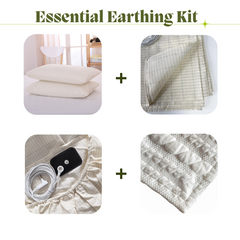
- Start simple: Essential Grounding Starter Kits help you test placement and build a routine without overhauling your space.
Example routine for consistent benefits:
- Morning: Light exposure + a 10‑minute walk, hydrate, protein‑rich breakfast.
- Midday: 30 minutes of seated work with feet on a grounding mat, brief breathwork.
- Evening: Dim lights an hour before bed, gentle stretch, then sleep on a grounded sheet.
The goal is not a single fix but a compounding effect—better sleep, calmer stress responses, and fewer pain signals free up energy for the day ahead. If fatigue is persistent or severe, check in with a healthcare professional. For many wellness seekers, combining everyday rhythm resets with earthing benefits energy naturally and sustainably.

Introducing Earthing and Grounding Principles
Earthing—also called grounding—means making direct skin contact with the Earth so your body shares the planet’s electrical potential. Modern lifestyles insulate us with rubber soles and synthetic flooring. Reintroducing that connection is used by many as a gentle, non-stimulant approach to natural energy fatigue relief.
At its core, grounding is an electrical phenomenon. The Earth sits at approximately zero volts; when the skin contacts a conductive surface linked to ground, electrons can flow and equalize charge. In practical terms, this can reduce the body’s induced voltage from surrounding electric fields. Small controlled studies have reported improvements in sleep quality, lower nighttime cortisol patterns, reduced perceived pain, and shifts toward parasympathetic balance (as suggested by heart rate variability). While the evidence base is still developing, these findings align with what many users report: less tension at night and clearer daytime focus.
Why does this matter for vitality? If sleep becomes deeper and stress responses quiet, it’s easier to boost natural energy during the day. People seeking to reduce chronic fatigue often start with simple sleep and recovery foundations. Grounding for vitality fits here as a low-effort practice that may help improve sleep energy without caffeine or drastic routine changes.
Indoors, conductive textiles and mats make earthing practical. Terra Therapy’s fitted grounding bedsheets and bed mats weave conductive fibers into soft fabric and connect to a true ground via a cord with an in-line safety resistor. You can:
- Sleep on a fitted sheet to maintain contact for hours.
- Place a mat under your bare feet while working to steady afternoon energy.
- Recline on a bed mat after training to unwind and potentially ease post-exercise soreness.
Getting started is straightforward:
- Verify a properly grounded outlet with an outlet tester before connecting.
- Clip the cord to the sheet or mat and plug only into the grounding port, or use a dedicated outdoor grounding rod if preferred.
- Ensure direct skin contact (bare feet, calves, or back).
- Begin with 30–60 minutes while reading or at your desk; many users progress to overnight use.
- Track outcomes you care about—sleep onset time, nighttime awakenings, morning alertness, and mid-afternoon dips—to see if earthing benefits energy in your routine.
Expectations matter. Grounding is not a cure-all, and responses vary. Think of it as one input alongside light exposure, movement, hydration, and nutrition. Those with implanted electronic devices should consult a clinician before use. Always follow product instructions, avoid connecting to unverified outlets, and unplug during electrical storms.
For a simple entry point, Essential Grounding Starter Kits consolidate what you need to try indoor earthing/grounding at home and evaluate its impact on your daily vitality.
How Grounding Recharges Your Body Naturally
Grounding—also called earthing—means making direct skin contact with the Earth or with a conductive surface connected to Earth. This contact lets your body equalize with the planet’s subtle electrical charge. Many people notice a calmer nervous system, easier sleep, and steadier daytime energy within days, making grounding a practical approach to natural energy fatigue relief.
What may be happening in your body:
- Antioxidant support via electrons: The Earth is an abundant source of free electrons. Contact may help neutralize excess positively charged free radicals, easing low-grade inflammation that can sap vitality. Small pilot studies and thermal imaging reports have shown reductions in inflammation-related heat and pain following grounding sessions.
- Calmer stress response: Preliminary research suggests grounding can shift the autonomic nervous system toward parasympathetic (“rest-and-digest”) balance. Changes in heart rate variability and a more normalized cortisol rhythm have been observed, which can reduce tension and mental fatigue.
- Better sleep structure: In small controlled studies and user reports, grounding has been linked with faster sleep onset, fewer nighttime awakenings, and more refreshed mornings. By improving sleep quality, you naturally boost daytime stamina and improve sleep energy.
- Improved blood flow: One study noted lower blood viscosity after grounding, which may support microcirculation and oxygen delivery—important for steady, natural energy.
How to put it into practice:
- Overnight contact: A fitted grounding bedsheet provides continuous, gentle contact while you sleep. Many users report the most noticeable benefits here, especially for morning alertness.
- Daytime sessions: A grounding mat under your desk or by a standing workstation offers 30–60 minute “recharge” windows to counter mid-afternoon slumps and reduce stress buildup.
- Easy entry: An essential grounding starter kit helps you test different setups—bed, sofa, or office—so you can find where you feel the strongest grounding for vitality.
What to expect:
- Immediate: A sense of calm or reduced muscle tension within minutes to an hour.
- Short term (1–2 weeks): Gradual improvements in sleep continuity and morning clarity; less reactive stress.
- Ongoing (3–4 weeks+): More consistent daytime energy and perceived ability to reduce chronic fatigue sensations tied to poor sleep or persistent stress.
Practical tips:
- Ensure a proper ground connection with an outlet checker; plug grounding products directly into a grounded wall outlet (not a power strip).
- Stay hydrated and pair grounding with light daytime movement to boost natural energy.
- If you use implanted electronic devices or take blood thinners, consult your clinician before starting.
Grounding is not a medical treatment, but the emerging evidence and real-world experience point to meaningful earthing benefits for energy. Used consistently, it can help boost natural energy and support a calmer, more resilient body.
Scientific Benefits: Sleep, Stress, Energy
Grounding connects your body to the Earth’s electrical potential, which may help rebalance stress physiology, calm the nervous system, and support deeper rest—factors directly linked to natural energy fatigue relief. While research is still emerging, several controlled and pilot studies have reported measurable benefits when people sleep or spend time on grounded surfaces.

How it supports better sleep
- Faster sleep onset and fewer awakenings: Participants using grounded sleep systems have reported falling asleep more quickly and waking less often, which can improve sleep efficiency.
- More refreshed mornings: When sleep is less fragmented, you’re more likely to wake with steady, natural energy and clearer focus.
- Cortisol rhythm support: Early studies found that grounding during sleep was associated with a more normalized diurnal cortisol curve—a pattern linked to better sleep quality and daytime alertness.
Stress reduction and nervous system balance
- Calmer autonomic response: Short grounding sessions have been associated with shifts toward parasympathetic dominance and increased heart rate variability (HRV), both indicators of improved stress resilience.
- Less perceived stress and irritability: Users often describe feeling more settled and less reactive after consistent grounding, suggesting a downshift in sympathetic “fight-or-flight” activity.
- Potential inflammation modulation: Preliminary findings point to changes in blood viscosity and reduced signs of oxidative stress, which may indirectly ease stress-related discomfort.
Energy and fatigue relief
- Fewer midday slumps: By improving sleep quality and smoothing cortisol rhythms, grounding can help boost natural energy throughout the day.
- Support to reduce chronic fatigue symptoms: While not a medical treatment, consistent grounding may help some individuals reduce chronic fatigue sensations tied to poor sleep, persistent stress, or low-grade inflammation.
- Complement to movement and light: Pair grounding with morning daylight exposure and light activity to further improve sleep-energy cycles.
Practical ways to implement
- Nighttime foundation: Sleep on a fitted grounding bedsheet or use a grounding bed mat to maintain contact for several hours. Many people notice changes within 1–3 weeks.
- Daytime touchpoints: Place a grounding mat under your desk or by your feet during work or meditation. Start with 30–60 minutes and build up.
- Track your response: Note sleep onset time, number of awakenings, morning energy, HRV (if you track it), and perceived stress. Look for trends over 2–4 weeks.
For a simple start, Terra Therapy’s Essential Grounding Starter Kits pair a grounded sleep surface with a daytime mat, making it easy to integrate grounding for vitality into your routine. Consistency is key; small daily doses can compound to improve sleep energy, ease stress reactivity, and support steady, natural energy over time.
Integrating Grounding into Daily Life Easily
Start small and anchor grounding to routines you already have. Consistency matters more than duration, and even 10–20 minutes a day can support natural energy fatigue relief when paired with good sleep and light movement.
Practical ways to fit it in:
- Morning reset: Step outside barefoot on grass or soil for 5–10 minutes while you sip water or plan your day. If going outdoors isn’t feasible, place a grounded mat under your feet while you read or journal. Morning light plus grounding is a simple combo to boost natural energy and set your circadian rhythm for the day.
- Workday support: Keep a grounding mat under your desk so your bare (or thinly socked) feet touch it during deep-focus blocks. Pair this with brief movement every 60–90 minutes. Users often find it helps reduce chronic fatigue feelings and mid-afternoon crashes.
- Evening wind-down: Spend 15–20 minutes grounded while stretching, reading, or meditating. This calm period can prime your body for better rest and improve sleep energy the next day.
- Overnight recovery: Use a fitted grounding bedsheet or bed mat for continuous contact while you sleep. Aim for at least two weeks of nightly use before assessing changes.
Quick setup tips for indoor products:
- Verify your outlet: Use a simple outlet tester to confirm the ground is working. Connect your Terra Therapy product only to the grounding port with the supplied cord and in-line safety resistor.
- Ensure skin contact: With fitted grounding bedsheets, skin contact is ideal. If you wear pajamas, keep a leg or foot uncovered so it touches the conductive area.
- Keep surfaces slightly moist: Naturally hydrated skin conducts better. Regular hydration and a light moisturizer (not petroleum-based) can improve contact.
Maintenance for long-term performance:
- Wash conductive sheets on gentle with mild detergent. Avoid bleach, fabric softeners, and dryer sheets to preserve conductivity. Air dry or low heat.
- Wipe mats with a damp cloth and mild soap. Avoid harsh chemicals.
- Unplug during electrical storms and if you notice any outlet issues.
- If you have an implanted medical device or are pregnant, consult your healthcare provider before use.
Simple outdoor alternatives when time allows:
- Stand barefoot on grass during a phone call.
- Garden with bare hands in the soil.
- Practice slow breathing or gentle squats while grounded to compound the earthing benefits energy.
Track your results to personalize your routine:
- Rate your morning alertness and energy on a 1–10 scale.
- Note sleep quality, time to fall asleep, and nighttime awakenings.
- Adjust duration and timing based on what most improves grounding for vitality.
Many people report better rest and steadier daytime energy within 1–2 weeks. Combining Terra Therapy’s fitted grounding bedsheets, bed mats, or Essential Grounding Starter Kits with regular light exposure, hydration, and movement can help boost natural energy and reduce chronic fatigue patterns safely and sustainably.
Terra Therapy: Simple Solutions for Indoor Grounding
Bringing nature’s charge indoors doesn’t have to be complicated. Terra Therapy designs grounded textiles and mats that fit seamlessly into your routine, offering a practical path to natural energy fatigue relief without changing your schedule or space.
Choose the format that matches your day:

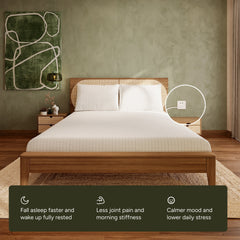
- Fitted Grounding Bedsheets: Breathable cotton blended with conductive fibers and deep pockets for a snug fit. While you sleep, bare skin contact allows gentle grounding through the night to improve sleep energy and support morning alertness.
- Grounding Bed Mats: A low-profile, conductive surface that lies under your fitted sheet or at the foot of the bed. Ideal if you prefer your current bedding but want the same grounding for vitality benefits.
- Essential Grounding Starter Kits: A straightforward way to get set up quickly, with the cords and connectors you need to begin indoor earthing in minutes.
Getting started is simple:
1) Verify a grounded outlet with a standard outlet tester or use a dedicated grounding rod if preferred.
2) Connect the cord to the sheet or mat and plug into the ground port only.
3) Ensure consistent bare skin contact. For sheets, that typically happens naturally during sleep; for mats, position them where your feet, legs, or hands rest.
Practical examples to fit any lifestyle:
- Sleep: Use a fitted sheet nightly. Many people aim for at least a week of consistent use to notice potential changes in sleep continuity and morning energy.
- Desk time: Place a mat under your desk for skin contact while typing. This is an easy way to boost natural energy during long work sessions without disrupting your workflow.
- Wind-down: Sit with feet on a mat while reading or watching TV to potentially reduce evening tension and support calmer transitions to sleep.
Care and maintenance are straightforward. Wash grounded sheets on gentle cycles, avoid bleach and fabric softeners, and air-dry or tumble on low to preserve conductivity. Wipe mats with a damp cloth and mild soap; avoid harsh solvents.
Why consider grounding indoors? For people who spend long hours inside, Terra Therapy products enable year-round access to earthing benefits energy without relying on weather, daylight, or access to green space. Consistent use may help reduce chronic fatigue sensations tied to poor sleep and stress, offering a non-medicinal approach to grounding for vitality.
Important notes: Grounding products are not a medical treatment. If you have a medical device, open wounds, or specific health conditions, consult your clinician before use. For the best results, combine grounding with fundamentals like regular sleep, hydration, movement, and balanced nutrition to sustainably boost natural energy.
Reclaim Your Vitality with Earth's Energy
Feeling drained isn’t always about doing too much—it’s often a sign your nervous system and sleep-wake rhythm are out of sync. Grounding, or earthing, offers a simple, non-medicinal way to restore balance by reconnecting your body to the Earth’s natural electrical charge. For many, this translates into natural energy fatigue relief, calmer stress responses, and better overnight recovery.
How it works: when your skin contacts a grounded conductive surface, your body equalizes with the Earth’s potential. Early research and pilot studies have reported improvements in sleep quality, reduced nighttime cortisol variability, and better heart rate variability—markers associated with stress resilience and daytime vitality. While more rigorous trials are needed, these findings align with what many users notice: steadier energy, quicker relaxation, and fewer morning sluggish starts.
Integrate grounding where it matters most—sleep and sedentary time—so you can boost natural energy without adding another task to your day. Terra Therapy’s Fitted Grounding Bedsheets create continuous, gentle contact overnight to improve sleep energy and help you wake clearer. For daytime, Grounding Bed Mats or desk mats let you stay connected while you work, read, or relax.
Practical ways to get started:
- Start with sleep: Use a Fitted Grounding Bedsheet so bare skin (e.g., calves or feet) maintains light contact. This is the easiest path to grounding for vitality.
- Support your workday: Place a Grounding Bed Mat under your desk where your feet or calves touch; many people report a smoother afternoon without the 3 p.m. crash.
- Keep it simple: Terra Therapy’s Essential Grounding Starter Kits include what you need to connect indoors without changing your routine.
- Pair with fundamentals: Hydrate, get morning daylight, and keep a consistent bedtime to amplify earthing benefits for energy.
- Track outcomes: Note sleep quality, afternoon alertness, and recovery after workouts for 2–4 weeks to gauge changes.
- Safety first: Use only properly grounded outlets and follow product instructions. If you use implanted medical devices or have specific health conditions, consult your clinician before starting.
Example routine: Sleep on a Fitted Grounding Bedsheet nightly to reduce sleep fragmentation. During the day, rest your bare feet on a Grounding Mat while answering emails. After an evening walk, stretch with your calves touching the mat. This layered approach helps reduce chronic fatigue feelings by smoothing stress responses, improving sleep continuity, and supporting daytime focus.
Grounding isn’t a cure-all, and it shouldn’t replace medical care for persistent fatigue. But as a low-effort lifestyle practice, it can offer meaningful, natural energy fatigue relief—helping you reclaim steady, sustainable vitality with the Earth’s quiet support.