


Introduction to Earthing and Grounding
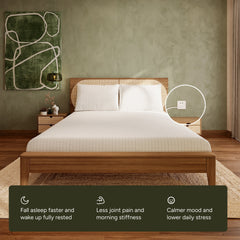
Earthing—also called grounding—means making direct skin contact with the Earth’s surface to equalize your body’s electrical potential. Think barefoot time on grass, sand, or soil, or using conductive systems indoors that connect to a grounded outlet so you can stay “earthed” while you work or sleep. Products like fitted grounding bedsheets, bed mats, and starter kits bring that connection inside when outdoor time isn’t practical.
Why try it? The Earth carries a mild negative charge. By touching it, free electrons may flow to your body and help neutralize positively charged free radicals. Modern living insulates us with rubber soles, elevated floors, and synthetic materials, so earthing aims to restore a more natural baseline. In simple terms you can measure, body voltage relative to nearby electrical fields often drops markedly the moment you become grounded.
What does the research say? Early pilot trials and small randomized studies report changes in sleep quality, perceived pain, and stress-related measures. Examples include:
- Improved self-reported sleep and reduced nighttime awakenings when sleeping on grounded systems (earthing for sleep).
- Shifts in cortisol patterns toward a more typical diurnal rhythm in some participants.
- Heart rate variability trends suggesting greater parasympathetic (“rest and digest”) activity.
- Reduced reports of delayed-onset muscle soreness after strenuous exercise.
These findings are preliminary and not a substitute for medical care, but they outline earthing practices health benefits worth exploring as part of a holistic routine.
Potential grounding benefits people seek include:
- Natural stress relief through autonomic balance and calmer nervous-system activity.
- Support for recovery and comfort, with some users aiming to reduce inflammation naturally alongside healthy lifestyle choices.
- More consistent energy and mood, potentially linked to better sleep continuity.
- A simple way to reconnect with earth during indoor life.
Getting started can be as straightforward as 20–30 minutes barefoot on damp grass daily, or using a grounded bed mat or fitted sheet overnight for extended contact. For indoor setups, confirm your outlet is properly grounded with a tester, follow product instructions, and consult your clinician if you use implanted medical devices.
The Science Behind Earthing's Effects
Earthing connects your body directly to the Earth’s electric potential—either outdoors via skin contact or indoors through a conductive bedsheet or mat linked to a grounded outlet. This contact equalizes charge and allows excess static and ambient electrical potentials on the body to dissipate. In practical terms, body voltage measured next to household wiring often drops to near zero when grounded, reducing the influence of alternating electric fields on the body.
Researchers propose two main mechanisms that may explain earthing practices health benefits. First, the Earth’s surface is a virtually limitless source of free electrons. When you are grounded, these electrons can enter the body and may help neutralize reactive oxygen species, which are involved in inflammatory processes. Second, grounding appears to influence the autonomic nervous system, shifting balance toward parasympathetic “rest-and-digest” activity—consistent with natural stress relief.
Small clinical and pilot studies have reported physiological changes relevant to grounding benefits. During sleep, grounded participants have shown trends toward normalized diurnal cortisol rhythms, which can support earthing for sleep by aligning nighttime rest with natural hormonal cycles. Short grounding sessions have been associated with increased heart rate variability (HRV), a marker of improved vagal tone and stress resilience. Other studies report reduced blood viscosity and improved red blood cell zeta potential, factors linked to healthier circulation. Trials following exercise-induced muscle soreness have observed lower reports of pain and less localized redness and swelling, suggesting a potential to reduce inflammation naturally. These findings are preliminary and based on small samples, but they outline plausible pathways for benefits.
What you can measure or notice with consistent practice:
- Lower body voltage when grounded indoors
- Improved HRV and calmer resting heart rate
- Shorter sleep onset latency and fewer nighttime awakenings
- Reduced perceived stress and muscle tension
- Decreases in self-reported pain after activity
For those who can’t be barefoot outside daily, conductive solutions like fitted grounding bedsheets and bed mats enable you to reconnect with Earth while you sleep. Used regularly, they offer a simple, non-medicinal way to support circadian balance, nervous system regulation, and recovery—while complementing, not replacing, medical care.
Earthing for Improved Sleep Quality
Quality sleep depends on stable circadian rhythms, a calm nervous system, and low nighttime inflammation. Emerging research suggests earthing for sleep may support these conditions by allowing the body to equalize with the Earth’s electrical potential at night. Preliminary controlled studies have reported shorter time to fall asleep, fewer nighttime awakenings, and improved morning alertness when participants slept on grounded surfaces, alongside shifts toward a healthier daily cortisol pattern. While evidence is still developing, these early findings point to meaningful grounding benefits for rest.
Several mechanisms may be at work:
- Nervous system balance: Grounding has been associated with increased parasympathetic (rest-and-digest) activity and natural stress relief, which are linked to deeper, more continuous sleep.
- Electrical environment: Connecting to ground can reduce the body’s AC electric field exposure in bed, which some people find calming.
- Inflammation: Small studies and mechanistic research suggest grounding may help reduce inflammation naturally, potentially easing pain that disrupts sleep.
Practical ways to apply this at night:

- Use a grounded sleep surface: Fitted grounding bedsheets or bed mats provide continuous contact while you rest. Ensure your outlet is properly grounded using a tester and attach the cord as directed.
- Maximize skin contact: Bare skin against the conductive area is best. If using a sheet, touch it with legs or feet; if using a mat, place it under a fitted sheet with direct skin contact points.
- Consistency: Aim for nightly use over 2–4 weeks. Track sleep onset, awakenings, and morning energy in a journal or sleep app to gauge changes.
- Combine with sleep hygiene: Keep a cool, dark room, limit late caffeine, and dim screens to amplify earthing practices health benefits.
Safety and considerations:
- Consult your clinician if you use implanted electronic medical devices or have specific medical conditions.
- Verify proper grounding; avoid using during electrical storms.
- Results vary; treat this as a low-risk adjunct, not a standalone cure.
For wellness seekers who want to reconnect with earth indoors, products like fitted grounding bedsheets, bed mats, or starter kits offer simple, at-home options to explore earthing for sleep as part of a broader plan to unwind, ease discomfort, and wake more refreshed.
Reducing Stress and Anxiety with Grounding
Chronic stress keeps the body in a state of high alert, elevating cortisol and tightening muscles. Early research on grounding suggests it may help shift the nervous system toward a calmer, parasympathetic state. In small controlled studies, people who slept while grounded showed modest improvements in overnight cortisol rhythms and heart‑rate variability—physiological markers linked with resilience and lower perceived stress.
One proposed mechanism is electrical: direct skin contact with the Earth helps equalize the body’s electrical potential. This may dampen sympathetic arousal and improve sleep onset, which can in turn decrease anxiety. While more rigorous trials are needed, these findings add to emerging evidence around earthing practices health benefits.
Simple routines make the difference. Outdoors, 20–30 minutes barefoot on naturally conductive surfaces—grass, soil, or sand—can serve as natural stress relief. Combine with slow nasal breathing (for example, a 4‑second inhale and 6‑second exhale) to further cue the vagus nerve. Avoid asphalt and insulated surfaces, and choose damp ground when possible for better conductivity.
Indoor options extend access when weather or schedules limit outdoor time. Grounded bedsheets and mats connect to a home’s grounding system through a verified grounded outlet and built‑in safety resistor, enabling you to reconnect with earth while sleeping or working. A fitted sheet used nightly aims at earthing for sleep; a desk mat under bare feet during tense meetings can offer on‑the‑spot grounding benefits. Many users report fewer nighttime awakenings, lower morning tension, and steadier energy, aligning with pilot data but still requiring larger studies.
Tips for getting started:
- Use grounding after high‑stress events (presentations, intense workouts, travel).
- Pair with relaxation techniques: diaphragmatic breathing, gentle stretching, or a warm shower before bed.
- Aim for consistency: nightly grounded sleep or two to three daytime sessions per week.
- Hydrate well; electrolytes support healthy nerve signaling.
- Consult your clinician if you have implanted medical devices or specific health concerns.
Preliminary studies also report reduced delayed‑onset muscle soreness and localized redness after grounding, suggesting a potential to reduce inflammation naturally. Less pain and quicker recovery can indirectly ease anxious thoughts, creating a positive cycle of calm, rest, and mood.
Alleviating Chronic Pain Naturally
Chronic pain often sits at the intersection of inflammation, poor sleep, and heightened stress reactivity. Earthing practices can target all three, offering a low-risk adjunct to conventional care. By maintaining conductive contact with the ground, the body may receive electrons that help neutralize excess free radicals, a process associated with reduced inflammatory load. Small controlled studies have reported improvements in markers like heart rate variability (a proxy for resilience) and changes in nocturnal cortisol patterns, which together point to potential grounding benefits for pain modulation.
Sleep quality is a key piece. Pain is amplified when sleep is fragmented, and better sleep can recalibrate pain perception. Overnight earthing—such as using a fitted grounding bedsheet—has been associated in pilot research with more stable cortisol rhythms and subjective reports of deeper rest. For some, this indirect pathway—earthing for sleep—becomes the gateway to gentler mornings and less stiffness.
Practical ways to integrate earthing into a pain-care routine:
- Start with consistency: 20–40 minutes of barefoot contact on grass, soil, or sand most days.
- Extend contact time indoors: a grounded bed mat or fitted bedsheet keeps you connected for 6–8 hours.
- Support sedentary stretches: a grounding mat under a desk can help during long work blocks.
- Pair with recovery habits: gentle mobility, hydration, and anti-inflammatory nutrition to reduce inflammation naturally.
- Track outcomes: use a 0–10 pain scale, sleep logs, and morning stiffness notes to gauge trends over 2–4 weeks.
Examples of day-to-day use:
- For lower back discomfort from desk work, alternate standing with seated sessions while feet rest on a grounding mat.
- For exercise-related soreness, prioritize a grounded sleep environment on training days.
- For tension-related headaches, combine evening earthing with breathwork for natural stress relief.
While evidence is still emerging, many users find that regular contact helps them reconnect with earth in a way that complements physical therapy, movement, and stress management. Terra Therapy’s fitted grounding bedsheets and bed mats enable indoor earthing year-round, making consistency easier.

If you have a medical implant, a complex pain condition, or take anticoagulant medication, consult your healthcare professional before starting any new wellness practice.
Boosting Energy and Mood through Connection
Feeling more energized and emotionally balanced often starts with better regulation of your nervous system. Early research on grounding points to shifts in autonomic balance—more parasympathetic “rest-and-digest,” less fight-or-flight—along with steadier cortisol rhythms. These changes are associated with easier wake-ups, fewer afternoon slumps, and calmer mood. While larger trials are needed, the direction of findings aligns with many people’s lived experience of earthing practices health benefits.
What may drive the lift in energy and mood
- Sleep architecture: Small studies report improvements in sleep onset and continuity when grounded, which can translate into more morning alertness. Earthing for sleep is a practical route to daytime energy.
- Stress physiology: Grounding benefits include increases in heart rate variability (HRV), a marker of resilience, and perceptions of natural stress relief.
- Inflammation and recovery: Contact with the Earth’s surface may support electron transfer that helps neutralize free radicals, potentially helping reduce inflammation naturally. Some trials show less soreness and swelling after strenuous activity, which can improve how you feel during the day.
- Blood flow: Preliminary work suggests reduced blood viscosity when grounded, supporting nutrient and oxygen delivery that underpins steady energy.
Practical ways to reconnect with earth for everyday uplift
- During sleep: Use Fitted Grounding Bedsheets or a Grounding Bed Mat to maintain gentle, continuous contact overnight. Many people notice clearer morning focus within 1–2 weeks.
- At your desk: Place a grounding mat under your bare feet for 30–60 minutes during high-stress blocks. Pair with box breathing for a double dose of calm.
- Post-workout: Rest legs on a grounding surface for 20 minutes to support recovery and next-day vitality.
- Micro-breaks outside: Stand barefoot on grass or sand for 10 minutes between meetings to reset mood and attention.
Make it measurable
- Track HRV, sleep duration, and sleep efficiency with a wearable.
- Log afternoon energy and mood (1–10 scale) for two weeks before and after starting.
- Layer habits: daylight exposure in the morning, hydration, and consistent bedtime amplify grounding benefits.
Safety and expectations
- Use a grounded outlet and outlet tester, especially with indoor solutions or Essential Grounding Starter Kits.
- If you have an implanted medical device or a specific health condition, consult your clinician before starting.
- Grounding supports well-being but isn’t a standalone treatment. Combine with evidence-based care for best results.
Simple Ways to Incorporate Earthing Daily
Earthing fits easily into daily routines. Aim for consistent contact with the ground to experience earthing practices health benefits such as calmer mood, easier sleep, and general comfort. Short, regular sessions add up.
Outdoors, try:
- Morning minutes on grass or soil. A 10-minute barefoot walk on your lawn or a nearby park—especially when the ground is slightly damp—improves conductivity.
- Gardening with bare hands. Planting, weeding, or turning soil brings direct skin-to-earth contact.
- Lunch breaks on unsealed concrete. Bare feet on unfinished concrete can conduct; avoid asphalt, which insulates.
- Movement on natural surfaces. Do yoga, breathing exercises, or a post-run cool-down barefoot on grass or sand.
- Beach time at the waterline. Wet sand and tide zones are especially conductive.
When outdoor access is limited, indoor solutions extend grounding benefits through your day and night:
- Fitted Grounding Bedsheets from Terra Therapy allow continuous contact for earthing for sleep. Use direct skin contact where possible and choose lightweight, natural-fiber sleepwear.
- Grounding Bed Mats can go under the fitted sheet or at the foot of the bed—useful if you share a bed or prefer localized contact.
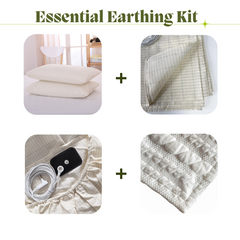
- A desk or foot mat setup lets you ground while working. Terra Therapy’s Essential Grounding Starter Kits make it simple to outfit a workstation.
- A couch or reading mat keeps your feet or calves grounded during relaxation, meditation, or breathwork for natural stress relief.
Consistency helps. Pair grounding with habits you already have—morning coffee outside, a standing meeting, evening reading. Aim for 20–30 minutes most days, or sleep grounded overnight. Stay hydrated; slightly moist skin improves contact. Remove insulating shoes/socks and avoid thick barriers between skin and grounding surfaces.
Safety and care:
- Choose clean natural areas; avoid chemically treated lawns, sharp debris, or extreme temperatures. Skip grounding during electrical storms.
- If you have an implanted electrical device or complex medical conditions, consult a clinician.
- For indoor systems, plug into a properly grounded outlet and verify with an outlet tester. Periodically check cords/snaps and follow care instructions to maintain conductivity.
Track results. Keep a simple log of sleep timing, energy, stress levels, and discomfort, or monitor HRV/resting heart rate. This helps you evaluate whether grounding supports your goals to reduce inflammation naturally and reconnect with earth in a sustainable way.
Benefits of Indoor Grounding Products
Indoor grounding tools make earthing practical, repeatable, and accessible—key factors for experiencing earthing practices health benefits. By bringing a grounded surface into your daily routine, you can maintain consistent contact with the Earth’s electrons without weather, schedule, or location getting in the way.

Nighttime use is a simple place to start. Fitted grounding bedsheets maintain skin contact for hours, when your body is already primed for repair. Small peer‑reviewed studies have reported improvements in sleep quality, fewer night awakenings, and shifts toward a healthier cortisol rhythm when participants slept grounded. Many users describe “earthing for sleep” as the most noticeable change within the first week.
What you can expect from regular indoor use:
- Natural stress relief: Grounding mats used under a desk or while meditating have been associated with improved heart rate variability—a sign of a calmer autonomic nervous system. Many people notice less tension and easier relaxation after work.
- Support for pain and recovery: Preliminary research suggests grounding may help reduce inflammation naturally by moderating oxidative stress and improving blood flow characteristics. Users often report reduced soreness after workouts and milder day‑to‑day aches.
- More consistent energy and mood: Better sleep continuity and lower stress reactivity can translate into steadier daytime energy, clearer focus, and an uplifted mood.
- Reduced exposure to indoor electric fields: Properly grounded products can lower the AC electric potential on your body, which some individuals find helpful for sensitivity‑related symptoms.
Practical advantages matter, too. Grounding bed mats and sheets work silently in the background while you sleep, read, or work, turning everyday activities into wellness time. For urban apartments or cold climates, they offer a clean, convenient way to reconnect with earth year‑round—no backyard, beach, or barefoot walk required.
To get started, an Essential Grounding Starter Kit typically includes a grounded cord and outlet checker. For best results:
- Ensure the outlet is properly grounded before use.
- Maintain direct skin contact with the conductive surface.
- Introduce grounding gradually and note changes in sleep, stress, or pain.
- Consult a healthcare professional if you use implanted medical devices.
While more large-scale research is needed, the growing evidence base and real‑world feedback point to meaningful grounding benefits when indoor products are used consistently.
Who Can Benefit from Earthing Practices
Earthing practices health benefits can be relevant for many lifestyles, especially where modern habits disrupt sleep, elevate stress, and contribute to everyday aches. While research is still emerging, small studies and user reports suggest potential improvements in sleep quality, perceived stress, and post-activity soreness. Here are groups that may see meaningful grounding benefits:
- Restless sleepers and shift workers: Those who struggle to fall or stay asleep may benefit from consistent skin contact with a grounded surface overnight. Some pilot trials report improvements in sleep quality and next-day energy when sleeping grounded. Fitted grounding bedsheets make this effortless.
- High-stress professionals and students: If your days are packed and your mind races, short grounding sessions can serve as natural stress relief. A grounding mat under the desk or on the sofa during breaks may help promote a calmer baseline and smoother transitions into evening wind-down.
- Desk-bound workers and commuters: Long periods of sitting can leave the body feeling tight or achy. Brief grounded breaks—feet on a floor mat while answering emails—offer a simple way to reduce muscle tension and support postural comfort across the day.
- Athletes and active individuals: After training, some users report less delayed-onset muscle soreness and quicker return-to-play readiness. Applying a grounding mat during cooldown, stretching, or sleep can support recovery routines.
- Adults with everyday aches and swelling from overuse: Preliminary research has observed shifts in markers linked to the body’s inflammatory response during grounding. Those seeking to reduce inflammation naturally may consider consistent, gentle use at home.
- Frequent travelers: Jet lag and sleep disruption are common on the road. Grounding on a travel-friendly mat in hotel rooms or returning to a grounded bed at home may help re-establish a steadier sleep rhythm.
- Older adults: A non-invasive option to support restorative rest, mood, and day-to-day comfort. Easy-to-use bedsheets remove setup barriers and fit into existing routines.
- Urban residents wanting to reconnect with earth: When daily barefoot time outdoors isn’t feasible, indoor options enable year-round access. Grounding bed mats and Essential Grounding Starter Kits provide a practical way to reconnect with earth from any home environment.
For many, starting with 20–40 minutes during the day or sleeping grounded overnight offers a manageable path. Terra Therapy products are designed to make consistent practice simple and comfortable. If you have a medical condition, consult a healthcare professional before changing your routine.
Embrace Earthing for Holistic Well-being
Earthing is a simple daily habit with wide-reaching effects. By maintaining conductive contact with the ground—outdoors or through indoor systems—you may support calmer nerves, more stable sleep-wake rhythms, and post-exercise recovery. Early research on earthing practices health benefits points to shifts in autonomic balance, improved heart rate variability (HRV), more normalized cortisol patterns, and reductions in self-reported pain and stress.
The proposed mechanism is electrical: the Earth’s surface carries a subtle negative charge. Direct contact allows electrons to flow to the body, which may help neutralize excess free radicals and modulate inflammatory processes. Small clinical and pilot studies have reported fewer nighttime awakenings, shorter sleep onset latency, lower morning sleepiness, and reduced delayed-onset muscle soreness—findings that align with commonly reported grounding benefits. While larger trials are needed, the signal is promising for those seeking natural stress relief and ways to reduce inflammation naturally.
Practical ways to make it part of your routine:
- Sleep grounded: Use a fitted grounding bedsheet or bed mat so skin on legs, feet, or calves contacts the conductive surface—an easy path to earthing for sleep every night.
- Desk setup: Place a grounding mat under your desk and rest bare feet on it during computer work to promote calm focus.
- Wind-down ritual: Spend 30 minutes grounded in the evening while reading or meditating to cue the parasympathetic “rest-and-digest” response.
- Recovery: After training, sit or lie on a grounded mat to potentially ease muscle tenderness.
- Outdoors: Walk barefoot on grass, soil, or sand when possible to reconnect with earth naturally.
Usage tips:
- Ensure a direct skin connection; socks or thick fabric insulate.
- Connect indoor products only to a verified grounded outlet; use the included safety resistor.
- Keep surfaces clean and slightly moist skin contact improves conductivity.
Safety notes:
- Most people tolerate grounding well. If you use implanted electronic devices or take anticoagulant medication, consult your clinician before starting.
Terra Therapy makes indoor earthing straightforward with fitted Grounding Bedsheets, Bed Mats, and Essential Grounding Starter Kits. Choose the option that fits your routine, and pair it with good sleep hygiene, movement, and breathwork for holistic well-being.