


Understanding Grounding and Earthing Principles
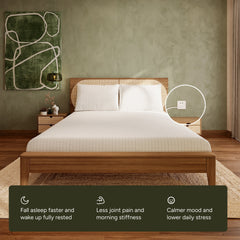
Grounding (or earthing) is the practice of connecting your body to the Earth’s electrical potential so your charge equalizes near 0 volts. Outdoors, that happens by going barefoot on grass or soil. Indoors, products like conductive sleep mats and grounding sheets provide a path to ground through a home’s grounding system or a dedicated outdoor rod, simulating the same effect while you rest or work.
Most grounding solutions share a simple architecture:
- Conductive surface: woven silver fiber, carbon-infused leatherette, or stainless-steel threads in cotton for natural wellness bedding.
- Connector: a snap or stud linked to a cord with an in-line safety resistor (commonly 100k–1M ohms).
- Ground point: the ground port of a verified three-prong outlet or a ground rod. Outlet testers help confirm proper wiring.
Sheets vs. mats differ mainly in coverage and feel. Fitted grounding bedsheets integrate conductive fibers across the sleep surface for full-body contact under typical bedding. Grounding bed mats concentrate contact where your legs or torso rest, and can be used over or under a standard sheet. Desk or floor mats extend use to daytime—under your keyboard, at a standing desk, or beneath bare feet while reading.
Why people use them:
- Reduce induced AC electric fields on the body indoors, measurable as lower body voltage when grounded.
- Comfort-oriented reasons reported by users and in early studies, such as tendencies to improve sleep quality, support relaxation, and ease general aches after activity. Small clinical trials have suggested changes in diurnal cortisol patterns and reductions in perceived pain and morning stiffness, though evidence is still emerging and individual results vary. These points often appear in grounding product reviews and user testimonials about earthing mats benefits.
What grounding is not:
- It doesn’t power electricity into the body.
- It isn’t magnetic therapy or an EMF “blocker.” It provides a reference to Earth, which can reduce induced voltages but doesn’t shield radiofrequency.
- It isn’t a medical treatment; consult a clinician if you have a medical device or condition.
For a grounding sheets comparison that truly informs, consider variables that influence outcomes and longevity:
- Conductive material type and percentage (e.g., silver content) and total coverage area.
- Surface continuity and contact reliability during sleep movement.
- Cord quality, safety resistor, and snap durability.
- Inclusion of an outlet tester and clear setup instructions.
- Wash care requirements that preserve conductivity.
- Independent testing data and warranty support.
Understanding these principles sets the baseline for evaluating conductive sleep mats, bed sheets, and kits across brands—and helps you choose the option most likely to align with your wellness goals.
Health Benefits of Grounding Therapy
Grounding therapy aims to equalize your body’s electrical potential with the Earth’s by using conductive sleep mats and bedsheets that connect to a grounded outlet or grounding rod. In practice, that means reducing built-up body voltage while you rest. Early peer‑reviewed studies and many grounding product reviews report benefits that align with what wellness seekers want most: better sleep, calmer stress response, less day‑to‑day pain, and steadier energy.
What the research and user data suggest:
- Sleep quality: Small trials have reported shorter sleep onset and fewer nighttime awakenings when participants used conductive bedding connected to ground. In a grounding sheets comparison, fitted designs that maintain continuous skin contact throughout position changes tend to yield more consistent results than narrow pads that can shift.
- Stress and cortisol: Pilot studies have observed shifts toward a more normalized diurnal cortisol pattern after several weeks of nightly grounding, consistent with reduced perceived stress and anxiety. Many users also note improved morning alertness.
- Pain and inflammation: Case series and exploratory studies have found decreases in self‑reported pain and tenderness, with some biomarker changes related to inflammation. Reviews commonly mention relief for chronic back or joint discomfort over 2–4 weeks of nightly use.
- Recovery and energy: Heart rate variability and subjective recovery scores have shown favorable trends in small cohorts, aligning with reports of steadier daytime energy and mood.
How product design affects outcomes:
- Contact area and stability: Terra Therapy’s fitted grounding bedsheets cover the entire mattress surface, keeping contact when you roll or change position. Competing small pads or strap‑style solutions can lose contact, reducing overnight exposure.
- Material conductivity and comfort: Natural wellness bedding that blends breathable cotton with woven silver fibers balances conductivity with comfort. Carbon‑rubber conductive sleep mats are durable and easy to clean, but can feel warmer and less breathable under full‑body use.
- Safety and build: Quality cords typically include an inline resistor (often 100k–1M ohm) to limit current in the event of a fault. Secure snap connectors and verified grounding continuity matter for reliable performance; look for products that can be checked with a simple multimeter and body‑voltage test.
- Use cases: Earthing mats benefits extend beyond the bed—under‑desk mats can lower body voltage during long work sessions and complement nighttime grounding. For side sleepers with shoulder pain, a full fitted sheet often provides more continuous contact than a narrow mat.
Grounding is not a medical treatment, but for many, it’s a low‑effort, non‑pharmacological way to improve sleep quality and daily resilience. Consistency (nightly use) and good sleep hygiene amplify the effects.
Grounding Sheets and Mats Explained
Grounding sheets and mats are conductive textiles and surfaces that connect your body to the earth’s electrical potential while you sleep or relax indoors. A sheet integrates conductive fibers into natural wellness bedding, while a mat is a flexible, conductive sleep mat or pad placed on top of or beneath your existing sheet. Both connect to a grounded outlet or an outdoor ground rod using a cord designed to carry only the ground, not live electricity.
Construction differs by format. Sheets typically blend cotton or bamboo with a grid of woven silver or carbon-based fibers for breathability and a familiar hand-feel. Mats are usually carbon-infused PU/TPE rubber for durability, easy cleaning, and consistent conductivity. Sheets excel for those who want a traditional bedding experience; mats shine when wipe-clean convenience or multi-use (bed, sofa, under-desk) is a priority.
Choose a sheet if:
- You want full-body contact overnight to improve sleep quality.
- You prefer the feel and temperature regulation of natural fabrics.
- You share a bed and want a fitted option sized for your mattress.
Choose a mat if:
- You need a versatile surface for bed and daytime use (e.g., under wrists at a desk).
- You want quick setup in rentals or guest rooms.
- You prefer a wipeable surface or have pets.
Connection and setup are straightforward:

- Plug the cord into the ground port only, or attach to a dedicated ground rod.
- Confirm your outlet is properly grounded with a simple tester.
- Look for an inline safety resistor in the cord and a secure snap connection.
- For maximum contact, lie directly on the sheet or mat with bare skin; thin sleepwear reduces but does not eliminate contact.
What benefits can you expect? Users often report calmer sleep, reduced stress, and less morning stiffness. Small preliminary studies suggest changes in sleep and markers of inflammation, but results vary. Earthing mats benefits extend to daytime use by maintaining gentle contact for longer periods.
Key factors in a grounding sheets comparison:
- Conductive material and weave density; silver content and oxidation resistance.
- Size, fit (fitted vs half-sheet), and breathability.
- Measured surface resistance and consistency across the surface.
- Hardware quality: snap, cord length, inline resistor.
- Safety and material standards (e.g., RoHS/REACH), warranty, and support.
- Care: washing instructions for silver fabrics; cleaning for mats.
- Price per square foot and real-world feedback from grounding product reviews.
Care tips: avoid bleach and fabric softeners with silver-blend sheets; air- or low-heat dry. Mats wipe clean with mild soap. Regular skin contact keeps surfaces effective.
Terra Therapy Product Quality and Features
When making a grounding sheets comparison, Terra Therapy’s build choices stand out for comfort, conductivity, and day-to-day practicality. The brand focuses on natural wellness bedding that feels familiar under the body while maintaining reliable electrical contact with a grounded source.
The fitted bedsheet is designed for full-surface coverage and consistent skin contact throughout the night. The fabric integrates a conductive weave within a soft base textile so it looks and feels like a premium sheet, not a gadget. A low-profile snap connector sits near the edge to reduce tugging, and the sheet is tailored to stay flat so the conductive area doesn’t bunch. To preserve conductivity over time, follow the care guidance (for example, avoid fabric softeners and harsh bleach).
Notable details on the sheet system:
- Continuous conductive pattern across the sleep surface for more uniform contact
- Edge connector designed to interface with a grounded outlet or rod via a cord that includes a safety resistor
- Stable fitted construction that minimizes movement versus flat, strap-on alternatives
- Simple setup steps and clear do/don’t guidance to help users improve sleep quality safely
For those who prefer targeted or modular setups, Terra Therapy’s bed mat functions as a conductive sleep mat you can place above or below your regular bedding. The mat’s carbon-based conductive surface is easy to wipe clean and works for travel, sofas, or office chairs. Earthing mats benefits include flexibility—position it under feet, calves, or the lower back to maintain contact where you want it, without changing your entire bedding stack.
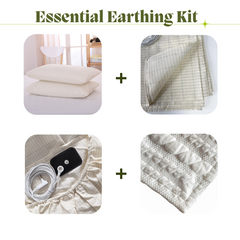
Essential Starter Kits simplify first-time use by bundling the core components and guidance needed to establish a safe connection to ground. For many shoppers, this reduces guesswork versus sourcing parts separately and makes it easier to verify a proper setup with a quick continuity check.
Durability and safety are addressed through reinforced connection points and strain relief to reduce wear where cords meet fabric or mat. Each conductive surface is engineered for low resistance and steady performance, helping maintain contact quality across months of nightly use.
In grounding product reviews, customers often highlight comfort and ease of setup as the reasons they stick with Terra Therapy. While individual results vary, many report smoother nighttime routines and perceived benefits consistent with earthing practice. For buyers comparing sheets to mats, the fit-and-forget nature of the fitted sheet appeals to daily sleepers, while the mat’s versatility suits multi-room or travel use.
Key Factors for Comparing Grounding Products
A rigorous grounding sheets comparison should start with measurable specs, not just anecdotes from grounding product reviews. Look beyond marketing claims and evaluate how materials, design, and testing translate to comfort, durability, and potential outcomes like improve sleep quality.
Key criteria to assess:
- Conductive fabric and build: Check fiber type and content (e.g., cotton blended with woven silver yarn) and stitch density. Higher silver content generally lowers surface resistance and maintains conductivity after washes. For conductive sleep mats, look for carbon-infused PU leather with a tight grid pattern to ensure consistent contact.
- Coverage and form factor: Fitted grounding bedsheets hug the mattress and maintain skin contact throughout the night; flat sheets or bands can shift. Grounding bed mats cover targeted zones (torso or legs) and cost less per unit, but sheets often deliver more consistent contact per square foot. Compare price per square foot to judge value.
- Connection and safety: Quality snap connectors, durable cords, and inline resistors (commonly 100k–1M ohm) add fault protection. Verify you’ll receive a grounded outlet checker or the option for a dedicated ground rod if outlets are ungrounded. Cord length matters; 15–20 ft gives placement flexibility.
- Independent testing and verification: Favor products with third-party conductivity reports and material safety documentation (e.g., RoHS/REACH). A simple at-home continuity tester or multimeter can confirm low surface resistance. For functional checks, many users perform a body-voltage drop test before and after contacting the sheet or mat.
- Comfort and breathability: Natural wellness bedding should feel like normal linens. Cotton percale breathes better than sateen or microfiber. Mats can feel warmer; textured surfaces reduce sweat buildup and improve contact.
- Care and longevity: Silver-based fabrics require gentle detergent, no bleach or fabric softeners, and low heat drying to avoid coating or oxidizing conductive fibers. Review wash-cycle durability claims and whether replacement cords/snaps are available.
- Fit and sizing: Ensure elastic depth matches mattress height. For split or adjustable beds, look for split-king options or two singles to maintain consistent contact.
- Outcomes tracking: To evaluate earthing mats benefits and sheets in your routine, track sleep metrics (sleep efficiency, WASO) via a wearable, morning soreness on a 0–10 scale, resting HR/HRV, and subjective stress ratings over 2–4 weeks.
- Policies and support: Transparent warranties (commonly 1 year), 30–60 night trials, responsive customer service, and clear safety guidance for individuals with implanted medical devices indicate brand reliability.
Selecting between a sheet and a mat ultimately hinges on desired coverage, climate, and care preferences; applying the criteria above helps you compare conductive sleep mats and natural wellness bedding choices with confidence.
Top Competitor Grounding Solutions Overview
When shoppers search for a grounding sheets comparison, a handful of established brands regularly come up. Understanding how they differ by materials, sizing, accessories, and support can help you choose the right natural wellness bedding for your routine.
- Earthing (Clint Ober): A category pioneer with fitted sheets and universal mats. Sheets typically use cotton blended with a conductive silver fiber and include a ground-check outlet tester and snap-on cord. Known for a broad ecosystem of accessories and education, with pricing at the higher end. Good choice if you want a widely reviewed line and a large range of conductive sleep mats and desk/foot mats.
- GroundLuxe: Focuses on bedding-first design, including deep-pocket fitted sheets that accommodate taller mattresses. Frequently uses a soft sateen weave with a notable silver thread percentage for consistent conductivity. Mid-range pricing, straightforward kits, and an emphasis on fit and feel for sleepers looking to improve sleep quality without a steep learning curve.
- Hooga: A budget-friendly entry point with universal earthing mats, pillowcases, and some bedding options. Carbon-infused PU mats are versatile (bed, couch, desk floor) and easy to wipe clean—an appealing benefit for multi-surface use. Fewer fabric options than bedding-centric brands, but the mats provide clear earthing mats benefits for those testing grounding for the first time.
- Groundology (UK/EU): Offers sheets and mats with robust regional adapters and comprehensive outlet-testing tools. A practical option for international buyers who need EU/UK compatibility. Clear documentation and support help reduce setup hiccups across varied electrical standards.
- Better Earthing (AU): Premium-leaning mats and accessories, often with durable, leatherette-style surfaces and upgraded cords. Appeals to users prioritizing longevity, heavier daily use, and comprehensive regional compatibility. Price reflects materials and build quality.
Key factors to evaluate across grounding product reviews:

- Fabric and conductivity: Cotton/silver blends are common; look for clear silver percentages and consistent grid patterns for reliable contact.
- Fit and durability: Deep pockets, reinforced elastic, and double-stitching matter for nightly use.
- Connection and safety: Quality snap connectors, long cords, outlet ground testers, and optional grounding rods are useful. Look for materials tested to RoHS/REACH standards.
- Care and lifespan: Washing instructions (gentle detergents, no bleach) significantly affect the life of silver fibers.
- Support: Warranty length, cord replacements, and adapter availability reduce long-term cost.
Sheets excel for full-body contact during sleep, while conductive sleep mats are spill-resistant and multi-use. Many users report calmer nights and less morning stiffness; however, outcomes vary. Choosing reputable brands with transparent specs and testing gives you the best baseline as you explore grounding to improve sleep quality.
Why Terra Therapy Stands Out
In a grounding sheets comparison, breadth, usability, and real‑world practicality matter. Terra Therapy focuses squarely on sleep-first, indoor earthing with a lineup that meets people where they are: fitted grounding bedsheets for all-night contact, grounding bed mats for flexible placement, and Essential Grounding Starter Kits to remove setup guesswork.
- Purpose-built for the bed: Fitted grounding bedsheets are designed to stay put through position changes, helping maintain consistent skin contact. For a side sleeper who tosses, a fitted design reduces shifting compared with loose pads, supporting continuity that can help improve sleep quality over time.
- Versatility with conductive sleep mats: Terra Therapy’s grounding bed mats add options beyond the sheet. Use a mat under a standard top sheet for a low-maintenance setup, or place it where contact is most reliable (for example, across the calves or under the shoulders). This is especially practical for households with kids or pets, where wipe-clean surfaces are useful.
- Easy entry for first-timers: The Essential Grounding Starter Kits simplify the buying decision by pairing core components you need for indoor earthing/grounding in one bundle. This minimizes trial-and-error and helps new users begin consistently—often the biggest predictor of results in natural wellness bedding.
- Clear use cases, not one-size-fits-all: If you sleep hot or prefer a specific fabric against your skin, a bed mat under your existing top sheet can be the better fit. If you want maximum contact with minimal layers, the fitted sheet is the straightforward choice. Having both options from the same brand makes switching simple as your routine evolves.
- Practical guidance on outcomes: When reading grounding product reviews, look for details that map to your goals—sleep latency (time to fall asleep), night awakenings, morning alertness, or changes in perceived stress. Matching product type (sheet vs. mat) to these outcomes helps translate earthing mats benefits into everyday improvements.
- Consistency across day and night: Because the catalog includes bed sheets and mats, you can keep grounding beyond the bedroom—at a desk or reading chair—without juggling different systems. That continuity supports a calmer baseline, which many wellness seekers value alongside sleep-focused tools.
The result is a cohesive, sleep-centric ecosystem. Instead of scattering products across categories, Terra Therapy concentrates on the places you spend the most time, making grounding practical, repeatable, and easier to evaluate for tangible benefits.
How to Choose Your Ideal Grounding Product
Choosing between fitted sheets, conductive sleep mats, and kits starts with your routine and goals. Use this grounding sheets comparison checklist to narrow the options quickly.
- Primary goal
- Nighttime rest: Fitted Grounding Bedsheets maximize skin contact across the body, which many users report helps improve sleep quality.
- All-day use: Earthing mats benefits include consistent contact at a desk or couch; great if you spend long hours working or relaxing indoors.
- Versatility: Grounding Bed Mats under your regular sheet offer a “set-and-forget” setup with less laundry.
- Comfort and contact
- Direct-contact sleepers typically prefer natural wellness bedding (cotton interwoven with silver) for breathability and a familiar feel.
- Hot sleepers in humid climates often find sheets cooler than polyurethane mats.
- Sensitive skin? Cotton-silver fabrics minimize stickiness that some notice with vinyl mats.
- Bed setup and size
- Match product width to your mattress (e.g., Queen 60" x 80"). Deep-pocket fitted sheets stay put for active sleepers.
- Share a bed? A full-width fitted sheet ensures both sleepers maintain contact; a single mat suits solo sleepers.
- Conductivity and safety
- Look for low surface resistance fabrics and cords with a built‑in 100k–1MΩ safety resistor.
- Verify your outlet ground with an included tester (Terra Therapy Essential Grounding Starter Kits provide this). If your outlet isn’t grounded, use a dedicated grounding rod per manufacturer guidance.
- Care and durability
- Wash grounding sheets in mild detergent; avoid bleach, fabric softeners, and dryer sheets—these can coat silver fibers and reduce conductivity.

- Body oils and lotions transfer to fabrics; washing regularly maintains performance. Expect normal oxidation of silver over time with proper care.
- Mats are wipe-clean and pet‑friendly; sheets feel more like traditional bedding.
- Installation and lifestyle
- Travel frequently? A compact mat packs easily and doubles as a foot mat in hotels.
- Minimalist setup? A conductive sleep mat under your existing fitted sheet keeps your bedding look unchanged.
- Budget, warranty, and support
- Starter kits bundle the product, cord, and outlet tester for lower total cost.
- Compare return windows, replacement parts availability, and responsiveness of customer service.
- Read grounding product reviews that mention months of use, washing frequency, and measured continuity—not just first impressions.
Example picks:
- Poor sleep and night sweats: Fitted Grounding Bedsheet for breathable, full-body contact.
- Desk‑bound workday and evening TV: Earthing mat under your feet plus a Bed Mat for the couch.
- Rental with uncertain wiring: Starter Kit with outlet tester and optional grounding rod for flexibility.
Experience Natural Wellness with Grounding
Grounding brings an element of nature back into daily life by allowing your body to make gentle electrical contact with the Earth’s surface. Indoors, that connection happens through natural wellness bedding—conductive fabrics or mats linked to a verified ground. Many people choose this approach to feel more balanced, align sleep-wake rhythms, and create a calmer recovery environment.
Here’s how it works. Conductive fibers in a sheet or mat (commonly silver-threaded cotton or carbon-infused polyurethane) connect to a grounded outlet or a dedicated ground rod. A built-in safety resistor in the cord is standard in quality products, and a simple continuity check confirms the fabric is conductive end to end. The setup process typically takes minutes.
If you’re deciding between a fitted sheet and a mat, a grounding sheets comparison comes down to coverage, comfort, and routine:
- Sheets: Full-body contact, breathable feel, easy to integrate with existing bedding.
- Bed mats: Durable, wipe-clean surface; can sit under a fitted sheet or on top for direct skin contact.
- Conductive sleep mats off the bed: Use at a desk, sofa, or during meditation for flexible sessions throughout the day.
What to look for when evaluating options:
- Conductivity and coverage: Uniform conductive grid or coating across the entire surface.
- Materials and feel: Silver-woven cotton for natural softness; carbon-infused mats for durability.
- Safety and verification: Cord with an inline resistor; an outlet/ground tester to verify a true ground before use.
- Care and longevity: Wash instructions that protect conductivity (avoid bleach and fabric softeners for silver fabrics); abrasion resistance for mats.
- Hardware quality: Firm snap connectors, strain-relieved cords, and replaceable components.
Grounding product reviews frequently highlight practical outcomes: the ability to unwind faster at night, fewer mid-sleep awakenings, and a calmer mindset on stressful days. Athletes often mention reduced post-training restlessness; desk workers note steadier focus during grounded sessions. While experiences vary, many users adopt grounding to help improve sleep quality and create a consistent nighttime routine.
Simple ways to start:
- Sleep grounded nightly for consistent exposure.
- Add 30–60 minutes on a mat while reading or working.
- Keep skin contact where possible, maintain normal hydration, and verify your outlet ground before first use.
- For care, follow fabric-specific guidelines to preserve conductivity and long-term performance.